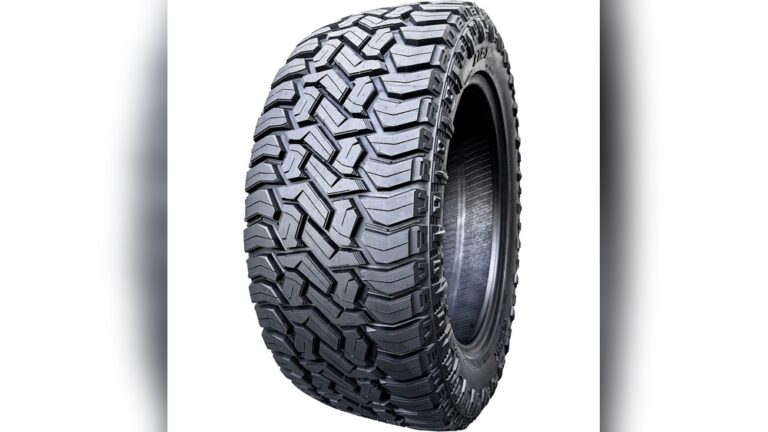
When it comes to choosing the right tire for your car, two brands often top the conversation: Continental and Pirelli. Both have a strong history, advanced technology, and a loyal customer base. But which one fits your needs best? Whether you drive on highways, city streets, or race tracks, the decision can impact your safety, comfort, and even your wallet. This guide takes a deep look at Continental Tires vs Pirelli, comparing their strengths, weaknesses, and the things you may not notice at first glance. If you want clear answers backed by real data and examples, read on.
Background And Brand Identity
Continental and Pirelli have more in common than just making tires. Both started in Europe over a century ago and have become global leaders. But their approach, focus, and reputation have taken different paths.
Continental, founded in 1871 in Germany, is known for engineering precision and a focus on safety. The brand supplies many European carmakers, including Mercedes-Benz, BMW, and Audi. Continental invests heavily in research, leading to innovations like run-flat tires and advanced tread patterns for wet grip.
Pirelli, started in 1872 in Italy, is famous for its connection to motorsports and luxury vehicles. The brand supplies Formula 1 and works closely with supercar makers like Ferrari, Lamborghini, and Maserati. Pirelli is known for blending high performance with stylish design.
This background shapes everything from tread patterns to marketing. Understanding their roots helps explain why their tires feel different on the road.
Technology And Innovation
Continental’s Approach
Continental puts its resources into safety, wet grip, and longevity. They were among the first to develop ContiSeal (self-sealing) and ContiSilent (noise-reducing) technology. Their engineers often focus on:
- Shorter braking distances
- Better performance in rain and snow
- Consistent wear for longer life
For example, Continental’s PremiumContact 6 uses a special silica compound that improves wet grip without reducing tire life. Many of their tires also have lower rolling resistance, meaning your car uses less fuel.
Pirelli’s Focus
Pirelli’s innovation is deeply tied to motorsports. They use their “Perfect Fit” approach, designing tires with car manufacturers for specific models. This means a Pirelli P Zero for a BMW might be different from one for a Porsche, even if they have the same size.
Key Pirelli technologies include:
- Elect™ for electric vehicles (EVs)
- Run Flat™ for puncture resistance
- Noise Cancelling System™ for quieter rides
Pirelli often uses soft, sticky compounds for maximum grip—ideal for sporty driving, but sometimes at the cost of faster wear.

Credit: www.discountedwheelwarehouse.com
Performance On Different Roads
Dry Roads
On dry pavement, both brands deliver confident handling. Pirelli usually has a slight edge in “sporty” driving. Their tires respond quickly to steering and offer strong grip during cornering. Continental also provides very good dry performance, but their focus is more on balance and safety than pure excitement.
For example, in auto magazine tests, Pirelli P Zero often wins points for “fun to drive,” while Continental SportContact 6 scores high for control at high speed.
Wet Conditions
Wet grip is where Continental often stands out. Their tread patterns and compounds are designed to channel water away, reducing the risk of hydroplaning. In independent tests, Continental tires usually stop sooner on wet roads than Pirelli. This gives extra confidence during rain, especially for family cars or daily commuters.
Pirelli does well in wet conditions too, but their focus on sporty grip means some models may not match Continental’s stopping distances in the rain. For everyday driving, this can be a key difference.
Snow And Winter Roads
Both brands offer dedicated winter tires, but Continental’s WinterContact series often wins awards in Europe for snow performance. They use special rubber that stays flexible in cold temperatures and deep sipes (tiny cuts) for grip on snow and ice.
Pirelli’s Sottozero and Cinturato Winter lines are also strong, especially for sporty or luxury cars. However, if you drive in harsh winter conditions, Continental is usually the safer choice.
Noise And Comfort
Comfort and quietness matter, especially on long drives. Continental’s focus on noise-reducing technology like ContiSilent means their tires are often quieter, especially on rough pavement. Many drivers notice less “road roar” with Continental, which can reduce fatigue.
Pirelli’s comfort level depends on the model. Their high-performance tires can be a bit firmer or louder, but their touring and all-season lines are competitive. For luxury sedans or electric cars, both brands now offer noise-cancelling models.
Longevity And Durability
Tire life depends on driving habits, road quality, and maintenance. However, there are clear trends in how Continental and Pirelli design their products.
Continental is known for longer tread life. Their compounds are often harder, which means they resist wear better under normal driving. Many Continental tires come with mileage warranties in the 60,000–70,000 km range (about 37,000–43,000 miles).
Pirelli tires, especially their sporty models, tend to wear out faster. This is a trade-off for their softer rubber, which gives better grip but can lose tread more quickly. Some Pirelli models are designed for 40,000 km (about 25,000 miles) or less, especially in high-performance segments.
Still, Pirelli’s latest touring and all-season lines have improved durability. For drivers who want both grip and long life, comparing the exact model specs is important.
Price And Value For Money
Price is often a deciding factor. Continental and Pirelli sit at the premium end of the tire market, but their pricing strategies are different.
- Continental is usually priced slightly below Pirelli for comparable models. Their tires offer strong performance across all categories, making them a good value for everyday drivers.
- Pirelli often charges more for their high-performance and ultra-high-performance tires, especially those marked as original equipment for sports cars.
Below is a real-world price comparison for popular sizes (as of early 2024):
| Tire Model | Size Example | Average Price (USD) |
|---|---|---|
| Continental PremiumContact 6 | 225/45R17 | $150 |
| Pirelli Cinturato P7 | 225/45R17 | $165 |
| Continental WinterContact TS 860 | 205/55R16 | $130 |
| Pirelli Sottozero 3 | 205/55R16 | $145 |
Discounts, promotions, and local taxes affect final prices. Still, this gives a clear idea of the general difference.
Oe Partnerships And Vehicle Fitment
Both brands have strong relationships with carmakers. This affects not only price but also how well a tire fits your car’s needs.
- Continental supplies original tires for Volkswagen, Mercedes-Benz, BMW, and more. Their focus is on mainstream, luxury, and electric cars.
- Pirelli is chosen as original equipment for Ferrari, Lamborghini, Maserati, and many high-end German cars. Their tires are often tuned for specific vehicles.
If your car came with Continental or Pirelli tires, replacing them with the same brand often keeps the ride and handling as the manufacturer intended. But switching between brands can change the feel. For example, a BMW with factory Pirellis might feel more “sporty,” while switching to Continental could make it quieter and smoother.
Range And Product Lines
Both companies offer a wide selection, but the focus areas differ.
Continental Product Lines
- PremiumContact: Balanced performance for everyday and luxury cars.
- SportContact: For sports cars and performance sedans.
- EcoContact: Low rolling resistance, better fuel economy.
- WinterContact: For snow and ice.
- CrossContact: For SUVs and crossovers.
Pirelli Product Lines
- P Zero: Ultra-high performance, often for sports cars.
- Cinturato: Touring and eco-friendly options.
- Scorpion: For SUVs and off-road.
- Sottozero: Winter performance.
- Pirelli Elect™: For electric and hybrid vehicles.
This variety means both brands cover most driving needs, but Pirelli often puts more resources into sporty and premium segments.
Real-world User Feedback
Online reviews and owner surveys give useful insights. While lab tests matter, real drivers notice things that test tracks don’t always show.
- Continental drivers often praise the tires for their quiet ride, strong wet grip, and good mileage. Many mention that their cars feel stable and safe in changing weather.
- Pirelli owners love the sporty handling and “connected” feeling, especially on winding roads. However, some note faster wear and more road noise, especially with performance models.
Interestingly, some users switch brands and notice big changes. For example, one BMW owner swapped Pirelli P Zeros for Continental SportContact 6 and reported less noise and longer life, but a slightly less “sharp” steering response.
Environmental Impact And Sustainability
Tire companies today face pressure to reduce pollution and waste. Both Continental and Pirelli have made progress, but in different ways.
- Continental is a leader in using recycled materials and lowering the carbon footprint of its factories. Their EcoContact series helps drivers use less fuel, cutting emissions.
- Pirelli has developed tires with low rolling resistance and special lines for electric vehicles. They also work on “green” rubber compounds, reducing reliance on oil.
In 2022, both brands made the Dow Jones Sustainability Index. Still, Continental scores a bit higher in independent rankings for sustainability. If eco-friendliness matters to you, look for the latest updates on each brand’s website.
Warranty And After-sales Service
A good tire warranty can offer peace of mind. Both Continental and Pirelli offer warranties, but the details matter.
- Continental usually provides a limited mileage warranty (e.g., 70,000 km) and a shorter workmanship and materials warranty (often 6 years from purchase).
- Pirelli offers similar coverage, but some sporty models have shorter mileage warranties due to their softer compounds.
Road hazard protection is sometimes included, but often costs extra. Checking the fine print is important—some warranties are only valid if you rotate your tires regularly or have them installed by authorized dealers.
Common Buying Mistakes
When comparing Continental Tires vs Pirelli, beginners often make a few key mistakes:
- Choosing based only on price: Cheaper tires can cost more in the long run if they wear out quickly or don’t perform in emergencies.
- Ignoring the car’s requirements: Sports cars need different tires than minivans. Always check your vehicle’s manual or placard.
- Overlooking treadwear ratings: Not all tires last the same. Look for UTQG (Uniform Tire Quality Grading) numbers for a rough idea.
- Skipping rotation and alignment: Even the best tires wear out fast with poor maintenance.
- Assuming all models are the same: Each brand has many lines—don’t just buy “a Continental” or “a Pirelli.” Check the specific model.
These mistakes can lead to disappointment or even safety risks.
Practical Tips For Choosing Between Continental And Pirelli
Making the final choice depends on your needs, driving style, and local climate. Here’s a quick decision guide:
| Situation | Best Choice | Why |
|---|---|---|
| Mainly city/highway driving | Continental | Quiet, durable, good value |
| Sporty or aggressive driving | Pirelli | Sharper handling, strong dry grip |
| Wet or snowy climate | Continental | Best wet/snow performance |
| Luxury or high-end sports cars | Pirelli | Often original equipment, tuned fit |
| Long-distance touring | Continental | Quieter, longer-lasting |
Remember, each car and driver is unique. If you’re unsure, ask a trusted mechanic or tire specialist for advice.
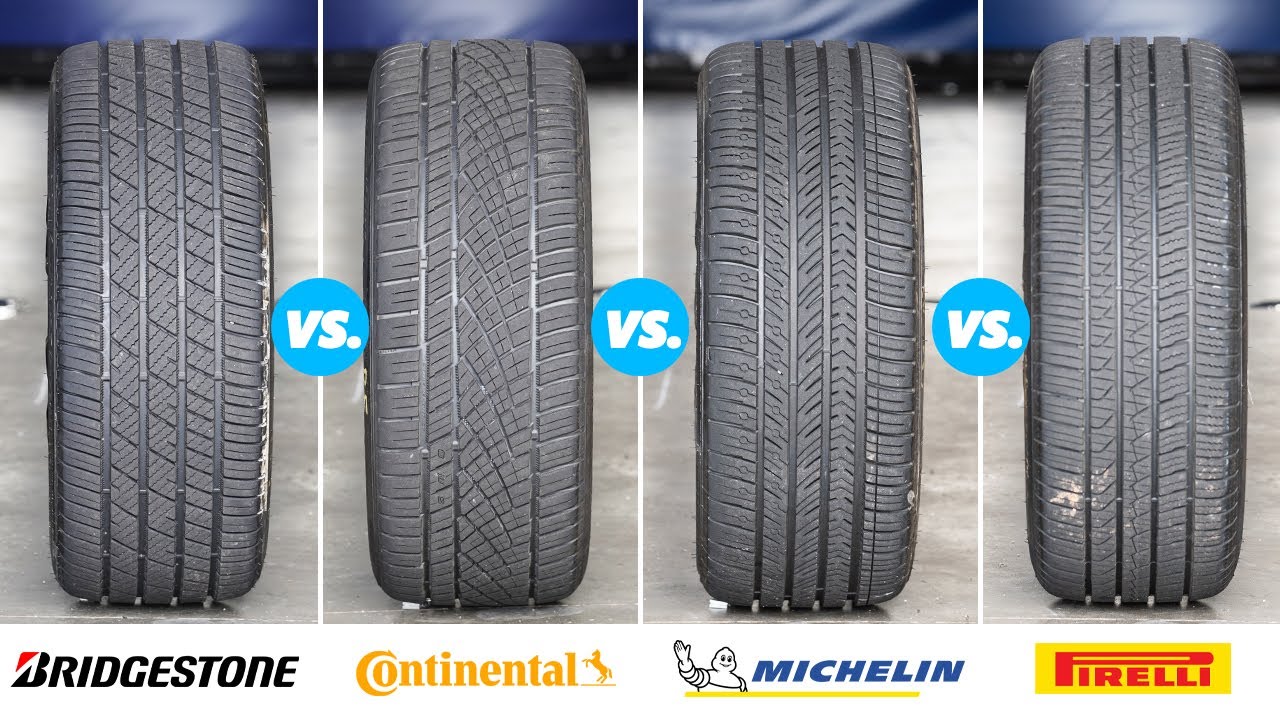
Credit: www.youtube.com
Non-obvious Insights Beginners Miss
Many first-time buyers forget about tire age. Even a “new” tire can lose performance if it sat on a warehouse shelf for years. Always check the DOT code for the manufacturing date—tires older than 5 years may not be a good buy, even if unused.
Another overlooked point is speed and load ratings. Continental and Pirelli offer many sizes, but not all have the right rating for your car. Using the wrong rating can affect handling and even insurance coverage.
Also, the same tire model can feel very different on two cars. Suspension design, weight, and even wheel alignment make a big difference. Reading reviews from drivers with your exact car model can be more helpful than general ratings.
Which Brand Is Right For You?
There’s no single “best” brand for everyone. Here’s a quick summary to help:
- Choose Continental if you want safety, quietness, and long life at a fair price. They’re excellent for daily drivers, commuters, and families.
- Choose Pirelli if you want sharp handling, sporty feel, and original fit for luxury or sports cars. They’re a great pick if you value driving excitement.
If you want to see detailed test results, check out this independent review from Tire Rack.

Credit: www.youtube.com
Frequently Asked Questions
How Do Continental And Pirelli Tires Compare For Wet Grip?
Continental tires usually perform better in wet conditions. Their tread patterns and rubber compounds are designed to push water away quickly, reducing the chance of sliding. Pirelli is also good, but their sporty tires sometimes focus more on dry grip.
Are Pirelli Tires Worth The Higher Price?
If you drive a sports car or want the best possible handling, Pirelli’s advanced technology and motorsports experience can be worth it. For regular driving, Continental often offers similar safety and comfort for less money.
Which Brand Is Better For Winter Driving?
Continental’s WinterContact line is a top choice for snow and ice. Their tires stay flexible in cold weather and grip well on slippery roads. Pirelli’s Sottozero is also good, but Continental often wins in independent tests.
Do Continental And Pirelli Tires Last The Same Amount Of Time?
Continental tires are generally known for longer tread life, especially on standard and touring models. Pirelli’s high-performance tires may wear out faster due to softer rubber, but their new touring lines are improving in durability.
How Can I Tell If A Tire Is The Right Fit For My Car?
Check your vehicle’s manual or the sticker inside the driver’s door for the correct size, speed, and load rating. Both Continental and Pirelli offer tools on their websites to match your car with the right tire.
Both Continental and Pirelli have their strengths. The best tire for you depends on your driving style, local roads, and what you value most—be it comfort, performance, or price. By understanding these details, you can drive with confidence on any journey.