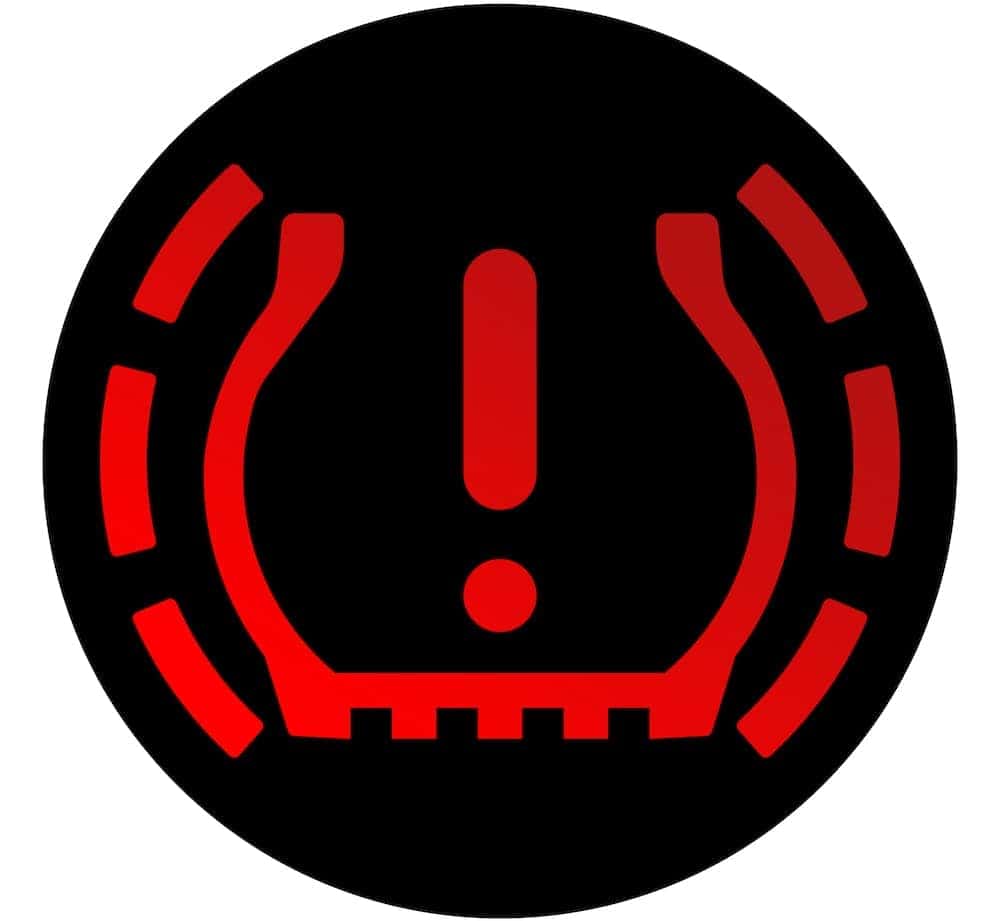
Many Chevy owners face a common issue: the tire pressure sensor warning light stays on, even after inflating tires. This light can be annoying, but it’s also important for safety. The sensors, known as TPMS (Tire Pressure Monitoring System), help you drive safely by warning about low tire pressure. If you see the warning light but your tires are fine, resetting the sensors is often necessary. Knowing how to reset Chevy tire pressure sensors can save you money, prevent unnecessary trips to the mechanic, and keep your vehicle running smoothly.
In this guide, you will learn the step-by-step process to reset Chevy tire pressure sensors. We’ll cover different Chevy models, common mistakes, and why the system matters. With clear instructions and practical advice, even beginners can handle this task confidently.
What Are Chevy Tire Pressure Sensors?
Chevy vehicles use TPMS sensors to monitor the air pressure in each tire. These sensors send data to the car’s computer. If a tire is low, the system triggers a warning light on your dashboard.
There are two main types of TPMS sensors:
- Direct sensors: These are inside the tire, usually attached to the valve stem. They measure pressure directly and send a radio signal to the car.
- Indirect sensors: These use the car’s ABS (anti-lock brake system) to estimate tire pressure by monitoring wheel speed.
Most recent Chevy models use direct sensors. Knowing which type your vehicle has can help you with the reset process.
Why Tpms Is Important
Driving with low tire pressure can cause:
- Poor handling
- Increased fuel use
- Uneven tire wear
- Risk of tire blowout
According to the National Highway Traffic Safety Administration, properly inflated tires can reduce accidents caused by tire failure by up to 11%. That’s why TPMS is now standard in all cars sold in the US since 2008.
When Should You Reset Chevy Tire Pressure Sensors?
You should reset the TPMS system in several situations:
- After inflating tires to the correct pressure
- After rotating tires
- After replacing a tire or sensor
- When the TPMS warning light stays on, but tire pressure is normal
Sometimes, the sensors need a reset because the system doesn’t automatically recognize changes. Resetting tells your Chevy’s computer to relearn each tire’s sensor signal.
Step-by-step Guide: How To Reset Chevy Tire Pressure Sensors
Resetting TPMS is not difficult, but steps may vary depending on your Chevy model and year. Below is a general process, followed by specific instructions for popular models.
General Chevy Tpms Reset Steps
- Check tire pressure
- Use a reliable gauge to measure all four tires, including the spare if your vehicle has one.
- Inflate or deflate each tire to match the recommended PSI (usually found on the driver’s door sticker).
- Turn on the ignition
- Insert your key and turn it to the “ON” position, but do not start the engine.
- Find the TPMS reset button
- Most Chevys have a TPMS reset button under the steering wheel or on the dash. If you don’t see it, check your manual.
- Press and hold the TPMS reset button
- Hold for about 3 seconds until the TPMS warning light blinks three times, then release.
- Drive the vehicle
- Drive at least 15 minutes at 30 mph or more. This allows the sensors to recalibrate.
- Check the dashboard
- If the light goes off, the reset worked. If not, repeat the steps or try the model-specific method.
Model-specific Chevy Tpms Reset Procedures
Different Chevy models may require special steps. Here are instructions for popular models:
Chevy Silverado
- Turn the ignition to ON (do not start).
- Press the “Menu” button on the dashboard until you see the tire pressure screen.
- Hold the “Set/Reset” button until you hear a horn sound.
- Starting with the left front tire, use a TPMS tool to activate the sensor (hold near the valve stem).
- Wait for the horn beep, then move to the next tire.
- Complete all four tires in order: Left front, right front, right rear, left rear.
- After finishing, the system will display tire pressures, and the warning light should turn off.
Chevy Equinox
- Turn ignition to ON.
- Press the “Lock” and “Unlock” buttons on your key fob at the same time until the horn beeps twice.
- Use a TPMS tool for each tire, following the same order as Silverado.
- Complete the process and check the dashboard.
Chevy Malibu
- Turn ignition to ON.
- Locate the TPMS reset button (often near the glove box).
- Hold for 3 seconds until the light flashes.
- Drive for 15 minutes at 30 mph.
- Check if the warning light is off.
Chevy Traverse
- Turn ignition to ON.
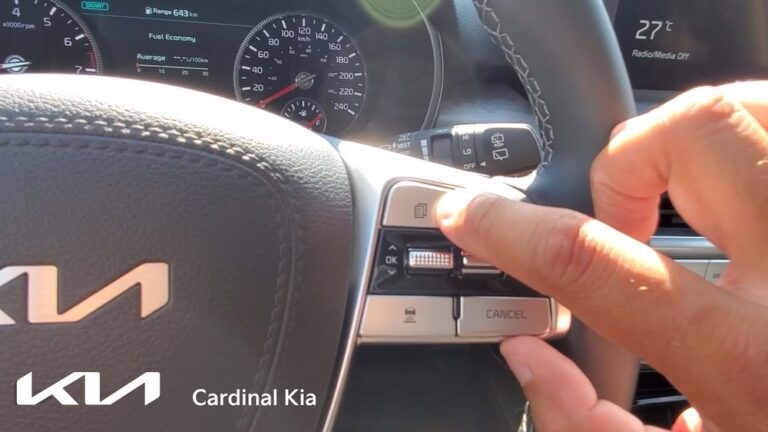
- Use the steering wheel controls to find the tire pressure screen.
- Press and hold the “Set” button until the horn sounds.
- Use a TPMS activation tool for each tire.
- Wait for the horn beep after each tire.
What If Your Chevy Doesn’t Have A Tpms Reset Button?
Some newer models don’t have a reset button. Instead, you must use the key fob or steering wheel controls. If you’re unsure, check your owner’s manual or ask a Chevy dealer.
Using A Tpms Activation Tool
A TPMS activation tool is a small device that wakes up the sensor and sends a signal to your vehicle. These tools are inexpensive and available online or at auto parts stores.
Steps for using a TPMS tool:
- Start the TPMS reset mode (use key fob or dash controls).
- Hold the tool against the tire sidewall near the valve stem.
- Press the button on the tool. Wait for the horn beep.
- Repeat for each tire, following the correct order.
This tool is essential for newer Chevys, especially after tire rotation or sensor replacement.
Common Mistakes When Resetting Chevy Tpms
Many beginners make mistakes that prevent a successful reset. Here are two non-obvious insights:
- Incorrect tire order: Always follow the correct sequence (left front, right front, right rear, left rear). If you do it out of order, the system may not recognize all sensors.
- Low battery in TPMS sensor: If the sensor’s internal battery is low or dead, the reset won’t work. Most TPMS sensors last 5-10 years, but extreme temperatures can shorten battery life.
Other mistakes to avoid:
- Not inflating tires to recommended pressure before starting.
- Skipping the drive step after reset.
- Using a TPMS tool on the wrong part of the tire (must be near valve stem).
Chevy Tpms Sensor Replacement: When Reset Won’t Work
If resetting doesn’t fix the warning light, the sensor may be damaged or dead. Here’s how to identify sensor issues:
- TPMS warning light stays on after several resets.
- One tire always shows incorrect pressure.
- Your mechanic says the sensor isn’t transmitting.
Replacing a sensor costs between $50–$150 per tire, plus labor. After replacement, you must relearn the new sensor using the reset steps above.
Comparison: Tpms Sensor Costs For Popular Chevy Models
Below is a comparison of average TPMS sensor replacement costs:
| Chevy Model | Sensor Cost (USD) | Labor Cost (USD) | Total Cost (USD) |
|---|---|---|---|
| Silverado | 80 | 50 | 130 |
| Equinox | 75 | 45 | 120 |
| Malibu | 70 | 40 | 110 |
| Traverse | 85 | 55 | 140 |

Credit: www.youtube.com
How Chevy Tpms Differs From Other Brands
Chevy’s TPMS system is similar to Ford and Toyota, but there are differences in reset methods. For example, Ford often uses a different tire order, and Toyota sometimes requires a scan tool.
Here’s a quick comparison:
| Brand | Reset Method | TPMS Tool Needed? | Typical Sensor Life |
|---|---|---|---|
| Chevy | Button or key fob | Yes (for newer models) | 5-10 years |
| Ford | Dash controls | Yes | 6-8 years |
| Toyota | Scan tool required | Yes | 7-10 years |
Knowing these differences helps if you own multiple brands or switch cars.
Practical Tips For Maintaining Chevy Tpms
Keeping your TPMS working well saves money and trouble. Here are practical tips:
- Check tire pressure at least once a month.
- Avoid using cheap tire sealants; they can clog TPMS sensors.
- Replace sensors every 5–10 years, or if the warning light stays on.
- Use a quality TPMS activation tool for resets.
- Store your key fob batteries properly; low battery can affect some reset methods.
If you plan to change tire size or wheels, consult your Chevy dealer. Not all aftermarket tires work with TPMS sensors.
Credit: www.lemanchevy.com
Data: How Often Chevy Tpms Sensors Fail
According to a 2023 report by AAA, about 6% of vehicles with TPMS have at least one sensor failure each year. For Chevy owners, the rate is slightly lower, at 5. 2%. Most failures happen after 6 years, often due to battery depletion.
Troubleshooting: If The Tpms Light Won’t Go Off
If you’ve tried to reset but the warning light stays on, try these steps:
- Re-check tire pressure with a digital gauge.
- Inspect tires for slow leaks or punctures.
- Try the reset steps again, using the correct tire order.
- Use a TPMS tool for activation.
- Visit a mechanic for sensor testing if all else fails.
Chevy Tpms And Safety
Tire safety is essential. TPMS alerts you before tires get dangerously low. According to the US Department of Transportation, driving with proper tire pressure can improve fuel efficiency by up to 3%. It also reduces the risk of blowouts, which cause thousands of accidents each year.
Frequently Asked Questions
How Do I Know If My Chevy Has Direct Or Indirect Tpms Sensors?
Most Chevys made after 2010 use direct sensors attached to the valve stem. If your tire pressure shows exact numbers on the dash, you have direct TPMS. If it only shows a warning light, it may be indirect.
What Happens If I Ignore The Tpms Warning Light?
Driving with the light on can lead to tire failure, poor handling, and reduced fuel efficiency. Always check pressure and reset sensors as soon as possible.
Can I Reset Chevy Tpms Without A Tool?
Some older Chevys let you reset without a tool, using the button or key fob. Newer models often require a TPMS activation tool. Check your manual for details.
How Long Does A Chevy Tpms Sensor Last?
Most sensors last 5–10 years. Extreme temperatures, rough driving, and tire sealants can reduce lifespan.
Where Can I Find Official Chevy Tpms Reset Instructions?
For model-specific guidance, visit the official Chevy owner’s site: Chevrolet Owner Center.
Resetting your Chevy tire pressure sensors is simple with the right steps. It keeps your vehicle safe, efficient, and trouble-free. Follow these instructions, avoid common mistakes, and check your sensors regularly. With confidence and a little practice, you’ll master TPMS resets for your Chevy.

Credit: www.lemanchevy.com