Driving in winter can be stressful, especially when ice and snow cover the roads. For many drivers, the choice between snow tire cables and snow chains is confusing. Both options promise better traction, but they work differently and have unique strengths and weaknesses. With some states requiring extra traction devices during snow season, knowing the differences is not just helpful—it’s necessary.
If you’re wondering which is better for your car, your daily drive, and your budget, you’re not alone. This article will explain everything you need to know about snow tire cables vs chains. You’ll learn how each works, when to use them, what makes them different, and how to choose the right one for your needs.
We’ll also cover installation tips, legal rules, and common mistakes to avoid. By the end, you’ll feel confident picking the right traction aid for your next winter trip.
What Are Snow Tire Cables?
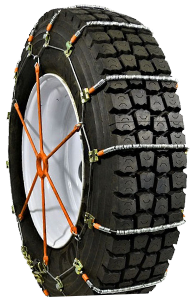
Snow tire cables are lightweight devices made from steel cables covered with steel rollers or coils. They wrap around your tires to add grip on snow and ice. Unlike traditional chains, cables are thinner and more flexible. They are designed for drivers who face occasional snow, not extreme winter storms.
Cables typically use a ladder pattern across the tire. The cables are connected by small metal cross pieces, which help grab the snow and ice as the wheel spins. Most cables come with a self-tightening system, making them easier to install and remove than older chain designs.
One key advantage is their low profile. Because they don’t stick out far from the tire, they work well on vehicles with limited wheel well space. This makes cables popular for smaller cars, sedans, or vehicles where chains can’t fit.
What Are Snow Chains?
Snow chains are heavy-duty devices made from thick, linked metal. They wrap around the tire and provide deep, aggressive traction in snow and ice. Chains come in several patterns, like ladder, diamond, or square, each offering different levels of grip and ride comfort.
Chains are designed for tough winter conditions. They can handle deep snow, ice, and steep inclines. Many trucks, SUVs, and vehicles traveling in mountainous areas use chains for extra safety. Some designs offer self-tightening features, but many still require manual adjustment.
Because they are bulkier and heavier, chains need more clearance between the tire and the vehicle. Some cars and trucks simply don’t have enough space for chains, making cables the only option.
Key Differences Between Snow Tire Cables And Chains
To understand which option is better for you, it’s important to compare the main differences between snow tire cables and chains. Here’s how they stack up:
| Feature | Snow Tire Cables | Snow Chains |
|---|---|---|
| Material | Steel cable with rollers | Thick steel links |
| Weight | Lightweight | Heavy |
| Traction | Good for light snow/ice | Best for deep snow/ice |
| Installation | Easy, quick | More difficult |
| Vehicle Clearance | Low clearance needed | High clearance needed |
| Durability | Lower | Higher |
| Cost | Less expensive | More expensive |
| Ride Comfort | Smoother | Rougher, noisier |
| Suitability | Light cars, short use | Trucks, SUVs, harsh use |
When Should You Use Snow Tire Cables?
Snow tire cables are a smart choice if you:
- Live in an area with occasional, not heavy, snowfall
- Drive mostly on city streets or plowed roads
- Own a car with limited wheel well space
- Need a traction device only for emergencies
- Want a solution that’s quick to put on and take off
For example, many commuters in cities keep a set of cables in the trunk. If they’re caught in a sudden snowstorm, they can install the cables in minutes and reach home safely.
However, cables are not ideal for very deep snow, repeated use, or off-road conditions. They can wear out quickly on bare pavement and are not as strong as chains. Some states allow cables instead of chains, but always check local rules before traveling.
When Should You Use Snow Chains?
Snow chains are the better option if you:
- Drive in areas with heavy snow and thick ice
- Travel on mountain roads or steep hills
- Need maximum traction for safety
- Own a truck, SUV, or large vehicle with enough clearance
- Expect to use traction devices often or for long distances
Snow plow drivers, delivery trucks, and people living in mountain towns often rely on chains. They are also required on certain roads during snow emergencies.
Chains can damage pavement and should not be used on dry roads. They also take more time to install and remove. But when the weather is severe, nothing beats the grip and strength of a good set of chains.
Pros And Cons Of Snow Tire Cables
Let’s look closer at the advantages and disadvantages of snow tire cables:
Pros:
- Quick and easy to install, even for beginners
- Lightweight and easy to store in your car
- Fit on vehicles with little space between tire and wheel well
- Less expensive than most chains
- Smoother, quieter ride than chains
Cons:
- Not as durable; wear out faster, especially on dry roads
- Less traction in heavy snow and deep ice
- May not meet legal requirements in some regions
- Not suitable for repeated or long-term use
- Can break more easily if not installed correctly
Non-obvious insight: Many people think cables are nearly as strong as chains because they are made of steel. However, their thin design means they can snap if you spin your tires too fast or hit a pothole. Always drive slowly when using cables.
Pros And Cons Of Snow Chains
Now, consider the pros and cons of snow chains:
Pros:
- Maximum traction in deep snow and thick ice
- Very durable—can last for many seasons if cared for
- Suitable for trucks, SUVs, and heavy vehicles
- Some designs self-tighten for easier use
- Often required by law in tough winter areas
Cons:
- Heavy and bulky to carry and store
- Harder to install, especially in freezing weather
- Require more vehicle clearance—may not fit all cars
- Can damage tires, wheels, and roads if misused
- Rough, noisy ride—especially at higher speeds
Non-obvious insight: Some drivers forget to check if chains fit their tires before a trip. Tire size, brand, and tread can all affect chain fit. Always test-fit chains at home before you need them.
How To Choose: Snow Tire Cables Or Chains?
Choosing between snow tire cables and chains depends on your vehicle, local weather, and driving habits. Here’s a practical way to decide:
- Check your owner’s manual for clearance limits. If it says “no chains,” try cables.
- How often do you see snow? If only once or twice a year, cables may be enough.
- What roads do you drive? Flat city roads? Cables. Mountain highways? Chains.
- What’s your vehicle type? Small cars usually need cables. Trucks/SUVs can use chains.
- Legal requirements. Some states or countries demand chains in certain conditions. Always check before you travel.
Here’s a helpful summary:
| Situation | Best Choice |
|---|---|
| Occasional light snow, city driving | Snow Tire Cables |
| Frequent heavy snow, rural or mountain roads | Snow Chains |
| Limited wheel clearance | Snow Tire Cables |
| Maximum traction needed | Snow Chains |
| Legal requirement for chains | Snow Chains (unless cables are allowed) |

Credit: dccargo.com
Installation: Step-by-step Guidance
Installing Snow Tire Cables
- Park on a flat, safe area. Turn off the engine and set the parking brake.
- Lay out the cables flat beside your tires. Untangle any knots.
- Drape the cables over the top of your tire. Make sure they’re centered.
- Connect the back ends behind the tire first.
- Connect the front ends and pull tight. Most cables have a self-tightening feature.
- Drive forward a few feet, then stop and re-check the cables. Tighten if needed.
Tip: Practice installing cables at home before you need them. Cold hands and snow make everything harder.
Installing Snow Chains
- Find a safe place to stop. Flat ground is best.
- Lay the chains out and check for damage.
- Drape the chain over the tire, making sure it’s even.
- Connect the inside fastener behind the tire.
- Connect the outside fastener.
- Adjust the chain, making sure it’s snug and evenly spaced.
- Drive forward a few feet, then re-tighten the chains.
Pro tip: Bring waterproof gloves and a flashlight. Installing chains in a snowstorm can be unpleasant.
Legal Requirements And Regional Differences
Laws about snow chains and cables vary widely. In the United States, some states require chains in certain weather or on certain roads. Others allow cables instead of chains, but only if they meet specific standards.
For example, in California, chains are often required on mountain highways. The law allows cables as a substitute only if they are “chain-equivalent” and approved by the state. In Colorado, commercial vehicles must carry chains during winter months, and passenger cars may need them during emergencies.
In Europe, countries like Austria and Switzerland require chains in some regions, but may accept cables on smaller cars. Always check local laws before you travel, especially if you plan to cross borders.
Non-obvious insight: Some rental car agreements do not allow you to use chains or cables at all, because of possible damage. Always ask your rental company before buying or using traction devices.
If you want detailed legal information, the AAA has a useful summary for U.S. states: AAA Snow Chain Laws.
Durability And Maintenance
Snow tire cables are designed for short-term, emergency use. They can wear out quickly if used on dry or rough roads. After each use, rinse cables with water to remove salt and grime, and let them dry before storing.
Snow chains are built for longer use and rougher conditions. If you care for them, they can last for years. After use, wash off salt and dirt, let them dry, and store them in a cool, dry place. Check for broken links or worn spots before each season.
Tip: Never drive above 30 mph (48 km/h) with cables or chains on. They are not designed for highway speeds and can break or come loose.
Cost Comparison
The price of snow tire cables ranges from $30 to $100 per pair, depending on size and brand. Snow chains usually cost $60 to $200 per pair, but heavy-duty chains for trucks can be even more expensive.
Remember, the cheapest option is not always best. Buying higher-quality cables or chains will save you money and trouble in the long run.
Non-obvious insight: Many people forget to budget for tire chain tensioners, storage bags, or replacement parts. Always check what’s included before you buy.
Comfort And Driving Experience
Most drivers find that cables are smoother and quieter than chains. They make less noise and cause less vibration inside the car. If you only need extra traction for a short time, cables are less annoying to use.
Chains, especially heavy-duty ones, can make the ride rough and noisy. You may feel bumps and hear clanking from the wheels. On the plus side, the improved traction gives many drivers peace of mind in dangerous conditions.
Tip: Always remove cables or chains as soon as you reach clear pavement. Driving on dry roads can damage both your tires and the traction devices.
Environmental And Vehicle Impact
Chains can scratch road surfaces, especially if used on dry or partially cleared roads. Some cities ban chains to protect their streets. Chains can also scratch your wheels or damage brake lines if installed incorrectly.
Cables are less likely to damage the road, but they can still cause scratches if they break or come loose. Both chains and cables can cause damage to your vehicle if not fitted properly.
Modern snow chains and cables are designed to reduce harm, but always check your car’s manual for any warnings. Some car makers say “no chains” because the risk of damage is too high.
Safety Tips And Common Mistakes
- Always practice installing at home. Don’t wait until you’re stuck in a snowstorm.
- Check fitment. Not all cables or chains fit every tire size.
- Tighten after driving a short distance. Loose devices can slip or break.
- Never exceed recommended speeds. Usually 30 mph (48 km/h) or less.
- Don’t use on dry roads. Remove traction devices as soon as you can.
- Carry gloves and a mat. Installing in snow is cold and wet.
- Check local laws. Requirements can change quickly in winter.
Non-obvious insight: Some all-wheel-drive cars only need chains on certain tires (front or rear). Check your owner’s manual for the right configuration.
Real-world Examples
Example 1:
A family in Chicago faces light snow a few times each winter. Their sedan has little wheel well space. They keep a set of snow tire cables in the trunk for emergencies. The cables are quick to install and help them get home safely during sudden snow.
Example 2:
A delivery driver in Colorado must cross mountain passes every day. The roads can be icy, steep, and dangerous. He uses snow chains on his truck, as required by state law. The chains provide the grip needed to stay safe, even in deep snow.
Example 3:
A tourist rents a car in Switzerland to visit ski resorts. She discovers the rental company does not allow chains or cables, so she takes a shuttle instead. Local laws would have required chains, but the risk of damaging the rental car is too high.
Frequently Asked Questions
How Do I Know If My Car Can Use Snow Chains Or Cables?
Check your owner’s manual first. It will say if chains or cables are allowed, and if so, which tires to install them on. Some cars, especially with low wheel clearance, can only use cables.
Credit: www.tirechainsrus.com
Do Snow Tire Cables Work As Well As Chains?
Cables provide good traction for light snow and ice, but they are not as strong or durable as chains. For deep snow, chains are much better. Use cables for light, occasional use and chains for tough winter driving.
Can I Use Snow Chains Or Cables On All-wheel-drive Vehicles?
Yes, but check your manual for the correct installation. Some all-wheel-drive vehicles require chains only on the front or rear tires. Using them on all four tires is sometimes needed for best traction.

Credit: knowhow.napaonline.com
Are Snow Tire Cables Legal Everywhere Chains Are Required?
Not always. Some states or countries allow cables only if they are “chain-equivalent. ” Others require real chains in certain conditions. Always check local laws before you travel.
How Fast Can I Drive With Snow Chains Or Cables?
Most chains and cables are rated for a top speed of 30 mph (48 km/h). Driving faster can cause them to break or damage your car. Always drive slowly and carefully when using traction devices.
Winter driving is never simple, but the right traction device can make all the difference. By understanding the differences between snow tire cables and chains, you can choose the safest, most effective solution for your needs. Be prepared, drive carefully, and don’t let winter weather catch you by surprise.