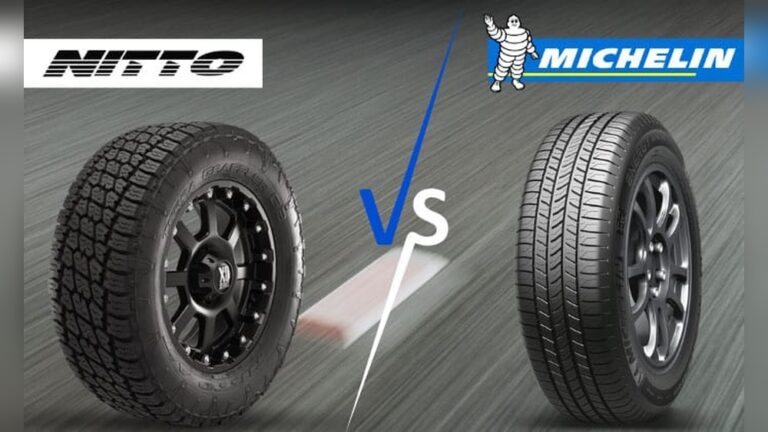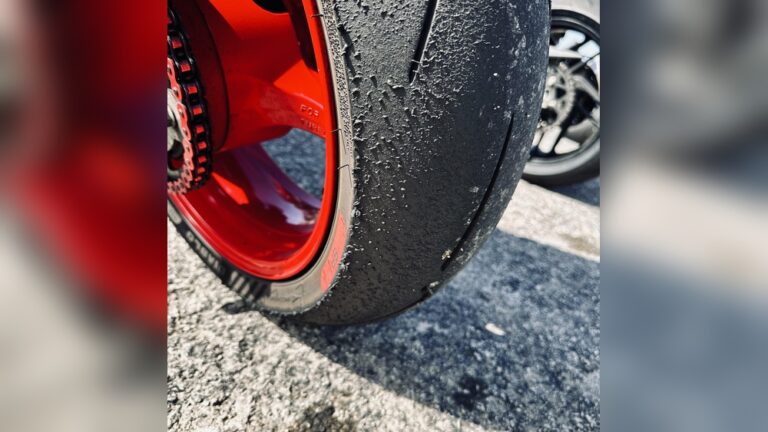
When car enthusiasts talk about stretched tires versus regular tires, they’re not just discussing looks—they’re debating handling, safety, cost, and even car culture. Maybe you’ve seen cars with tires that look “pulled” over wide wheels, with the sidewalls slanting inward. That’s stretching. Or maybe you prefer tires that fit perfectly, with sidewalls that meet the rim edge cleanly. Each style has its fans, and each has real effects on your car’s performance and appearance.
This article digs deep into both styles. You’ll discover what stretched tires are, why people use them, how they compare to regular tires, and what you should think about before choosing. We’ll get into safety, handling, legal issues, and even myths that confuse beginners.
By the end, you’ll have the facts to decide what’s best for your car—and your driving style.
What Are Stretched Tires?
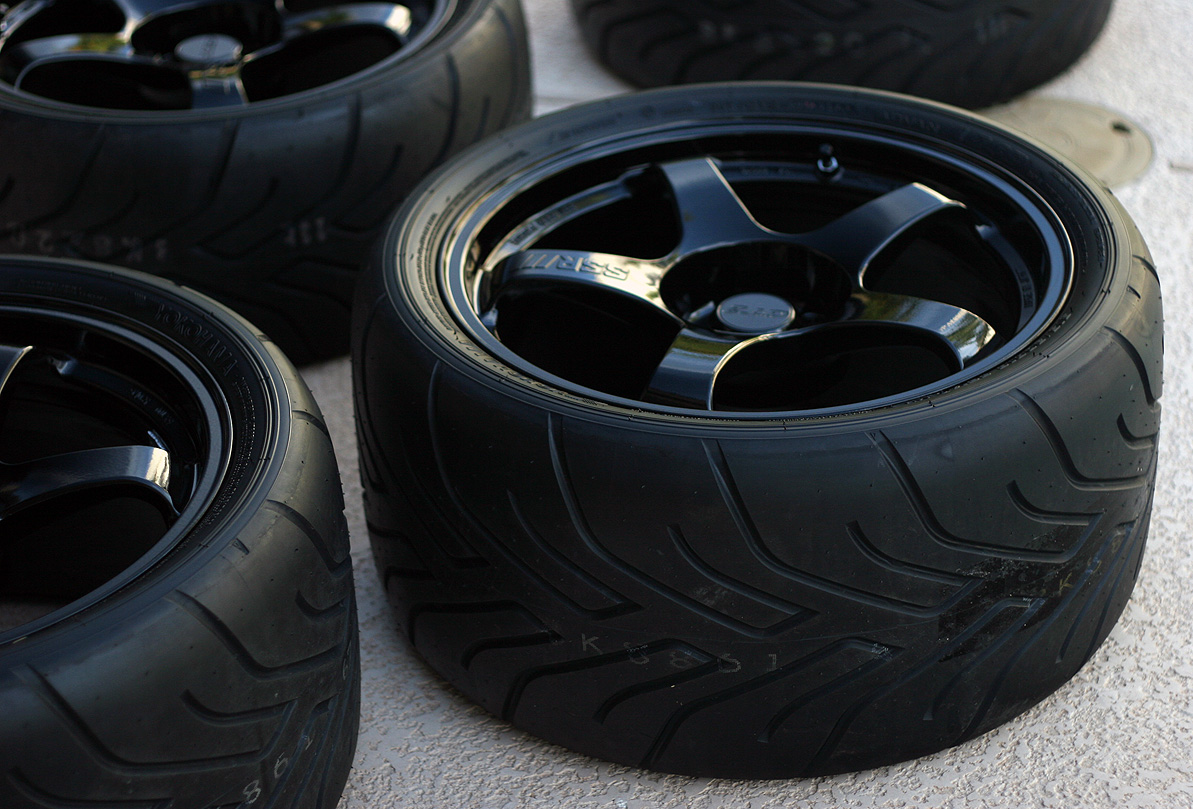
Stretched tires are tires that are fitted onto wheels that are wider than the tire’s recommended width. This means the tire’s sidewall is pulled outward, stretching the tire bead to fit over the wider rim. The result: the tire looks “slimmer,” and the rim edge is often more visible. For example, a 205mm wide tire might be mounted on a 9-inch wide wheel, even though that tire is designed for a 7-inch wheel.
This look started with European and Japanese car scenes. It’s popular in “stance” and “show” builds, where appearance matters as much as performance. The goal is a flush, aggressive look—sometimes with the wheel edge sticking out past the tire.
Regular tires, on the other hand, are mounted on wheels within the tire’s recommended width range. The sidewall stands straight, offering full protection to the wheel and a more traditional appearance.
Why Do People Choose Stretched Tires?
Some drivers pick stretched tires for looks. The stretched sidewall creates a unique visual style, making the wheel appear larger and more aggressive. But there are more reasons:
- Fitment: Stretched tires can help wide wheels fit under narrow fenders, preventing the tire from rubbing the bodywork.
- Style: Many car shows reward the “flush” look—where the tire’s edge lines up perfectly with the fender. Stretching helps achieve this.
- Clearance: In some cases, stretching prevents tires from contacting suspension parts on lowered cars.
- Customization: It’s a way to stand out. Stretched tires are a statement in the car community.
But it’s not just about looks. There are real technical effects—both good and bad.
Credit: grandmighty.github.io
How Regular Tires Differ
Regular tires are mounted according to the tire manufacturer’s guidelines. The tire’s width matches the wheel, and the sidewall sits straight. This setup is what car makers and tire engineers recommend for daily driving, safety, and even tire life.
Benefits include:
- Maximum tire contact patch, which means better grip.
- Stronger sidewall support, helping the tire absorb impacts and potholes.
- Protection for wheels; the tire’s edge extends beyond the rim, reducing curb damage.
For most drivers, regular tires are the default for a reason: they’re proven, safe, and reliable in all kinds of road conditions.
Appearance: The Main Difference
One look at a stretched tire next to a regular tire tells you a lot.
- Stretched tires: The sidewall angles inward, and the rim lip is more visible. There’s a “pulled” look at the tire’s bead.
- Regular tires: The sidewall is straight, and the tire’s edge usually sticks out beyond the rim.
Some people love the stretched tire look for its uniqueness and boldness. Others find it risky or out of place on anything but show cars.
Performance: Handling, Ride, And Safety
Handling And Steering
Stretched tires can change the way your car handles. Because the tire sidewall is under tension, it can feel “sharper” in steering response—especially on smooth roads. Some drifters prefer a slight stretch for this reason: the tire is less likely to “roll over” the rim during hard cornering.
But there’s a catch. Because the sidewall is pulled taut, it can also mean less flex and a harsher ride. And on rough surfaces, the tire is less able to absorb bumps.
Regular tires are designed for balanced handling and comfort. The sidewall flexes as needed, giving predictable grip and a smoother ride over potholes or uneven roads.
Traction And Contact Patch
A key point: stretched tires can reduce the tire’s contact patch. Because the tread is “pulled” over a wider rim, the edge of the tire may lift, reducing the area touching the road. This can mean less grip—especially in wet or emergency situations.
Regular tires offer full tread contact with the road, maximizing grip and braking ability.
Ride Quality
With stretched tires, the ride is usually firmer. The sidewall is thinner, and the tire can’t cushion impacts as well. On rough roads, this feels harsher, and there’s a higher risk of tire or wheel damage from potholes.
Regular tires absorb bumps better. They’re more forgiving and comfortable for daily use.
Safety Concerns
This is where things get serious. Stretched tires can be less safe than regular tires, especially if the stretch is extreme. Risks include:
- Bead de-seating: The tire can pop off the rim under hard cornering, sudden impact, or low pressure.
- Sidewall damage: The tire is under more stress and can fail more easily.
- Reduced protection: The rim edge is exposed, making curb damage—and even blowouts—more likely.
Most tire manufacturers and safety organizations recommend against extreme stretching. Some tire shops will refuse to mount tires outside recommended specs.
Tire And Wheel Fitment: What Matters
When choosing tires and wheels, the main numbers are:
- Tire width (in millimeters)
- Wheel width (in inches)
- Aspect ratio (sidewall height as a % of width)
- Rim diameter (in inches)
For stretched tires, the tire width is less than the wheel width. For example, a 215/40R18 tire on a 9.5-inch wheel. For regular tires, the tire width matches or slightly exceeds the wheel width, such as a 245/40R18 on an 8.5-inch wheel.
A general rule: The tire’s approved rim width range is listed by the manufacturer. Staying inside this range is safest.
Impact On Tire Life And Wear
Stretched tires often wear faster—and unevenly. Because the tread is pulled tight, the outer edges may not touch the road, causing “center wear.” You may get less mileage from a set of stretched tires.
Regular tires wear evenly when properly aligned and rotated. You get the full lifespan the manufacturer claims, which can be 40,000 miles or more.
Another risk: If you hit a pothole or curb, a stretched tire is more likely to fail, which means replacing both tire and possibly the wheel.
Legal And Insurance Issues
Many regions have rules about tire fitment. In Germany and Japan, for example, police can fine you or fail your safety inspection if your tires are stretched beyond manufacturer guidelines. In the US, laws are less strict, but insurance companies might deny a claim if a stretched tire contributed to an accident.
If you choose stretched tires, check your local laws. Some insurance policies won’t cover damage if the tires were not fitted according to specs.
Cost Comparison
Stretched tires can cost more in the long run. Here’s why:
- You may need to replace tires more often due to uneven wear or damage.
- Some tire shops charge extra for mounting stretched tires, or refuse to do it at all.
- Wheel repairs are more likely, since rims are less protected.
Regular tires are easier to find, cheaper to mount, and last longer—saving money over time.
Driving Conditions: Which Is Best?
Everyday Driving
If you drive daily, face rough roads, or live in a rainy or snowy climate, regular tires are almost always the better choice. They’re safer, more comfortable, and perform better in all weather.
Track And Drift
In drifting, a mild stretch can help the tire break free more predictably. But pro drivers rarely use extreme stretches, because the risk of de-beading or blowout is too high.
On a race track, proper fitment is key. Most track cars use regular or slightly stretched tires for sharper response, but never beyond manufacturer specs.
Show Cars
If your car is a showpiece, and you don’t drive it daily, stretched tires might make sense for style points. But even then, safety should come first.

Credit: www.youtube.com
Real-world Examples
Consider two cars: a daily-driven Volkswagen Golf and a show-styled Nissan 350Z.
- The Golf uses 205/55R16 tires on 6.5-inch wheels. This is a regular fitment—good for comfort, rain, and long life.
- The 350Z might run 225/35R19 tires on 10-inch wheels—a mild to moderate stretch. The look is eye-catching, but the ride is harsher, and the wheels are more exposed.
Some BMW owners use a slight stretch (e.g., 235/35R19 on 8.5-inch wheels) to fit wider wheels under stock fenders without rubbing. But few go to extremes, because the risks outweigh the looks.
Tire Mounting: Challenges And Safety
Mounting stretched tires is not simple. The tire bead must “pop” onto the rim, sometimes requiring high-pressure air bursts—dangerous if done wrong. Some shops use the “bead blaster” method, which can be risky. An inexperienced shop can damage the tire or wheel.
Regular tires are easy to mount and balance. Most tire shops will do it without extra fees.
A non-obvious fact: Some tire pressure monitoring systems (TPMS) may not work correctly if the tire is stretched, as the sensors depend on proper bead seating.
Myths And Misunderstandings
Many beginners think stretched tires automatically mean better handling or a “race car look.” In reality, most race cars avoid extreme stretching, because it reduces grip and reliability.
Another myth: Stretching makes your car “faster.” In truth, it can make the car less predictable, and often slower in real-world conditions.
A non-obvious insight: Many car shows now deduct points for unsafe tire fitment. Judges know the risks and want to promote safe builds.
Comparison Table: Stretched Tires Vs Regular Tires
Here’s a direct comparison of the main factors:
| Feature | Stretched Tires | Regular Tires |
|---|---|---|
| Appearance | Flush, aggressive, rim exposed | Traditional, rim protected |
| Handling | Sharper response, less grip | Balanced, predictable |
| Ride Quality | Firmer, less comfortable | Smoother, more comfortable |
| Safety | Higher risk, bead can de-seat | Lower risk, bead secure |
| Tire Wear | Faster, uneven | Even, longer life |
| Cost | Higher (repairs, mounting) | Lower (maintenance) |
| Legal Issues | Possible, varies by region | Rare, meets standards |
Common Mistakes When Choosing Tires
- Extreme stretching: Going far beyond the tire’s recommended width can lead to dangerous failures.
- Ignoring legal requirements: Some countries have strict tire laws. Don’t risk fines or failed inspections.
- Choosing style over safety: Looks are not worth risking your car—or your life.
- Wrong tire pressure: Stretched tires sometimes need higher pressure to stay seated, but too much can cause blowouts.
- Poor mounting: Not all shops will (or should) mount stretched tires. Always use experienced professionals.
When A Mild Stretch Makes Sense
Not all stretching is bad. A mild stretch (within the tire’s approved rim width range) can help fit wider wheels under stock fenders, or improve steering response in motorsport. But it should never be extreme.
For example, a 225/40R18 tire on an 8-inch wheel is a mild stretch—still safe if done right. Always check the tire’s specs and consult your installer.

Credit: www.tiremart.com
Data Table: Example Fitments
Here are some common tire and wheel sizes, showing regular vs. stretched fitments:
| Tire Size | Wheel Size | Type |
|---|---|---|
| 205/45R17 | 7.0×17″ | Regular |
| 205/45R17 | 8.5×17″ | Mild Stretch |
| 225/40R18 | 8.0×18″ | Regular |
| 225/40R18 | 9.5×18″ | Moderate Stretch |
| 245/35R19 | 9.0×19″ | Regular |
| 245/35R19 | 10.5×19″ | Severe Stretch |
Practical Guidance For Choosing
If you’re considering stretched tires, ask yourself:
- Will the car be driven daily, or just for shows?
- Do you understand the legal limits in your area?
- Is your wheel/tire combo inside the manufacturer’s recommended range?
- Are you ready for a firmer ride and possible extra costs?
- Do you have access to a shop that can mount and balance stretched tires safely?
For most drivers, regular tires are the better, safer choice. If you want the stretched look, keep the stretch mild, and always prioritize safety.
Two Non-obvious Insights
- Insurance companies may inspect tires after an accident. If they find stretched tires outside recommended specs, they can deny claims—even if the stretch wasn’t the cause.
- Stretched tires are more sensitive to air pressure changes. A small drop in pressure can cause the bead to lose grip, especially in cold weather. Regular pressure checks are essential.
Final Thoughts
The debate between stretched tires vs regular tires isn’t just about style—it’s about safety, cost, and real-world performance. Stretched tires can look amazing and help with unique fitments, but they come with real risks and trade-offs. Regular tires are designed for reliable performance and long life.
Before making your choice, think carefully about how you use your car, what’s legal and safe in your area, and whether the look is worth the possible downsides. For most, regular tires are the smarter choice. If you do stretch, stay within safe limits, work with professionals, and don’t compromise on safety.
For more technical info about tire fitment, the Tire Rack Fitment Guide is a trusted resource.
Frequently Asked Questions
What Is The Main Reason People Use Stretched Tires?
Most people use stretched tires for style and fitment. The stretched look is popular in car shows and can help wide wheels fit under narrow fenders. Some also believe it improves steering response, but the main reason is appearance.
Are Stretched Tires Safe For Daily Driving?
Stretched tires can be less safe for daily use, especially if the stretch is extreme. Risks include bead de-seating, sidewall failure, and less grip in emergencies. If you drive daily, regular tires are usually safer.
Do Stretched Tires Affect Car Insurance?
Yes, many insurance companies may deny claims if your tires are outside the manufacturer’s recommendations. If a stretched tire is involved in an accident, this can be a problem—even if the tire didn’t cause the crash.
How Do I Know If My Tire Is Too Stretched?
Check your tire’s approved rim width range, listed by the manufacturer. If your wheel width is outside this range, the tire is too stretched. Extreme visual stretch (sidewall at a steep angle) is also a warning sign.
Can I Stretch Any Tire?
Not all tires can be safely stretched. High-performance tires with stiff sidewalls handle mild stretching better, but extreme stretching is risky with any tire. Always consult a professional before attempting a stretch.