When you look at the side of a tire, you’ll notice a series of letters and numbers, like P235. For many drivers, these codes are confusing. But knowing what P235 means can help you choose the right tires, understand performance, and improve safety. This article explains every part of the P235 code, how it affects your car, and why these details matter more than most people think.
Breaking Down “p235” On Tires
On the tire sidewall, you might see something like P235/75R15. Let’s focus on the first part: P235. This code isn’t random. Each character and number has a specific meaning.
- P: Stands for “P-metric,” which means the tire is for passenger vehicles.
- 235: Refers to the tire’s width, measured in millimeters.
Together, P235 tells you that the tire is for a passenger car and is 235 millimeters wide.
What Does “p” Mean In P235?
The P at the start is more important than most people realize. It stands for Passenger car tire. This is the most common tire type for sedans, coupes, minivans, and smaller SUVs. There are other prefixes too:
- LT: Light Truck
- T: Temporary (spare tire)
- ST: Special Trailer
If your car uses P-metric tires, it means it’s made for comfort, low noise, and good fuel economy. Using the wrong type, like LT instead of P, can affect handling and even your safety.
What Does “235” Mean In P235?
The number 235 is the tire width in millimeters. This is measured from one sidewall to the other. A P235 tire is 235 mm wide. Here’s why this matters:
- Wider tires: More grip, better handling, but can use more fuel.
- Narrower tires: Less grip, but better fuel efficiency and can handle snow better.
People often think width is about style, but it also changes how your car drives.
Why Tire Width Matters
Many drivers focus only on tire brand or price, but tire width changes everything. If you switch from a P215 to a P235 tire, you get a tire that’s 20 mm wider. That small change can:
- Make the car feel more stable in corners.
- Increase road noise.
- Change speedometer readings (if the diameter also changes).
Always check your car’s manual. Using the wrong width can make brakes or steering work differently.

Credit: www.byways.org
The Rest Of The Tire Code
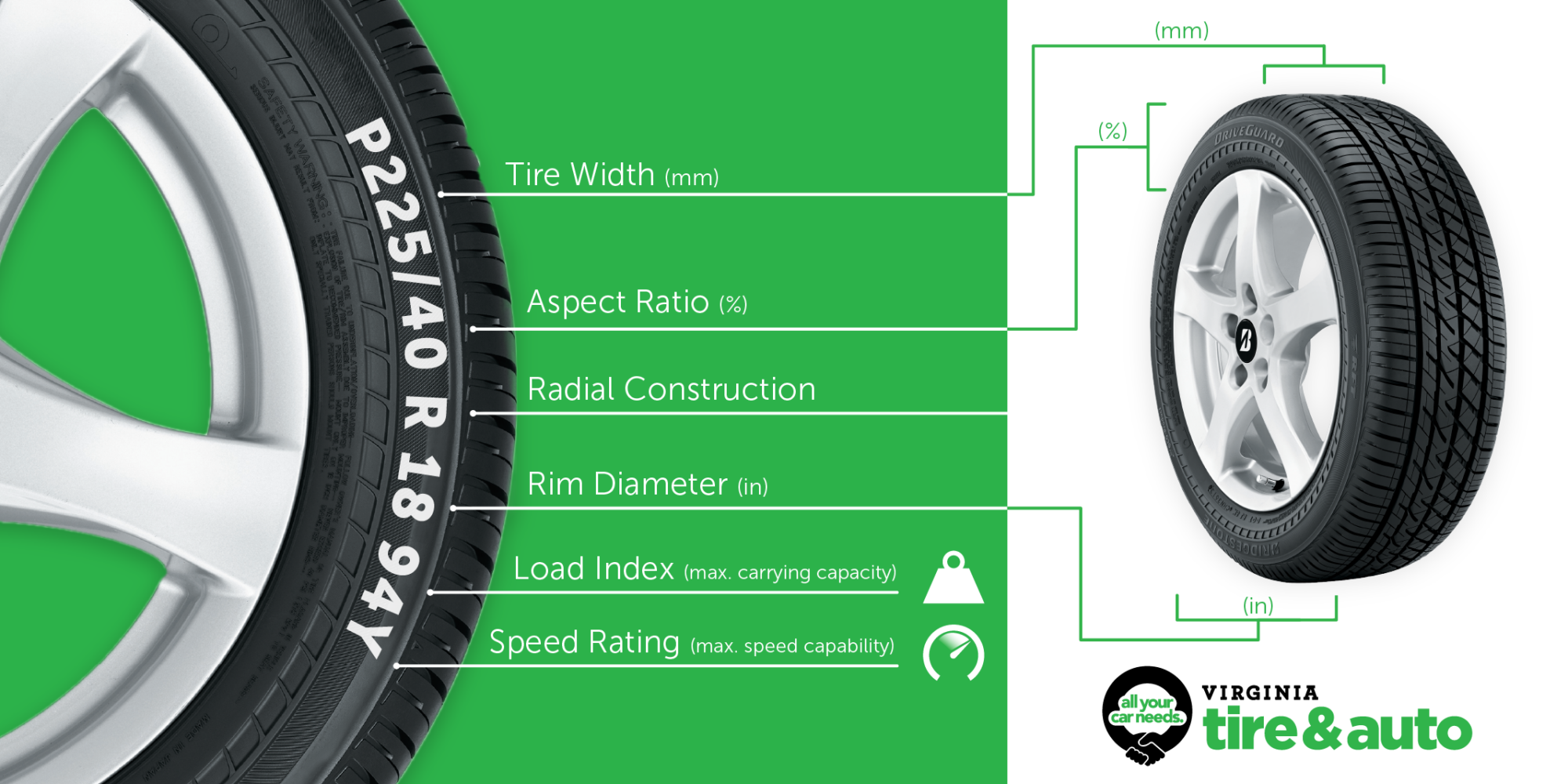
Even though “P235” is the focus, the full tire code matters. Here’s a quick look at a typical code:
P235/75R15 105S
- P: Passenger car
- 235: Width in mm
- 75: Aspect ratio (sidewall height as a % of width)
- R: Radial construction
- 15: Rim diameter in inches
- 105S: Load index and speed rating
But for this article, we’re focusing on the P235 section.
How P235 Compares To Other Tire Widths
Drivers often wonder, “Should I use a wider or narrower tire?” Here’s a comparison:
| Tire Code | Width (mm) | Typical Vehicle Type |
|---|---|---|
| P205 | 205 | Small sedan |
| P215 | 215 | Compact SUV |
| P225 | 225 | Mid-size sedan |
| P235 | 235 | Large sedan, SUV |
| P245 | 245 | Performance car |
A P235 tire is wider than most sedan tires but not as wide as those on sports cars.
Advantages Of Using P235 Tires
Choosing the right tire isn’t just about fitting your wheel. Here are some benefits of P235 tires:
- Better grip: The wide surface means more tire touches the road.
- Improved stability: Useful in corners and at higher speeds.
- More comfort: P-metric tires are usually quieter and smoother.
But remember, wider tires also mean more rolling resistance, so you might use more gas.
Common Mistakes When Choosing Tire Width
Many people make errors when replacing tires. Here are two common mistakes:
- Ignoring the owner’s manual: Your car is designed for a specific tire size. Using a much wider or narrower tire can cause problems with suspension or ABS.
- Chasing looks over safety: Wider tires might look sporty but can rub against the wheel well or affect your speedometer.
A good tip: Always match new tires to the original size, unless you know exactly how changes will affect your car.
Credit: vatire.com
How To Read The Full Tire Code
Let’s walk through a full code using P235 as an example:
- P235/75R15 105S
Here’s what each part means:
- P: Passenger car
- 235: Width in millimeters
- 75: Sidewall height (75% of 235 mm)
- R: Radial construction
- 15: Fits a 15-inch rim
- 105S: Load and speed ratings
If you only focus on P235, you’re missing important details. For example, a P235/75R15 tire is taller than a P235/60R15 tire, even though they have the same width.
Impact On Fuel Economy
Tire width has a big effect on fuel economy. Wider tires like P235 increase rolling resistance, so your engine works harder. According to the U.S. Department of Energy, every 1% increase in rolling resistance can lower fuel efficiency by 0.2%. If you switch from a P215 to a P235, you might use slightly more gas. But for some drivers, the extra grip is worth it.
Seasonal Performance Of P235 Tires
Not all tires are equal in every season. P235 tires are a good all-around size, but width matters in snow and rain.
- In winter: Narrower tires cut through snow better.
- In rain: Wider tires can hydroplane if not designed for wet grip.
If you live in a snowy area, consider winter tires in a narrower size.
Tire Width And Handling
Many drivers want a car that feels safe and confident, especially in corners. A P235 tire gives better handling than a P205 or P215, especially on dry roads. But, handling isn’t just about width. Tire tread, rubber compound, and pressure also matter. If you upgrade to a P235, be sure to check if your wheels and suspension are compatible.
P235 Tires And Ride Comfort
Some people think bigger tires always mean a rougher ride. With P235 tires, you get a balance. They’re wide enough for good grip but not so wide that the ride feels harsh. The “P” rating also means the tire is tuned for comfort, not just performance.
Are P235 Tires More Expensive?
Wider tires usually cost more. On average, a P235 tire costs about 10-15% more than a P215. But prices also depend on brand, tread pattern, and speed rating. Sometimes, the extra cost brings better safety and handling.
P235 And Tire Pressure
Tire pressure is critical for safety and performance. P235 tires often need a slightly different pressure than narrower tires. Always follow the car maker’s recommendation, not just what’s written on the tire. The wrong pressure can cause uneven wear, bad handling, and poor fuel economy.
Vehicles That Use P235 Tires
Many cars and SUVs use P235 tires. Some examples include:
- Honda CR-V (certain trims)
- Ford Explorer
- Toyota Highlander
- Chevrolet Impala (certain years)
If your car came with P235 tires, stick with that size for best results.
How To Check If P235 Is Right For Your Car
- Look in the owner’s manual: It lists approved tire sizes.
- Check the driver’s door sticker: Most cars have a label with correct tire sizes and pressures.
- Ask a tire professional: If you’re unsure, get expert advice.
Never guess tire size. The wrong size can damage your car or void warranties.
P235 Tire Load And Speed Ratings
P235 only tells you width and type, not how much weight or speed the tire can handle. Check the numbers and letters after the size (like 105S):
- Load index: How much weight each tire can carry.
- Speed rating: Maximum safe speed.
Always match or exceed your car’s requirements.
How P235 Affects Braking
Wider tires like P235 often stop shorter in dry conditions. More rubber touches the road, so there’s more grip. But in snow or ice, a narrower tire might stop faster because it cuts through the surface better.
How Long Do P235 Tires Last?
Tire life depends on driving, brand, and care. On average, a quality P235 tire lasts 40,000–60,000 miles. Rotate tires every 5,000–7,000 miles to avoid uneven wear. Regular alignment checks also help.

Credit: www.discountedwheelwarehouse.com
Are P235 Tires Good For Off-road?
For light off-roading, P235 tires can work, especially on SUVs. But for serious off-road, choose a tire designed for mud or rocks, often with a different code (like LT for Light Truck).
Example: Upgrading From P215 To P235
Some drivers want to upgrade for looks or grip. If you switch from P215 to P235 tires:
- The car feels more planted.
- Steering may feel heavier.
- The speedometer can read slightly lower.
But make sure the tire fits without rubbing and doesn’t hurt fuel economy.
Quick Reference: P235 Tire Size Conversion
If you want to know how wide P235 is in inches:
- 235 mm ÷ 25.4 = 9.25 inches
So, a P235 tire is about 9.25 inches wide.
Comparing P235 To P245
If you’re considering an even wider tire, here’s a quick look:
| Size | Width (inches) | Typical Use |
|---|---|---|
| P235 | 9.25 | Standard SUV, sedan |
| P245 | 9.65 | Performance SUV, sports sedan |
A small change in width can have a big effect on handling and looks.
How To Find P235 Tires
Most tire shops and online retailers sell P235 tires. Check for sales, but always choose a trusted brand. Cheap tires can wear out fast and may be less safe.
Is There A Downside To Wider Tires Like P235?
Wider tires offer benefits, but there are a few drawbacks:
- More expensive
- Can use more fuel
- May not perform as well in snow
Always balance your needs with your budget and driving style.
Should You Choose P235 For Your Next Tire?
If your car came with P235 tires, it’s often best to stick with them. Only change if you have a specific reason and know the effects. When in doubt, ask a tire professional.
Real-world Example: P235 On Different Cars
A Toyota Camry with P235 tires will handle differently than a Ford Explorer with the same size. Why? Suspension, weight, and wheel size all matter. The tire size is just one part of the equation.
How To Maintain P235 Tires
Regular maintenance keeps your tires safe:
- Check pressure monthly
- Rotate tires every 5,000–7,000 miles
- Get alignment checks yearly
Proper care can add thousands of miles to your tire’s life.
Upgrading Wheels: What To Watch Out For
If you want to use P235 tires with bigger or different wheels:
- Make sure the new wheel fits your car’s bolt pattern and offset.
- Check that the tire doesn’t rub when turning.
- Tell your insurance company if you change tire size.
Upgrading wheels and tires can look great, but only if done safely.
Key Takeaways
- P235 means Passenger tire, 235 mm wide.
- The right size improves safety, comfort, and handling.
- Always check your car’s manual before changing tire size.
- Tire width affects fuel economy, grip, and ride comfort.
For more about tire codes and standards, see the Wikipedia Tire Code page.
Frequently Asked Questions
What Does The “p” In P235 Mean?
The P means the tire is for passenger vehicles, like cars and small SUVs. It’s called a P-metric tire.
How Wide Is A P235 Tire In Inches?
A P235 tire is about 9.25 inches wide (235 mm divided by 25.4).
Can I Replace A P215 Tire With A P235 Tire?
Only if your car manual or a tire professional says it’s safe. A wider tire changes handling and may not fit all wheels.
Is A P235 Tire Good For Snow?
P235 tires work for most conditions, but a narrower tire often performs better in deep snow.
Do P235 Tires Fit All Cars?
No. P235 only tells the width. You must also match the rim diameter and aspect ratio to your car’s requirements.
Understanding P235 is about more than numbers—it’s about driving safely and getting the best from your vehicle. Always double-check before making changes, and enjoy the road ahead.