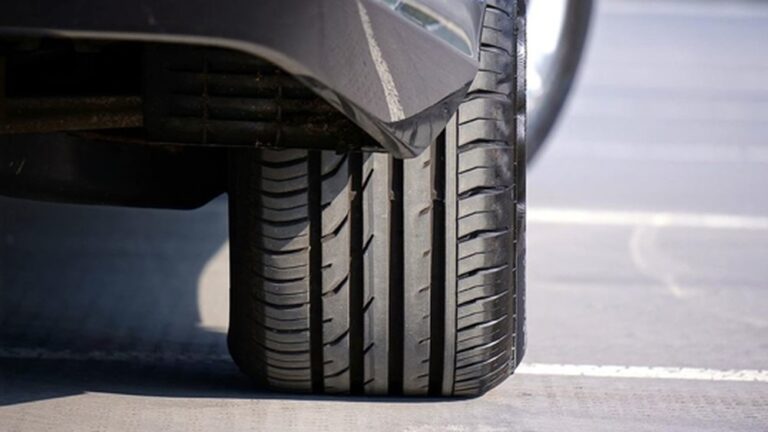
When you are shopping for new tires, you may notice codes like LT and HT on the sidewall. These two types of tires are designed for different vehicles, driving conditions, and purposes. Choosing the right one can affect your vehicle’s safety, comfort, and performance—yet many drivers are confused about what these codes really mean. Picking the wrong type can lead to poor traction, faster wear, or even safety risks. In this guide, you’ll learn exactly what LT tires and HT tires are, how they differ, and which one is best for your needs.
Let’s break down everything you need to know, using clear language and practical examples. By the end, you’ll have the confidence to make the right tire choice for your vehicle—without feeling overwhelmed by technical jargon.
What Are Lt And Ht Tires?
To make the best decision, you first need to understand what these labels mean.
LT tires stand for Light Truck tires. These are designed for vehicles that carry heavy loads, tow trailers, or travel off-road. Think of pickup trucks, large SUVs, vans, and some commercial vehicles. LT tires are built with stronger materials and thicker sidewalls to handle extra weight and tough conditions.
HT tires stands for Highway Terrain tires. These are made mainly for on-road use. They are common on SUVs, crossovers, and light trucks that spend most of their time on highways or city streets. HT tires offer a quieter, smoother ride, and better fuel efficiency compared to more rugged tires.
Why Do These Tire Types Matter?
Using the wrong type of tire can lead to problems. For example, if you put HT tires on a heavy pickup that often tows or goes off-road, you risk blowouts and fast wear. On the other hand, if you use LT tires on a small crossover, you may get a rough ride, more road noise, and lower fuel economy.
A surprising number of drivers don’t realize that the right tire type is as important as size and brand. Let’s look deeper into how these tires are constructed and what sets them apart.
Construction Differences
The way a tire is built affects everything from load capacity to comfort. Here’s how LT and HT tires differ in construction.
Lt Tire Construction
- Stronger Materials: LT tires use tougher rubber compounds and multiple layers of fabric or steel. This makes them stronger and more resistant to damage.
- Reinforced Sidewalls: The sidewalls are thicker to handle heavy loads and impacts from rocks or potholes.
- Higher Ply Ratings: Ply rating measures tire strength. LT tires usually have a higher rating (6, 8, or 10-ply), which means they can carry more weight.
- Deeper Treads: LT tires often have deeper tread patterns for better grip on mud, gravel, or snow.
Ht Tire Construction
- Lighter Materials: HT tires use lighter, softer rubber for a smooth, quiet ride.
- Thinner Sidewalls: These tires have thinner sidewalls, which makes the ride more comfortable but less resistant to heavy loads.
- Lower Ply Ratings: Most HT tires are 4-ply, enough for normal driving but not for heavy-duty use.
- Shallower Treads: The tread is designed for highways, so it’s shallower and optimized for water drainage and grip on pavement.
Here’s a quick visual comparison:
| Feature | LT Tires | HT Tires |
|---|---|---|
| Sidewall Thickness | Thick | Thin |
| Ply Rating | 6-10 Ply | 4 Ply |
| Tread Depth | Deep | Shallow |
| Rubber Compound | Harder | Softer |

Credit: www.reddit.com
Performance: Lt Vs Ht Tires
You might wonder how these construction differences affect real-world driving. Let’s compare how LT and HT tires perform in the key areas that matter most to drivers.
Load Carrying And Towing
LT tires are designed to handle heavy loads. They are the better choice if you often carry tools, equipment, or tow trailers. For example, a contractor’s pickup that hauls construction materials every day should use LT tires. They won’t squish under weight, and they’re less likely to blow out when loaded.
HT tires are not made for heavy-duty work. They’re fine for groceries, light gear, or family trips, but overloading them can cause fast wear or even failure.
On-road Comfort And Noise
HT tires win here. Their softer rubber and thinner sidewalls absorb bumps and road vibrations, giving you a smoother, quieter ride. This makes a big difference if you spend hours on highways or city streets.
LT tires can be noisy and rough, especially on pavement. The extra strength means less flexibility, so you’ll feel more bumps and hear more road noise.
Off-road And All-weather Handling
LT tires are better for off-road or rough weather. Their deep treads grip dirt, mud, and gravel. They also handle snow better than most HT tires.
HT tires are not meant for off-roading. Their shallow treads can slip on mud or loose surfaces. In winter, unless they have a specific snow rating, they may not perform well.
Fuel Efficiency
HT tires are lighter and create less rolling resistance, so your engine doesn’t work as hard. This means better gas mileage.
LT tires are heavier and tougher, so they can lower your fuel economy. The difference may be small for some, but it adds up over thousands of miles.
Tire Longevity
Many drivers assume LT tires last longer because they are tougher, but this is not always true. HT tires often last longer on pavement because they are designed for smoother roads and don’t wear out as quickly in normal use.
However, in tough conditions, LT tires outlast HT tires because they’re built for abuse.
Identifying Lt And Ht Tires: Reading The Sidewall
Tire codes can look confusing, but knowing what to look for makes it easy.
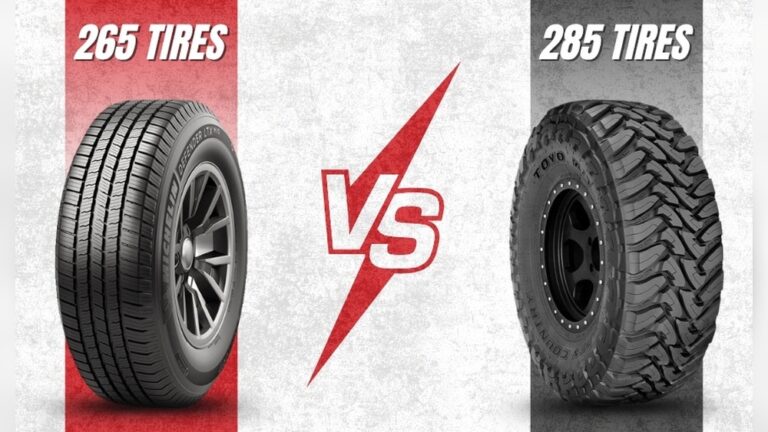
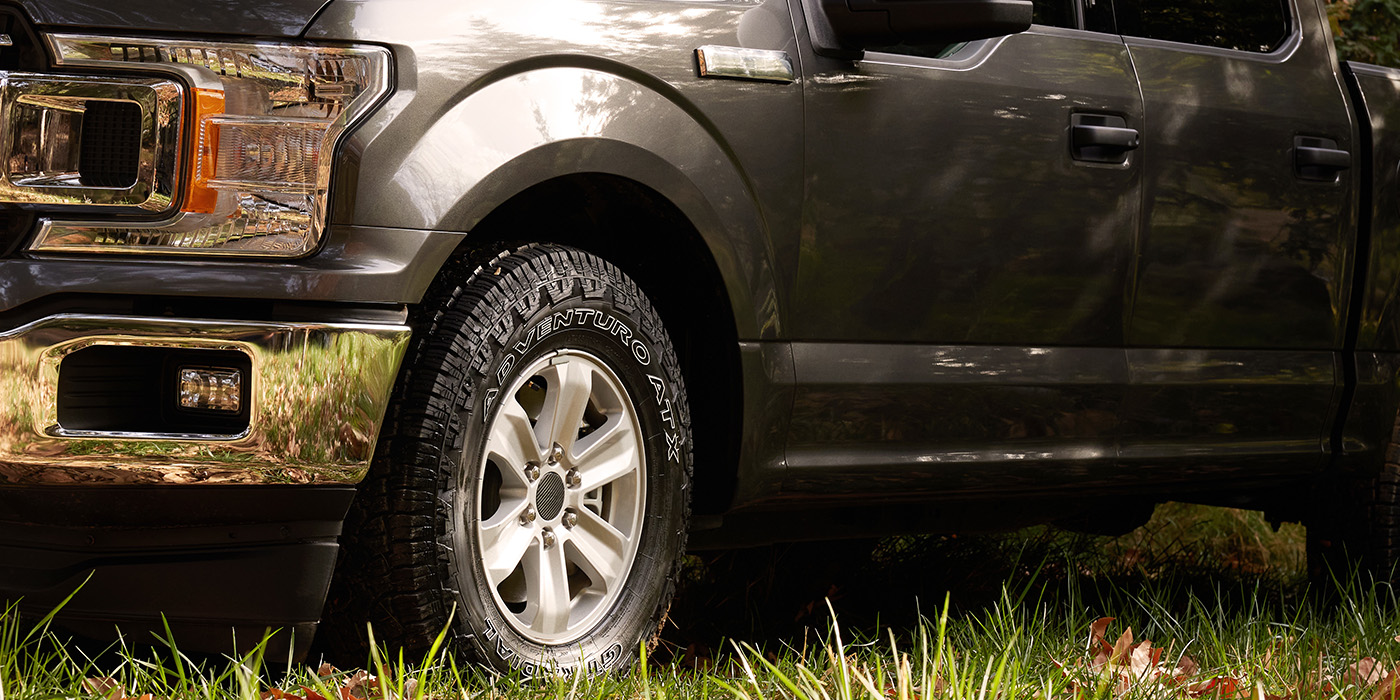
- LT tires: The letters “LT” will appear before the size (e.g., LT265/70R17).
- HT tires: “HT” may appear as part of the tire model name, but not always. The key is that they won’t have “LT” before the size—just numbers (e.g., 265/70R17).
Other useful details on the sidewall:
- Load Range (C, D, E): LT tires usually show a load range. HT tires usually don’t.
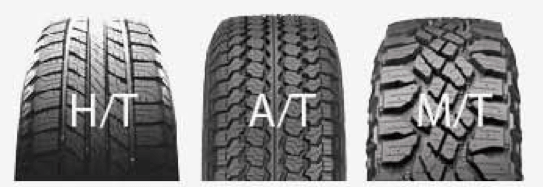
- Tread Pattern Names: HT tires often have “HT” in the name, like “Bridgestone Dueler H/T.”
Credit: www.tirereview.com
Real-world Examples
Let’s look at a few scenarios to see which tire type fits best.
- Family SUV used for highway trips: HT tires make sense. They offer comfort and better fuel economy.
- Pickup truck hauling a trailer: LT tires are a must for safety and durability.
- Crossover for city driving: HT tires will give a quiet, smooth ride.
- Work van loaded with tools: LT tires prevent blowouts and handle the weight.
- Off-road adventure vehicle: Even if you’re mainly on-road, if you often drive on rough trails, LT tires provide better grip and puncture resistance.
Cost Considerations
Price matters to most drivers. Here’s what you need to know:
- LT tires usually cost more. The extra materials and strength add to the price—often $20–$50 more per tire compared to HT tires of the same size.
- HT tires are less expensive, and because they’re lighter, they can save you money on fuel.
Remember, buying the wrong tire can cost more in the long run. For example, using HT tires for heavy towing could lead to blowouts, which are dangerous and expensive.
Here’s a quick price comparison for common sizes:
| Tire Size | LT Tire Price (Approx.) | HT Tire Price (Approx.) |
|---|---|---|
| 265/70R17 | $180–$250 | $140–$200 |
| 245/75R16 | $170–$220 | $120–$180 |
| 275/60R20 | $210–$280 | $160–$230 |
Insight: Some drivers buy LT tires “just in case.” Unless you truly need the extra strength, this means paying more for a rougher ride and lower fuel economy.
Safety Concerns: Common Mistakes
Choosing the wrong tire is more than a comfort issue—it can be dangerous. Here are common mistakes and how to avoid them:
- Using HT tires for towing or heavy loads: This can cause blowouts, especially in hot weather or at high speeds.
- Using LT tires on small SUVs or crossovers: The ride will be harsh, handling can suffer, and fuel economy drops.
- Mixing LT and HT tires: Never mix types on the same vehicle. This can cause uneven handling and unpredictable braking.
- Ignoring load ratings: Always check the load rating. Even within LT tires, some are not strong enough for every job.
Non-obvious tip: Tire pressure for LT tires is usually much higher (up to 80 psi), while HT tires often run at 35 psi. Using the wrong pressure can ruin the tire and hurt safety.
How To Choose: Lt Or Ht Tires?
The right tire depends on your vehicle and how you use it. Here are practical steps to decide:
- Check your owner’s manual: It will list what type the manufacturer recommends.
- Think about how you use your vehicle: Regular towing, heavy loads, or off-roading? Go LT. Mostly city or highway? Choose HT.
- Consider your ride comfort: If you want a smooth, quiet ride, HT tires are better.
- Look at fuel economy: HT tires save more fuel.
- Plan for weather: If you drive in snow or mud, LT tires with the right tread can help.
If you’re still unsure, ask a trusted tire dealer or mechanic. Bring details about your vehicle and how you drive.
Pros And Cons: Lt Vs Ht Tires
To help you decide, here’s a clear summary:
| Feature | LT Tires | HT Tires |
|---|---|---|
| Load Capacity | High | Medium |
| Comfort | Lower | Higher |
| Noise | Louder | Quieter |
| Fuel Efficiency | Lower | Higher |
| Price | Higher | Lower |
| Off-Road Ability | Better | Poor |
| Tread Wear (on-road) | Varies | Longer |
How Weather Affects Lt And Ht Tires
Weather plays a big role in tire performance. Here’s what to know:
- Hot Weather: LT tires handle heat better when loaded, thanks to thicker materials. HT tires may overheat if overloaded.
- Rain: Both can perform well, but HT tires often use advanced tread patterns for water drainage, reducing hydroplaning risk.
- Snow/Ice: Some LT tires have special winter treads. Most HT tires struggle unless rated for snow.
- Cold: LT tires can get stiff in extreme cold. For regular snow driving, look for tires with the “Three-Peak Mountain Snowflake” symbol.
Hidden detail: Not all LT tires are good for snow—check for the snow rating. Many drivers assume all LT tires are “all terrain,” but this is not always true.
Tire Pressure: Why It Matters
Tire pressure is not “one size fits all. ” LT tires often require much higher pressure than HT tires. This is important for safety, handling, and tire life.
- LT tires: Commonly need 50–80 psi. Check your vehicle’s door sticker or the tire sidewall.
- HT tires: Usually run at 32–36 psi.
Running LT tires at too low a pressure can cause heat build-up and failure. Running HT tires at too high a pressure makes them wear out fast and lose grip.
Non-obvious insight: Many drivers switch to LT tires but forget to change their air pressure. This mistake can ruin new tires quickly.
Lt And Ht Tire Brands And Models
Not all brands are equal. Here are some popular options you may see:
LT Tire Examples:
- BFGoodrich All-Terrain T/A KO2
- Michelin LTX A/T2
- Goodyear Wrangler DuraTrac
- Firestone Transforce AT2
HT Tire Examples:
- Michelin Defender LTX M/S
- Bridgestone Dueler H/T 684 II
- Goodyear Assurance CS Fuel Max
- Continental CrossContact LX25
Each tire model offers different strengths. For example, the Michelin Defender LTX M/S is known for quiet rides and long tread life, while the BFGoodrich KO2 is famous for off-road toughness.
Credit: www.eureka4wd.com.au
When To Switch: Signs You Need A Different Tire Type
Sometimes your needs change. Here’s when it’s time to switch:
- You start towing a trailer or carrying heavy loads regularly.
- You move from city driving to rural or off-road areas.
- Your current tires wear out too quickly or feel unsafe.
- You want better comfort for long highway trips.
Upgrading to the right type can improve safety and driving pleasure.
Environmental Impact: Lt Vs Ht Tires
Tire choice also affects the environment.
- HT tires produce less rolling resistance, which means lower CO2 emissions and better fuel economy.
- LT tires use more material and are heavier, so they use more fuel. However, if used correctly (for heavy work), they prevent accidents and waste.
Choosing the tire that fits your real needs—not just “tougher is better”—is also better for the planet.
For a deeper look at tire construction and types, you can read more at Wikipedia.
Frequently Asked Questions
What Does Lt Mean On A Tire?
LT stands for Light Truck. It means the tire is made for heavy loads, towing, and rough roads. You’ll see “LT” before the size on the sidewall.
Can I Use Lt Tires Instead Of Ht Tires On My Suv?
You can, but it’s not always a good idea. LT tires are stronger but give a rougher ride and lower fuel economy. Only use them if you carry heavy loads or go off-road.
Are Ht Tires Good For Winter Driving?
Most HT tires are not made for snow or ice. If you drive in winter, look for HT tires with a snow rating or use dedicated winter tires.
How Do I Know If I Need Lt Tires?
If you often tow, haul heavy loads, or drive on rough roads, you need LT tires. Check your vehicle’s manual for the manufacturer’s recommendation.
Is It Safe To Mix Lt And Ht Tires On My Vehicle?
No, you should never mix LT and HT tires. This can cause unsafe handling, uneven wear, and problems with braking.
Choosing between LT and HT tires doesn’t have to be confusing. Think about your vehicle, how you drive, and what you really need. The right tire will keep you safer, more comfortable, and may even save you money in the long run. Always check your owner’s manual and talk to a tire professional if you’re unsure. When you pick the right tires for your driving style and vehicle, you’ll enjoy better performance and peace of mind every time you hit the road.