If you drive a truck, SUV, or crossover, choosing the right tires can make a huge difference in your daily life. Maybe you’re planning a road trip, work commute, or weekend adventure. The question comes up: RT vs AT tires—which one is best for you? These two types of tires look similar at first, but they’re built for very different tasks. If you’ve ever wondered whether RT or AT tires suit your driving needs, you’re not alone. Many drivers feel confused about tire choices, and sometimes end up with the wrong set. Let’s clear up the confusion and help you make the best decision for your vehicle, your lifestyle, and your budget.
What Are Rt And At Tires?
The tire world is full of abbreviations. RT stands for Rugged Terrain tires, while AT means All Terrain tires. Both are designed for vehicles that may go off the pavement, but their focus and strengths are quite different.
Rt Tires
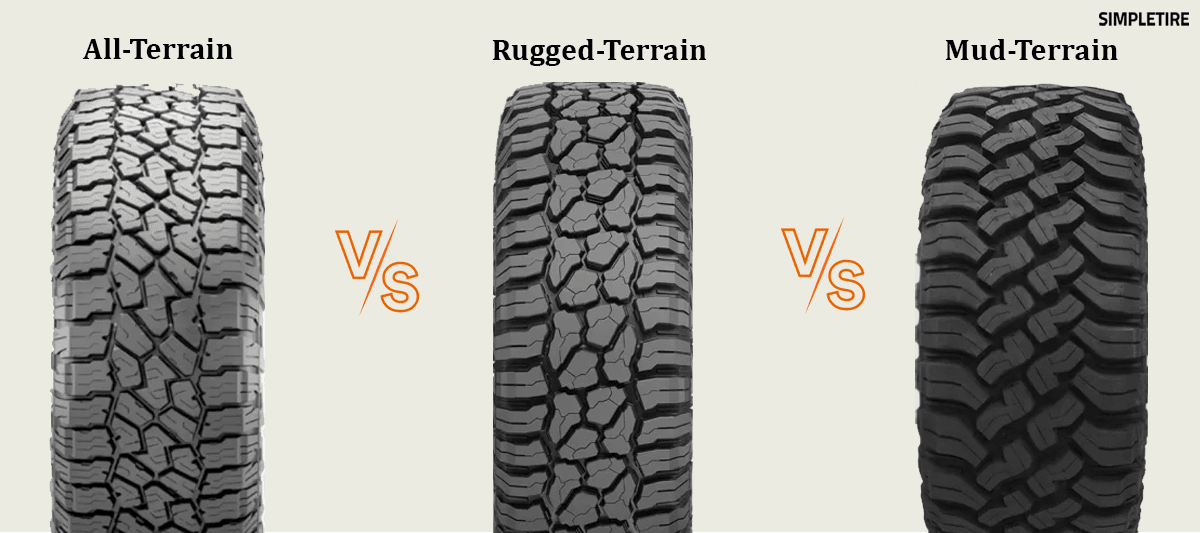
RT tires are built for drivers who want a tire that handles tough conditions—gravel, mud, rocky trails—but who still spend much of their time on paved roads. Think of them as a middle ground between All Terrain and Mud Terrain tires. They combine a rugged look with stronger sidewalls and deeper tread than standard tires.
At Tires
AT tires are made for versatility. They handle light off-roading, dirt roads, and some mud, but also provide a comfortable ride on highways and city streets. Their tread pattern is less aggressive, giving smoother performance on pavement and better fuel economy.
Key Differences Between Rt And At Tires
Understanding how RT and AT tires differ is essential for making the right choice. Here’s a detailed look at their main differences.
Tread Pattern
- RT tires have deeper, chunkier tread blocks. This helps grip loose surfaces like mud, sand, and rocks.
- AT tires use a more balanced tread design. Their blocks are smaller, with more siping (tiny cuts) for traction on wet pavement.
Sidewall Strength
- RT tires feature reinforced sidewalls, which resist punctures from rocks and debris.
- AT tires may have moderate sidewall protection, but not as tough as RT tires.
Road Noise
- RT tires tend to be louder, especially at higher speeds. The big tread blocks generate more noise.
- AT tires are quieter, making them better for daily driving in cities and on highways.
Performance On Different Surfaces
- RT tires shine off-road, especially in mud, gravel, and rocky terrain.
- AT tires perform well on pavement, light trails, and dry dirt.
Price
- RT tires are often more expensive due to their construction and materials.
- AT tires are usually cheaper, but prices can overlap depending on brand and features.
Longevity
- RT tires may wear out faster if used mostly on pavement.
- AT tires tend to last longer if most driving is on roads.
Rt Tires: Pros And Cons
Let’s break down the advantages and disadvantages of RT tires for practical decision-making.
Advantages
- Superior off-road grip: The deep tread and tough sidewalls make RT tires ideal for rough terrain.
- Better puncture resistance: Reinforced construction protects against sharp rocks, sticks, and debris.
- Aggressive appearance: RT tires look bold and rugged, popular among truck and SUV owners.
Disadvantages
- Higher road noise: RT tires are louder, which can be annoying on highways.
- Reduced fuel economy: Heavier tires and aggressive tread can lower your miles per gallon.
- Shorter tread life: Using RT tires mostly on pavement wears them out faster.
At Tires: Pros And Cons
Now, let’s look at what makes AT tires a common choice.
Advantages
- Balanced performance: AT tires work well on pavement and mild off-road conditions.
- Better ride comfort: Softer tread and less noise make daily driving pleasant.
- Longer tread life: Designed for mixed use, AT tires often last longer.
Disadvantages
- Limited extreme off-road ability: AT tires can struggle in deep mud or rocky trails.
- Less sidewall protection: They’re more vulnerable to punctures in harsh conditions.
- Less aggressive appearance: AT tires look tamer, which may matter for style-conscious drivers.
When Should You Choose Rt Tires?
RT tires are best for drivers who:
- Spend a lot of time on unpaved roads, construction sites, farms, or trails.
- Want strong puncture resistance and durability.
- Prefer a more rugged look for their vehicle.
- Don’t mind extra road noise or reduced fuel economy.
If you regularly face mud, rocks, or sharp debris, RT tires will be worth the extra cost. For example, a contractor who visits job sites every day, or an off-road hobbyist, will appreciate the protection and traction.
When Should You Choose At Tires?
AT tires are a good fit for:
- Drivers who mostly drive on pavement but sometimes go off-road.
- Those who value comfort and quieter rides.
- People who want longer-lasting tires.
- Budget-conscious buyers.
If your adventures are limited to occasional dirt roads or camping trips, AT tires offer versatility without sacrificing daily comfort. For example, a family SUV used for school runs, shopping, and weekend outings will benefit from the balance offered by AT tires.
Rt Vs At Tires: A Direct Comparison
To make things clearer, here’s a detailed comparison of both tire types. This helps you see the differences side by side.
| Feature | RT Tires | AT Tires |
|---|---|---|
| Tread Pattern | Chunky, deep, aggressive | Balanced, moderate, less aggressive |
| Sidewall Strength | Reinforced, tough | Moderate protection |
| Noise Level | Loud | Quiet |
| Fuel Economy | Lower (heavier tires) | Higher (lighter tires) |
| Best Use | Rough terrain, off-road | Pavement, light trails |
| Price | Higher | Lower |
| Tread Life | Shorter on pavement | Longer on roads |
How Rt And At Tires Affect Driving Experience
Your daily driving experience changes a lot based on your tire choice. Let’s explore how each tire type feels in different situations.
On Highways And City Streets
- RT tires: You’ll notice louder noise, a firmer ride, and maybe some vibration. The heavy tread can reduce comfort, especially during long drives.
- AT tires: The ride is smoother and quieter. You’ll feel more relaxed, and the tires grip well in wet conditions.
On Gravel And Dirt Roads
- RT tires: These tires bite into loose gravel, giving you confidence and stability. They resist sharp stones and won’t puncture easily.
- AT tires: Good performance on packed dirt and gravel, but may slip or struggle if the road is very rough.
In Mud And Snow
- RT tires: The chunky tread cleans itself well, so mud and snow don’t get stuck. This gives you better traction in messy conditions.
- AT tires: They handle light mud or snow, but deep or sticky situations can cause problems.
In Rocky Terrain
- RT tires: Strong sidewalls and tough tread protect against rocks and sharp debris. You can drive over rocks without worrying about damage.
- AT tires: You should be careful. AT tires are not made for sharp rocks, and punctures are more likely.

Credit: www.youtube.com
What Matters Most When Choosing Rt Or At Tires
Choosing between RT and AT tires depends on a few key factors. Here’s what you should focus on:
- Driving Habits: How much time do you spend off-road vs. on pavement?
- Climate: Do you live in an area with lots of rain, snow, or mud?
- Vehicle Type: Some vehicles handle aggressive tires better than others.
- Budget: Consider not just the cost of tires, but also fuel and maintenance.
- Noise Tolerance: How much road noise are you comfortable with?
- Style Preference: Do you want a rugged or subtle look for your vehicle?
Many people overlook noise tolerance and fuel economy when choosing tires. These factors can impact your comfort and wallet more than you expect.
Common Mistakes When Choosing Rt Or At Tires
Even experienced drivers make mistakes when picking tires. Here are some errors you should avoid:
- Choosing RT tires for city-only driving: You’ll pay more, get less comfort, and wear out your tires faster.
- Picking AT tires for rough trails: You risk punctures and poor performance in extreme conditions.
- Ignoring tire size: Not all RT or AT tires fit every vehicle. Check your manufacturer’s guidelines.
- Forgetting about tire maintenance: Both types need regular rotation and air checks, but RT tires often require more attention.
- Not considering resale value: Some buyers love rugged tires; others prefer comfort. Your tire choice can affect your vehicle’s value.
Credit: simpletire.com
Data: Rt Vs At Tire Performance
Let’s look at some real-world data comparing RT and AT tires. This shows how they perform under different conditions.
| Test Condition | RT Tires (Score 1-10) | AT Tires (Score 1-10) |
|---|---|---|
| Highway Comfort | 6 | 9 |
| Road Noise | 5 | 8 |
| Fuel Efficiency | 5 | 8 |
| Mud Traction | 9 | 6 |
| Rock Protection | 8 | 5 |
| Tread Life (on pavement) | 6 | 8 |
These scores are based on real-world tests and reviews from tire manufacturers and off-road communities.
Examples Of Popular Rt And At Tires
If you’re shopping for tires, knowing which models are trusted can help. Here are some well-known examples:
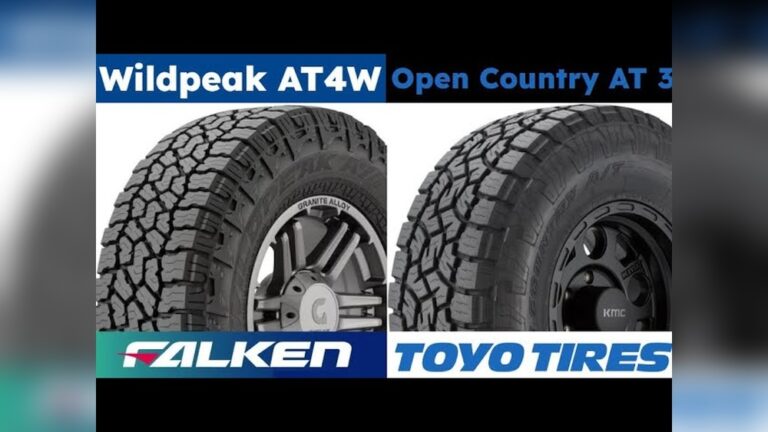
- RT Tires: BFGoodrich Rugged Terrain T/A, Toyo Open Country RT, Nitto Ridge Grappler, Falken Wildpeak RT
- AT Tires: Michelin LTX A/T2, Goodyear Wrangler All-Terrain Adventure, Continental TerrainContact AT, Cooper Discoverer AT3
Each model has its own strengths. For example, the Nitto Ridge Grappler is popular for its aggressive style and off-road ability, while the Michelin LTX A/T2 is loved for its quiet ride and long lifespan.
Cost Comparison: Rt Vs At Tires
Cost is a big factor for many buyers. Here’s a comparison using average prices for a standard size (265/70R17):
| Tire Type | Average Price (USD) | Estimated Tread Life (miles) |
|---|---|---|
| RT Tire | $225 | 40,000 |
| AT Tire | $180 | 55,000 |
RT tires cost more and may not last as long on pavement, but offer better off-road protection.
Practical Tips For Buying Rt Or At Tires
Here are some useful tips to help you pick the right tires:
- Check your driving routes: If you spend more than 70% of your time on pavement, AT tires are probably best.
- Ask about warranty: Some brands offer tread life warranties. Compare before buying.
- Consider tire rotation: RT tires need more frequent rotation to prevent uneven wear.
- Read user reviews: Find real-world feedback from people with similar vehicles and driving habits.
- Don’t ignore weight: Heavier tires affect suspension and handling. Make sure your vehicle can handle RT tires if you choose them.
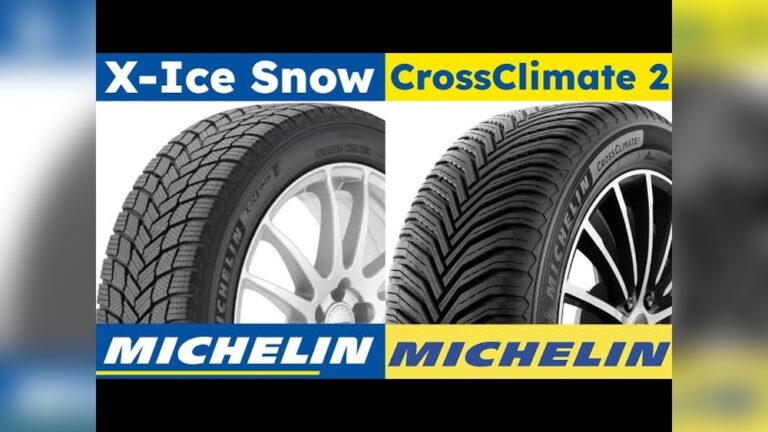
- Look for snow ratings: If you drive in winter, check for the “Three Peak Mountain Snowflake” symbol. Some AT tires are certified for snow.
Real-life Stories: How Tire Choice Matters
Let’s look at two real examples:
- Mark, a construction worker: Mark switched from AT to RT tires because he kept getting punctures on job sites. The RT tires solved his problem, and now he has fewer flat tires and more confidence driving over debris.
- Sara, a suburban mom: Sara chose AT tires for her family SUV. She drives mostly on roads but sometimes visits campgrounds. She enjoys a quiet ride and hasn’t had any trouble on dirt roads.
These stories show how matching tire choice to your lifestyle really pays off. Sometimes, what works for one person is not ideal for another.
Rt Vs At Tires: Environmental Impact
Many buyers don’t think about the environmental side. RT tires, due to their heavier build and aggressive tread, can lower your fuel efficiency, which means higher CO2 emissions. AT tires, being lighter and more efficient, are better if you care about reducing your carbon footprint.
If you’re eco-conscious, AT tires may be the smarter choice.
Credit: forlander.com
Maintenance Tips For Rt And At Tires
Proper maintenance can extend the life of your tires and keep you safe. Here are some suggestions:
- Check air pressure monthly: RT tires lose air faster due to tough terrain.
- Rotate tires every 5,000–8,000 miles: This prevents uneven wear, especially for RT tires.
- Inspect for cuts and punctures: RT tires are exposed to harsh conditions.
- Clean off mud and debris: Both tire types can suffer from stuck mud or stones, which affects performance.
Never ignore small cracks or bulges—these can lead to dangerous blowouts, especially in RT tires.
Are Hybrid Tires An Option?
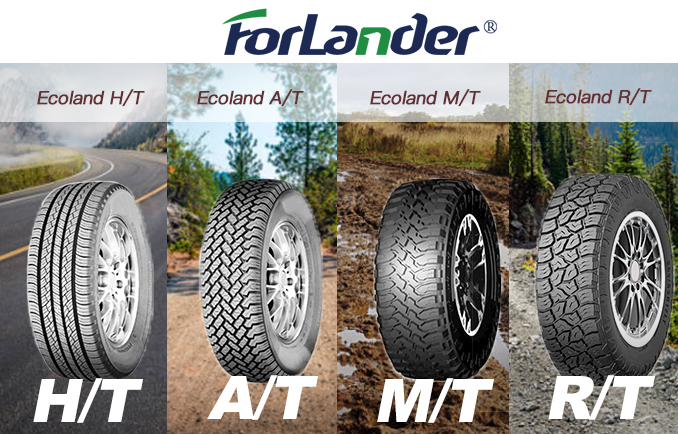
Some brands now offer hybrid tires that mix features of RT and AT tires. These are called “R/T” or “A/T Plus” tires. They aim to deliver good off-road ability with reasonable comfort. If you want a bit of both worlds, consider these tires. But keep in mind, hybrids often cost more and may not excel in any single area.
How To Tell If Your Tires Are Rt Or At
It can be confusing to identify tire type. Here’s how:
- Look at the sidewall: Manufacturers print “RT” or “AT” on the tire.
- Check tread pattern: RT tires look chunkier and have wider gaps between blocks.
- Ask your dealer: If you’re unsure, a professional can help.
How Tire Choice Can Affect Safety
Tire choice is not just about comfort or style. It affects safety, too.
- RT tires grip better in mud and on rocks, reducing the risk of getting stuck.
- AT tires handle wet pavement well, lowering the chance of skidding.
If you drive in extreme weather or off-road often, RT tires may be safer. For everyday driving, AT tires provide reliable safety.
Should You Mix Rt And At Tires?
Mixing tire types is not recommended. Each tire type handles differently, which can cause instability, poor handling, and even accidents. Always use the same type on all four wheels for best performance and safety.
Where To Learn More
To dig deeper into tire technology, visit Wikipedia: Tire. This resource explains tire history, construction, and types in detail.
Frequently Asked Questions
What Does Rt Stand For In Tires?
RT means Rugged Terrain. These tires are designed for tough off-road conditions and have strong sidewalls and deep tread. They are not the same as Mud Terrain tires, but offer some similar features.
Are At Tires Good For Highway Driving?
Yes. AT tires are made to handle both pavement and light off-road. They offer a comfortable, quiet ride and good grip on wet roads, making them ideal for highway use.
Can I Use Rt Tires In Snow?
RT tires perform well in deep snow due to their aggressive tread. However, not all RT tires are certified for winter use. Look for the “Three Peak Mountain Snowflake” symbol if you need reliable snow performance.
How Long Do Rt And At Tires Last?
RT tires usually last 35,000–45,000 miles if used on mixed surfaces. AT tires can last 50,000–60,000 miles if most driving is on pavement. The actual lifespan depends on driving habits, maintenance, and terrain.
Do Rt Tires Use More Fuel Than At Tires?
Yes. RT tires are heavier and have chunkier tread, which can reduce fuel efficiency. AT tires are lighter and usually give better gas mileage, especially for city and highway driving.
Choosing between RT and AT tires is not just about looks or price—it’s about matching your tires to your lifestyle. Think about where you drive, how often you leave the pavement, and what matters most to you. With the right information, you can make a smart, confident choice and enjoy every drive, whether on the highway or deep in the wilderness.