Do Larger Tires Affect Gas Mileage?
Many car owners consider upgrading to larger tires for a sportier look, better off-road ability, or improved handling. But one big question often comes up: do larger tires affect gas mileage? The answer is yes—changing tire size can have a real impact on how much fuel your vehicle uses. The effect depends on many factors, from your car’s engine power to tire weight and even where you drive.
If you’re thinking about new tires or just curious about the science, this guide breaks down everything you need to know. You’ll learn what changes when you install bigger tires, why it matters for fuel economy, and how to make smart choices for your car.
How Tire Size Affects Gas Mileage
Tires are more than just rubber; they’re a key part of how your car moves. When you change their size, several things happen:
- Rolling resistance increases: Larger tires create more surface area touching the road. This increases rolling resistance, which is the force your engine needs to keep the tires turning. More resistance means your engine must work harder, which uses more fuel.
- Weight goes up: Bigger tires usually weigh more. Heavier tires add to your car’s “unsprung weight”—the mass not supported by the suspension. Extra weight needs more energy to move, reducing fuel efficiency.
- Odometer and speedometer changes: When you install larger tires, your car’s odometer and speedometer can become inaccurate. This happens because the tires travel farther with each rotation, so your car may think you’ve gone less distance than you really have.
- Gear ratio mismatch: Your vehicle’s transmission and gear ratios are set for a certain tire size. Larger tires can make your engine run at lower RPMs for the same speed, which sometimes saves fuel on highways but hurts city mileage and acceleration.
- Aerodynamics: If your new tires are also wider, your car can face more wind resistance, especially at higher speeds. This extra drag means your engine needs to burn more fuel to maintain speed.
Real-world Data: How Much Does Gas Mileage Drop?
Not all tire changes cause the same drop in gas mileage. The effect depends on how much larger the tires are, how much extra weight they add, and your driving style.
Here’s a summary of what studies and car experts have found:
- Small size increase (1-2 inches): Most drivers see a drop of 1-3% in fuel efficiency.
- Medium increase (3-4 inches): The reduction can reach 5-8%.
- Large jump (over 4 inches): In some cases, drivers lose 10% or more of their miles per gallon (mpg).
For example, a pickup truck getting 20 mpg with factory tires may drop to 18 mpg after switching to tires that are 4 inches larger and much heavier.
Below is a comparison of estimated mpg drops with different tire size changes:
| Tire Size Change | Estimated MPG Drop | Example Vehicle |
|---|---|---|
| +1 inch diameter | 1-2% | Honda Civic |
| +2 inches diameter | 2-4% | Toyota Camry |
| +4 inches diameter | 8-10% | Ford F-150 |
Remember, these numbers are averages. Actual results may vary based on tire brand, tread type, and how you drive.
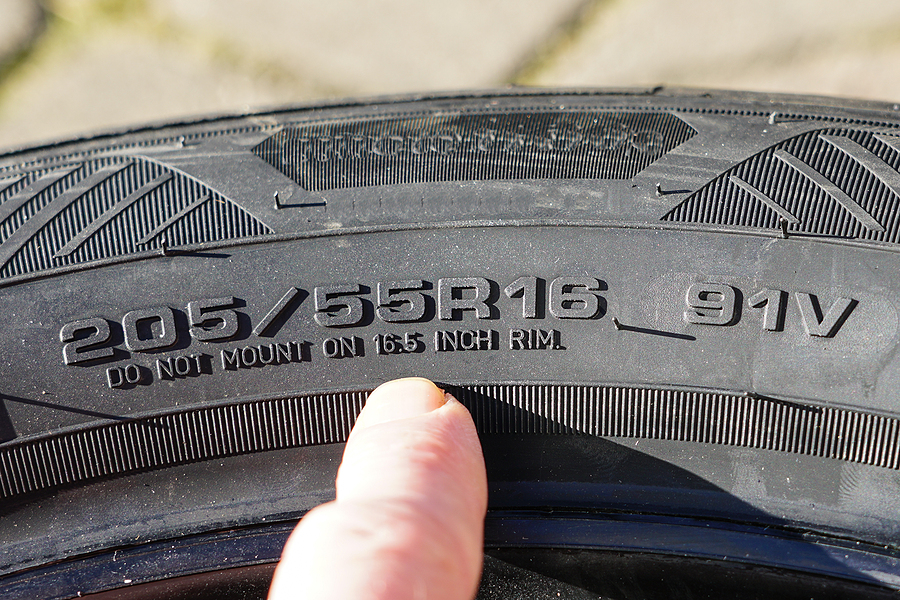
Credit: www.autohausdierolf.com
Why Do People Choose Larger Tires?
Knowing there’s a fuel cost, why do drivers still upgrade? There are valid reasons:
- Off-road performance: Larger tires help trucks and SUVs handle rough terrain and obstacles.
- Aesthetics: Many people like the bold, aggressive look of bigger tires.
- Increased ground clearance: This helps prevent damage to the underside of the car, especially for off-roaders.
- Better traction: Wider tires can give more grip, especially in mud or snow.
However, these benefits come with trade-offs. Understanding the full picture helps you make smarter decisions.
The Science Behind Rolling Resistance
You often hear the term rolling resistance when talking about tires and fuel economy. But what does it mean?
Rolling resistance is the force needed to keep a tire moving at a steady speed. Several factors affect it:
- Tire size: Larger tires have a bigger contact patch, increasing resistance.
- Tread pattern: Aggressive, off-road treads increase rolling resistance compared to smoother, road-focused designs.
- Tire pressure: Lower pressure increases resistance, while proper inflation keeps it low.
A key insight: Sometimes, people forget that even a small drop in tire pressure (just a few PSI) can increase rolling resistance as much as a size upgrade. So, always keep tires properly inflated, no matter their size.

Credit: www.youtube.com
Weight And Rotational Mass
When you think about weight, it’s not just about how heavy a tire is. Rotational mass is especially important.
- Rotational mass: Heavier tires take more energy to spin up from a stop. This affects acceleration and city fuel economy more than highway driving.
- Unsprung weight: Heavy tires, wheels, and brakes are not supported by the suspension. More unsprung weight reduces comfort and handling, and demands more fuel.
A practical example: Upgrading to larger, heavier wheels and tires can add 10-20 pounds per corner. That’s like carrying an extra 40-80 pounds all the time—except it’s worse, because it’s harder to spin.
How Gear Ratios And Engine Power Matter
Your car’s gear ratios and engine size were designed for a certain tire diameter. Changing tire size changes the way your car accelerates and how hard the engine works at different speeds.
- Lower RPM at highway speeds: Larger tires can make your engine run at lower revolutions per minute (RPM) on the highway. Sometimes this helps fuel economy a little at steady speeds.
- Slower acceleration: Bigger tires make it harder for your car to accelerate from a stop. This uses more fuel in city driving.
- Transmission strain: In automatic cars, the transmission might “hunt” for the right gear, shifting more often or holding a lower gear, which hurts fuel economy.
A common mistake is thinking bigger tires always save fuel at high speed. In reality, unless your engine is already revving too high on the highway, the difference is minor or negative.
Credit: www.sunautoservice.com
Effects On Odometer And Speedometer
Larger tires don’t just change how your car drives—they also change what your dashboard tells you.
- Odometer underreports mileage: With larger tires, your odometer shows fewer miles than you actually travel.
- Speedometer reads low: You may be driving faster than your speedometer shows.
For example, if your stock tires are 27 inches in diameter and you switch to 30-inch tires, your odometer and speedometer will be off by about 10%. This matters for tracking fuel economy and avoiding speeding tickets.
Here’s a simple comparison of the difference:
| Tire Diameter (inches) | Actual Speed (mph) | Speedometer Reads (mph) |
|---|---|---|
| 27 | 60 | 60 |
| 30 | 60 | 54 |
If you don’t recalibrate your car’s systems, it’s easy to get inaccurate mpg readings.
The Role Of Tire Width And Tread Pattern
Most people focus on diameter, but tire width and tread pattern also matter for fuel economy.
- Wider tires: These have more surface area touching the road. They give better grip but create more rolling resistance, which hurts mpg.
- Aggressive tread: Off-road or mud tires have deep, chunky patterns that increase resistance and noise, lowering fuel efficiency.
- All-season tires: These often strike a balance, offering decent grip without too much extra resistance.
It’s possible to get larger tires that are not much wider than stock, which can help limit the fuel economy drop.
Highway Vs. City Driving: What Changes?
The impact of larger tires on gas mileage can depend on where you drive most:
- City driving: The extra weight and resistance of big tires make stop-and-go traffic less efficient. You’ll notice a bigger mpg drop in the city.
- Highway driving: Sometimes, larger tires lower engine RPM at steady speed. But if they’re much wider or have aggressive tread, wind and rolling resistance can cancel out this benefit.
An insight many beginners miss: If your driving is mostly city, the fuel penalty for large tires is usually higher than for drivers who do mostly highway miles.
Can You Minimize The Gas Mileage Loss?
If you want the look or performance of larger tires but care about fuel economy, there are ways to limit the impact.
- Choose lightweight wheels: Many aftermarket wheels are heavier than stock. Go for lighter alloys to offset the extra tire weight.
- Stick to moderate size increases: Jumping up 1-2 inches in diameter and width is better than a huge leap.
- Pick low rolling resistance tires: Some tire brands offer “eco” versions that help save gas.
- Keep tires properly inflated: Always run at the recommended pressure to reduce rolling resistance.
- Regear your differential: For trucks and Jeeps, changing the gear ratio can restore lost power and improve mpg after a big tire upgrade.
Real-world Example: Pickup Truck Tire Upgrade
Let’s look at a real case. A driver owns a 2018 Ford F-150, getting 20 mpg combined with stock 31-inch tires. He upgrades to 35-inch all-terrain tires and heavier wheels.
After the change:
- Average mpg drops to 17 (a 15% decrease)
- Speedometer reads low by 10%
- The truck feels slower to accelerate
- Highway mpg drops less than city mpg
This shows how a big tire upgrade can have a real effect, especially on city driving and overall mpg.
Common Myths And Mistakes
It’s easy to find myths about tires and gas mileage:
- “Larger tires always save fuel at highway speed.” Not true unless your engine is over-revving with stock tires.
- “Bigger is always better off-road.” Sometimes, very large tires can hurt performance if your engine can’t handle the extra weight.
- “Any tire upgrade ruins mpg.” Moderate, careful upgrades often have a small impact.
A mistake many drivers make: Not adjusting their driving habits after a tire upgrade. With heavier, larger tires, aggressive acceleration and braking waste even more fuel.
When Larger Tires Make Sense (and When They Don’t)
Larger tires can be a good choice if:
- You need more ground clearance for off-roading.
- You want a specific look and accept the mpg loss.
- Your local roads demand tougher, bigger tires.
But if you mostly do city driving and care about fuel efficiency, it’s often better to stay close to your car’s original tire size. Always consider the full cost—fuel, handling, comfort, and speedometer accuracy—before making a change.
Expert Tips For Choosing The Right Tire Size
- Check your owner’s manual: It lists recommended tire sizes for safety and performance.
- Use tire size calculators: These help predict changes to speedometer and odometer readings.
- Ask a trusted mechanic: They can advise on what works best for your specific vehicle and needs.
- Balance looks and function: Sometimes a small size increase gives the look you want with only a minor mpg penalty.
Frequently Asked Questions
Do Larger Tires Always Decrease Gas Mileage?
Most of the time, yes. Larger tires usually increase weight and rolling resistance, causing a drop in mpg. The effect depends on how much bigger the new tires are and your driving style.
How Much Does Gas Mileage Drop With Bigger Tires?
A small increase (1-2 inches) may lower mpg by 1-3%. A bigger jump (3-4 inches or more) can cut fuel economy by 5-10% or higher, especially with heavy, aggressive tires.
Can I Fix My Speedometer After Upgrading Tire Size?
Yes. Many shops can recalibrate your speedometer and odometer for the new tire size. Some modern cars let you do this through onboard settings.
Do Wider Tires Affect Fuel Economy As Much As Taller Tires?
Both width and height matter. Wider tires increase rolling resistance, while taller tires change gear ratios and weight. The overall mpg drop depends on both factors together.
Are There Tires That Improve Gas Mileage?
Yes. Some tires are designed with low rolling resistance to help save fuel. These are often found on hybrids and economy cars. For more, see Low Rolling Resistance Tire.
Changing tire size affects more than just how your car looks. It can change your gas mileage, how your car drives, and even what your dashboard tells you. By understanding the facts, you can make a smarter choice that fits your needs and driving habits.