When you’re deciding between Michelin tires and Pirelli tires, it’s not just about picking any rubber for your wheels. These two brands have shaped the global tire market for over a century, earning reputations for quality, innovation, and performance. Yet, even experienced drivers can feel unsure about which is actually better for their vehicle and driving style. Are you searching for longer tread life, better grip on wet roads, or a more comfortable ride? Maybe you want to know which brand offers better value for your money or which is best for winter driving. This article will help you understand the real differences between Michelin and Pirelli, so you can make a smart, confident choice. We’ll compare their histories, technology, performance, durability, pricing, and more. Even if you’re not a tire expert, you’ll finish with a clear idea of which brand suits your needs best.
Brand Backgrounds: Michelin And Pirelli
Michelin is a French company founded in 1889. Over the years, Michelin has become a global leader in tire manufacturing and innovation. They are known for developing the first removable pneumatic tire, run-flat technology, and the energy-saving Green X label. Michelin tires are used in Formula 1, endurance racing, and everyday vehicles worldwide.
Pirelli is an Italian brand established in 1872. Famous for its involvement in motorsports, especially as the exclusive tire supplier for Formula 1 since 2011, Pirelli focuses on high-performance tires and premium vehicles. The brand is associated with luxury, speed, and cutting-edge design, often chosen by car manufacturers like Ferrari, Lamborghini, and Maserati.
Both companies operate worldwide, with strong research and development teams and a history of innovation. However, their approaches and priorities often differ.
Product Range And Target Audience
Michelin offers a wide variety of tires. Their catalog covers passenger cars, SUVs, trucks, bicycles, motorcycles, and even airplanes. Michelin’s range includes all-season, summer, and winter tires. They also make specialty products for energy efficiency and long mileage. Their products target everyone from average drivers to professional racers.
Pirelli is more focused on the premium and high-performance market. While they do make tires for daily drivers, their reputation is built on ultra-high-performance, sports, and luxury car tires. Pirelli’s product range is smaller but highly specialized, catering to drivers who want the best handling, speed, and style.
If you drive a regular sedan or want maximum mileage, Michelin likely offers more options. If you drive a high-performance car or value sporty aesthetics, Pirelli may be more appealing.
Tire Technology And Innovation
Michelin is known for several important innovations. Their EverGrip technology helps maintain traction as the tire wears down. Michelin also introduced the Pilot Sport series, which is a favorite among sports car owners. For fuel efficiency, their Energy Saver line uses low rolling resistance compounds, which can improve gas mileage by up to 7% compared to standard tires.
Pirelli’s most famous technology is the P Zero line, designed for the highest levels of grip and precision. The Seal Inside feature lets you keep driving even after a puncture, preventing air loss. Pirelli also offers the Noise Cancelling System (PNCS), which reduces road noise for a quieter ride—especially useful for high-end, luxury cars.
Both brands invest heavily in R&D, but Michelin’s focus is often on safety, efficiency, and longevity. Pirelli’s focus is on performance, sportiness, and driving pleasure.
Performance: Handling, Traction, And Comfort
How Do These Brands Compare In Real-world Driving?
Handling
Michelin tires tend to have predictable, stable handling. Their tread patterns and rubber compounds are designed for balanced performance, making them ideal for city driving, long road trips, and wet roads. For example, the Michelin Pilot Sport 4S is praised for its precise steering and confidence during high-speed cornering.
Pirelli tires, especially in the P Zero series, are famous for their sharp, sporty handling. They offer excellent grip and rapid response, which is perfect for aggressive drivers and high-performance cars. However, some drivers find Pirelli tires a bit harsher on rough roads compared to Michelin.
Traction
Michelin is strong in both dry and wet traction. The brand consistently scores high in independent tests for braking distance and grip on wet roads. Their CrossClimate all-season tire is one of the best for year-round safety in variable climates.
Pirelli also delivers excellent traction, especially on dry roads. Their summer and performance tires are optimized for warm weather and spirited driving. However, some Pirelli models may not perform as well in heavy rain or snow as Michelin’s top all-season and winter tires.
Comfort
Michelin is known for comfort. Their tires often absorb bumps and road imperfections better, resulting in a smoother, quieter ride. Many touring and all-season Michelin tires use advanced rubber compounds and noise-reducing tread patterns.
Pirelli, on the other hand, prioritizes feedback and sportiness. While their premium models include noise-canceling technology, the ride can feel firmer—something that performance drivers often prefer.
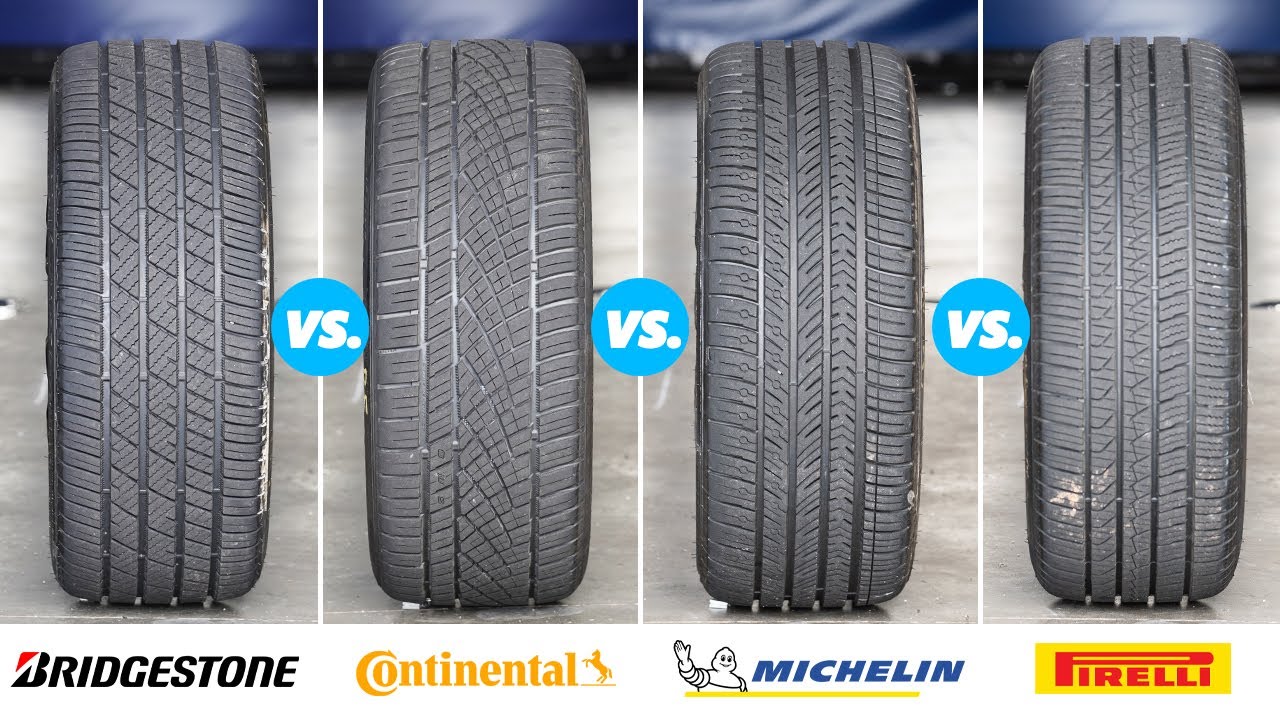
Credit: www.youtube.com
Durability And Tread Life
Tire longevity is a top concern for most drivers. Michelin is famous for producing tires that last longer than average. For example, the Michelin Defender T+H is rated for up to 80,000 miles, and many users report even better results. Michelin often backs their tires with longer treadwear warranties—sometimes up to 90,000 miles for specific models.
Pirelli tires, especially performance-focused models, usually have shorter lifespans. High-performance tires use softer rubber compounds for better grip, but these wear out faster. A typical Pirelli P Zero may last between 25,000 to 40,000 miles, depending on driving habits. However, Pirelli’s all-season and touring models are improving, with some now offering competitive treadwear warranties.
A look at typical treadwear warranties:
| Brand | Model | Warranty (Miles) |
|---|---|---|
| Michelin | Defender T+H | 80,000 |
| Michelin | Pilot Sport 4S | 30,000 |
| Pirelli | P Zero All Season Plus | 50,000 |
| Pirelli | Cinturato P7 | 70,000 |
If you value longevity, Michelin often gives you more miles per dollar.
Price And Value
Both Michelin and Pirelli are premium brands, but there are clear differences in pricing and overall value.
Michelin tires are usually priced at the higher end, but many drivers see this as a smart investment due to their long lifespan and balanced performance. For example, a set of Michelin Defender T+H tires can cost between $500–$700 for a standard sedan, but their long tread life and fuel savings offset the initial price.
Pirelli tires are also premium-priced, especially in the P Zero and Cinturato ranges. Sports and luxury car owners often accept the higher prices for the performance benefits. However, Pirelli’s more affordable models, like the P4 Four Seasons Plus, offer strong value for everyday drivers who want a touch of Italian style without breaking the bank.
To give you a real-world idea, here’s a price comparison for popular models in standard sedan sizes (205/55R16):
| Tire | Approximate Price (each) | Type |
|---|---|---|
| Michelin Defender T+H | $130–$150 | All-season |
| Michelin Pilot Sport 4S | $180–$210 | Performance summer |
| Pirelli Cinturato P7 | $120–$140 | Touring summer |
| Pirelli P Zero | $160–$200 | Performance summer |
Prices can change based on location, retailer, and time of year, but this gives a general sense. Michelin usually justifies their price with longer life and warranty, while Pirelli’s value is often linked to driving excitement and brand prestige.
Wet And Winter Performance
Choosing the right tire for rain and snow is critical for safety.
Michelin has a strong reputation for wet performance. Their CrossClimate and Premier A/S models consistently win awards for short braking distances and hydroplaning resistance. For winter, the Michelin X-Ice Xi3 is a favorite, offering excellent traction on snow and ice and a long lifespan.
Pirelli’s Cinturato Winter and Scorpion Winter models are engineered for cold climates and provide strong grip in snow and slush. However, Pirelli’s winter tires are often more performance-oriented, meaning they give the driver more road feel but may wear slightly faster.
One insight many drivers miss: All-season tires from both brands are not the same as dedicated winter tires. If you live in an area with harsh winters, a true winter tire (with the mountain/snowflake symbol) is much safer. Michelin tends to offer more options in this category, but Pirelli’s winter tires are catching up fast.
Road Noise And Comfort
Michelin invests heavily in comfort and noise reduction. Many models use special tread patterns and foam layers to reduce vibration and road noise. The Primacy MXM4 and Defender T+H are especially quiet, making them ideal for long drives and family cars.
Pirelli’s Noise Cancelling System is a standout in luxury and high-performance tires. The technology uses a layer of sound-absorbing foam inside the tire, which cuts cabin noise by up to 3 decibels. However, this feature is mostly available on the high-end P Zero range.
If a quiet, comfortable ride is your top priority, Michelin offers more options across their product range. Pirelli excels in sporty, luxury applications, but may not always be the quietest choice for regular sedans or crossovers.
Eco-friendliness And Fuel Efficiency
Michelin is a leader in sustainability. Their Energy Saver and Primacy lines are engineered for low rolling resistance, which can improve fuel economy by up to 7%. Michelin also invests in renewable materials and has a goal to make all tires from sustainable sources by 2050.
Pirelli also focuses on green technology, with the Cinturato range designed for reduced rolling resistance and lower CO2 emissions. However, the brand’s main focus is still on performance, so their eco-friendly options are less widespread than Michelin’s.
An interesting fact: Many drivers forget that tire pressure and alignment affect fuel efficiency as much as the tire brand. Keeping your tires properly inflated can boost gas mileage and extend tire life, no matter which brand you choose.
Motorsports And Oem Partnerships
Both Michelin and Pirelli have deep roots in motorsport, but their approaches differ.
Michelin participates in endurance racing (like Le Mans), MotoGP, and rally championships. Their focus is on durability, consistent performance, and safety at high speeds. Michelin’s motorsport technology often finds its way into regular passenger tires, especially the Pilot Sport and Primacy series.
Pirelli is the official tire supplier for Formula 1. Their tires are designed for maximum grip and fast lap times. Pirelli also has strong relationships with high-end car manufacturers, providing original equipment (OEM) tires for brands like Ferrari, Lamborghini, and Porsche.
If you want the same tires as the world’s top race cars or supercars, both brands have something to offer. However, Michelin’s motorsport tech is more focused on endurance and versatility, while Pirelli is all about speed and excitement.

Credit: www.youtube.com
Customer Satisfaction And Reviews
User experiences can reveal a lot about a tire brand. Michelin consistently ranks high in consumer satisfaction surveys. Many drivers praise Michelin for long tread life, reliable safety, and quiet comfort. Michelin also has a strong dealer network and customer support.
Pirelli earns high marks from performance enthusiasts and luxury car owners. Many users love the sporty feel, sharp handling, and stylish tread designs. Some drivers, however, mention shorter tread life or higher road noise on certain models.
A key insight for buyers: Reading independent reviews from drivers with cars similar to yours can be more helpful than relying only on lab tests. Real-world feedback often highlights issues like noise, comfort, or wear that are hard to see in short-term testing.
Warranty And Customer Support
Michelin usually leads in warranty coverage. Many of their tires come with 60,000–90,000 mile treadwear warranties. They also offer 30-day satisfaction guarantees and robust roadside assistance.
Pirelli offers solid warranties, but often with shorter mileage. Their high-performance models may have only a 30,000–50,000 mile warranty, which is standard for sports tires. Pirelli’s customer support is good, especially for premium customers, but Michelin’s reputation for hassle-free service is hard to beat.
Here’s a summary of typical warranty periods:
| Brand | Treadwear Warranty (miles) | Satisfaction Guarantee |
|---|---|---|
| Michelin | 60,000–90,000 | 30 days |
| Pirelli | 30,000–70,000 | 30 days |
Pros And Cons: Michelin Vs Pirelli
To help summarize, here are the main advantages and disadvantages of each brand:
Michelin Pros:
- Outstanding tread life
- Strong wet and winter performance
- Excellent comfort and quietness
- Long warranties and good customer service
- Broad range for all vehicles
Michelin Cons:
- Higher price point
- Performance tires may lack “edge” compared to Pirelli
Pirelli Pros:
- Superior dry grip and sporty handling
- Advanced noise reduction on premium models
- Preferred by luxury and sports car makers
- Eye-catching designs
Pirelli Cons:
- Shorter tread life on performance models
- Fewer options for non-sports vehicles
- Wet and winter performance not always best-in-class
Which Should You Choose?
If you drive a family sedan, SUV, or want the most miles for your money, Michelin is usually the better choice. Their tires are safe, comfortable, and last longer. If you drive a sports car or want to maximize performance and style, Pirelli is hard to beat.
Their tires deliver sharp handling and a premium feel.
Here are a few scenarios:
- For daily commuting and long highway drives: Michelin Defender T+H or Primacy MXM4
- For spirited driving or sports cars: Pirelli P Zero or Michelin Pilot Sport 4S
- For winter and snow: Michelin X-Ice Xi3 or Pirelli Cinturato Winter
- For luxury and noise reduction: Pirelli P Zero with PNCS or Michelin Primacy
Don’t forget: Tire choice should also consider your local climate, driving style, and budget. No single brand is best for everyone, and both Michelin and Pirelli offer top-quality products.
If you want to dive deeper into tire technology and independent reviews, check out the resources at Tire Rack, a leading authority on tire testing and ratings.

Credit: www.discountedwheelwarehouse.com
Frequently Asked Questions
What Makes Michelin Tires Different From Pirelli Tires?
Michelin tires are known for long tread life, comfort, and excellent all-weather performance. They often last longer than Pirelli tires and come with better warranties. Pirelli tires focus on sporty handling, grip, and are often chosen for luxury or performance vehicles. Your choice should depend on whether you want longevity and comfort (Michelin) or driving excitement and style (Pirelli).
Are Pirelli Tires Good For Winter Driving?
Pirelli offers dedicated winter tires like the Cinturato Winter and Scorpion Winter, which perform well in snow and ice. However, their all-season and performance tires may not be as strong in harsh winter conditions as Michelin’s top models. For heavy snow, always choose a tire with the mountain/snowflake symbol.
Which Brand Offers Better Value For Money?
Michelin often provides better value in the long run due to longer tread life and higher mileage warranties. The initial cost is higher, but you may save money over time. Pirelli delivers strong value for performance enthusiasts who want the best handling and style, but tread life may be shorter on sporty models.
Do Both Brands Make Tires For All Types Of Vehicles?
Yes, both Michelin and Pirelli offer tires for cars, SUVs, light trucks, and even specialty vehicles. Michelin has a broader range, including options for commercial vehicles and bicycles. Pirelli focuses more on premium, sports, and luxury car segments.
How Important Is Tire Maintenance Compared To Brand Choice?
Regular tire maintenance—like checking air pressure, rotating tires, and ensuring proper alignment—can have as much impact on performance and longevity as the brand you choose. A well-maintained Pirelli can outlast a neglected Michelin. Always follow your vehicle’s tire care recommendations for best results.
Choosing between Michelin and Pirelli is not just about the logo on the sidewall. It’s about matching the tire’s strengths to your driving needs and preferences. Armed with the facts and insights above, you can make a choice you’ll feel good about every time you hit the road.