When winter brings ice and snow, driving becomes more dangerous. Many people look for better safety on the road, and tire choice is one of the most important decisions. If you live in a cold place or travel where roads get icy, you might hear about studdable snow tires. But what are they? How are they different from other winter tires? And do you really need them? Let’s break down everything you need to know about studdable snow tires, so you can make the best choice for winter driving.
What Is A Studdable Snow Tire?
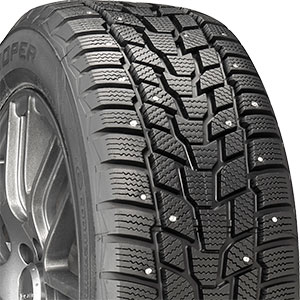
A studdable snow tire is a type of winter tire made with special holes in the tread. These holes allow you to insert small metal studs. The studs dig into ice and packed snow, giving your car extra grip. The tire is designed to be used with or without the studs, but the best grip comes when the studs are installed.
Studdable snow tires are made from a rubber compound that stays soft in cold weather. This softness helps the tire stick to frozen roads, while the studs give extra bite on the slipperiest surfaces.
How Studdable Snow Tires Work
The secret to a studdable tire is in the tread and the studs themselves. The tread has places for metal pins (the studs). When installed, these studs stick out a little from the rubber. As you drive, the studs press into ice and hard snow, helping prevent slips and slides.
The tire’s rubber is softer than all-season tires, so it stays flexible. This flexibility plus the sharp studs gives you much better braking and cornering on icy roads.
If you use the tire without studs, it still works well in snow because of deep grooves and a tread pattern that grips loose snow.
:max_bytes(150000):strip_icc()/Studded_Nokian_tire-59d9db28d088c00010a570b9.jpg)
Credit: www.liveabout.com
Studded Vs. Studdable Vs. Studless Snow Tires
It’s easy to confuse these tire types, but the differences matter.
| Type | Key Feature | Main Benefit | Downside |
|---|---|---|---|
| Studded | Metal studs already installed | Best grip on ice | Noisy, damages dry roads, often restricted |
| Studdable | Holes for optional studs | Flexible use; can add studs for ice | Less effective without studs on ice |
| Studless | Special tread, no studs | Quieter, good for snow/slush | Not as strong on hard ice |
Studded snow tires come with the studs already pressed into the tire at the factory. Studless snow tires rely on advanced rubber and tread design, but have no option for studs.
Studdable snow tires let you choose: install studs for winter, or leave them out for better comfort and less road wear.
Advantages Of Studdable Snow Tires
Choosing a studdable snow tire gives you several unique benefits:
1. Adaptability
You can use the tire with or without studs, depending on the weather. If you expect lots of ice, add studs. If not, leave them out for a quieter ride.
2. Improved Ice Traction
With studs installed, these tires offer the best possible grip on sheet ice and packed snow. This is critical for hills, sharp turns, and sudden stops.
3. Better Braking
Tests show that cars with studded tires can stop up to 40% shorter on ice than cars with all-season tires.
4. Increased Safety
On untreated roads, bridges, or mountain passes, the extra grip can prevent crashes.
5. Cost Effective
You don’t need to buy two sets of tires. You can switch between studded and non-studded modes with the same tire.
Disadvantages And Limitations
However, studdable snow tires are not perfect for every driver or situation:
1. Noise
Studs make a clicking or buzzing sound, especially on dry pavement.
2. Road Damage
Metal studs can wear down asphalt, making potholes or grooves. Many places ban or restrict stud use for this reason.
3. Limited Use Season
Most areas allow studs only in winter months. You must remove them when the weather warms.
4. Installation Hassle
Studs must be installed before you drive on the tire. You can’t add them to a used tire that’s already been on the road.
5. Less Comfort
With studs, you may feel more vibration or harshness, especially at highway speeds.
Where Are Studdable Snow Tires Most Useful?
If you live in a place with winter weather, you might wonder if you really need these tires. Studdable snow tires are most valuable where ice is common and roads may not be cleared right away.
Examples include:
- Northern U.S. states like Minnesota or Maine
- Mountain regions with steep, icy roads
- Rural areas where snowplows may not come quickly
- Canada, Scandinavia, Russia—places with long, cold winters
In cities or where roads are salted and cleared often, studless winter tires might be enough.

Credit: www.walmart.com
How To Choose A Studdable Snow Tire
Not all studdable tires are the same. Here are key points to consider:
1. Tire Size
Match your car’s recommended tire size. The wrong size affects handling and safety.
2. Stud Compatibility
Make sure the tire brand offers compatible studs, and check how many studs each tire needs (often 80-120 per tire).
3. Tread Pattern
Look for deep grooves, zigzag sipes, and special winter designs. These features improve grip in snow and slush, even without studs.
4. Rubber Quality
High-quality winter rubber stays soft in cold temperatures. Cheap tires may harden and lose grip.
5. Brand Reputation
Trusted brands like Bridgestone, Nokian, Michelin, and Cooper often offer better cold weather performance.
6. Warranty And Reviews
Some winter tires come with mileage or satisfaction guarantees. Check reviews from real drivers in your climate.
How To Install And Remove Studs
Adding studs to a studdable tire should be done by a professional. Here’s what happens:
- The tire shop uses a special tool to press each stud into the holes in the tire tread.
- All studs must be installed before the tire is used on the road, or the holes will fill with debris.
- Once installed, the studs wear in after about 300-500 miles of gentle driving.
- To remove studs, the tire shop pulls them out. Some tires allow this, but not all. After removal, the tire won’t perform as well on ice.
Important tip: Never try to add studs to a tire after you’ve driven it without them. The holes will not work properly, and the studs may fall out.
Cost Of Studdable Snow Tires
Prices vary by brand, size, and quality. Here’s a rough comparison:
| Tire Type | Average Price (per tire) | Installation Cost (studs) |
|---|---|---|
| Studdable Snow Tire | $90 – $180 | $15 – $30 |
| Studless Snow Tire | $100 – $200 | $0 |
| Studded (factory installed) | $120 – $220 | $0 |
You can see that studdable tires are usually similar in cost to other winter tires, but you must add installation for the studs.
Common Mistakes With Studdable Snow Tires
Even experienced drivers can make errors with these tires. Here are mistakes to avoid:
- Waiting too long to install studs: Install them before the first snow or ice.
- Driving studs on dry roads: This wears out the studs and damages roads.
- Mixing tires: Always use four studded tires, never just two. Mixing causes loss of control.
- Wrong storage: Store tires in a cool, dark place in the off-season. Don’t leave them in the sun or near heat.
- Ignoring local laws: Many states and countries ban or limit studded tire use. Check your local rules before buying.
Real-world Performance: Studdable Tires In Action
Let’s look at an example. Imagine two cars on a frozen hill: one with all-season tires, one with studdable snow tires (with studs installed).
- The all-season tire car struggles to start moving and slides sideways on the hill.
- The car with studded tires climbs with less spinning and can stop safely.
In braking tests, a car with studded tires often stops in half the distance compared to all-season tires on glare ice. This can mean the difference between a safe stop and an accident.
Environmental And Legal Considerations
Studded tires are not allowed everywhere. Here’s what you need to know:
- Environmental impact: Metal studs can dig up road surfaces and create dust. This is why many cities and states restrict their use.
- Legal rules: In the U.S., states like Colorado and Washington only allow studded tires in certain months. Some places, like Hawaii and Florida, ban them completely.
- Alternatives: Some new studless tires use special rubber and micro-particles to mimic the grip of studs, with less road damage.
For details on local laws, see the Wikipedia page on snow tires.
Credit: www.americastire.com
Are Studdable Snow Tires Right For You?
Ask yourself these questions:
- Do you drive on ice or packed snow often?
- Are roads near you cleared quickly after storms?
- Is it legal to use studded tires where you live?
- Are you willing to switch tires for the season?
If you answer yes to the first three, studdable snow tires could be a smart investment in safety.
Maintenance And Care Tips
To get the most from your studdable snow tires:
- Rotate tires every 5,000 miles to keep wear even.
- Check air pressure monthly; cold weather lowers pressure.
- Inspect studs for damage or missing pins before each season.
- Wash off road salt to prevent tire and wheel corrosion.
- Remove tires in spring and store them in bags, out of sunlight.
Proper care means your tires and studs will last longer and perform their best.
Frequently Asked Questions
Can I Install Studs In My Regular Winter Tires?
No, only studdable snow tires have the correct holes and tread design for studs. Trying to add studs to a tire not built for them is unsafe and will damage the tire.
How Long Do Studded Snow Tires Last?
With normal use, studdable snow tires can last 3-5 winters. Studs wear down faster if used on dry roads, so only use them when necessary.
Are Studded Tires Better Than Chains?
Studded tires are more convenient for daily driving on ice, while chains are best for deep snow or when required by law. Chains must be removed for dry roads, but studs stay on all season.
Do Studdable Snow Tires Work Well Without The Studs?
Yes, they still perform much better than all-season tires in snow and cold weather, thanks to the special rubber and tread. But for maximum grip on ice, adding studs is best.
Is It Legal To Use Studded Tires Everywhere?
No, many areas restrict or ban studded tires because of road damage. Always check your local laws before buying or installing studs.
Driving in winter is challenging, but the right tire can make a big difference in safety. Studdable snow tires offer flexibility and the strongest grip for icy roads if you need it. Understand your local rules, install and care for your tires properly, and you’ll be ready for whatever winter brings.