If you love off-roading, you know tire size matters more than most people think. When it’s time to choose between 35-inch and 37-inch tires, the decision is not just about looks. Your choice will impact your vehicle’s performance, handling, cost, and even how much fun you have on the trails. Both sizes are popular for Jeeps, trucks, and SUVs, but the differences go deeper than two inches. Some drivers want a meaner stance, others focus on clearing bigger rocks, and many worry about cost or daily driving comfort. This guide will walk you through every angle of the 35 vs 37 tires debate, covering 35 real-world factors you must know. By the end, you’ll have a clear answer for your own needs—no matter if you’re a weekend warrior or a hardcore rock crawler.
1. Ground Clearance
Ground clearance is the space between your vehicle’s underbody and the ground. With 37-inch tires, you gain about an extra inch of clearance compared to 35s. This makes it easier to pass over rocks, logs, and deep ruts without scraping the underside. For technical trails or uneven terrain, that extra inch can be the difference between gliding over obstacles and getting stuck. However, for most moderate trails, 35s often provide enough clearance unless you’re tackling extreme routes.
2. Weight
Larger tires are heavier. On average, 37-inch tires can weigh 10–20 pounds more each than 35s, depending on tread and brand. This extra weight affects acceleration, braking, and even fuel economy. For trucks with smaller engines or stock axles, the extra load can strain components. Many drivers are surprised by how much slower a vehicle feels with 37s if they don’t upgrade gears or other parts.

Credit: www.youtube.com
3. Wheel Well Fitment
Not every vehicle can fit 37-inch tires without modifications. 35s often fit with a mild lift kit (2–3 inches), but 37s usually need at least a 3.5–4 inch lift and sometimes trimming of fenders or bumpers. If you aren’t ready to cut or invest in expensive lifts, 35s are more practical. Always check your vehicle’s wheel well clearance before buying.
4. Gearing Requirements
When you move up to bigger tires, your axle gear ratio may need to change. 37-inch tires require deeper gears (like 4.88 or 5.13) to restore lost power and keep your speedometer accurate. Staying with stock gears can make your vehicle sluggish and overwork the transmission. With 35s, you might get by with factory gears, though many still recommend a small upgrade.
5. Fuel Economy
Heavier, larger tires create more rolling resistance and aerodynamic drag. Drivers often see a drop of 2–4 MPG after switching to 37s, while 35s typically have a smaller impact. If your truck is a daily driver, these numbers can add up over months.
Some drivers don’t mind the extra fuel cost, but it’s something to budget for.
6. Acceleration
Bigger tires make your engine work harder, especially at takeoff. The difference between 35s and 37s can be noticeable—vehicles with 37s often feel slower and less responsive unless you regear. With 35s, acceleration drops less, and many owners find the change acceptable for daily use.

Credit: www.discountedwheelwarehouse.com
7. Braking Distance
Larger, heavier tires take longer to stop. With 37-inch tires, your braking distance can increase, especially if you haven’t upgraded your brakes. 35s are safer for stock brake systems, while 37s may require big brake kits for best performance.
8. Ride Comfort
Some drivers say 37s ride smoother over rough ground because of the larger air volume. On the road, however, they can feel “floaty” and less connected, especially with soft sidewalls. 35s often strike a better balance between off-road cushion and on-road control.
9. Steering And Handling
Steering feels heavier with 37-inch tires, especially at low speeds or while parking. The steering system works harder, and you might notice more “wander” on the highway. 35s are easier to handle and keep steering components under less stress.
10. Axle And Drivetrain Stress
The bigger the tire, the more stress on axles, driveshafts, and U-joints. Stock axles may survive with 35s if you drive gently, but 37s raise the risk of breakage, especially in tough terrain. Upgrading to stronger axles is almost a must for 37s.
11. Cost Of Tires
37-inch tires generally cost 15–30% more than 35s. For example, a set of four quality 35s might be $1,200–$1,600, while 37s often run $1,400–$2,000 or more. Don’t forget, you’ll probably need a matching spare, raising the total cost.
12. Availability
35-inch tires are widely available in most brands, tread styles, and load ratings. 37s are less common, especially for all-terrain or hybrid designs. You may have to special order or wait longer for 37s, depending on your location.
13. Wheel Size Compatibility
Most 35-inch tires work with 17-inch wheels, which are standard on many trucks and Jeeps. Some 37s require 17s or larger. If you have smaller wheels, you’ll need to upgrade them, increasing overall costs.
14. Speedometer Accuracy
Bigger tires make your speedometer read lower than your actual speed. The difference is greater with 37s—when your speedometer says 60 mph, you might be going 65 or more. Recalibration is more important with 37s than with 35s.
15. Turning Radius
Larger tires can reduce your turning radius if they rub against the frame or suspension at full lock. 37s are more likely to limit turning, especially on vehicles without a proper lift or wheel spacers. 35s rarely cause problems on well-set-up trucks.
16. Off-road Traction
Both 35s and 37s offer excellent grip, but 37s have a bigger contact patch, which helps in soft sand, mud, or rocks. However, tire tread design often matters more than size alone. A high-quality 35-inch mud tire can outperform a cheap 37 on tough trails.
17. Road Noise
Larger, aggressive tires tend to be louder, especially 37s. On the highway, you may notice a constant hum or whine. 35s can be a bit quieter, especially if you pick all-terrain over mud-terrain patterns.
18. Suspension Upgrades
Going to 37s usually means you’ll need a taller lift, stronger control arms, and possibly longer shocks. 35s often fit with mild lifts and minor tweaks. The cost and complexity of suspension work is higher with 37s.
19. Legal And Warranty Issues
Some places have laws about maximum tire size or vehicle height. 37s are more likely to run into legal trouble, especially in states with strict inspection rules. Also, some manufacturers may void warranties for certain modifications, especially with 37s.
20. Spare Tire Mounting
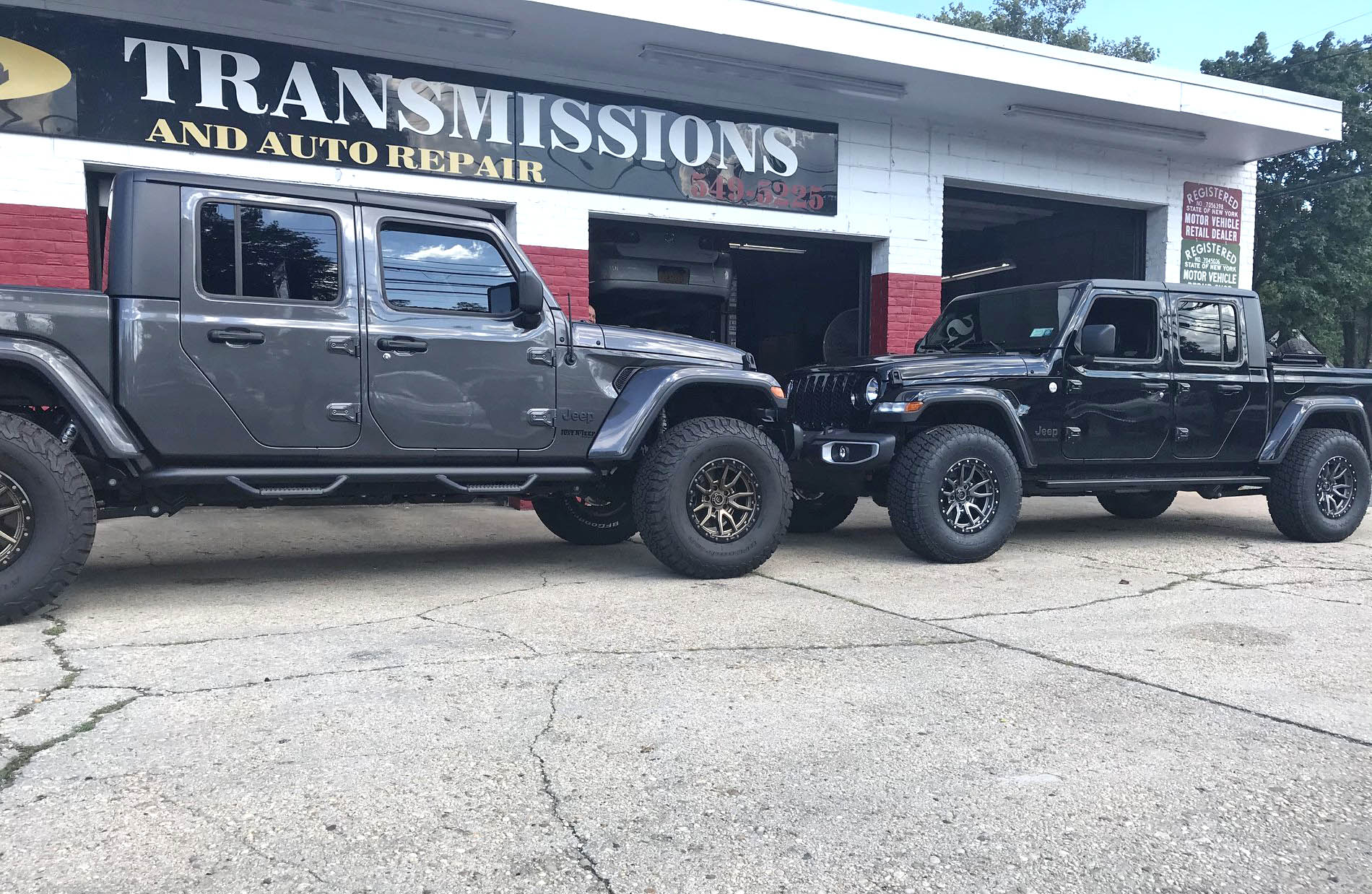
A 37-inch spare is much heavier and may not fit on factory tailgate mounts. Many drivers need a reinforced tire carrier or bumper mount. 35-inch spares are easier to carry and less likely to break mounts.
Credit: www.jeepgladiatorforum.com
21. Towing Capacity
Larger tires can reduce towing capacity by changing effective axle ratios and increasing rolling resistance. With 37s, you’ll notice more strain while pulling heavy trailers. 35s have less impact but still affect towing slightly.
22. Availability Of Recovery Gear
Recovery straps, jacks, and tire repair kits are sized for common tire sizes. 35s are well supported, but some recovery equipment (like tire deflators or beadlocks) may not fit 37s without special order. Always check compatibility.
23. Airing Down Performance
Off-roaders often “air down” tires for better grip. 37s have a larger air volume, which lets you run lower PSI without risking the bead as easily. This means better flotation and grip in deep sand or snow compared to 35s.
24. Wheel Backspacing And Offset
Larger tires often need wheels with less backspacing or more offset, so they clear suspension and body parts. 37s especially require careful wheel selection. 35s are more forgiving, and you can often use factory wheels.
25. Visual Impact
There’s no denying that 37-inch tires give a bigger, more aggressive look. Trucks and Jeeps on 37s turn heads and look ready for anything. 35s look tough but more “factory plus” than “monster rig.” For some, the visual difference is worth the cost.
26. Speed And Rpm At Highway
With 37s, your engine runs at lower RPM for the same speed compared to stock tires. This can be good for fuel economy, but only if you’ve regeared. Without proper gears, your vehicle may constantly “hunt” for the right gear, especially on hills.
27. Insurance Considerations
Some insurance companies view 37s as a higher risk and may increase premiums or limit coverage. 35s are less likely to draw attention. Always check your policy before upgrading.
28. Tire Rotation And Wear
Bigger, heavier tires are harder to rotate and may wear unevenly if your suspension isn’t dialed in. 35s are easier to manage and often last longer, especially with regular rotation.
29. Load Rating
Not all 37-inch tires have the same load rating as smaller tires. If you haul heavy loads or tow, check the tire’s load range (like C, D, or E). Some 37s are only available in lighter ratings, which can be a problem for heavy trucks.
30. Beadlock Compatibility
Hardcore off-roaders use beadlock wheels to prevent tires from coming off the rim at low PSI. Beadlocks are more common in 37-inch sizes, and there’s a wider selection. However, beadlocks are heavier and not street-legal everywhere.
31. Resale Value
Modifying a vehicle with 37s can lower resale value if the next buyer wants a stock or daily driver. 35s are less polarizing and may not hurt resale as much. On the other hand, some buyers specifically seek out 37s for trail rigs.
32. Transmission Longevity
Bigger, heavier tires stress the transmission, especially automatics. Owners who skip regearing or neglect maintenance often see earlier transmission problems with 37s. 35s are easier on drivetrain parts, but long-term stress still adds up.
33. Tire Repair And Plugging
Patching or plugging a 37-inch tire is harder due to the extra thickness and size. Some tire shops won’t work on 37s without special equipment. 35s are more widely supported.
34. Snow And Ice Performance
Bigger isn’t always better on snow or ice. 37s can “float” more, sometimes reducing traction in icy conditions. Narrower 35s may actually grip better, especially if you pick a tire with a good winter compound.
35. Aftermarket Support
There are more aftermarket parts (like lifts, bumpers, and armor) designed for vehicles running 35s. 37s have strong support too, but some products (like certain fender flares or shocks) are harder to find. Always check compatibility before you buy.
Comparison Data: 35 Vs 37 Tires
Here’s a practical side-by-side look at some of the most critical specs:
| Feature | 35-inch Tire | 37-inch Tire |
|---|---|---|
| Average Weight (each) | 60–70 lbs | 75–90 lbs |
| Recommended Lift | 2–3 inches | 3.5–4.5 inches |
| Cost (set of 4) | $1,200–$1,600 | $1,400–$2,000 |
| Fuel Economy Drop | 1–2 MPG | 2–4 MPG |
| Common Axle Ratio | 4.56–4.88 | 4.88–5.13+ |
Real-world Examples: Jeep Wrangler Rubicon
To give you a sense of what it’s like to run each size, here’s a quick snapshot for one of the most popular off-road vehicles.
| Aspect | 35-inch Tires | 37-inch Tires |
|---|---|---|
| Factory Gearing | Usually OK | Upgrade needed |
| Suspension Mods | Mild lift | Major lift/trim |
| Axle Upgrades | Optional | Recommended |
| Ride Quality | Balanced | Smoother off-road, floaty on-road |
| Legal Issues | Rare | Possible |
Non-obvious Insights
Most beginners focus only on tire size and forget about supporting modifications. For example, jumping to 37s without upgrading axles, steering, and brakes can lead to expensive failures. Many underestimate the need to regear, which affects both performance and transmission health.
Another easy-to-miss point: tire pressure is more important as you go bigger. Many drivers run 37s at too high PSI on-road, leading to a rough ride and poor handling. Learning to adjust your PSI for both pavement and dirt will make a bigger difference than tire size alone.
Making The Right Choice
Choosing between 35-inch and 37-inch tires isn’t just about numbers. Ask yourself these questions:
- What’s your main use? (Off-road only, daily drive, or both?)
- Are you ready for extra modifications (gears, axles, lift)?
- What’s your budget—not just for tires, but for all supporting parts?
- How important is on-road comfort and safety?
- Do local laws or insurance rules matter for you?
If you want a balance of looks, comfort, and off-road skill, 35s are often the sweet spot. If you crave the biggest, baddest look and plan to upgrade everything, 37s deliver unmatched trail performance—but at a higher cost and complexity.
For more technical details on gear ratios and vehicle compatibility, check resources like the Tire Rack.
Frequently Asked Questions
What Is The Main Advantage Of 37-inch Tires Over 35-inch Tires?
The biggest advantage is increased ground clearance and a larger contact patch, which help over extreme obstacles and in soft terrain. 37s also create a more aggressive look and provide better flotation in sand or snow.
Will 37-inch Tires Fit On My Stock Truck Or Jeep?
Usually, no. Most vehicles need a lift kit, fender trimming, and possibly wheel spacers to fit 37-inch tires safely. 35s are much more likely to fit with minimal modifications.
Do I Need To Regear For 35s Or 37s?
For 35s, regearing is recommended but not always necessary, depending on your axle ratio and engine. For 37s, regearing is almost always required to restore power, performance, and prevent drivetrain damage.
How Much Does Fuel Economy Drop With Bigger Tires?
Expect a drop of 1–2 MPG with 35s and 2–4 MPG with 37s. Actual numbers depend on your vehicle, driving style, and whether you regear or make other supporting upgrades.
Are 37-inch Tires Safe For Daily Driving?
They can be, but only with proper supporting modifications—upgraded brakes, steering, axles, and correct gearing. Otherwise, they can make your vehicle harder to control and increase wear on parts.
Choosing between 35 and 37-inch tires is a big decision for any off-roader. Take time to consider all 35 factors above, think about your goals and budget, and plan for any extra upgrades needed. That way, your tire choice will deliver not just the look you want, but the performance, safety, and reliability you need for years of adventure.