Is A Spare Tire The Same As A Regular Tire?
When you look in your car’s trunk or under the cargo floor, you may spot a spare tire. But is this spare tire the same as the regular tires you drive on every day? Many drivers believe they are interchangeable, but the differences are bigger than you might think. Understanding these differences is important for safety, maintenance, and smart driving. Whether you’re a new driver or an experienced one, knowing what’s rolling under your car can prevent costly mistakes and keep you safer on the road.
What Is A Spare Tire?
A spare tire is an extra tire carried in your vehicle for emergencies. If you get a flat or your tire is damaged, the spare helps you reach a repair shop. Most cars come with some type of spare, but the type can vary a lot:
- Full-size spare: Matches your car’s regular tires in size and type.
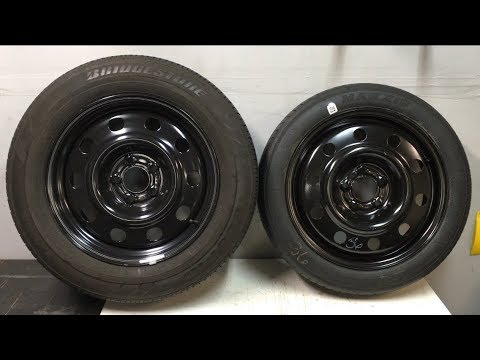
- Compact (donut) spare: Much smaller, lightweight, and not designed for long-term use.
- Temporary spare: Usually smaller and lighter, for short-term use only.
- Space-saver spare: Designed to save space and weight in your car.
The type you have depends on your car’s make, model, and sometimes even the country you live in. For example, many new cars, especially compact and electric vehicles, may not come with any spare at all.
What Is A Regular Tire?
A regular tire (also called a standard or primary tire) is the tire you use every day. It is designed for:
- Long-term durability
- Good traction
- Comfortable ride
- Handling and safety in all conditions
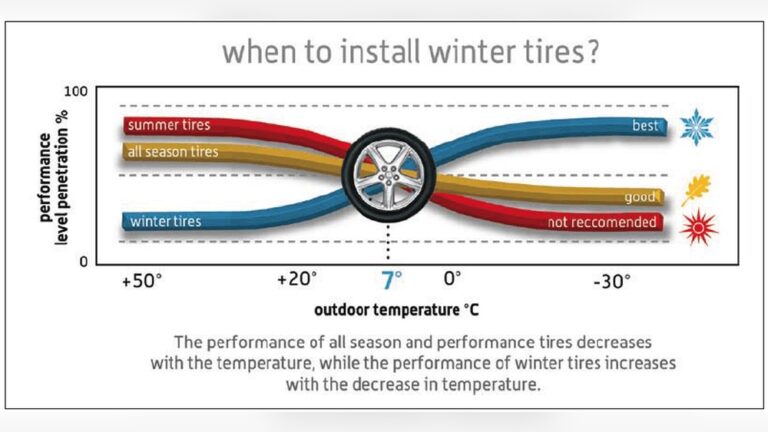
Regular tires come in different types such as all-season, summer, winter, and performance tires. Each type is made for specific driving needs and weather.
Regular tires are built to last tens of thousands of miles, handle high speeds, and provide safety and comfort for you and your passengers.
Key Differences Between Spare Tire And Regular Tire
To understand if a spare tire is the same as a regular tire, it helps to compare them side by side. Here’s a detailed look at the differences:
| Feature | Spare Tire | Regular Tire |
|---|---|---|
| Size | Often smaller (compact/donut), sometimes full-size | Matches car’s specs, larger |
| Weight | Lighter (especially compact types) | Heavier, built for durability |
| Lifespan | Short-term use (usually up to 50–70 miles) | Long-term (30,000–60,000 miles or more) |
| Speed Limit | Usually max 50 mph (80 km/h) | Normal speed limits (up to 130 mph or 210 km/h) |
| Traction & Handling | Poorer grip, less stable | Designed for optimal grip and safety |
| Comfort | Reduced comfort, more road noise | Smoother, quieter ride |
| Cost | Cheaper to produce | More expensive |
Materials And Construction
Spare tires, especially compact ones, are made with thinner tread and lighter materials. They are not designed for rough roads or long distances. Regular tires have a thicker tread, more layers, and stronger sidewalls to resist damage and wear.
Performance
Spare tires, especially donut and space-saver types, give you basic performance only. They are not good for heavy loads, fast speeds, or sharp turns. Regular tires are made for everyday performance: safe braking, cornering, and stability.
Visibility
Many spare tires have bright yellow or orange markings and clear warnings about speed and distance limits. Regular tires have standard markings with information about size, load, and speed ratings.
Types Of Spare Tires
Not all spare tires are created equal. Here are the main types you may find in cars today:
1. Full-size Spare
This is the closest to a regular tire. It matches your car’s original tires in size and type. You can use it like a normal tire and drive at normal speeds. However, it takes up more space and adds weight to your vehicle.
Best for: SUVs, trucks, and some larger sedans.
Downsides: Heavier, uses more trunk space, can be expensive to replace.
2. Compact Spare (donut)
A compact spare, often called a donut spare, is much smaller and lighter. It is only meant for emergencies and short-term use—usually up to 50–70 miles and below 50 mph.
Best for: Most modern cars, especially small or mid-size vehicles.
Downsides: Not safe for long distances, poor handling, wears out quickly.
3. Temporary (space-saver) Spare
These are similar to donuts but may look closer to a regular tire in size. Still, they are lighter and not made for daily driving.
Best for: Cars with limited trunk space.
Downsides: Limited speed and distance, not for heavy loads.
4. Run-flat Tire (self-supporting)
Some cars come with run-flat tires instead of a spare. These can be driven for a short distance even after losing air. They’re not technically a spare, but they serve a similar emergency purpose.
Best for: Luxury and performance vehicles.
Downsides: More expensive, shorter lifespan, rougher ride.
5. No Spare (tire Repair Kit)
Some new cars have no spare at all. Instead, you get a tire repair kit or sealant and an inflator. This saves weight but may not help with serious damage.
Best for: Hybrids, electric cars, and some sports cars.
Downsides: Not useful for sidewall blowouts or large punctures.
Credit: www.youtube.com
When Can You Use A Spare Tire?
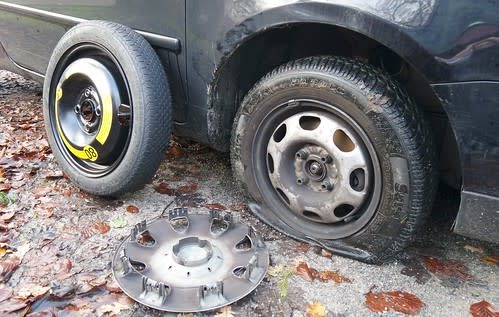
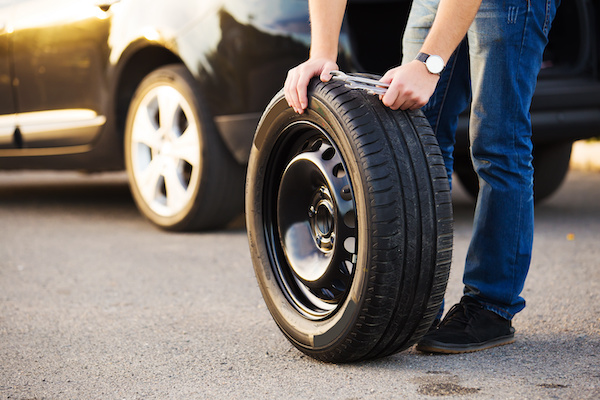
Spare tires are meant for emergencies only. Here are the main situations when you should use one:
- Sudden flat tire
- Blowout or sidewall damage
- Tire puncture too large for a repair
But you should always switch back to a regular tire as soon as possible. Driving too long on a spare is risky and can cause more damage to your car.
How Far And How Fast Can You Drive?
- Compact spare: Up to 50–70 miles (80–110 km), max 50 mph (80 km/h)
- Full-size spare: Can be used like a regular tire if it matches the other tires
- Run-flat tire: Usually 50 miles at reduced speed after puncture
These are not just guidelines. Exceeding them can damage your car’s brakes, suspension, and even the transmission.
Safety Risks Of Using A Spare Tire
Many drivers think, “A tire is a tire.” But using a spare, especially a donut, comes with real risks:
- Less grip: Smaller tread means less control, especially in rain or snow.
- Poor braking: Longer stopping distances.
- Unstable handling: Sharp turns can be dangerous.
- Unbalanced car: Spare tires can affect how your car turns and handles.
- Faster wear: Spares wear out much faster than regular tires.
It’s important to remember that ABS, traction control, and other safety systems may not work well with a spare tire installed.
Credit: www.unitedautosonline.com
Why Car Makers Use Spare Tires
You might wonder, why not just give everyone a full-size spare? There are several reasons:
- Space: Smaller spares save trunk or cargo space.
- Weight: Lighter spares help improve fuel efficiency.
- Cost: Compact spares are cheaper to make and replace.
- Modern tire tech: Better puncture-resistant tires and roadside assistance options mean spares are used less often.
However, some drivers are surprised to find their new car has no spare tire at all. Always check before a road trip.
Can You Use A Spare Tire As A Regular Tire?
This is a common question, and the answer is almost always no. Here’s why:
- Spare tires are not made for daily use.
- The rubber is thinner and wears out quickly.
- Less grip makes them unsafe, especially at high speeds.
- Your car’s handling and safety are reduced.
- Insurance may not cover you if you crash while using a spare incorrectly.
Only a full-size matching spare can be used like a regular tire—and even then, it’s best to replace it with a new tire soon.
How To Tell If A Tire Is A Spare Or Regular
Sometimes, it’s not obvious. Here’s how to check:
- Look at the size: Compact spares are much smaller and thinner.
- Check the markings: Spares often say “Temporary Use Only” or have bright warnings.
- Read the manual: Your car’s owner manual will tell you what type you have.
- Compare the tread: Spares have less tread depth and different patterns.
If you’re not sure, ask a mechanic or tire professional.
Real-world Example: What Happens If You Ignore The Rules?
Let’s say you get a flat tire far from home. You put on your donut spare and keep driving—more than 100 miles, and at highway speeds. Over time, you notice your car pulling to one side, and you hear strange noises.
You keep going, but soon your brakes feel weak, and your spare tire looks worn out.
What happened? The extra distance and speed damaged your spare tire, your suspension, and possibly your brakes. You might even be at risk for a blowout or accident. Many drivers don’t realize how fast a temporary spare can wear down when used incorrectly.
Credit: www.cavalierauto.com
Maintenance Tips For Your Spare Tire
A spare tire is useless if it’s flat or damaged. Here’s how to keep it ready:
- Check the air pressure every month (most spares lose air over time)
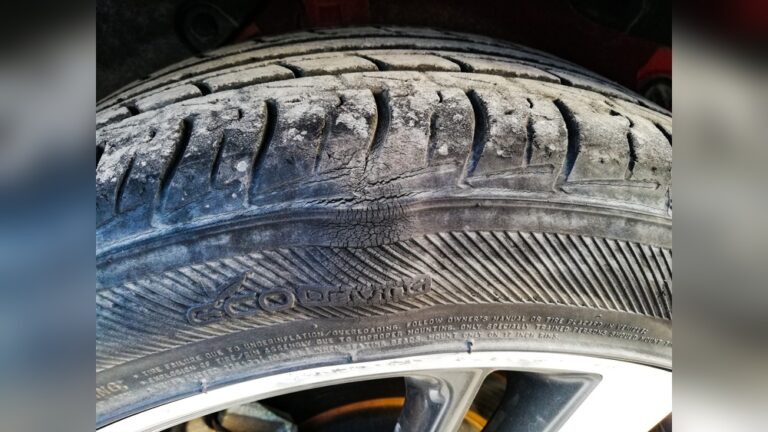
- Inspect for cracks, dry rot, or damage
- Make sure the tools (jack, wrench) are present and working
- Replace old spares: Rubber ages, even if you never use the tire
Most spares have a 5-8 year lifespan even if unused. Don’t ignore the date code.
Cost Differences: Spare Tire Vs Regular Tire
There’s a big difference in price:
| Tire Type | Average Cost (USD) | Replacement Frequency |
|---|---|---|
| Compact Spare (Donut) | $50–$100 | Rarely replaced |
| Full-Size Spare | $100–$250 | When worn or used |
| Regular Tire | $80–$300 (each) | Every 30,000–60,000 miles |
Buying a new set of regular tires is more expensive, but remember, they are designed for long-term use and safety.
Two Insights Most Drivers Miss
- Spare tires lose air just sitting in the car. Many drivers find their spare is flat when they need it. Check the pressure as often as you check your main tires.
- Modern cars may not have a spare at all. Some only have sealant kits, which won’t help with sidewall damage or large punctures. Always check your car before a long trip, and consider buying a spare if you travel in remote areas.
Why Knowing The Difference Matters
Using a spare tire the wrong way can lead to:
- Costly repairs
- Dangerous driving conditions
- Voided insurance coverage
Understanding the difference between a spare tire and a regular tire helps you make smarter, safer choices when the unexpected happens.
If you want more technical information about tire types and safety, the National Highway Traffic Safety Administration provides detailed resources.
Frequently Asked Questions
What Is The Maximum Distance I Can Drive On A Spare Tire?
Most compact spares are safe for up to 50–70 miles. Full-size spares may last longer, but it’s best to switch back to a regular tire as soon as possible.
Is It Illegal To Drive With A Spare Tire For A Long Time?
It’s not usually illegal, but it is unsafe and not recommended. If stopped by police, you may be warned if your spare is not roadworthy.
Can I Use A Spare Tire On Any Wheel Position (front Or Rear)?
Generally yes, but for all-wheel-drive cars, check your manual. Using a spare of different size on the wrong axle can damage the drivetrain.
Why Does My Car Not Have A Spare Tire?
Many new cars, especially hybrids and electric vehicles, come without a spare to save space and weight. Instead, they offer tire repair kits.
How Do I Check If My Spare Tire Is Still Good To Use?
Inspect for cracks, low air pressure, and tread wear. Also, check the date code—rubber older than 6–8 years may not be safe, even if never used.
Having a clear understanding of the difference between a spare and a regular tire can save you time, money, and maybe even your safety. Next time you check your trunk, you’ll know exactly what you’re looking at—and how to use it wisely.