When Should You Put Winter Tires On?
Every year, as autumn ends and temperatures start to drop, drivers begin to wonder about the right time to switch to winter tires. Some people wait until the first snow falls. Others change their tires as soon as October arrives. But timing really matters. Changing your tires too early or too late can affect your safety, tire life, and even your wallet. This guide explains exactly when you should put winter tires on, why timing is important, and what many drivers don’t realize about the switch.
Why Winter Tires Matter
Winter tires are not just for snow. Their special rubber and tread design grip the road better than summer or all-season tires when it’s cold—usually below 7°C (44°F). Regular tires get hard and lose grip in low temperatures, even if the road looks clear.
Winter tires stay soft, flexible, and safe.
Many people believe they only need winter tires if they drive on snow or ice. This is not true. Even in dry, cold weather, the stopping distance for all-season tires can be up to twice as long as winter tires.
That means more risk of sliding and accidents, especially in sudden stops.
The Science Behind The Temperature Rule
Experts agree: the 7°C (44°F) rule is key. When daily temperatures drop below this point, winter tires outperform all-seasons or summers—even if there’s no snow. Rubber compounds in winter tires are made for cold. All-season or summer tires become stiff, losing their grip.
Here’s how temperature affects tire performance:
| Temperature | Winter Tires Grip | All-Season Tires Grip |
|---|---|---|
| Above 7°C (44°F) | Normal | Normal |
| 0°C to 7°C (32–44°F) | High | Reduced |
| Below 0°C (32°F) | Very High | Poor |
Non-obvious insight: It’s not just ice or snow that makes winter tires necessary. Even cold, dry pavement can cause summer or all-season tires to lose grip.
Factors That Affect When To Switch
The perfect date for winter tire installation is not the same for everyone. Here are the most important factors:
1. Local Climate
In Canada or northern Europe, cold weather arrives early. In some U. S. states, it may not drop below 7°C until December. Watch average daily temperatures, not just weather forecasts.
2. Morning And Night Temperatures
Even if afternoons are warm, nights and mornings might be below 7°C. This is when roads are most slippery and you’re often driving to work or school.
3. Legal Requirements
Some places, like Quebec or some areas in Germany, have mandatory winter tire laws. Dates are often set by law (for example, December 1 to March 15). Not following these rules can lead to fines or insurance problems.
4. Your Driving Habits
If you drive early in the morning, late at night, or in the mountains, you’ll face cold roads before others do. Be ready to switch earlier.
5. Tire Shop Schedules
Waiting until the first snowfall means long lines at tire shops. Plan ahead to avoid the rush.
Non-obvious insight: Tire shops get busiest after the first frost or snow. If you book your change early, you’ll save time and avoid possible shortages.
Signs It’s Time For Winter Tires
Pay attention to more than just snow in the forecast. Here’s how to know it’s time:
- Consistent temperatures near or below 7°C (44°F), especially in the morning.
- Frost on the ground or cars several days in a row.
- First signs of ice on bridges or shaded roads.
- Weather forecast predicts cold snaps or early storms.
- Local guidelines or tire shop reminders.
Switching too late risks safety. But changing too early can wear winter tires faster, especially if temperatures are above 7°C for weeks.
Risks Of Waiting Too Long
Some drivers delay the switch, hoping to get the most from their all-seasons. This is dangerous for several reasons:
- Reduced braking: All-season tires can take up to twice the distance to stop in cold weather.
- Poor cornering: Increased risk of sliding in turns, even on dry roads.
- Higher accident risk: Insurance may not cover you if you have an accident and did not follow local tire laws.
- Unexpected weather: Early frosts or sudden snow can make roads unsafe before you expect.
In real-world tests, cars with winter tires stopped 30% faster than those with all-seasons on cold, dry roads. That could be the difference between a close call and a collision.
How Early Is Too Early?
It’s tempting to put winter tires on as soon as fall arrives. But there are downsides if you change too early:
- Faster wear: Winter tire rubber is softer. Warm pavement wears it down faster.
- Poor handling: On hot days, winter tires feel “squishy,” making steering less precise.
- Lower fuel efficiency: Winter tires have more rolling resistance, so you may burn more gas.
The best time is when daily temperatures are regularly below 7°C. Watch for at least a week of cool mornings before booking your appointment.
Regional Differences In Winter Tire Timing
Winter arrives at different times depending on where you live. Here’s a general guide:
| Region | Average Switch Date | Special Considerations |
|---|---|---|
| Northern Canada / Scandinavia | Mid-October | Early cold, long winter |
| Northern U.S. / Central Europe | Late October–Early November | Watch for first frost |
| Southern U.S. | Rarely needed | Only during rare cold snaps |
| Mountain regions | Early October | Colder, icy nights |
| Urban areas | Early November | Heat from city delays frost |
Pro tip: Local tire shops often know the best timing for your area. Ask them for advice, especially if you’re new to the region.
Common Mistakes When Switching Tires
Many drivers make avoidable mistakes when it comes to winter tire timing. Here are some of the most frequent:
- Waiting for snow: By the time you see snow, it’s often too late. Cold pavement is already dangerous.
- Using winter tires year-round: This wears them out quickly and is not safe in hot weather.
- Ignoring tire pressure: Winter temperatures drop, so check and adjust pressure after switching.
- Not checking tread depth: Old or worn winter tires won’t grip, even if you switch on time.
- Forgetting to reset TPMS (Tire Pressure Monitoring System): Your car may give false warnings if sensors are not set up correctly.
Avoid these mistakes to get the most out of your winter tires and stay safe.
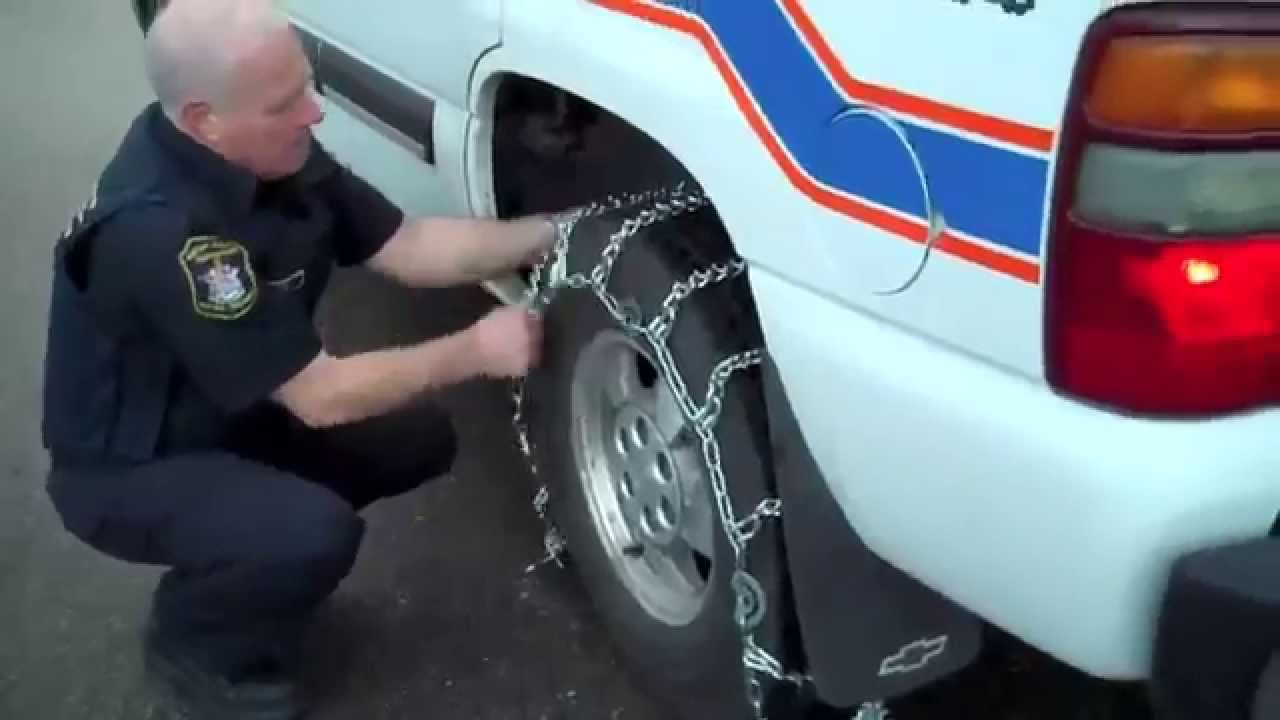
Credit: www.youtube.com
How To Prepare For The Switch
Switching to winter tires is not just about the date. Good preparation makes the process smooth and safe:
- Book early: Schedule your tire change before the rush. Many shops offer discounts for early bookings.
- Inspect tires: Check for cracks, low tread, or age. Winter tires should have at least 4mm of tread.
- Clean and store summer tires: Store them in a cool, dry place, away from sunlight. Use tire bags if possible.
- Check for tire recalls: Sometimes, tires are recalled for safety reasons. Search online or ask your dealer.
- Review your insurance: Some policies require winter tires in cold regions for full coverage.
What If You Get Caught By Early Snow?
Even with the best planning, weather can surprise you. If you’re caught by an early snowstorm before you’ve changed tires:
- Drive slowly: Leave extra space to stop.
- Avoid sudden moves: Gentle braking and steering reduce sliding.
- Reschedule plans: If possible, wait until roads are cleared or temperatures rise.
- Get tires changed as soon as possible: Don’t delay—your safety depends on it.
Credit: www.tranbc.ca
The Cost Of Delaying Vs. Early Switching
Some drivers worry about the cost of using winter tires for too long or too short a time. But the safety benefits far outweigh small differences in tire wear. Here’s a quick comparison:
| Scenario | Risk Level | Cost Impact |
|---|---|---|
| Switch too early | Low | Faster winter tire wear |
| Switch too late | High | Accident risk, legal issues |
| Switch on time | Lowest | Best tire life, safest |
Practical Tips For A Smooth Winter Tire Change
- Mark your summer tires: Use chalk or stickers to show which tire came from which position. This helps with proper rotation next season.
- Double-check bolt torque: After driving 50–100 km on new tires, check that all bolts are tight.
- Store tires properly: Keep them clean, dry, and out of sunlight to avoid cracking and aging.
- Record the date: Note when you changed tires for next year’s planning.
- Use a reminder app: Many tire shops and car apps can send you alerts when it’s time to switch.
Credit: www.performanceplustire.com
Expert Guidance: When Should You Put Winter Tires On?
In summary, the best time to put winter tires on is when daily temperatures regularly stay below 7°C (44°F), not just when snow appears. Don’t wait for ice or snow to make the change—it may be too late. Consider your location, legal requirements, and personal driving habits. If you’re unsure, talk to a local tire expert or check government guidelines. For more in-depth information on winter tire laws and timing, see this Consumer Reports guide.
Switching at the right time could save your life, protect others, and keep your car running smoothly all winter long.
Frequently Asked Questions
What Temperature Should I Put Winter Tires On?
You should install winter tires when daily temperatures are consistently below 7°C (44°F). This is when their special rubber compound works best, even if there’s no snow.
Can I Use Winter Tires All Year?
It’s not a good idea. Winter tires wear out quickly in warm weather and don’t handle as well as summer or all-season tires on hot pavement.
How Do I Know If My Winter Tires Are Still Good?
Check the tread depth—it should be at least 4mm for safe winter driving. Look for cracks, uneven wear, or old age (6+ years). Replace if you see any problems.
Are Winter Tires Required By Law?
Some places have mandatory winter tire laws, especially in parts of Canada and Europe. Check your local rules to avoid fines or insurance issues.
What Happens If I Drive On Summer Tires In Winter?
You risk sliding, longer stops, and accidents, even on clear roads. Summer tires lose grip in cold weather and are unsafe below 7°C (44°F).