Florida is famous for its sunshine, but anyone who’s lived or driven here knows that the humidity and rain are just as much a part of daily life. From sudden afternoon downpours to muggy mornings, these weather conditions shape how we drive—and more importantly, how our tires perform. If you’re living in Florida or planning to drive through, understanding how the climate impacts your tires isn’t just smart—it’s essential for safety and savings. Let’s dive into how Florida’s unique weather challenges interact with your tires, what you can do to protect your investment, and why simple habits can make a big difference.
Why Florida’s Climate Is Different
Florida’s weather stands out in the United States. The state averages over 100 days of rain per year, with some places, like Miami, getting around 61 inches (155 cm) of rain annually. On top of this, the average humidity hovers between 74% and 85% most of the year. This combination of wet and humid conditions leads to several tire challenges that drivers in drier states rarely face.
How Humidity Impacts Tire Performance
Moisture And Tire Rubber
High humidity means more moisture in the air, even when the sun is shining. Over time, rubber compounds in tires can absorb some of this moisture, which may affect their flexibility and strength. In Florida, this can cause:
- Faster aging: Tires may crack or harden more quickly in humid conditions, especially if they’re exposed to direct sunlight.
- Reduced grip: As rubber ages, it can lose its stickiness, which is essential for safe traction on wet roads.
Air Pressure Fluctuations
Humidity itself doesn’t directly change tire pressure, but it often goes hand-in-hand with temperature swings. Hot, humid afternoons can cause the air inside your tires to expand, raising pressure. Cooler, wet mornings may lower it. This cycle can:
- Lead to improper tire pressure, which affects fuel economy, tire wear, and handling.
- Increase the risk of a blowout if tires are already worn or under-inflated.
Hidden Effects: Mold And Corrosion
Few people realize that Florida’s humidity can also cause:
- Mold growth on tires, especially if your vehicle is parked for long periods.
- Corrosion of steel belts or wheels, as moisture gets trapped between the tire and rim.
These are silent threats, often missed until a tire fails unexpectedly.
The Unique Threats Of Florida Rain
Hydroplaning Risks
Florida’s rain can be sudden and heavy. Roads can flood or develop a thin layer of water in minutes. When this happens, your tires may lose contact with the road—a phenomenon called hydroplaning.
- Hydroplaning is most likely at speeds over 35 mph (56 km/h) when there’s at least 1/10 inch (2.5 mm) of water on the road.
- Even with newer tires, aggressive rain can reduce traction fast.
Tread Wear And Water Evacuation
Tire tread patterns are designed to channel water away from the contact patch. In Florida, constant rain means:
- Tread depth is critical. Tires with less than 2/32 inch (1.6 mm) tread are much more likely to hydroplane.
- Certain tread designs (like all-season vs. summer tires) perform better in heavy rain. Using the wrong type can reduce safety.
Road Hazards After Rain
After heavy rain, Florida roads can become slippery from oil and debris that float to the surface. Tires with worn tread or improper pressure will struggle to grip, increasing stopping distances and accident risk.
Comparing Tire Types For Florida Conditions
Choosing the right tire for Florida’s climate isn’t just about brand or price. It’s about matching the tire’s features to the state’s unique weather. Here’s a comparison of common tire types:
| Tire Type | Best For | Performance in Humidity | Performance in Rain |
|---|---|---|---|
| All-Season | Daily driving, mixed conditions | Good resistance to aging | Moderate water evacuation |
| Summer | High temperatures, dry roads | Can age faster in humidity | Less effective in heavy rain |
| Performance | Sports cars, spirited driving | Very sensitive to humidity | High risk of hydroplaning with wear |
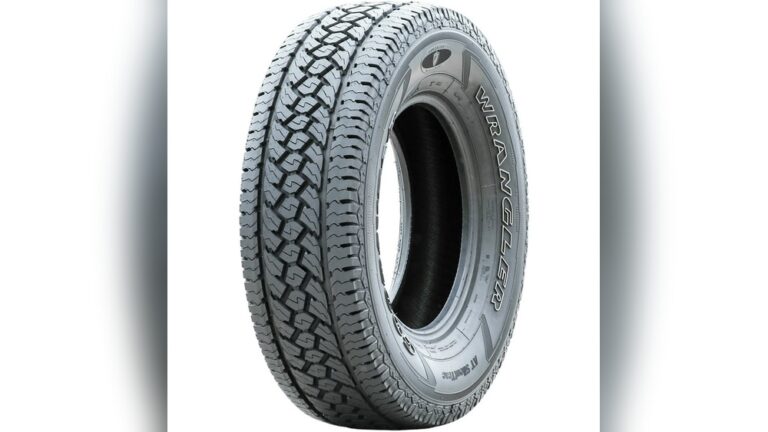
| All-Terrain | Trucks, SUVs, off-road | Durable, but noisier | Excellent in heavy rain if tread is deep |
Non-obvious insight: Many drivers assume “all-season” means “all weather,” but in Florida’s heavy rain, even all-season tires can struggle if they’re worn or have a less aggressive tread.
Credit: valuetirefl.com
Real-world Data: Tire Lifespan In Florida
Data shows that tire lifespan in Florida is often shorter than the national average. While most tires are rated for 40,000–60,000 miles, in Florida, many need replacement after just 30,000–40,000 miles. Why?
| State | Average Tire Lifespan (miles) | Main Weather Factor |
|---|---|---|
| Florida | 32,000 | Humidity, rain, heat |
| California | 40,000 | Dry, mild |
| Texas | 38,000 | Heat, some rain |
| New York | 44,000 | Cold, snow |
This difference comes from the extra stress Florida’s weather puts on tires—constant moisture, sudden rain, and heat working together.
Maintenance Tips For Florida Drivers
1. Check Tire Pressure Regularly
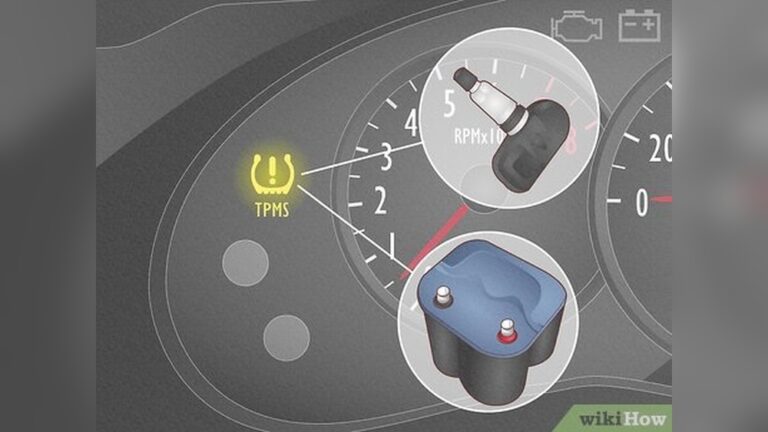
With temperature and humidity changes, tire pressure can fluctuate every day. Check your tire pressure at least once a month, and always before long trips. Use a digital gauge for accuracy, and follow the pressure recommended on your car’s door sticker—not the number on the tire.
2. Inspect Tread Depth
Use a penny or tread gauge to check tread depth. If Lincoln’s head is visible, it’s time to replace the tire. Don’t wait until the legal limit—rainy roads demand deeper tread for safety.
3. Rotate And Align Tires
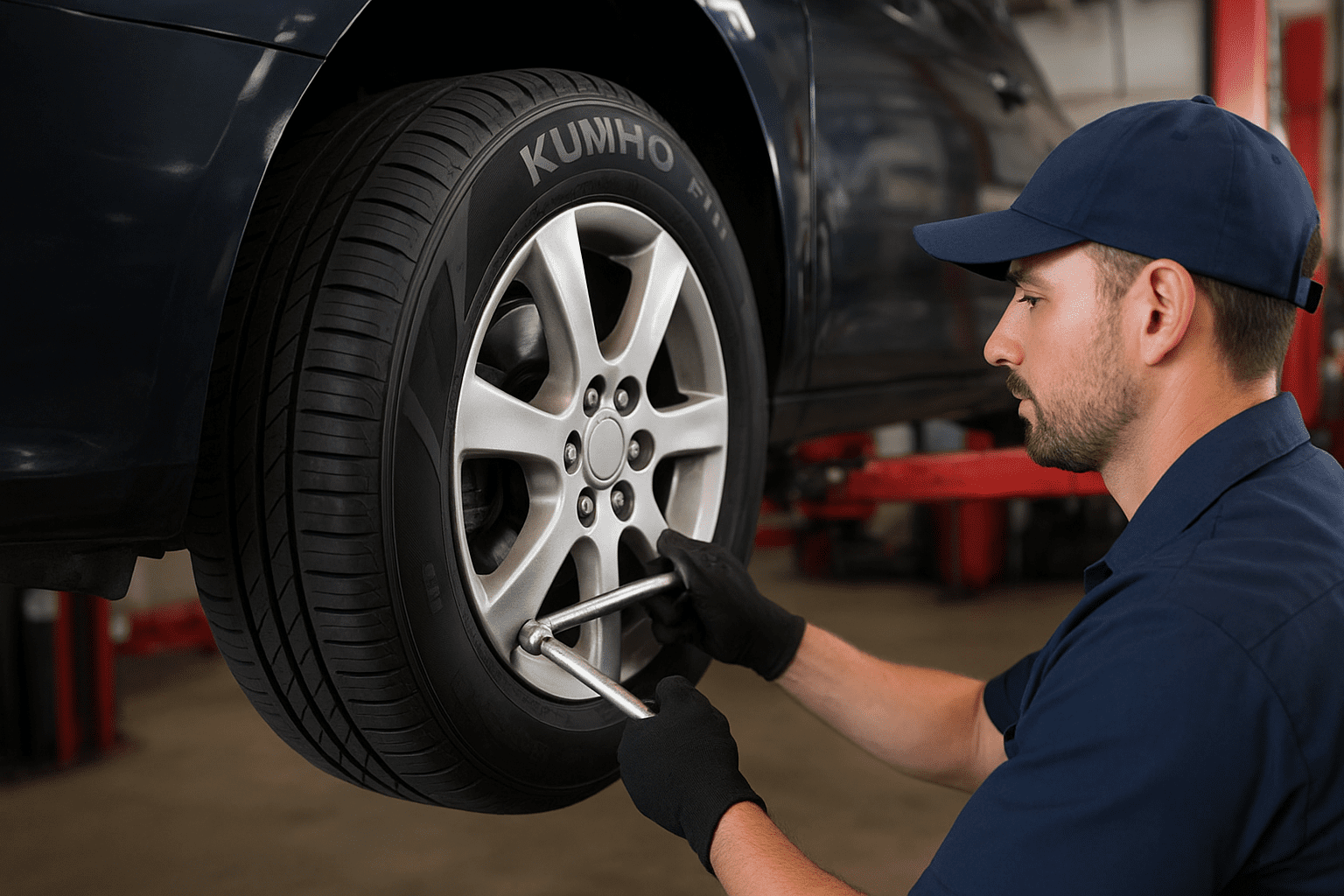
Rotating your tires every 6,000–8,000 miles helps them wear evenly. Alignment checks are important too, as uneven wear can reduce traction in wet conditions.
4. Clean Tires And Wheels
Remove dirt, mold, and brake dust regularly. This helps prevent corrosion caused by humidity and keeps your tires looking and performing better.
5. Store Your Car Wisely
If you leave your car unused for weeks (for example, during hurricane season or vacation), store it in a dry place, away from direct sun. Covering tires can protect them from UV and moisture damage.
6. Choose Tires With Wet-weather Ratings
Look for tires with good reviews for wet traction. Labels like “M+S” (Mud and Snow) or specific wet-weather icons mean better safety during Florida storms.
7. Replace Old Tires—even With Low Mileage
In Florida, tires can age out before they wear out. If your tires are over six years old, consider replacing them—even if they look fine. Check the DOT date code on the sidewall for the manufacturing year.
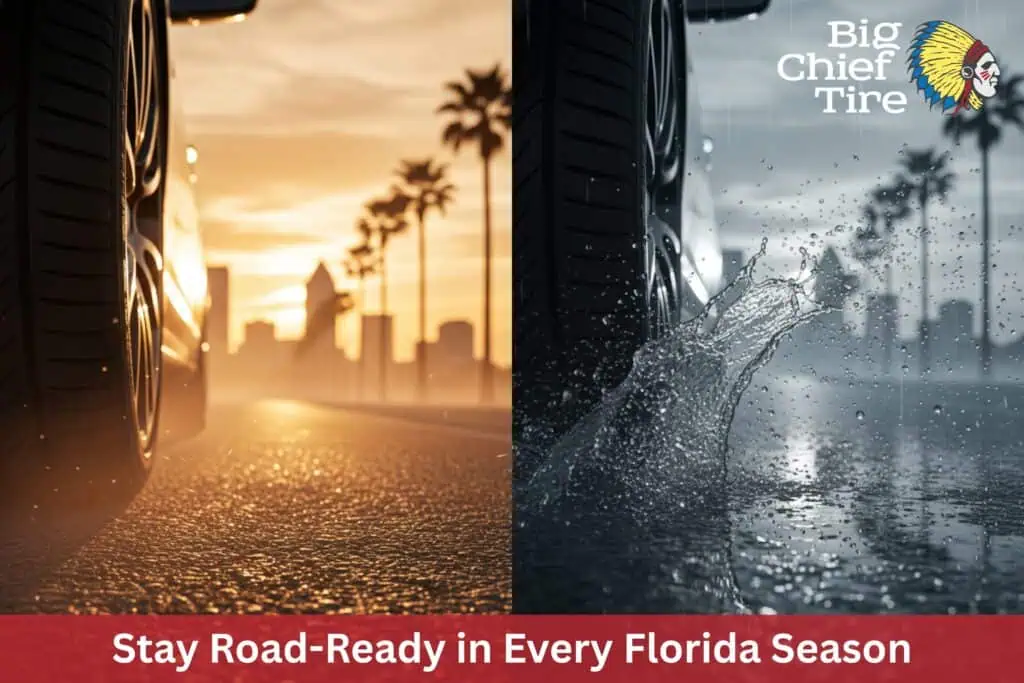
Credit: bigchieftire.com
Common Mistakes Florida Drivers Make
- Ignoring low tread: Many drivers believe as long as the tire isn’t bald, it’s safe. In Florida rain, low tread can mean disaster.
- Overinflating tires: Some people add extra air to “prepare” for heat. This can make hydroplaning worse and reduce grip.
- Delaying replacement: Tires may look good, but hidden cracks or internal damage from humidity can cause sudden failure.
- Using mismatched tires: Mixing brands or types (for example, two summer, two all-season) can hurt handling and water performance.
- Skipping regular checks: In Florida, skipping even one month of checks can lead to dangerous surprises.
How To Drive Safely In Florida Weather
Adjust Speed In Rain
Slow down as soon as rain starts. Most accidents happen during the first 10 minutes of rain, when roads are slipperiest.
Avoid Standing Water
Don’t drive through puddles or flooded roads. If you must, go slowly and avoid sharp turns.
Keep Safe Distances
Leave extra space between you and the car ahead. Wet tires can double your stopping distance.
Use Proper Lights
Turn on your headlights—not just parking lights—during rain for better visibility.
Be Mindful After Long Dry Spells
Rain after weeks of dry weather lifts oil and debris, making roads extra slick. Go easy on the gas and brakes.
Tire Technologies That Help In Florida
Some modern tires are built for places like Florida. Features to look for:
- Silica compounds: These stay flexible in humid, wet conditions, improving grip.
- Wide grooves: Help channel water away to prevent hydroplaning.
- Sipes: Small cuts in tread blocks improve traction on wet roads.
- Self-cleaning tread: Pushes out debris and water for better contact.
Many tire brands now test their products in wet, humid areas before releasing them. For more on tire technology and testing, check out the Tire Rack testing center.
What About Tire Sealants And Repairs?
In Florida, some people use sealants to fix small punctures. While these can work as a short-term fix, they don’t prevent damage from humidity or rain. Also, sealant can mask slow leaks caused by corrosion at the rim—something more common in wet climates.
Pro tip: Always get a professional inspection after using any sealant. Moisture trapped inside can speed up rust and tire failure.

Credit: www.brunerfirm.com
Tire Warranty And Insurance: Special Considerations
Florida’s climate can affect tire warranties. Some warranties don’t cover weather-related damage, like cracking from humidity. Check your tire’s warranty details, and consider road hazard insurance for extra peace of mind.
A little-known fact: Some insurance companies offer discounts if you use tires rated for wet conditions, as this lowers accident risk.
Frequently Asked Questions
How Often Should I Replace My Tires In Florida?
Most Florida drivers need to replace tires every 3–4 years, or around 30,000–40,000 miles. However, if your tires are older than six years, replace them even if tread looks good, due to the risk of aging from humidity.
What’s The Best Tread Depth For Florida Rain?
Aim for at least 4/32 inch (3. 2 mm) tread for good wet traction. The legal limit is 2/32 inch, but stopping distances increase sharply below 4/32 in heavy rain.
Can Humidity Damage Tires Even If I Don’t Drive Much?
Yes, Florida’s high humidity can age tires even on cars that are rarely used. Rubber can crack or harden, and mold can grow. Check tires regularly and replace them every six years.
Are There Tires Made Specifically For Florida Weather?
While few brands make “Florida-only” tires, many offer models with excellent wet and humidity performance. Look for all-season tires with high wet-traction ratings and silica-rich rubber compounds.
How Can I Tell If My Tires Are At Risk From Florida Weather?
Look for signs like small cracks, discoloration, or uneven tread wear. If you see mold or feel roughness on the sidewall, have your tires checked by a professional.
Driving in Florida means dealing with more than just sunshine. By understanding how humidity and rain affect tire performance, and following smart maintenance habits, you can keep your car safe and your tires lasting longer. Don’t let the weather catch you—or your tires—by surprise.