When shopping for new tires, you may notice confusing numbers and letters in their names, such as 102T or 102H. These codes are more than just random characters—they tell you important details about a tire’s strength and speed abilities. If you’re unsure about the differences between 102T vs 102H tires, this article will make things clear. Understanding these codes can help you choose safer tires, avoid mistakes, and even save money.
Let’s explore what these tire codes mean, how they impact your driving, and which option fits your needs best. We’ll cover everything from technical details to real-world examples, so you can make confident decisions.
Understanding Tire Codes: What Does 102t And 102h Mean?
The codes 102T and 102H found on tires actually combine two pieces of information:
- Load Index (102): This tells you how much weight the tire can safely carry.
- Speed Rating (T or H): This shows the maximum speed the tire can handle for long periods.
Let’s break these parts down.
Load Index: 102
The load index is a number, in this case 102, showing the tire’s maximum weight capacity. Each number matches a specific weight in kilograms.
- 102 means the tire can carry 850 kg (about 1874 lbs) when properly inflated.
This is not the total weight of your vehicle, but the maximum load per tire. If your car uses four tires, multiply this number by four to get the total tire load capacity.
Speed Rating: T Vs H
The speed rating is a letter (T or H) indicating the highest speed the tire can safely handle for long periods.
- T: Maximum speed of 190 km/h (about 118 mph)
- H: Maximum speed of 210 km/h (about 130 mph)
These ratings are set by tire manufacturers after testing. They are not just about speed—they reflect how the tire handles heat, stress, and performance at different speeds.
Why Tire Codes Matter
Choosing the right tire code is not just about matching numbers. It affects:
- Safety: Exceeding the speed or load rating can cause tire failure.
- Performance: Wrong ratings may affect handling, braking, and comfort.
- Insurance: Using tires below manufacturer recommendations may void coverage.
- Cost: Higher-rated tires can cost more but sometimes last longer.
Many car owners overlook these codes, but they are crucial. For example, using 102T tires on a car designed for 102H may reduce high-speed stability. Similarly, using tires with a lower load index can be dangerous if your vehicle is heavy.
Comparing 102t Vs 102h Tires
Let’s look at the key differences between these two tire types, focusing on real-world factors.
Speed Rating Differences
The most obvious difference is speed:
- 102T tires: Safe up to 190 km/h (118 mph)
- 102H tires: Safe up to 210 km/h (130 mph)
If you usually drive at normal highway speeds, 102T is often enough. But if you own a sporty car or drive in places with higher speed limits (like parts of Germany), 102H may be better.
Load Index: Identical
Both tires have 102 as the load index. That means both can carry 850 kg per tire. There is no difference in weight capacity.
Performance At High Speed
102H tires are designed to handle more heat and stress from higher speeds. They usually have stronger materials, better construction, and sometimes improved tread patterns. This can mean:
- Better stability at high speed
- Improved handling in sharp turns
- Less risk of overheating
102T tires are good for most average drivers, but may not perform as well during sporty driving or sudden maneuvers.
Price
Generally, H-rated tires are more expensive than T-rated ones. This is because they use higher-quality materials and require more testing.
But the price gap is not always big. It depends on the brand, model, and other features.
Wear And Longevity
Surprisingly, higher speed-rated tires can sometimes wear out faster. This is because softer rubber compounds are used to improve grip and handling at high speeds. 102H tires may need replacement sooner than 102T, especially if you drive aggressively.
However, some premium H-rated tires are engineered for long life.
Comfort And Noise
T-rated tires are often tuned for comfort. They may be quieter and offer a softer ride, which is ideal for daily commuting or family cars.
H-rated tires focus on performance, sometimes sacrificing comfort for better handling.
Real-world Examples: Who Should Choose 102t Or 102h?
To make things clearer, here are practical examples:
- Family Sedan or SUV: If you drive a regular car, rarely exceed 120 km/h, and value comfort, 102T tires are usually perfect.
- Sporty Car or Fast Driving: If you have a sports car, drive on highways with higher speed limits, or want maximum handling, 102H tires are recommended.
- Heavy Loads: Since both have the same load index, either works for carrying weight. But always check your vehicle’s manual.
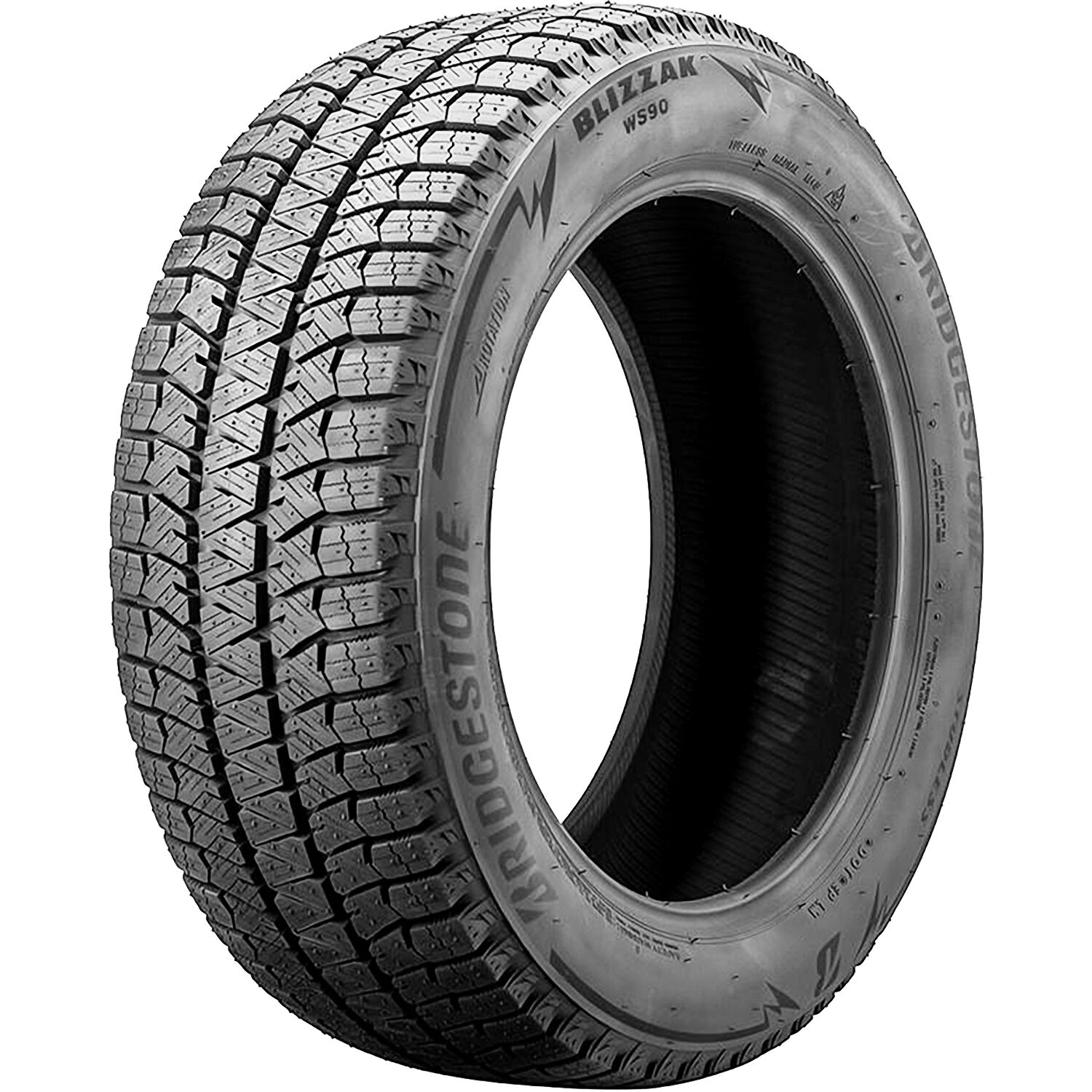
Credit: www.prioritytire.com
Technical Comparison: 102t Vs 102h
Here is a detailed comparison to help visualize the differences.
| Feature | 102T Tire | 102H Tire |
|---|---|---|
| Load Index | 102 (850 kg) | 102 (850 kg) |
| Speed Rating | T (190 km/h) | H (210 km/h) |
| Price | Usually lower | Usually higher |
| Longevity | Often longer | May wear faster |
| Comfort | Higher | Medium |
| Performance | Good for daily use | Better for sporty driving |
How To Choose Between 102t And 102h
Selecting the right tire is not always about picking the highest rating. Consider these key factors:
- Vehicle Requirements: Check your car’s manual for recommended speed and load ratings.
- Driving Habits: If you drive mostly in cities or highways under 120 km/h, 102T is fine. For faster driving, 102H is safer.
- Climate and Road Conditions: If you often drive in hot climates or rough roads, H-rated tires offer better resistance to heat and stress.
- Budget: If cost matters and you don’t need high performance, T-rated tires can save money.
- Comfort: For smoother rides, T-rated tires are usually quieter and softer.
Mistakes To Avoid
- Using Lower Ratings: Never use tires with lower load or speed ratings than your car requires.
- Ignoring Tire Age: Old tires, even with the right code, may be unsafe.
- Mixing Ratings: Don’t mix T and H-rated tires on the same car. This can affect handling.

Credit: e-catalog.com
Tire Markings: How To Read Them
Besides the 102T or 102H, tire markings include other important codes. Understanding them helps you choose wisely.
Common tire sidewall markings:
- P215/65R16 102T
- P: Passenger car
- 215: Width in mm
- 65: Aspect ratio
- R: Radial construction
- 16: Rim diameter in inches
- 102: Load index
- T: Speed rating
Always check the full code, not just the load and speed rating.
Testing And Certification
Tire manufacturers run strict tests to set load and speed ratings. They simulate real-world conditions, including:
- High-speed runs for hours
- Heavy loads
- Extreme temperatures
These tests are required by international safety standards. Only tires passing these tests can display the T or H rating.
Tire Types And Their Uses
The 102T and 102H codes are seen on many tire types:
- All-season tires: Common for family cars, usually T or H-rated.
- Performance tires: Often H-rated or higher, for sporty cars.
- Touring tires: Focus on comfort, often T-rated.
- SUV tires: Usually have higher load index, but T or H speed ratings.
Choosing the right type is as important as picking the correct rating.
The Impact Of Tire Ratings On Insurance And Warranty
Many drivers don’t realize that using incorrect tire ratings can affect:
- Insurance claims: If you use tires below recommended specs, claims may be rejected.
- Warranty: Manufacturers may void warranty if improper tires are used.
Always follow your vehicle’s specs. If unsure, consult your dealer or a trusted tire shop.
How Tire Ratings Affect Driving Safety
Let’s look at real-world safety impacts:
- Overloading: Using a tire with a low load index can cause blowouts, especially when carrying heavy passengers or cargo.
- Overspeeding: Exceeding the speed rating heats up the tire, raising the risk of tread separation or sudden failure.
- Handling: Wrong speed rating affects cornering, braking, and stability.
A non-obvious insight: Even if you never reach the maximum speed, speed ratings also reflect how the tire manages heat and stress at lower speeds, especially on hot roads or during long drives.
Tire Longevity: What To Expect
How long your tires last depends on:
- Driving style: Aggressive driving wears tires faster.
- Climate: Hot weather shortens life, especially for high speed-rated tires.
- Road quality: Rough roads cause faster wear.
T-rated tires are made for longer life, but H-rated ones provide better grip. If you value longevity, choose T-rated tires and rotate them regularly.
Maintenance Tips For 102t And 102h Tires
Proper care keeps your tires safe and lasting longer. Here are important steps:
- Check Pressure: Keep tires at recommended pressure for best performance.
- Rotate Tires: Switch front and back tires every 10,000 km to balance wear.
- Inspect for Damage: Look for cuts, bulges, or uneven tread.
- Avoid Overloading: Don’t exceed the load index, even for short trips.
- Replace Old Tires: Even if tread looks good, replace tires older than 5-6 years.
A practical tip: Many people forget to check tire age. Find the manufacture date on the tire sidewall (four-digit code). For example, 2318 means the tire was made in week 23 of 2018.
Tire Brands Offering 102t And 102h Models
Many brands sell tires in both ratings:
- Michelin: Offers both T and H-rated all-season and performance tires.
- Bridgestone: Known for durable, high-performing tires in both ratings.
- Continental: Focuses on comfort and safety, with T and H options.
- Goodyear: Makes tires for family cars and sporty vehicles.
- Pirelli: Specializes in performance tires, mostly H-rated or higher.
Prices and features vary by brand. Always compare tread life, warranty, and reviews before buying.
Data Table: Tire Wear And Performance
To show how T and H-rated tires perform, here’s a comparison based on tests from tire review sites.
| Test Category | 102T Tires | 102H Tires |
|---|---|---|
| Tread Life (km) | 60,000 – 75,000 | 50,000 – 65,000 |
| Braking Distance (100 km/h) | 42 m | 39 m |
| Noise Level (dB) | 67 | 70 |
| Wet Grip Score | 7/10 | 8/10 |
This shows H-rated tires often brake shorter and grip better, but T-rated tires last longer and are quieter.
Legal Rules For Tire Ratings
In many countries, law requires you to use tires with ratings equal to or higher than your vehicle’s specs. For example:
- Europe: Strict rules; fines for using lower-rated tires.
- USA: Recommendations, but some states enforce minimum ratings.
- Asia: Rules vary; always check local laws.
If you’re unsure, ask your local dealership or refer to your car’s manual.
Environmental Impact: Tire Ratings And Eco-friendliness
Tire ratings affect fuel use and emissions. T-rated tires usually have lower rolling resistance, improving fuel economy. H-rated tires may use more energy due to softer compounds.
If you care about the environment, choose low-resistance tires with the right rating. Some brands offer eco-friendly models with T or H ratings.
Upgrading Tires: Can You Switch Between 102t And 102h?
Many drivers ask if they can upgrade from 102T to 102H. It is possible, but:
- Always check compatibility with your vehicle.
- Upgrading to H-rated tires can improve handling.
- Sometimes, H-rated tires are stiffer, affecting ride comfort.
Down-grading (from H to T) is not recommended if your car needs H-rated tires. Always follow manufacturer advice.
Common Myths About Tire Ratings
Many people misunderstand tire codes. Here are some myths:
- Myth 1: Higher speed rating means better tire. Not always true; it depends on your needs.
- Myth 2: Speed rating is only for racing. Wrong; it affects safety even at normal speeds.
- Myth 3: All tires with same load index are equal. False; construction and materials matter.
How To Check Tire Ratings Online
Before buying, use tire comparison tools or visit official tire websites. Look for:
- Detailed specs
- User reviews
- Performance ratings
A useful resource is Tire Rack, which offers side-by-side comparisons and expert reviews.
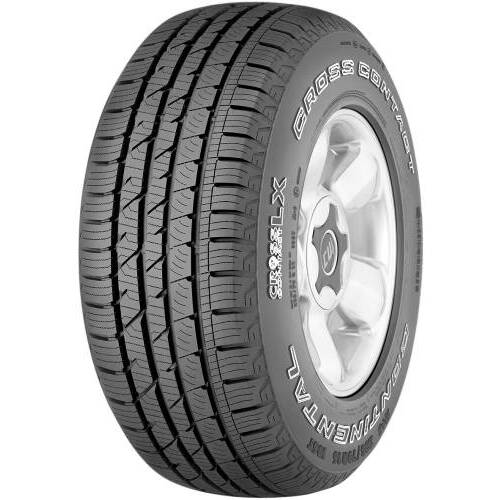
Credit: www.tires-easy.com
Frequently Asked Questions
What Happens If I Use 102t Tires Instead Of 102h?
If your car needs 102H tires and you use 102T, you may lose stability and safety at higher speeds. Insurance and warranty may be affected. Always match or exceed the recommended rating.
Can I Mix 102t And 102h Tires On My Car?
Mixing different speed ratings is not safe. It can cause uneven handling and braking. For best performance and safety, use the same rating on all tires.
Are 102h Tires Always More Expensive Than 102t?
Usually, yes, because they use higher-quality materials and more testing. But the price difference is not always big. Compare brands and features for the best value.
How Do I Find The Right Tire Rating For My Car?
Check your car’s manual or the sticker inside the driver’s door. It will list recommended load and speed ratings. If unsure, ask a tire expert or dealer.
Is It Safe To Upgrade From 102t To 102h?
Yes, if your car is compatible. H-rated tires can improve handling and high-speed safety. But they may be less comfortable and wear out faster. Always consult your vehicle manufacturer.
Choosing between 102T vs 102H tires is more than just reading numbers. It’s about matching your driving style, vehicle specs, and safety needs. Now that you know the facts, you can pick the right tire with confidence and enjoy safe, smooth driving.