Choosing the right tires is more than just a simple shopping decision—it can affect your safety, comfort, and budget for years. If you drive a truck, SUV, or tow trailers, you may have seen “8 ply” and “10 ply” tires in stores or online. But what do these numbers really mean for your driving experience? Many people think more plies always mean a stronger tire, but that’s only part of the story. Understanding the differences between 8 ply and 10 ply tires will help you make a smart choice for your vehicle and your needs. This guide will break down all the important facts, show real-world examples, and clear up common myths so you can buy with confidence.
What Does “ply” Mean In Tires?
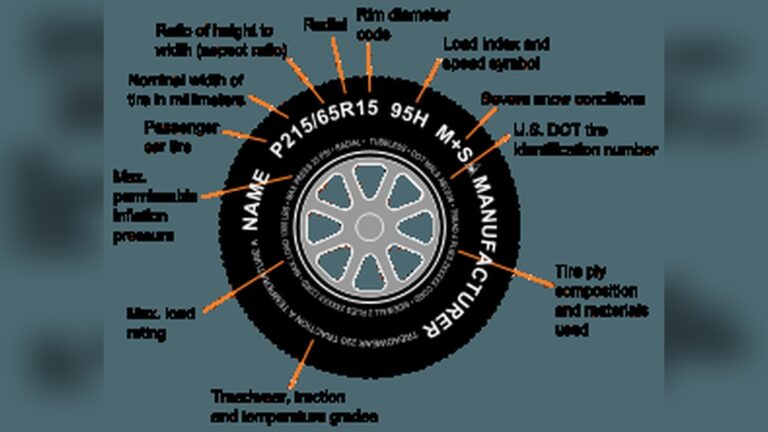
The term ply rating comes from the old way tires were made. Years ago, tire makers used layers (or “plies”) of cotton or nylon to give the tire strength. The more plies, the tougher the tire. Modern tires don’t actually have 8 or 10 fabric layers anymore. Instead, “ply rating” now shows how strong the tire is compared to those old designs. It’s a way to rate the tire’s strength—especially how much air pressure and load it can safely hold.
For example, an 8 ply tire is also called “Load Range D,” and a 10 ply tire is “Load Range E.” These ratings help you know which tire is right for your truck, van, or trailer based on how much you carry or tow. But the story doesn’t stop there. Let’s dive into the real differences, with specific examples and expert tips.
1. Construction And Material Differences
At first glance, an 8 ply and a 10 ply tire may look almost the same. The tread patterns can be similar, and they often fit the same size wheels. But the internal structure sets them apart. While “ply” no longer means the exact number of layers, 8 ply tires use lighter, fewer or thinner materials in their construction compared to 10 ply tires, which have stronger or more robust internal reinforcement.
8 ply tires often use two or three layers of strong synthetic fibers (like polyester or nylon) and a couple of steel belts. This gives them enough strength for most light trucks and SUVs that don’t carry heavy loads all the time.
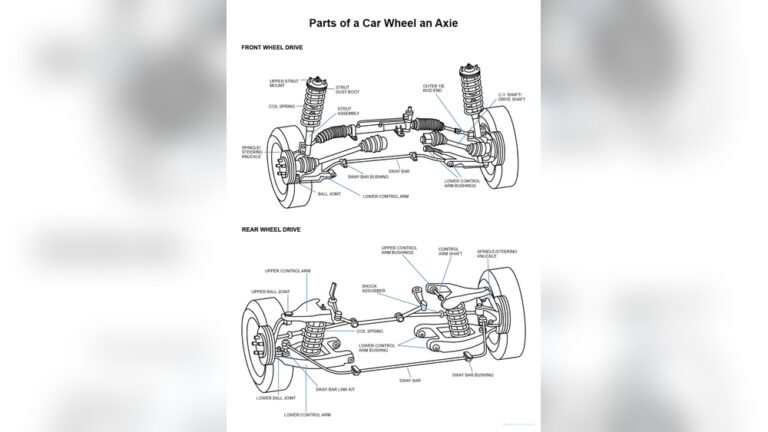
10 ply tires step this up with thicker or more durable materials, sometimes adding extra reinforcement or using denser rubber compounds. This makes them stiffer and more resistant to damage from sharp rocks, potholes, or curb impacts.
A practical example: If you compare the sidewall thickness of a typical 8 ply tire with a 10 ply, you’ll feel the 10 ply is firmer and less flexible. This difference matters when you drive on rough roads, construction sites, or anywhere with sharp objects that could puncture a tire.

Credit: www.discountedwheelwarehouse.com
2. Load Capacity: How Much Can Each Handle?
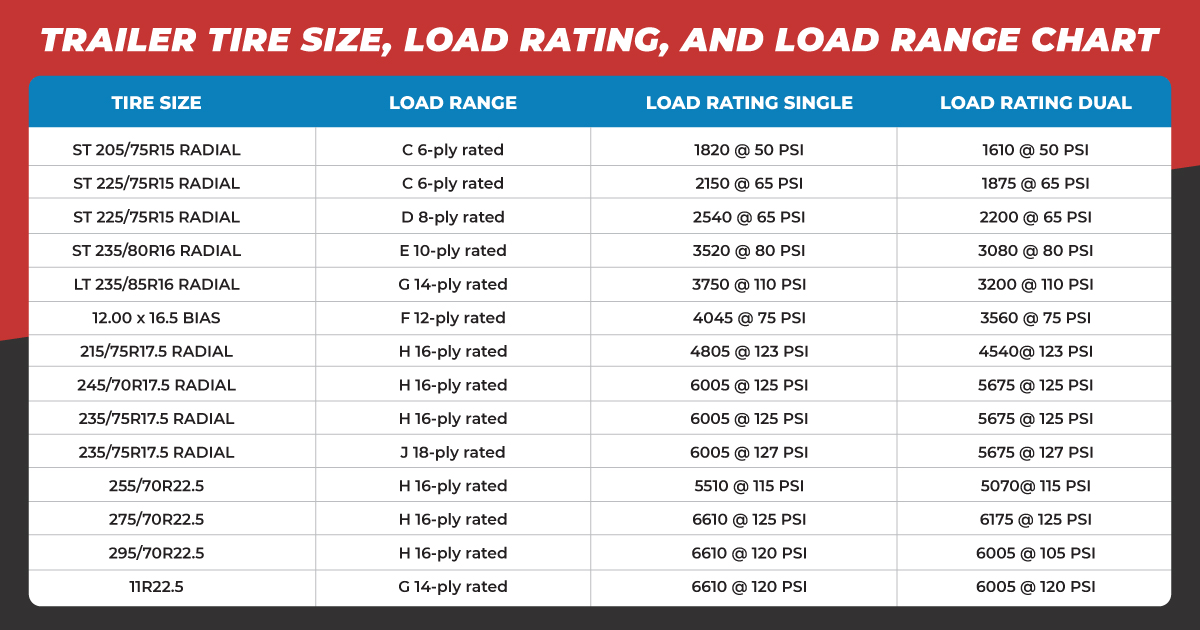
One of the main reasons drivers upgrade to 10 ply tires is for higher load capacity. This is the maximum weight the tire can safely carry at a specific air pressure. It’s important for towing, hauling heavy cargo, or using your vehicle for work.
Here’s a comparison between common 8 ply and 10 ply tire load ratings:
| Ply Rating | Load Range | Max Load (Single) | Max PSI |
|---|---|---|---|
| 8 Ply | D | 2,500 lbs (1,134 kg) | 65 PSI |
| 10 Ply | E | 3,195 lbs (1,450 kg) | 80 PSI |
As you can see, 10 ply tires can hold roughly 700 pounds (318 kg) more per tire than 8 ply models. If you have a heavy trailer or a truck loaded with tools, this extra capacity is essential. However, using a higher ply tire when you don’t need it can make the ride less comfortable and cost you more in fuel (more on that soon).
A hidden insight: Many drivers forget to check their truck’s “Gross Axle Weight Rating” (GAWR). Even if your tires can handle more weight, your truck’s suspension and frame might not. Always check your owner’s manual and match your tires to your vehicle’s limits—not just what fits on the rim.
3. Air Pressure And Inflation
The maximum air pressure a tire can safely hold is directly related to its ply rating. 8 ply tires usually have a maximum PSI (pounds per square inch) of 60–65, while 10 ply tires can be inflated to 80 PSI. Higher air pressure allows the tire to carry heavier loads without deforming.
But there’s a tradeoff. Tires with higher ply ratings and more pressure are stiffer. On an empty truck, this can lead to a harsher, bumpier ride. Some drivers with 10 ply tires lower their air pressure when not hauling, but it’s important to stay above the minimum recommended PSI for safety and even tire wear.
A common mistake is to inflate all tires to the maximum PSI printed on the sidewall. Instead, use the pressure recommended by your vehicle’s manufacturer, which you can usually find on a sticker inside the driver’s door. This keeps the tires wearing evenly and gives you the best mix of ride comfort, handling, and safety.
4. Ride Comfort And Noise
A big question for many drivers: Will switching to 10 ply tires make my ride rough or noisy? The answer is: it depends on your vehicle, the tire brand, and how much weight you’re carrying.
8 ply tires are generally more flexible and provide a smoother, softer ride—especially when the vehicle is empty or lightly loaded. They absorb bumps and potholes better, which is a big plus for city driving or long highway trips.
10 ply tires are stiffer, especially when inflated to higher pressures. This can make your vehicle feel harder over rough roads or expansion joints. You may also notice a bit more road noise, especially on rough pavement. But, when you’re carrying a heavy load or towing a trailer, the extra strength of a 10 ply tire helps keep everything stable and safe.
A less-known tip: Tire brands and tread designs also affect noise and comfort. Some premium 10 ply tires use special tread patterns or rubber blends to reduce noise, but these can be more expensive. Always read reviews and, if possible, test drive with the tires you’re considering.
5. Durability And Puncture Resistance
If you drive on rough terrain, construction sites, or country roads, durability is a top concern. 10 ply tires are designed to handle more abuse. Their thicker construction resists punctures from sharp rocks, nails, and other hazards better than most 8 ply tires.
This doesn’t mean 8 ply tires are weak—they’re still tough enough for most city and highway driving, and even light off-roading. But if you regularly face gravel roads, off-road trails, or job sites full of debris, the added toughness of a 10 ply tire pays off.
Many commercial vehicles, ranch trucks, and off-road enthusiasts choose 10 ply tires for this reason.
Something beginners often miss: Tire age and maintenance matter as much as ply rating. Even the toughest 10 ply tire can fail if it’s old, under-inflated, or has sidewall damage. Inspect your tires every month for cuts, cracks, or bulges, and replace them if you see any signs of damage.
6. Cost: Upfront Price And Long-term Value
10 ply tires usually cost more than 8 ply tires. The price difference can be $20–$60 (or more) per tire, depending on the brand, size, and features. Why pay more? The extra cost covers tougher materials, more advanced designs, and sometimes, a longer warranty.
But the real value comes from matching the tire to your needs. If you never carry heavy loads, the extra money for 10 ply tires may not give you any real benefit—in fact, you may lose ride comfort and fuel economy.
On the other hand, if you haul heavy trailers or drive on bad roads, the investment in 10 ply tires can prevent costly blowouts and downtime.
Here’s a quick example of typical prices for common sizes:
| Tire Size | 8 Ply Price (avg.) | 10 Ply Price (avg.) |
|---|---|---|
| LT265/70R17 | $180 | $230 |
| LT245/75R16 | $150 | $200 |
| LT285/75R16 | $200 | $260 |
Keep in mind: Cheaper tires are not always a bargain. Lower quality rubber or poor construction can mean more flats, less tread life, and more money spent in the long run. Check reviews and look for tires with a good reputation for reliability.
7. Fuel Economy And Rolling Resistance
This is an area many drivers overlook. 10 ply tires are heavier and stiffer than 8 ply tires. This extra weight and firmness mean your engine has to work harder to turn the tires—this is called rolling resistance. Higher rolling resistance can reduce your fuel economy by 1–3 miles per gallon, depending on your vehicle and driving style.
For example, a pickup truck that gets 18 mpg with 8 ply tires might drop to 16–17 mpg with 10 ply tires—especially if those 10 ply tires are all-terrain or mud-terrain types, which have more aggressive treads.
However, if you’re towing a heavy trailer, 10 ply tires can sometimes improve fuel efficiency slightly because they keep the tire from deforming and overheating, reducing wasted energy. The effect is small but can add up over long trips.
A subtle insight: Proper tire inflation is key. Under-inflated tires (of any ply rating) greatly increase rolling resistance and lower your miles per gallon. Check your tire pressure at least once a month and before long trips.
8. Suitability For Different Vehicles And Uses
Choosing between 8 ply and 10 ply tires depends on how you use your vehicle. Here’s a breakdown of common uses:
- Light trucks/SUVs for daily driving: 8 ply tires are usually enough. They give a smoother ride and better fuel economy.
- Towing campers or boats: 10 ply tires are safer if your trailer is heavy or you carry a lot of gear.
- Work trucks or vans: 10 ply tires handle heavy tools and equipment with less risk of blowouts.
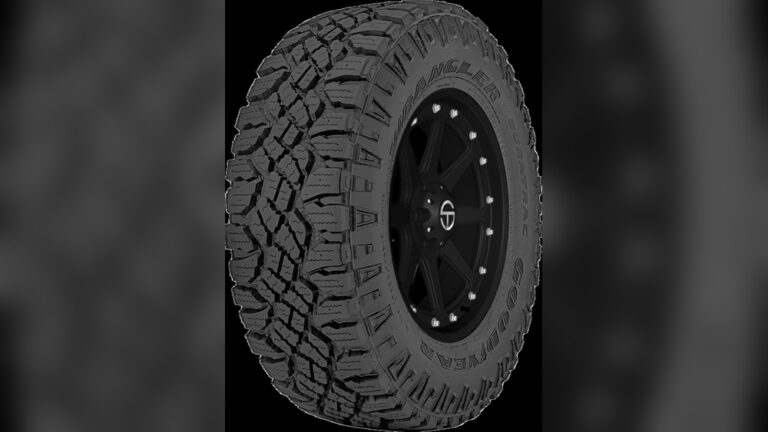
- Off-road adventures: 10 ply tires give more protection from sharp rocks and rough terrain.
- Commercial or fleet use: 10 ply tires last longer under heavy use and reduce downtime.
Some vehicles, like half-ton pickups, can use either type, depending on the load. Always check your owner’s manual for recommended load range. Don’t assume bigger is always better—using tires that are too stiff for your vehicle can cause handling problems, increased wear on suspension parts, and a rough ride.
A practical example: A family SUV that rarely tows and mostly drives on highways will perform better, use less fuel, and ride more comfortably with 8 ply tires. A construction truck that carries heavy equipment every day will need 10 ply tires for safety and durability.
Key Differences At A Glance
For a quick side-by-side look, here’s a summary of the main differences:
| Feature | 8 Ply Tire | 10 Ply Tire |
|---|---|---|
| Load Range | D | E |
| Max PSI | 60–65 PSI | 80 PSI |
| Max Load (per tire) | 2,500 lbs | 3,195 lbs |
| Ride Comfort | Softer, smoother | Stiffer, firmer |
| Puncture Resistance | Good | Excellent |
| Fuel Economy | Better | Slightly lower |
| Price | Lower | Higher |
| Best For | Light loads, comfort | Heavy loads, tough use |
Common Myths And Mistakes
Many people think that more plies always mean better tires. That’s not true for every driver. 10 ply tires are not “better” for everyone—they’re just different. Here are a few common myths:
- “10 ply tires last longer.” Not always. If you drive mostly empty, the stiffer tire can actually wear faster, especially in the center.
- “You need 10 ply tires for towing anything.” Only heavy trailers or loads near your truck’s max rating require 10 ply. For smaller trailers, 8 ply is fine.
- “Higher ply means fewer flats.” True for sharp object punctures, but not for sidewall damage or old, dry tires.
- “Any size tire can be 10 ply.” Not all tire sizes are available in both 8 and 10 ply. Always check availability for your wheel size.
A mistake many make: Upgrading to a 10 ply tire without telling their tire shop or mechanic. If you switch, let them know so they can adjust your recommended tire pressure and inspect your wheels for compatibility.
When Should You Choose Each Type?
Choose 8 ply tires if:
- Your vehicle is mostly used for commuting or family trips
- You rarely tow or haul heavy loads
- You want a comfortable, quiet ride
- Fuel economy is important
Choose 10 ply tires if:
- You tow large campers, boats, or heavy trailers
- Your vehicle is loaded with equipment or tools for work
- You drive on gravel, off-road, or rough construction sites
- Maximum durability and puncture resistance is a top concern
A non-obvious tip: If you switch to 10 ply tires for a trip, consider adjusting your driving style. Heavier tires can affect braking distances and cornering. Take a few practice drives to get used to the new feel before heading on a long journey.

Credit: www.tirebuyer.com
Real-world Examples And Owner Experiences
Let’s look at a few real-world situations:
- Joe, a landscaper in Texas, switched to 10 ply tires after getting multiple flats on his 8 ply set. After the upgrade, he’s had zero flats despite daily trips to rough job sites.
- Maria, an RV owner, chose 8 ply tires for her light trailer but switched to 10 ply after upgrading to a larger, heavier camper. She noticed the ride was firmer but felt safer on long trips.
- Derek, a city commuter, tried 10 ply tires on his SUV but switched back to 8 ply after finding the ride too stiff and noisy for daily use.
These examples show there’s no one-size-fits-all answer. Your best choice depends on your driving habits and what you need from your tires.
Expert Recommendations And Safety Advice
Tire experts agree: Always follow your vehicle manufacturer’s recommendations for tire size, load range, and inflation. Don’t just pick the highest ply rating—choose what matches your use.
It’s also wise to buy tires from a trusted dealer who can guide you based on your real needs, not just sales targets. Check reviews and ask other drivers with similar vehicles about their experiences.
One more expert tip: Rotate your tires every 5,000–8,000 miles and check your alignment. This helps all tires, no matter the ply, last longer and perform better.
Credit: www.tires-easy.com
Frequently Asked Questions
What Is The Main Difference Between 8 Ply And 10 Ply Tires?
The main difference is load capacity and strength. 10 ply tires can carry more weight and handle higher air pressure, making them better for heavy-duty use. 8 ply tires are lighter, offer a smoother ride, and work well for regular driving with lighter loads.
Can I Use 10 Ply Tires On A Light Truck Or Suv?
Yes, you can use 10 ply tires if they fit your wheels and meet your vehicle’s size specs. However, you may notice a stiffer ride and slightly lower fuel economy. Only choose 10 ply if you need the extra strength for towing, hauling, or tough terrain.
Are 8 Ply Tires Safe For Towing?
8 ply tires are safe for towing small or medium trailers, as long as you stay within their load rating and your vehicle’s limits. For very heavy trailers or long-distance towing, 10 ply tires are safer and more reliable.
Do 10 Ply Tires Last Longer Than 8 Ply Tires?
Not always. Tread life depends on the brand, your driving style, and how well you maintain the tires. 10 ply tires may last longer under heavy use, but can wear out faster if you drive mostly empty on smooth roads.
Where Can I Find More Information About Ply Ratings And Tire Safety?
You can learn more from the U.S. National Highway Traffic Safety Administration’s official tire safety page, which explains tire ratings, maintenance, and safety tips for all drivers.
Choosing the right tires isn’t just about numbers—it’s about matching your tire’s strength, comfort, and cost to how you really use your vehicle. By understanding the differences between 8 ply and 10 ply tires, you’ll drive safer, save money, and get the performance you need mile after mile.