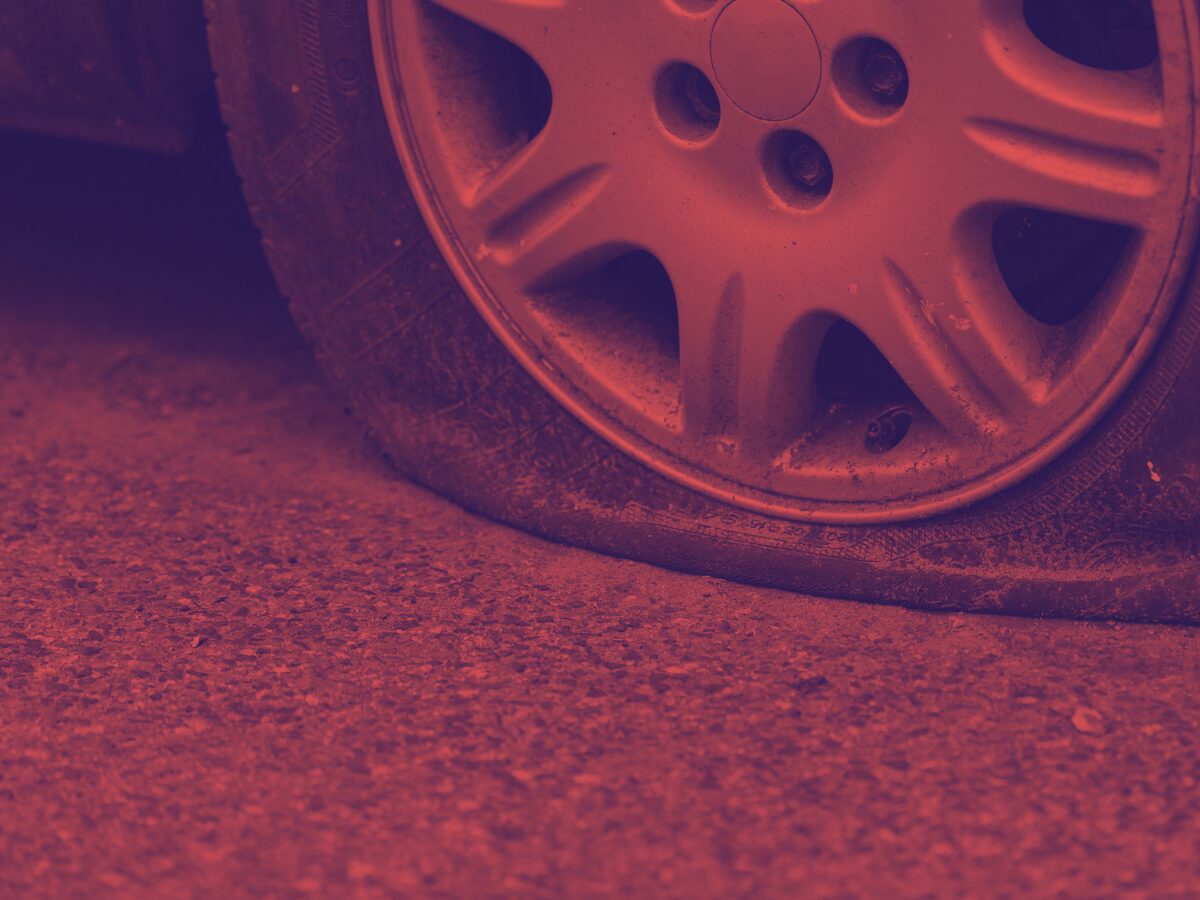
A flat tire can happen to anyone, anytime. Maybe you are driving to work, heading for a holiday, or simply running errands. Suddenly, your car feels heavy or starts pulling to one side. You hear a thumping sound. Soon you realize: you have a flat tire. This common problem is more than just an inconvenience. It can delay your plans, cost you money, and even put you in a dangerous situation on the road. But what really causes a flat tire? Is it just about running over a nail, or are there other reasons? Understanding the different causes of flat tires can help you avoid them and take better care of your vehicle.
Common Causes Of A Flat Tire
Many people think a flat tire only happens because of sharp objects. In reality, there are several reasons your tire can lose air or even burst. Here are the most common causes:
Puncture By Sharp Objects
Probably the first thing most drivers think about. Nails, screws, glass, or metal pieces on the road can easily puncture your tire. When this happens, air escapes quickly or slowly, depending on the size and angle of the puncture. Sometimes the object stays stuck in the tire, and you may not notice the problem until much later.
Valve Stem Issues
The valve stem is a small but important part. It’s where you add air to the tire. If the valve stem is damaged, corroded, or loose, air can leak out. Even a tiny crack or bit of dirt can cause a slow leak. Many drivers overlook this, but old or faulty valve stems are a silent cause of flat tires.
Worn Or Aged Tires
Tires are made from rubber, which wears out over time. Worn-out tires are thinner and more likely to puncture. Cracks and dry rot can develop if the tire is old or exposed to the sun for long periods. Even if the tread looks okay, the tire could still be weak and unsafe.
Impact Damage From Potholes Or Curbs
Hitting a pothole, curb, or speed bump too fast can damage your tire. The sudden force can create a tear, bubble, or pinch on the sidewall. Sometimes, this damage is not visible right away, but the tire may fail days or weeks later.
Overinflation And Underinflation
If your tire pressure is not right, you are at risk. Overinflated tires are hard and more likely to burst if you hit something. Underinflated tires flex more, heat up, and wear out faster. Both situations make it easier for the tire to go flat.
Bead Leaks
The bead is the edge of the tire that sits on the wheel rim. If the bead area is not sealed properly or is damaged, air can leak out slowly. Corrosion on the rim or dirt trapped between the tire and rim can also cause bead leaks.
Damaged Wheels Or Rims
A bent or cracked wheel rim does not hold the tire tightly. This lets air escape, especially when driving over bumps. Rims can be damaged by hitting curbs, potholes, or from corrosion over time.
Vandalism
Sadly, sometimes people cause flat tires on purpose. Someone may let the air out of your tire, cut it with a knife, or damage the valve stem. This is less common, but it does happen in some areas.
Tire Blowouts
A blowout is a sudden and complete loss of air. It can happen due to overinflation, hitting an object, or having a weak spot in the tire. Blowouts are dangerous, especially at high speeds, as they can cause loss of control.
Faulty Or Poor Tire Repairs
If a tire has been patched or repaired badly in the past, it can fail again. Improper plugs or patches may not seal the hole completely. Sometimes, the repair material falls out, or the hole grows bigger, causing a flat.
How Different Causes Compare
To better understand how often these causes happen and how serious they are, see this comparison:
| Cause | Frequency | Severity | Typical Repair Cost |
|---|---|---|---|
| Puncture by Sharp Objects | Very Common | Moderate | $10–$30 (repair) |
| Valve Stem Issues | Common | Low–Moderate | $5–$20 |
| Worn or Aged Tires | Common | High | $50–$200 (replacement) |
| Impact Damage | Moderate | High | $50–$200 |
| Over/Underinflation | Very Common | Moderate–High | Varies |
| Bead Leaks | Less Common | Low | $10–$30 |
| Damaged Wheels/Rims | Moderate | High | $50–$500 |
| Vandalism | Rare | Varies | $10–$200 |
| Tire Blowouts | Uncommon | Very High | $50–$300 |
| Poor Repairs | Less Common | Moderate | $10–$30 |
Hidden Factors Most Drivers Miss
While the main causes above cover most flat tire cases, there are some less obvious factors to know:
Temperature Changes
Sudden temperature drops can lower tire pressure overnight. A cold snap can make a tire lose several PSI (pounds per square inch), making it look flat or cause a slow leak to become a problem.
Driving Habits
If you often drive on rough roads, carry heavy loads, or brake hard, your tires wear out faster. Fast cornering or speeding over bumps can also stress the tire’s structure.
Poor Quality Tires
Cheaper or poorly made tires are more likely to fail. Sometimes new tires from unknown brands do not meet safety standards. Always choose trusted brands and make sure the tire type fits your car and driving style.
Wheel Alignment And Suspension Issues
Bad wheel alignment or broken suspension parts can make your tires wear unevenly. This weakens the tire in certain spots, making a flat or blowout more likely.
How To Spot A Flat Tire Early
Catching a problem early can save you money and keep you safe. Here’s what to look for:
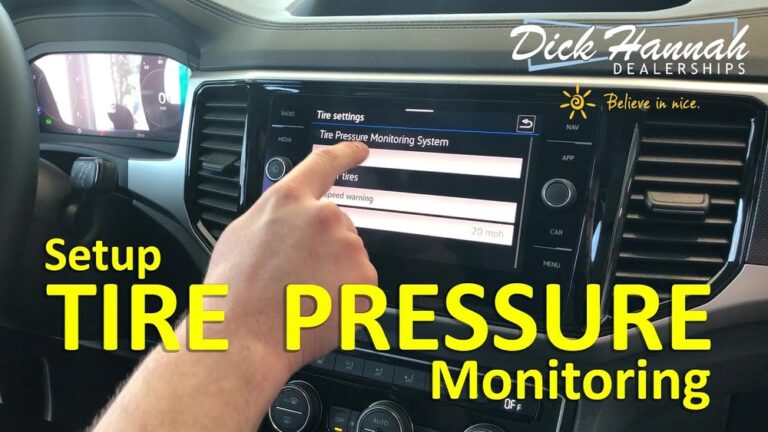
- Low tire pressure warning light (if your car has a TPMS)
- A car that feels heavy, drags, or pulls to one side
- Thumping or flapping sounds, especially at low speeds
- Visible damage, bulges, or cracks in the tire
- Slow air loss over days or weeks
What To Do If You Have A Flat Tire
If you suspect or see a flat tire while driving:
- Slow down carefully and pull over to a safe area.
- Turn on your hazard lights so other drivers see you.
- Inspect the tire. If it’s a blowout or visibly damaged, do not drive further.
- If you have a spare tire and tools, you may change it yourself. If not, call for roadside assistance.
Driving on a flat tire, even for a short distance, can destroy the tire, damage your wheel, and put you in danger.
Ways To Prevent Flat Tires
Flat tires are sometimes unavoidable, but you can lower your risk with these steps:
- Check your tire pressure at least once a month and before long trips.
- Inspect tires for nails, cracks, or bulges regularly.
- Replace tires before they get too old (usually every 6 years or 40,000 miles, whichever comes first).
- Avoid potholes, debris, and rough roads when possible.
- Don’t overload your car. Extra weight stresses the tires.
- Make sure wheels and valve stems are in good shape.
- Get wheel alignment and suspension checked once a year.
Credit: www.centerlinedrivers.com
The Impact Of Flat Tires On Safety And Costs
A flat tire is more than a small problem. Every year, more than 11,000 accidents in the United States are linked to tire issues, according to the National Highway Traffic Safety Administration. A flat tire at high speed can cause a loss of control or a rollover. Even at low speeds, it can leave you stranded in a dangerous area.
The costs add up too. Besides tire repair or replacement, you may have to pay for towing, missed work, or even repairs to your wheel or suspension if you keep driving on a flat. Taking care of your tires is a smart investment in both your safety and your wallet.
Common Myths About Flat Tires
Let’s clear up some flat tire myths that often confuse drivers:
- “If a tire looks okay, it’s safe.” Not always true. Some damage is hidden or only shows up under pressure.
- “You can fix any flat with a sealant.” Temporary sealants may not work for big holes, sidewall damage, or bead leaks.
- “New tires can’t go flat.” New tires are safer, but still can be punctured or damaged by impacts.
- “You only need to check tires before long trips.” Everyday driving wears tires out. Regular checks are best.

Credit: castletireshop.com
Flat Tire Frequency By Vehicle Type
Different vehicles face different flat tire risks. Here’s a quick comparison:
| Vehicle Type | Flat Tire Risk | Common Causes |
|---|---|---|
| Passenger Car | Moderate | Punctures, Underinflation |
| Truck/SUV | Higher | Impact, Overloading |
| Motorcycle | High | Punctures, Bead Leaks |
| Bicycle | Very High | Punctures, Pinch Flats |
| Commercial Vehicle | High | Heavy Loads, Road Debris |
Frequently Asked Questions
What Should I Do If My Tire Keeps Going Flat?
If your tire goes flat again and again, check for hidden punctures, a damaged valve stem, or bead leaks. Sometimes, a slow leak can be hard to spot. Take your tire to a professional to inspect it closely.
How Can I Tell If My Tire Can Be Repaired Or Needs Replacement?
Small punctures in the tread area can often be repaired safely. But if the hole is in the sidewall, larger than 1/4 inch, or the tire is very old, it’s safer to replace it. Always follow expert advice.
How Often Should I Check My Tire Pressure?
Check your tire pressure at least once a month and before any long trip. Tire pressure drops naturally over time, and can change quickly with temperature.
Are Tire Sealants A Good Solution For Flat Tires?
Sealants can help you drive a short distance after a small puncture, but they are not a permanent fix. They don’t work for major damage, sidewall cuts, or bead leaks. Always get a proper repair as soon as possible.
Where Can I Find More Information On Tire Safety?
You can learn more about tire safety, maintenance, and statistics from the National Highway Traffic Safety Administration.
A flat tire is frustrating, but it’s not a mystery. By knowing the causes and spotting early signs, you can protect yourself and your vehicle. Regular care and smart driving habits go a long way in keeping your tires, and your journeys, safe.

Credit: www.reddit.com