When you drive, your car’s tires keep you connected to the road. But over time, even small problems with your wheels or tires can affect how your vehicle handles, wears, and feels. Two common services—tire balancing and tire alignment—help keep your ride smooth, safe, and efficient. Many people confuse these two, but they are different processes with unique signs, benefits, and costs. Understanding when and why you need each one can make your car last longer and save you money.
If you’ve ever wondered why your steering wheel shakes, why your tires wear unevenly, or why your car seems to pull to one side, this article will explain the difference between tire balancing and tire alignment in clear, simple language.
You’ll find out what each service does, how to spot problems, what happens if you ignore them, and how to keep your car driving its best. Let’s explore the world of tires, wheels, and the small details that make a big difference.
What Is Tire Balancing?
Tire balancing is a process that makes sure the weight of a tire and wheel is even all around. Even new tires and wheels can have small weight differences. When these aren’t balanced, the tire can spin unevenly, causing vibration and other issues.
A mechanic uses a special machine to spin the tire and check where the weight is heavy or light. Small metal weights are then added to the rim to even things out. The goal is for the tire to spin smoothly at any speed.
Why Tire Balancing Matters
- Smooth Ride: An unbalanced tire causes vibration, especially at higher speeds. This can make driving uncomfortable.
- Longer Tire Life: Vibration causes tires to wear out faster and unevenly, costing you more in the long run.
- Protects Suspension: Continuous vibration can damage your car’s suspension and steering parts.
- Better Fuel Economy: A smooth-spinning tire uses less energy, helping your car use less fuel.
How Often Should Tires Be Balanced?
Most experts suggest balancing your tires:
- Every time you buy new tires
- When a tire is removed from the rim and reinstalled
- If you feel vibration in the steering wheel or seat, especially at highway speeds
- Every 5,000 to 7,500 miles (usually during rotation)
Signs Your Tires Need Balancing
- Vibration in the steering wheel, seat, or floorboard
- Tires wearing unevenly, especially with spots or patches
- Unusual noises or “thumping” sounds from the wheels
Many drivers ignore these small signs, but doing so can shorten the life of your tires and lead to expensive repairs.
What Is Tire Alignment?
Tire alignment—also called wheel alignment—adjusts the angles of your wheels so they point straight and meet the road at the correct angle. This service is all about the way your tires touch the road, not about their weight.
Mechanics use special equipment to measure and adjust three main angles:
- Camber: The tilt of the tire inward or outward when viewed from the front
- Toe: How much the tires turn inward or outward when viewed from above
- Caster: The angle of the steering axis when viewed from the side
All these angles must be set to your car manufacturer’s specifications.
Why Tire Alignment Matters
- Steering Stability: Good alignment keeps your car going straight and makes steering easier.
- Even Tire Wear: Poor alignment causes tires to wear out faster and unevenly.
- Better Handling: A well-aligned car responds better and feels safer, especially in sudden turns or bad weather.
- Improved Fuel Efficiency: Misalignment makes your car work harder, using more fuel.
How Often Should Alignment Be Checked?
Most cars need an alignment check:
- Every 1-2 years, or as recommended by your car manufacturer
- If you hit a big pothole or curb
- After replacing suspension or steering parts
- If you notice your car pulling to one side, or the steering wheel is off-center
Signs Your Car Needs An Alignment
- Car pulls to the left or right when driving straight
- Steering wheel is crooked even when driving straight
- Tires wear unevenly or quickly
- Squealing tires, especially during turns
Ignoring these signs can lead to rapid tire wear, poor handling, and even dangerous driving conditions.

Credit: www.tyremarket.com
Key Differences Between Tire Balancing And Tire Alignment
Many people use the terms “balancing” and “alignment” as if they are the same. But in reality, they address very different issues. Here’s a side-by-side comparison:
| Feature | Tire Balancing | Tire Alignment |
|---|---|---|
| What it Fixes | Uneven weight around the wheel | Improper wheel angles |
| Main Symptoms | Vibration in steering wheel/seat | Pulling, crooked steering wheel |
| How Often Needed | With new tires, or if vibration occurs | Every 1-2 years, or after impacts |
| Tools Used | Spin balancer, wheel weights | Alignment machine, wrenches |
| Impact on Tire Life | Prevents patchy/spot wear | Prevents uneven edge/shoulder wear |
Key insight: Balancing deals with spinning and vibration. Alignment deals with direction and angle. Both are needed for a smooth, safe ride.
Step-by-step: How Tire Balancing Is Done
Understanding the steps helps you know what’s happening in the shop and what to expect.
- Remove Tire and Wheel: The wheel and tire are taken off your car.
- Mount on Balancing Machine: The technician puts the wheel on a machine that spins it at high speed.
- Measure Imbalance: Sensors check for heavy or light spots as the wheel spins.
- Attach Weights: Small metal weights are added to the rim to balance the wheel.
- Retest: The wheel is spun again to make sure it’s balanced.
- Remount on Car: The balanced wheel and tire are put back on your vehicle.
Pro tip: If you drive mostly on rough roads, or often hit potholes, you may need balancing more often. Dirt, mud, or ice stuck inside the wheel can also throw off balance.

Credit: www.tyremarket.com
Step-by-step: How Tire Alignment Is Done
Tire alignment is a bit more complex than balancing. Here’s what happens:
- Initial Inspection: The mechanic checks tires, suspension, and steering for damage.
- Mount Sensors: Special clamps and sensors are attached to each wheel.
- Read Measurements: The alignment machine reads the camber, caster, and toe angles.
- Adjust Angles: The technician makes precise adjustments to the suspension and steering parts to bring angles back to factory specs.
- Check and Test Drive: The car is driven to make sure it handles correctly.
Expert tip: Not all cars allow adjustments for all angles. Some vehicles have fixed parts and only allow toe adjustment, not camber or caster.
Common Myths And Misunderstandings
Many drivers make mistakes when it comes to tire care. Here are a few misconceptions:
- “My tires are new, so I don’t need balancing or alignment.”
Even new tires and wheels can be out of balance or misaligned from installation or shipping.
- “If the car shakes, it’s always alignment.”
Vibration is usually a sign of unbalanced tires, not alignment.
- “Wheel alignment is only needed after accidents.”
Small bumps, potholes, or even normal driving can knock wheels out of alignment over time.
- “I can ignore a little vibration or pulling.”
Small problems grow into big ones. Ignoring these signs can cost you much more later.
Hidden detail: Sometimes, a bent wheel or worn suspension part can cause symptoms that look like a balance or alignment issue but need a different repair.
Costs: Tire Balancing Vs Tire Alignment
How much should you expect to pay? Prices vary based on location, car type, and shop, but here’s a general idea:
| Service | Typical Cost (per car) | How Often Needed |
|---|---|---|
| Tire Balancing | $20 – $50 | With new tires, or every 5,000–7,500 miles |
| Tire Alignment (2-wheel) | $50 – $100 | Every 1–2 years, or as needed |
| Tire Alignment (4-wheel) | $100 – $200 | Every 1–2 years, or as needed |
Savings tip: Some shops offer free balancing and alignment checks when you buy new tires. Always ask before you pay.
Tire Balancing: Common Mistakes Drivers Make
- Delaying balancing: Waiting until vibration gets worse can damage tires and suspension.
- Ignoring small weights: If a wheel weight falls off, even a small imbalance can grow over time.
- Skipping balancing with new tires: Always balance new tires—even high-quality brands are never perfectly balanced.
- Not checking after hitting potholes: Impacts can shift weights or damage the wheel, leading to imbalance.

Credit: www.discountedwheelwarehouse.com
Tire Alignment: Common Mistakes Drivers Make
- Waiting for obvious signs: By the time your car pulls, your tires may already be damaged.
- Not aligning after suspension work: Any time you replace parts like tie rods, control arms, or shocks, get an alignment.
- Skipping after a big hit: Curb or pothole impacts can knock alignment out even if you don’t see damage.
- Assuming it’s “set for life”: Alignment changes slowly over time, even without accidents.
How Unbalanced Tires And Misalignment Affect Safety
Both issues can make your car less safe.
- Unbalanced tires: Cause steering and control problems at high speeds. May make it harder to brake quickly or swerve safely.
- Misalignment: Makes your car harder to control, especially in emergency situations or on wet/icy roads. Can cause your car to “drift” in traffic.
Less obvious risk: Both problems can reduce tire grip, making it easier to lose control in rain or during sudden moves.
Impact On Tire Wear: Real Examples
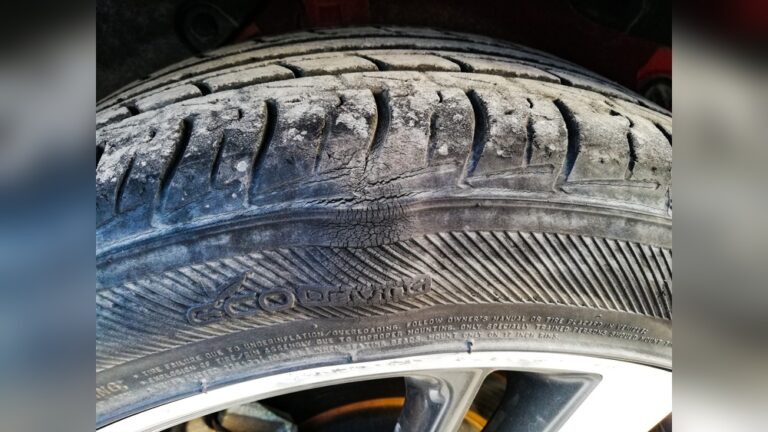
Suppose you ignore balancing. You might notice strange flat spots or patches on your tire after a few thousand miles. These spots can make noise and lower grip, and the tire may need to be replaced early.
If you ignore alignment, you’ll likely see edge wear (the inside or outside of the tire wears out faster). This is dangerous because the worn edge can fail suddenly, especially at high speed.
Statistic: According to the National Highway Traffic Safety Administration, about 9% of tire-related crashes involve poor maintenance, including alignment and balancing issues.
Do You Need Both Services Together?
You don’t always need both at the same time, but sometimes you do. Here are some tips:
- When you buy new tires, get both balancing and an alignment check.
- After hitting a pothole or curb, check alignment and balance.
- If your car shakes and pulls to one side, you may need both services.
Not-so-obvious tip: If you feel vibration only at a certain speed, it’s probably balancing. If your car pulls at all speeds, it’s probably alignment.
How To Choose A Good Shop For Tire Balancing And Alignment
Not all shops have the same experience or equipment. Here’s what to look for:
- Modern equipment: Look for shops with computerized balancers and alignment machines.
- Experienced technicians: Ask about training and certifications.
- Clear explanations: A good shop will explain what’s wrong and what they’ll fix.
- Warranty: Some shops offer a warranty on their work.
Warning sign: If a shop tells you alignment or balancing is “not needed” after you report real symptoms, get a second opinion.
Diy: Can You Balance Or Align Tires Yourself?
Balancing tires at home is nearly impossible without special equipment. You need a spin balancer, which costs thousands of dollars.
Alignment is even harder. It requires precise measurements and adjustments that can’t be done with just a tape measure. Even a small mistake can make things worse.
Better approach: Focus on checking your tires regularly for uneven wear, and get professional service when needed.
The Role Of Tire Rotation
Tire rotation is moving tires from one wheel position to another to help them wear evenly. While it’s not the same as balancing or alignment, rotating tires at the same time as balancing can save you time and money.
Tip: Rotate your tires every 5,000 to 7,500 miles, or as your owner’s manual suggests.
Advanced Insight: Modern Cars And Sensors
Many newer cars have sensors that detect tire pressure and sometimes even wheel speed differences. But these systems don’t check for balance or alignment directly. You should not rely on dashboard lights alone—visual checks and regular service are still needed.
Expert tip: Some cars with driver-assist systems (like lane keeping) require perfect alignment for the technology to work correctly. Misalignment can confuse these systems.
Environmental Impact
Properly balanced and aligned tires reduce rolling resistance, which means less fuel use and fewer emissions. This benefits both your wallet and the environment.
Statistic: The U.S. Department of Energy estimates that correct alignment and tire pressure can improve fuel economy by up to 3%.
Real-world Example: The Cost Of Neglect
A driver ignores a small vibration and a slight pull to the right. Within six months, they replace two front tires due to uneven wear and spend extra on suspension repairs. Total cost: over $500. A simple alignment and balancing service, costing under $150, could have prevented it.
Where To Learn More
If you want deeper technical details about tire alignment and balancing, you can visit the Wikipedia Wheel Alignment page for diagrams and advanced explanations.
Frequently Asked Questions
What Happens If I Never Balance My Tires?
Over time, unbalanced tires cause vibration, uneven wear, and can damage your car’s suspension. You’ll likely need to replace tires sooner, and the ride will be less comfortable.
Can Poor Alignment Cause Vibration Like Unbalanced Tires?
Usually, alignment causes pulling or crooked steering, not vibration. If you feel a shake, it’s almost always a balance problem or a damaged tire.
How Long Does Tire Balancing Or Alignment Take?
Tire balancing usually takes 30 minutes to an hour. Alignment can take about 1 to 2 hours, depending on the car and how much adjustment is needed.
Is It Safe To Drive With Unbalanced Or Misaligned Tires?
It’s not recommended. While you can drive short distances, you risk rapid tire wear, poor handling, and even suspension damage if you ignore the problem.
Does Tire Size Or Wheel Size Affect Balancing Or Alignment Needs?
Larger wheels and low-profile tires are more sensitive to both balance and alignment issues. They may need more frequent checks, especially if you drive on rough roads.
A well-maintained car doesn’t just last longer—it keeps you safer and saves you money. Understanding the difference between tire balancing and tire alignment, knowing the signs to watch for, and taking action when needed will help you get the most from every mile.
Don’t wait for a problem to grow—regular checks are a smart part of car care.