Choosing the right tires for your vehicle is more than just a technical decision—it affects your safety, comfort, and wallet. Many drivers feel confused when they hear terms like A T tires and M T tires. What do these letters mean? Is there really a big difference? If you’ve ever wondered which tire type is better for your driving needs, this detailed guide will give you clear answers.
Let’s break down what A T (All-Terrain) and M T (Mud-Terrain) tires are, how they perform in real life, and what you need to consider before buying. By the end of this article, you’ll feel confident about making the right tire choice—whether you drive mostly on highways, love off-roading, or want something in between.
What Are A T And M T Tires?
First, let’s explain the basics.
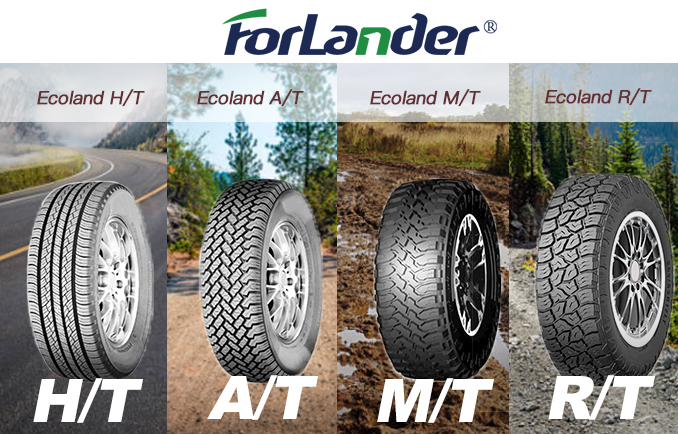
A T tires stand for All-Terrain tires. These are designed for drivers who want a balance between on-road comfort and off-road ability. You’ll see them on trucks, SUVs, and some crossovers. Think of them as the “jack-of-all-trades” tire—they work well in most conditions, but are not specialized.
M T tires are Mud-Terrain tires. They are built for serious off-road use, especially where the ground is soft, muddy, or rocky. Their tread is much more aggressive. If you spend lots of time off the pavement—deep in the woods, on construction sites, or in extreme weather—M T tires are designed for you.
Understanding this difference is key. Many drivers pick the wrong tire just because it “looks cool,” or because a friend recommended it, not realizing how much tire type affects fuel use, noise, and safety.
How Do A T And M T Tires Differ In Design?
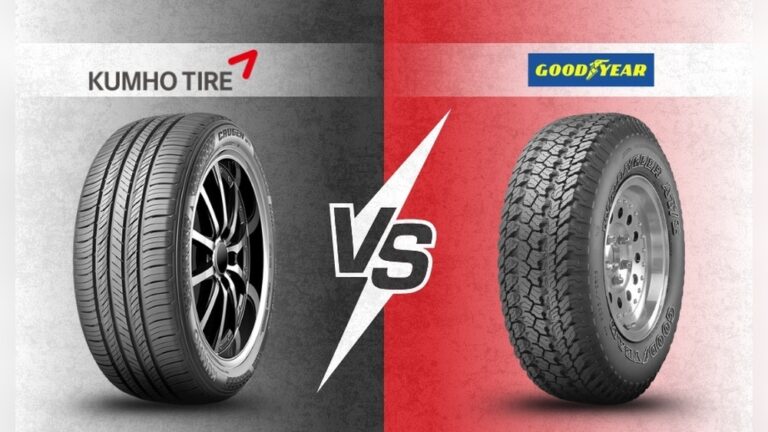
The most obvious difference is in the tread pattern.
- A T tires: The tread blocks are closely spaced. Grooves are wide enough to clear water and small stones, but not so wide that they get noisy or rough on highways. Sidewalls are usually reinforced but not as thick as M T tires. The rubber compound is a compromise between durability and ride comfort.
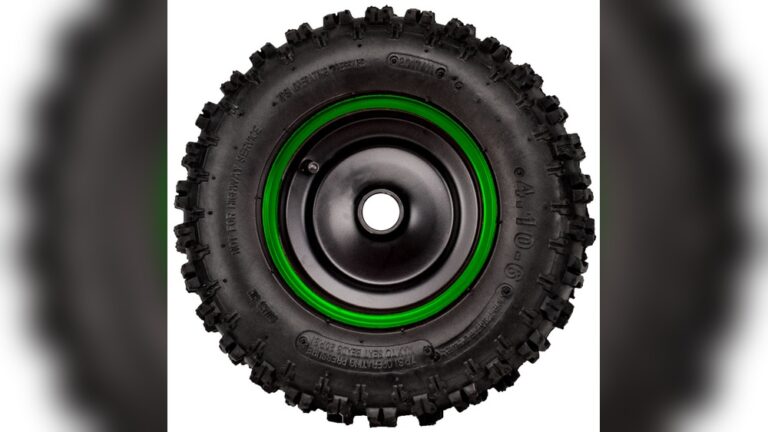
- M T tires: The tread blocks are large and spaced far apart. This helps them grip mud, sand, and loose dirt. The sidewalls are extra tough, often with special patterns to protect against sharp rocks. M T tires use a harder rubber, which resists cuts but can feel stiff on pavement.
Non-obvious insight: One thing many people miss is that M T tires are also much heavier than A T tires. This means your vehicle will use more fuel and the suspension may wear faster.
On-road Performance: Comfort, Noise, And Handling
Let’s talk about daily driving. Most people spend 80-90% of their time on paved roads, even if they love adventure.
A T tires are designed with this in mind:
- Noise: Moderate. You’ll hear a gentle hum at highway speeds, but it’s not distracting.
- Comfort: Good. They absorb bumps and handle corners well.
- Handling: Predictable. The tread is optimized for both wet and dry pavement.
- Fuel economy: Usually better than M T tires, sometimes by 5-10%.
M T tires are a different story:
- Noise: Much louder. You’ll hear a “whomp-whomp” sound, especially over 60 km/h.
- Comfort: Stiffer ride. You’ll feel more bumps and vibration.
- Handling: Less precise. The large lugs can “squirm” on hard turns.
- Fuel economy: 10-15% worse compared to A T tires of the same size.
Example: If you switch from A T to M T tires on a Toyota Hilux, you might lose up to 2 km/liter in fuel efficiency and notice more cabin noise.
Off-road Performance: Where Each Tire Shines
If you enjoy off-roading, tire choice becomes even more important.
All-terrain (a T) Tires Off-road
- Light mud and gravel: Good grip, but can clog with thick mud.
- Sand: Decent flotation, but not as good as M T.
- Rocks: Fair, but sidewalls can be more vulnerable to cuts.
- Wet grass: Traction is okay, but not outstanding.
Mud-terrain (m T) Tires Off-road
- Thick mud: Excellent. Wide gaps eject mud, keeping traction high.
- Deep sand: Superior flotation, less chance of getting stuck.
- Sharp rocks: Tough sidewalls resist damage.
- Steep climbs: Aggressive tread bites into loose soil.
Non-obvious insight: A T tires actually perform better than M T tires on packed snow and icy roads. The tighter tread gives more contact area, while M T tires can “skate” on ice.
Durability And Longevity
Tire life is a major concern for most drivers. Here’s what you need to know:
- A T tires: Usually last 50,000–70,000 km if rotated and cared for.
- M T tires: Most last 35,000–50,000 km. The soft rubber and big lugs wear quickly on pavement.
Also, M T tires are more prone to irregular wear if you don’t rotate them every 8,000–10,000 km. If you mainly drive on highways, you might see your M T tires become noisy and rough after just 20,000 km.
Cost Differences: Purchase And Ownership
Tire prices depend on brand, size, and region, but some patterns are clear.
- A T tires: Mid-range. Expect to pay $120–$250 per tire for most popular sizes.
- M T tires: More expensive. Prices often start at $180 and go to $350 per tire.
That’s not the whole story, though. M T tires also cost more in the long run—fuel, faster wear, and sometimes higher insurance (for lifted or modified trucks).
Tip: Don’t forget to budget for alignment and balancing after changing tire types. Aggressive M T tires can throw off your alignment faster.
Comparing A T And M T Tires Side-by-side
Here’s a simple table to help you see the key differences at a glance:
| Feature | All-Terrain (A T) Tires | Mud-Terrain (M T) Tires |
|---|---|---|
| Tread Design | Moderate, multi-use | Aggressive, wide gaps |
| On-Road Comfort | Good | Fair to Poor |
| Off-Road Grip | Decent | Excellent (mud, sand) |
| Noise Level | Moderate | Loud |
| Durability | High (on-road) | High (off-road) |
| Price | $$ | $$$ |
| Fuel Efficiency | Better | Poorer |
Real-world Scenarios: Which Tire Is Best?
To make the right choice, think about how and where you drive. Here are some common scenarios:
1. Mostly Highway Driving
If you spend 90% of your time on highways or city roads, A T tires are the smarter pick. They are quieter, last longer, and save fuel. Even if you take occasional gravel roads, A T tires can handle it.
2. Weekend Off-roader
If you hit the trails once or twice a month, but still drive to work daily, A T tires still make sense. However, choose a set with reinforced sidewalls and a more aggressive tread. Some brands even offer “hybrid” A T tires that lean closer to M T in off-road ability but are quieter.
3. Serious Off-roading
If your weekends are all about mud, rocks, and adventure, M T tires are worth the trade-offs. You’ll get stuck less often, and your tires will survive sharp rocks and deep ruts. Just be ready for more noise and faster wear when you drive to the city.
4. Working Vehicles (farming, Construction)
Trucks that spend most of their time off-road or on job sites are perfect for M T tires. The extra durability and self-cleaning tread pay off in tough conditions.
5. Mixed Conditions
If you don’t fit perfectly into one group, some drivers keep two sets of tires—A T for daily use, M T for off-road trips. Swapping tires isn’t always convenient, but it gives you the best of both worlds.
Key Factors To Consider When Choosing
Before you decide, ask yourself these questions:
- How much off-roading do I really do? Be honest. Most people overestimate.
- How important is noise comfort to me? If you drive long distances, loud tires can be exhausting.
- Is fuel economy a priority? M T tires will cost you more at the pump.
- What is my budget for tires and maintenance? Don’t just look at the purchase price—add up total cost.
- Do I drive in snow or ice? A T tires usually perform better in winter, unless you buy special winter M T tires.
- What does my vehicle’s manual recommend? Some vehicles can’t handle extra-large M T tires without suspension changes.
Tip: If you haul heavy loads or tow a trailer, A T tires with a higher load rating are usually safer and more stable.
Myths And Misconceptions
Many drivers believe “bigger is always better” or that M T tires are necessary for any off-road adventure. Here are some common myths:
- Myth 1: M T tires are always better off-road. Reality: Unless you drive in deep mud or sand, A T tires often do just as well.
- Myth 2: A T tires can’t handle rain or wet roads. Actually, most modern A T tires are excellent in the rain, sometimes better than M T.
- Myth 3: M T tires make your truck stronger. The tires don’t increase horsepower—they just help you not get stuck.
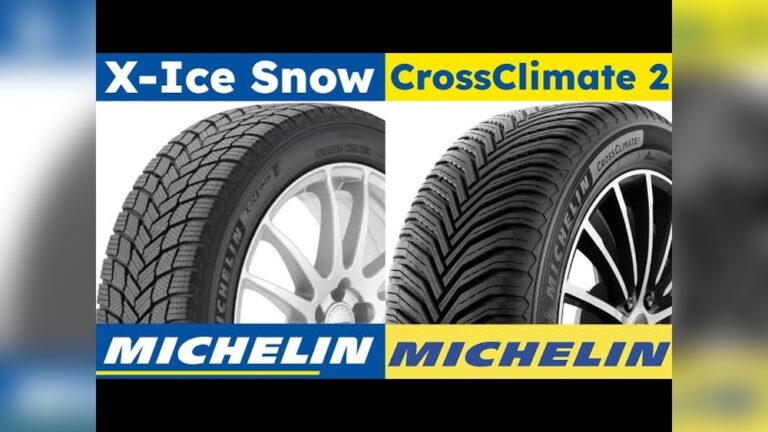
- Myth 4: You need M T tires for snow. In truth, a good set of winter tires or A T tires with the “Three Peak Mountain Snowflake” symbol are better on ice and packed snow.

Credit: www.youtube.com
Top Brands For A T And M T Tires
Choosing a trusted brand is just as important as picking the right type. Some popular choices for each:
A T Tires:
- BFGoodrich All-Terrain T/A KO2 – Legendary durability and grip
- Goodyear Wrangler All-Terrain Adventure – Good wet weather performance
- Falken Wildpeak A/T3W – Affordable and long-lasting
- Michelin LTX A/T2 – Comfortable and quiet
M T Tires:
- BFGoodrich Mud-Terrain T/A KM3 – Top for extreme mud
- Goodyear Wrangler MT/R with Kevlar – Strong sidewalls
- Nitto Trail Grappler M/T – Good mix of noise and traction
- Toyo Open Country M/T – Durable and self-cleaning
Tip: Always check for local availability and reviews. Some tires perform better in certain climates or road types.
How To Get The Most Life From Your Tires
No matter which type you choose, proper care makes a big difference:
- Rotate tires every 8,000–10,000 km. This prevents uneven wear, especially on M T tires.
- Check air pressure monthly. Under- or over-inflated tires wear out faster.
- Balance and align regularly. Aggressive tires can throw off alignment quickly.
- Clean out stones and mud. Stuck debris can damage tires over time.
- Inspect for cuts and bulges. Off-roading can cause hidden damage—check after every trip.
Environmental And Legal Considerations
Some places have noise, pollution, or size limits for tires. For example:
- Many cities ban overly loud tires or those that throw up excessive mud/stones.
- Some countries require winter-rated tires in certain months. Most M T tires do not qualify.
- Wide or tall tires can throw off your speedometer reading or cause fender rubbing—make sure they’re legal for your vehicle.
Always check local laws before upgrading.
Common Mistakes When Buying A T Or M T Tires
Even experienced drivers make these errors:
- Buying too big. Oversized tires can hurt handling, fuel use, and even cause accidents.
- Ignoring load rating. Heavy trucks or trailers need tires with the correct load index.
- Not checking clearance. M T tires are often wider—make sure they fit without rubbing.
- Skipping the spare. Always match your spare tire to your main tires, especially if you go off-road.
- Trusting looks over facts. Aggressive tread looks tough but may not be right for your needs.
Credit: forlander.com
Real-life Example: Toyota Hilux Driver In Southeast Asia
A driver in Thailand uses his Toyota Hilux for farm work and city commuting. He switched from factory A T tires to M T tires for better performance on muddy fields. While he gained more grip and fewer stuck moments off-road, he noticed:
- 1.5 km/liter drop in fuel economy
- More road noise, making phone calls harder
- Tires wore out 15,000 km sooner than his old A T set
- Had to replace two tires after sidewall cuts from sharp rocks
He now keeps a set of A T tires for city use and swaps to M T only during rainy season or for farm work.
Lesson: Matching your tires to your actual needs saves money, time, and hassle.
When To Replace Your Tires
No matter which type you use, change them if:
- Tread depth is less than 2 mm (use a coin to check)
- Sidewalls show cracks, bulges, or deep cuts
- You feel vibration that balancing does not fix
- The tire is over six years old (rubber ages)
Don’t risk your safety to save a few dollars—tire failure can be deadly.
Quick Reference: A T Vs M T For Common Uses
| Use Case | Best Tire Type | Why |
|---|---|---|
| Highway commuting | All-Terrain (A T) | Quiet, fuel-efficient, long-lasting |
| Weekend off-roading | All-Terrain (A T) | Balanced for mixed use |
| Deep mud/sand | Mud-Terrain (M T) | Superior grip, self-cleaning |
| Snow/ice | All-Terrain (A T) | Better contact, can use winter-rated |
| Heavy towing | All-Terrain (A T) | Higher load ratings available |
| Construction/farm work | Mud-Terrain (M T) | Extra tough, resists punctures |
Frequently Asked Questions
What Does A T And M T Mean In Tires?
A T stands for All-Terrain tires, good for both highway and light off-road use. M T means Mud-Terrain, built for extreme off-road and muddy conditions.
Can I Use M T Tires On The Highway?
Yes, but expect more noise, less comfort, and lower fuel efficiency. M T tires are not optimized for pavement, so they wear out faster if used mainly on roads.
Are A T Tires Good In Snow?
Most modern A T tires work well in light snow. For heavy winter conditions, look for an A T tire with the “Three Peak Mountain Snowflake” symbol, or consider dedicated winter tires.
How Often Should I Rotate My A T Or M T Tires?
Rotate every 8,000–10,000 km, or every oil change. This helps all tires wear evenly, which is especially important with aggressive M T treads.
Where Can I Learn More About Tire Ratings And Safety?
You can find more technical information and safety advice on the U.S. National Highway Traffic Safety Administration website.
Whether you’re an off-road enthusiast or a daily commuter, the right tire choice will make your driving safer, quieter, and more enjoyable. Take time to match your tires to your real-world needs—and never underestimate the impact of this decision on your driving life.
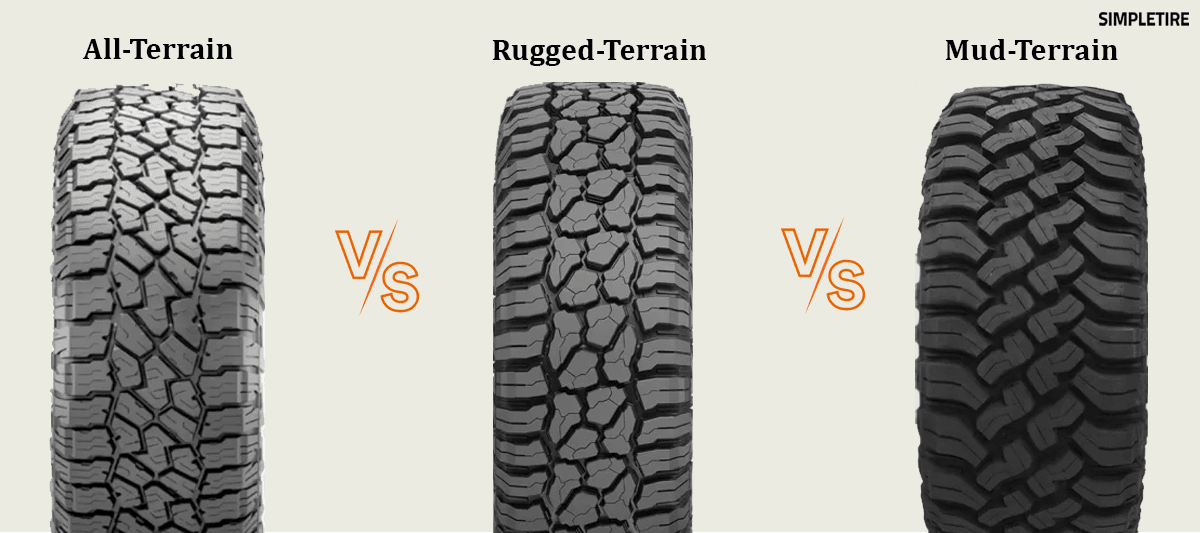
Credit: simpletire.com