When you discover a cracked sidewall on your ATV tire, your first reaction might be to fix it yourself and keep riding. After all, replacing an ATV tire can be costly and inconvenient. But is patching a cracked sidewall a good idea?
Many riders have this question, and it’s important to know the risks, what’s possible, and when you must consider other options. Let’s explore the reality behind patching cracked sidewalls, what you can and cannot do, and how to make the right decision for your safety and wallet.
What Does A Cracked Sidewall Mean?
A sidewall crack is a break or split in the side of your ATV tire—not on the tread, but on the part facing outwards or inwards. This area is crucial because it supports the tire’s structure and keeps the air inside. Cracks can start small, but they often spread over time.
Common causes include:
- Aging: Rubber dries out with age, especially if the ATV sits outside.
- Sun exposure: UV rays weaken tire rubber, speeding up cracking.
- Underinflation or overinflation: Incorrect pressure puts extra stress on sidewalls.
- Impact damage: Hitting rocks, stumps, or curbs can cause immediate cracks.
- Improper storage: Storing tires in direct sunlight or near chemicals can cause damage.
Sidewall cracks are different from minor tread punctures. While a nail in the tread can often be plugged, a sidewall crack is more serious because the sidewall flexes with every rotation and carries a lot of pressure.
Is It Safe To Patch A Cracked Sidewall?
The short answer: No, it’s not safe to patch a cracked ATV tire sidewall for long-term use. The sidewall flexes and bends much more than the tread area. Any patch or plug is likely to fail quickly, especially when riding off-road.
Why Not?
- Sidewalls lack reinforcement: They don’t have as much rubber or support as the tread.
- Constant flexing: Every bump and turn puts stress on repairs.
- Safety risk: A blowout can cause you to lose control, leading to accidents.
Even tire manufacturers and most repair shops will refuse to patch sidewall cracks for these reasons. If you try to patch it, you’re taking a big risk.
Temporary Emergency Repairs
In some cases, riders use temporary fixes to get home or back to their truck. Examples include:
- Internal sidewall patch kits (not recommended for long-term)
- Tire sealant (slime)
- Heavy-duty tape on the inside as a last resort
These are only for emergency use and never as a permanent fix. After such a repair, reduce your speed, avoid rough terrain, and replace the tire as soon as possible.
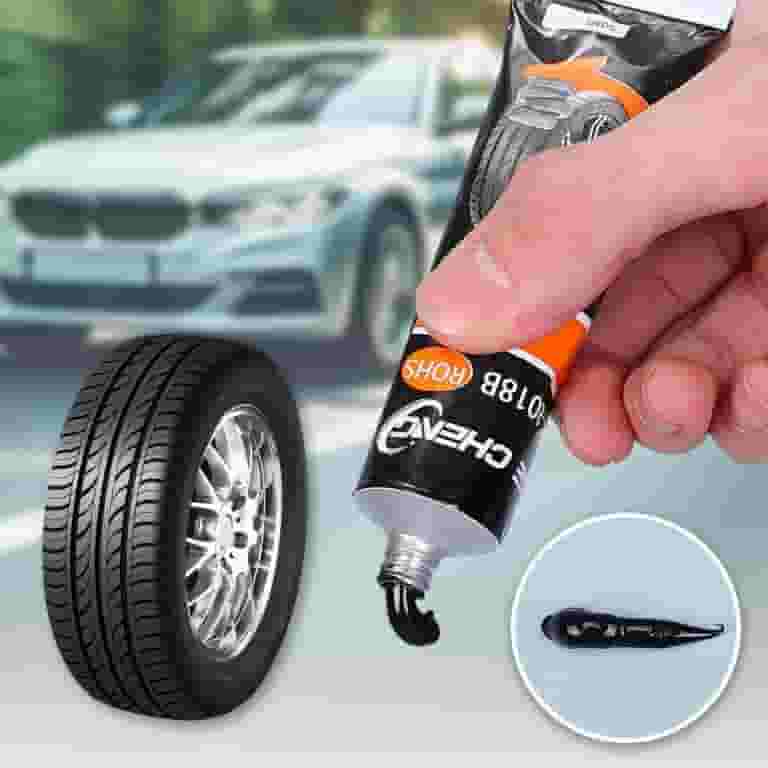
Credit: www.walmart.com
Can You Use Tire Sealant Or Glue?
Some products claim to seal cracks and holes from the inside. Let’s look at what they actually do.
Tire Sealants
Liquid sealants like Slime or Fix-a-Flat can sometimes seal small leaks in the tread, but they’re not designed for sidewall cracks. These products don’t bond well with the flexible sidewall, especially if the crack is large or deep.
Tire Glue
Some people try super glue or rubber cement. While these might fill a tiny surface crack, they won’t hold under pressure or flexing. At best, you might stop a very slow leak for a short time. At worst, the crack spreads, and the glue fails quickly.
Insight: Even if the crack looks sealed, the tire’s structure is already weakened. The risk of sudden failure remains.
When Is Replacement The Only Option?
If you see any of the following, it’s time to buy a new tire:
- Cracks longer than 1 inch
- Cracks deep enough to see fabric or cords
- Multiple cracks around the sidewall
- Bulges, cuts, or bubbles in the sidewall
- Rapid air loss after a patch or sealant
Riding on a damaged sidewall is risky. ATV tires face rough terrain, rocks, and sharp impacts. A weak sidewall can burst without warning.
How To Inspect Atv Tire Sidewalls
Before deciding to patch, inspect your tire carefully:
- Clean the sidewall with soap and water.
- Look for cracks, cuts, or bulges.
- Use a flashlight to check for deep splits.
- Press gently around the crack—if it flexes or opens, the damage is serious.
- Check for leaks with soapy water (bubbles will show escaping air).
Non-obvious tip: Take photos and compare after each ride. If cracks are growing, don’t risk using the tire.
Why Sidewall Damage Is More Serious Than Tread Punctures
It’s important to understand the difference:
- Tread punctures: Often can be plugged or patched.
- Sidewall cracks: Affect the tire’s ability to hold shape and pressure.
Sidewall repairs are rarely permanent. The rubber is thinner, and the forces are greater. Even professional tire shops avoid patching sidewalls for cars, and ATVs face even rougher conditions.
Quick Comparison
| Feature | Tread Area | Sidewall |
|---|---|---|
| Can be plugged? | Yes (if small) | No |
| Can be patched? | Sometimes | Unsafe |
| Carries heavy load? | Not directly | Yes |
| Flexes with use? | Less | Much more |
| Danger of blowout? | Lower | High |

Credit: www.youtube.com
Emergency Sidewall Repair Methods (and Their Limits)
Sometimes you need to get back to your vehicle. Here’s what some riders use, and what you should know.
1. Boot Patch (diy)
Some riders create a “boot” from a tough material (like a piece of thick canvas or even a dollar bill) placed inside the tire to cover the crack. This is an old cyclist’s trick, but for ATVs, it will only last a few miles at slow speed.
2. Tire Sealant
Pouring sealant inside might slow a leak. But it’s unlikely to hold if the crack is large or keeps flexing.
3. Duct Tape
Wrapping the inside of the tire with duct tape can sometimes help in an emergency. It won’t last long, and it can cause the tire to run unevenly.
4. Tube Insertion
If the ATV tire is tubeless, some install an inner tube to hold air. But a cracked sidewall can pinch or cut the tube, leading to more problems.
5. Zip Ties
In a real emergency, large zip ties around the tire can help keep it together for a short distance. This is only for getting out of the woods, not regular riding.
Practical advice: Always ride slowly and avoid bumps when using any emergency fix. Replace the tire as soon as possible.
What The Experts Say
Tire manufacturers and safety organizations agree: sidewall cracks are not repairable for safe, long-term use. The risk of failure is too high. Even if a patch seems to work, it’s not designed to flex and move the way a sidewall does.
For more technical details, you can read guidance from the Tire Rack, a well-known tire authority.
How To Prevent Sidewall Cracks
Prevention is always better than repair. Here’s how you can protect your ATV tires:
- Keep tires out of direct sunlight when not in use.
- Maintain proper tire pressure—check before every ride.
- Store your ATV in a cool, dry place.
- Clean tires regularly and remove mud or chemicals.
- Inspect after every tough ride for early signs of cracking.
- Rotate tires if your ATV design allows, to spread wear.
- Don’t overload your ATV—follow the manufacturer’s limits.
- Replace tires every 5-6 years, even if tread looks good.
Non-obvious prevention tip: Use a tire protectant spray made for rubber, not generic silicone sprays. These can help block UV damage and slow drying out.
Cost Of Repair Vs. Replacement
It’s tempting to save money by patching, but consider the risks and costs.
| Option | Cost Estimate (USD) | Risk Level | Longevity |
|---|---|---|---|
| Emergency patch/sealant | $5–$20 | Very High | Hours to days |
| Professional repair (if attempted) | $20–$40 | High | Short term |
| New ATV tire | $60–$150+ | Low | Years (with care) |
Paying for a new tire is almost always safer and cheaper in the long run than risking an accident or damaging your ATV.

Credit: knowhow.napaonline.com
Signs Of A Dangerous Sidewall Crack
Not all cracks look dangerous at first. Watch for:
- Cracks reaching the cords or fabric inside the tire
- Cracks that spread quickly after each ride
- Visible bulging or bubbling
- Hissing sound or rapid air loss
- Tire feels unstable or wobbly at speed
If you spot these, do not ride on the tire.
What To Do If You Notice A Crack While Riding
- Stop as soon as it’s safe.
- Inspect the tire closely.
- Use a temporary fix only if you must get home.
- Drive slowly and avoid sharp turns or rough ground.
- Replace the tire immediately after the ride.
Never ignore a crack. A sidewall failure can be sudden and dangerous.
Frequently Asked Questions
Can I Use A Plug Kit For Atv Tire Sidewall Cracks?
No, plug kits are only meant for punctures in the tread area. The sidewall flexes too much for plugs to hold, and using them here is unsafe.
Is It Legal To Patch A Cracked Atv Sidewall?
There are no laws for ATV tire repair, but most shops won’t patch sidewalls due to safety risks. Riding on patched sidewalls is not recommended on public land or for competition.
How Long Can A Tire Sealant Last In A Cracked Sidewall?
A sealant might hold for a few hours or a short distance, but it’s never a permanent fix. The crack will likely widen or reopen soon.
Will A Tube Solve The Problem If My Atv Tire Sidewall Is Cracked?
An inner tube can sometimes keep air in temporarily, but the crack can cut the tube or allow water and dirt inside, leading to further damage.
What’s The Safest Action If I Find A Deep Sidewall Crack?
Replace the tire as soon as possible. Any deep sidewall crack means the tire is weakened and could fail without warning.
ATV adventures are best enjoyed with peace of mind. Patching a cracked sidewall is not a safe solution for regular riding. Use emergency fixes only to get home, and replace the tire as soon as you can. Your safety—and your ATV—are worth the investment.