Absolutely, let’s focus on a detailed and helpful article about the recommended psi for 2025 Chevy Trax tires. I’ll expand each section to provide clear explanations, practical advice, and insights that matter for both new and experienced drivers.
—
Driving a 2025 Chevy Trax should feel safe and smooth. One key part of this is having the right tire pressure, or psi (pounds per square inch). Many people ignore tire pressure, but it affects your car’s safety, fuel use, and how long your tires last.
If you’re unsure about the ideal psi for your Chevy Trax, or how to keep your tires in top shape, you’re in the right place. In this guide, we’ll explain what psi your tires need, why it matters, and how to check and maintain tire pressure like a pro—even if you’re new to cars.
What Is Tire Pressure And Why Is It Important?
Tire pressure means the amount of air inside your tires, measured in psi. It’s not just a number. It affects how your car handles, how much fuel it uses, and how safe your ride is. If your tires have too much air (overinflated), they can become hard, lose grip, and even burst.
If they have too little air (underinflated), the tires can get hot, wear unevenly, and use more fuel.
For example, imagine driving with underinflated tires. It feels heavy, the steering is slow, and you might notice your gas tank empties faster. Overinflated tires make your car bounce more and reduce the contact area with the road, especially in wet conditions.
Many new drivers think tire pressure only matters if you see a warning light. But checking psi regularly, not just when there’s a problem, helps you avoid surprises and keeps your car running better.
Recommended Psi For 2025 Chevy Trax Tires
For the 2025 Chevy Trax, most models recommend a psi of 35 for both front and rear tires. This is the standard setting from the manufacturer, suitable for daily driving, city trips, and highway rides. However, the exact number can change based on the tire size or if you carry heavy loads.
You can find the exact psi for your Trax in three places:
- The sticker inside the driver’s door (called the tire information label)
- The owner’s manual
- Sometimes, on the fuel cap
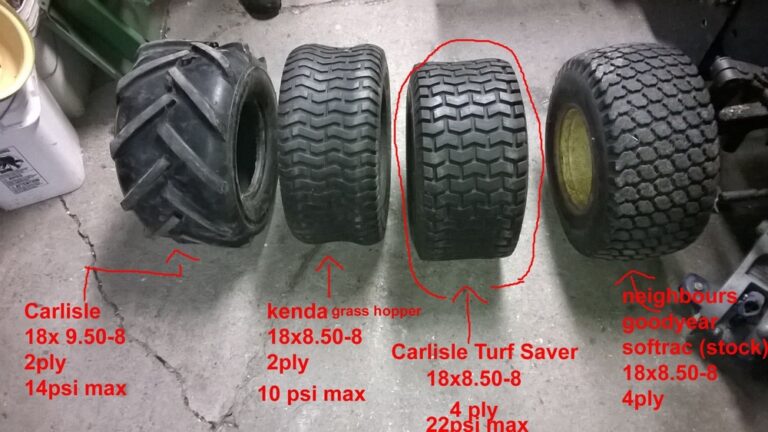
Always use the recommended psi. Don’t use the maximum psi printed on the tire itself. That number is for the tire’s limit, not your car’s ideal setting.
Different Tire Sizes
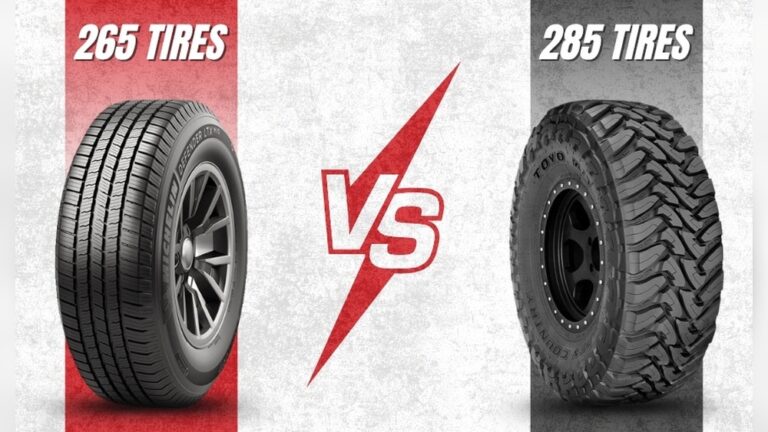
Some 2025 Chevy Trax models may come with different tire sizes. For example, the standard trim might use 215/60R17 tires, while a sportier version uses 225/55R18. Each size can have a slightly different recommended psi, but usually, it stays between 32–35 psi.
If you replace your tires with a different brand or size, check with your tire dealer. They can tell you the best psi for safety and performance.
Load And Driving Conditions
If you plan to carry heavy items, or drive with a full car, you may need to add 2–3 psi. For long trips, the owner’s manual may suggest a higher psi for stability. But don’t go above the maximum recommended pressure.
In winter, tire pressure drops as the air gets colder. It’s normal to see a lower psi, so check your tires often and fill them if needed. In summer, pressure can rise. Adjust as needed, but always stay within the recommended range.

Credit: www.siddilloncrete.org
How To Check Tire Pressure
Checking tire pressure is simple and takes only a few minutes. Here’s how:
- Buy a Good Tire Pressure Gauge: Digital gauges are easy to read. Manual ones are cheaper, but can be harder for beginners.
- Find the Recommended Psi: Look inside your driver’s door or the manual.
- Check When Tires Are Cold: Early morning or after the car sits for three hours is best. Driving heats up the tires and gives a false reading.
- Remove the Cap: Unscrew the small cap from the tire’s valve.
- Press the Gauge Firmly: Place it onto the valve and press until you hear a hiss. The gauge will show the psi.
- Adjust as Needed: If psi is low, add air. If it’s too high, let some air out.
- Replace the Cap: Don’t forget this step.
Repeat for all four tires. Don’t forget the spare tire, if your Trax has one.
Common Mistakes
Many drivers only check tire pressure when the warning light comes on. This can be risky. The sensor may not alert you until the psi is very low. It’s best to check at least once a month.
Another mistake is checking tire pressure after a long drive. The tires are warm, so the psi will seem higher than it really is.
If you use an air pump at a gas station, check the gauge for accuracy. Some station pumps aren’t calibrated and may give wrong readings.
How Often Should You Check Tire Pressure?
For the 2025 Chevy Trax, check tire pressure once a month. If you drive long distances, or through big temperature changes, check every two weeks.
Before a road trip, always check psi. If you hit a curb, pothole, or notice your car pulling to one side, check immediately.
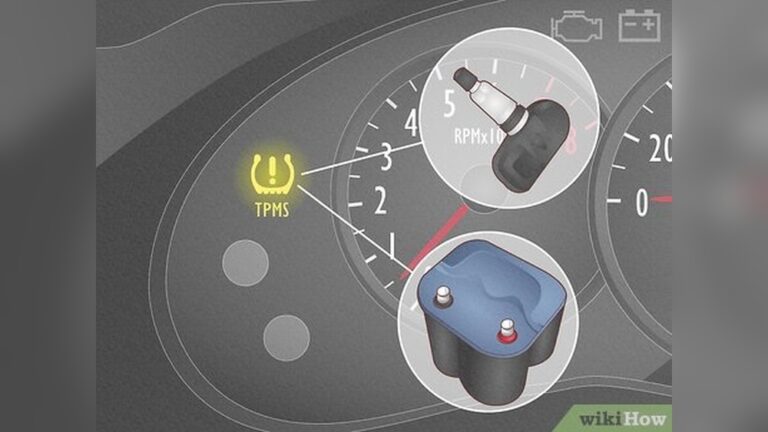
Many new cars have a Tire Pressure Monitoring System (TPMS). This alerts you if psi drops below a safe level. But don’t rely only on the TPMS. Sensors can fail or miss small changes.
What Happens If Tire Pressure Is Wrong?
Driving with incorrect psi causes several problems:
- Low Pressure: Tires wear out faster, use more fuel, and can overheat. In extreme cases, the tire may fail suddenly.
- High Pressure: Tires become stiff, lose grip, and may burst. The ride feels bumpy, and stopping distance increases.
For the Chevy Trax, keeping psi correct means the tires last longer, the car stays safe, and you save money on fuel.
One less obvious problem: uneven tire pressure causes the car’s computer systems to work harder. This can affect stability control and braking, especially in emergencies.
How To Fill Tires Correctly
If you need to add air, follow these steps:
- Park on a Flat Surface: Makes the process easier and safer.
- Check psi When Tires Are Cold: Get an accurate reading.
- Use a Reliable Air Pump: Home compressors are good. Gas station pumps work, but check their gauge.
- Add Air Slowly: Fill in short bursts, checking the gauge after each.
- Don’t Overfill: If you go above recommended psi, let some air out.
- Repeat for All Tires: Keep them matched.
If you’re not confident, ask a mechanic or tire shop for help. They’ll often do it free or for a small fee.

Credit: www.lutherauto.com
Tire Pressure In Different Weather
Weather changes affect tire pressure. For every 10°F drop, tire psi falls by about 1. In winter, check psi more often. In summer, heat increases psi, so check for overinflation.
If you live in a place with cold winters, consider checking psi weekly. In hot climates, make sure tires don’t go above the recommended psi.
Many drivers forget seasonal changes. This is one reason tires wear out unevenly, or cars feel unstable at certain times of year.
Signs Your Tire Pressure Is Off
Sometimes, you can feel when tire pressure is wrong:
- The car pulls to one side.
- The steering feels heavy or slow.
- The ride is rough or bouncy.
- You notice uneven tire wear.
- The TPMS warning light turns on.
If you notice any of these, check psi right away.
How Tire Pressure Affects Fuel Economy
Correct psi helps your Chevy Trax use less fuel. Underinflated tires increase resistance, making the engine work harder. Over thousands of miles, this can add up to a lot of wasted gas.
For example, driving with tires 5 psi below the recommended level can reduce fuel efficiency by up to 10%. That means more trips to the pump and higher costs.
One insight many miss: even small changes in psi make a big difference. Keeping your tires at the right pressure is one of the cheapest ways to save money.
Tire Pressure And Safety
Safety is the most important reason to keep psi right. Low pressure makes tires flex more, raising the risk of a blowout. High pressure reduces grip, making it harder to stop quickly.
In emergency situations, correct psi can be the difference between stopping in time or having an accident. For the Chevy Trax, with its advanced safety systems, tire pressure is a basic part of keeping those systems working well.
A less obvious safety tip: always check psi after hitting a pothole or curb. Hidden damage can cause a slow leak, even if the tire looks fine.
Tips For Maintaining Tire Pressure
- Set a Reminder: Use your phone or calendar to check psi monthly.
- Buy a Good Gauge: Cheap gauges can be wrong. Spend a little more for accuracy.
- Check After Big Temperature Swings: Weather affects psi fast.
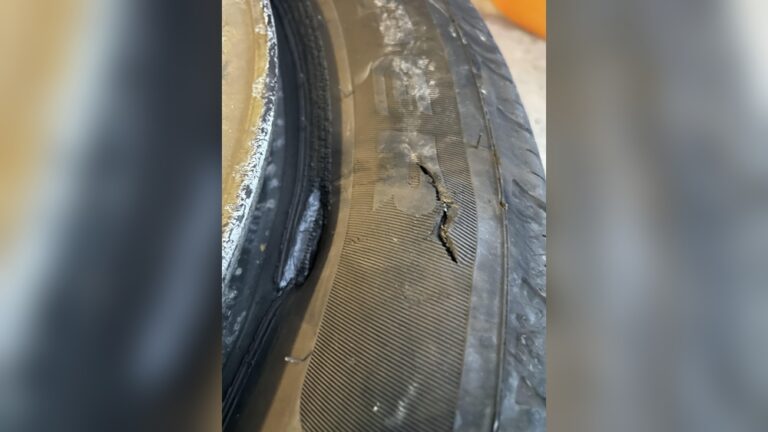
- Inspect Tires for Damage: Look for nails, cuts, or bulges. These can cause leaks.
- Rotate Tires Regularly: Helps wear evenly and keeps psi consistent.
- Ask for Help: If unsure, tire shops are happy to assist.
When To Replace Tires
Tire pressure is only one part of tire health. If your tires are old, worn, or damaged, even perfect psi won’t keep you safe.
For the Chevy Trax, most tires last 40,000–60,000 miles. Check tread depth often. If it’s below 2/32 of an inch, it’s time to replace. Cracks, bulges, or slow leaks are also signs you need new tires.
A tip many overlook: replacing tires in pairs (front or rear together) keeps the car balanced. Don’t mix old and new tires.

Credit: www.kengarff.com
Faq: Chevy Trax Tire Pressure
Q: Can I use nitrogen instead of air?
A: Yes, nitrogen holds psi longer, but regular air is fine. The difference is small for daily drivers.
Q: What if my psi is slightly too high?
A: Let a little air out. Small changes are safe, but don’t drive with much higher psi.
Q: Is the psi the same for all Chevy Trax models?
A: Most are similar, but check your label or manual for details.
Q: Does carrying heavy loads change psi needs?
A: Yes, increase psi by 2–3 if your car is full.
Q: Should I trust the TPMS?
A: TPMS is helpful, but manual checks are best.
Resources For More Information
For more detailed advice, visit the official [Chevrolet Owner Center](https://my.chevrolet.com/). They have manuals and guides for every model, including the 2025 Chevy Trax.
Final Thoughts
Keeping the right psi in your 2025 Chevy Trax tires is simple, but makes a big difference. Check psi monthly, adjust for weather, and always follow the manufacturer’s recommendations. This keeps your car safer, saves money, and helps your tires last longer.
Don’t let tire pressure become an afterthought. With a few minutes each month, you’ll drive with more confidence and peace of mind.