Choosing the right trailer tire may seem simple at first. But when you start looking, you’ll find two main types: bias and radial trailer tires. Each one has its own strengths and weaknesses. Understanding the difference isn’t just about picking a tire—it’s about safety, comfort, and saving money over time. The wrong choice can lead to early wear, poor handling, or even dangerous blowouts on the road. This guide will break down what makes bias and radial trailer tires different, how to decide which one is right for your needs, and what mistakes to avoid. By the end, you’ll have a clear, confident answer for your next trailer tire purchase.
What Are Bias And Radial Trailer Tires?
Trailer tires come in two main construction types: bias ply and radial. Both are designed for the unique needs of trailers, but their internal structure, ride characteristics, and lifespan can be very different.
Bias Ply Tires
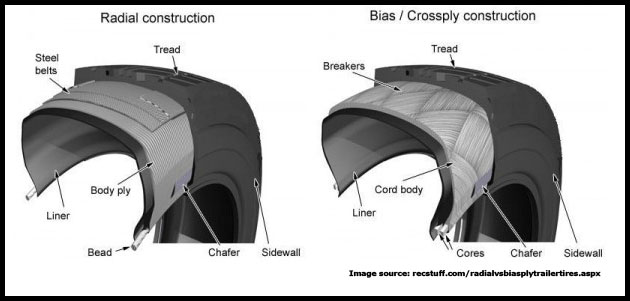
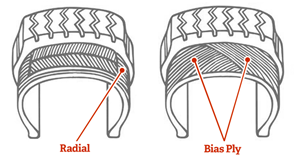
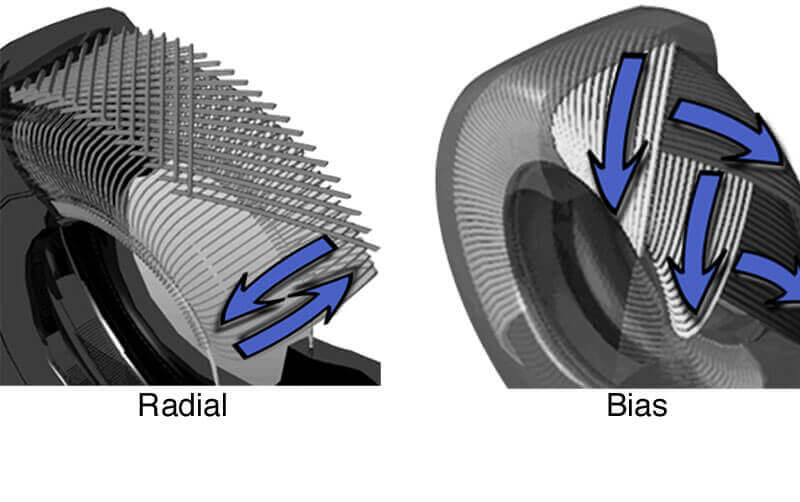
Bias ply trailer tires are made by layering cords at angles, usually 30 to 45 degrees to the direction of travel. These layers cross over each other, creating a thick, sturdy tire sidewall. This design has been around for a long time, and you’ll still see bias ply tires on older trailers, smaller rigs, and equipment used off-road.
Radial Tires
Radial trailer tires use cords arranged at 90 degrees to the direction of travel, with steel belts running around the tire’s circumference. This construction allows the tire to flex more, dissipate heat better, and provide a smoother ride on highways.
Key Differences Between Bias And Radial Trailer Tires
To make the right choice, it’s important to understand how these two types compare in the areas that matter most for trailer owners.
| Feature | Bias Ply Tires | Radial Tires |
|---|---|---|
| Internal Construction | Cords at 30-45° angle, layered across | Cords at 90° angle, steel belts |
| Sidewall Strength | Thicker, stiffer | More flexible |
| Ride Comfort | Rougher, more vibration | Smoother, absorbs bumps |
| Heat Dissipation | Poor | Good |
| Tread Life | Shorter (often 12,000-16,000 miles) | Longer (often 40,000+ miles) |
| Load Capacity | Higher for size | Lower for same size |
| Best Use | Off-road, short trips, heavy loads | Highway, long distances, frequent use |
| Price | Usually lower | Usually higher |
Pros And Cons Of Bias Trailer Tires
Understanding the advantages and disadvantages helps you know if bias ply tires fit your situation.
Pros
1. Strong Sidewalls
Bias tires have thick, tough sidewalls. This makes them good for heavy loads and bumpy, off-road surfaces. They resist cuts and punctures better.
2. Stable Under Load
The construction gives bias ply tires a firm, stable feel when carrying heavy cargo or parked for long periods.
3. Lower Cost
These tires often cost less up front, making them appealing for low-budget or rarely used trailers.
4. Good For Limited, Short-distance Use
Bias tires can be ideal for trailers that travel short distances at low speeds, like farm equipment or boat trailers towed to nearby lakes.
Cons
1. Rough Ride
The stiff sidewalls do not absorb shocks well. This leads to a bumpy, uncomfortable ride—especially on highways.
2. Wears Faster
Bias tires tend to wear out faster, especially when used at high speeds or on hot pavement.
3. Poor Heat Dissipation
Because they run hotter, bias tires are more prone to blowouts on long trips or during summer.
4. Less Fuel Efficient
The stiffer design increases rolling resistance, so your tow vehicle may use more fuel.
Pros And Cons Of Radial Trailer Tires
Radial tires are the modern standard for most highway trailers. But they’re not perfect for every use case.
Pros
1. Longer Tread Life
Radial tires usually last much longer. Some users report getting over 40,000 miles before needing a replacement.
2. Smoother Ride
The flexible sidewalls absorb bumps and vibrations, making towing more comfortable and reducing stress on the trailer frame.
3. Better Heat Management
Radial construction lets air and heat move more freely. This lowers the risk of overheating and blowouts on long drives.
4. Improved Fuel Economy
Radials roll more easily, so your tow vehicle works less and uses less fuel.
5. Great For Highway Use
If you tow long distances, especially at high speeds, radials are almost always the better choice.
Cons
1. Higher Cost
Radial tires are often more expensive to buy.
2. Sidewall Damage
The softer sidewalls are more vulnerable to cuts, scrapes, or punctures from sharp rocks or curbs.
3. Lower Load For Size
For the same physical size, radials usually carry a bit less weight compared to bias tires.
4. Not Ideal For Rough Terrain
Off-road or heavy-duty industrial use can be tough on radial sidewalls.
Credit: www.treadworld.com
Real-world Examples: When To Choose Each Tire
Choosing between bias and radial is not about which is “best” overall. It’s about what’s best for your specific situation.
Bias Tires: Best Use Cases
- Farm trailers that move heavy loads across rocky fields.
- Boat trailers used for short drives to the lake, especially if launching on uneven ground.
- Construction or industrial trailers that mostly stay on-site or travel only a few miles at a time.
Radial Tires: Best Use Cases
- Travel trailers and RVs that go on long highway trips.
- Car haulers or utility trailers used for regular, long-distance towing.
- Horse trailers that need a smoother ride for animal comfort on the road.
Non-obvious insight: Many people assume that “newer is always better,” but in some cases, bias ply tires truly are a smarter choice—especially for trailers that are often parked or rarely see pavement.
How To Identify Bias Vs Radial Trailer Tires
You don’t have to be a tire expert to spot the difference.
- Look at the sidewall:
- “ST” stands for Special Trailer. Both bias and radial tires use this.
- “D” or “B” in the size (like ST205/75D15) = Bias ply
- “R” in the size (like ST205/75R15) = Radial
- Visual clues:
- Radials often have a flatter tread and bulge out at the sides.
- Bias tires look rounder and have thicker, stiffer sidewalls.
Non-obvious insight: Some trailer owners mix bias and radial tires on the same trailer, thinking it doesn’t matter. This is a mistake! Mixing types can cause unpredictable handling and uneven wear.
Performance Comparison: Key Factors
Here’s a deeper look at performance differences that really matter on the road.
1. Tread Wear And Lifespan
Radial tires win here. Their design spreads pressure evenly, so tread wears down slowly and consistently. Bias tires often show uneven wear and develop flat spots if the trailer sits for a long time.
2. Heat Resistance
Heat is the enemy of trailer tires. Radials handle heat much better, making them safer for hot weather and long drives.
3. Load Carrying And Stability
Bias tires are stiffer, so they handle heavy, static loads well. However, for dynamic loads (like a full trailer at highway speed), radials offer better stability.
4. Fuel Efficiency
Radials have less rolling resistance. This means your tow vehicle uses less fuel, which adds up on long trips.
5. Handling And Ride Quality
If you value a smooth, predictable ride, radial tires are superior. Bias tires can make the trailer bounce or sway, especially at speed.
Cost Analysis: Upfront Vs Lifetime Value
It’s easy to compare sticker prices, but total ownership cost tells a different story.
| Cost Factor | Bias Ply Tires | Radial Tires |
|---|---|---|
| Initial Price (each) | $50–$80 | $70–$120 |
| Average Lifespan | 12,000–16,000 miles | 40,000+ miles |
| Fuel Savings (over 40,000 miles) | Minimal | $100–$250 (estimated) |
| Replacement Frequency | 3–4 times for 40,000 miles | Once for 40,000 miles |
Bottom line: While bias tires may cost less at first, radials often save money in the long run due to longer life and better fuel economy.
Common Mistakes When Choosing Trailer Tires
Many trailer owners unknowingly make costly errors. Here are mistakes to avoid:
1. Mixing Tire Types
Never use bias and radial tires together on the same axle. This causes uneven wear and unpredictable handling.
2. Ignoring Load Ratings
Always check the tire’s load rating. Overloading can lead to blowouts or rapid wear, no matter which type you choose.
3. Buying By Price Only
The cheapest tire isn’t always the best value. Consider how you use your trailer.
4. Not Checking Tire Age
Even unused tires age. After 5-7 years, rubber becomes brittle and unsafe, regardless of tread depth.
5. Improper Inflation
Trailer tires require higher pressure than car tires. Under-inflation is a leading cause of tire failure.
6. Not Matching Tire To Application
Using radial tires in harsh off-road conditions or bias tires for cross-country hauling can both be risky.
Pro tip: Always replace all tires on a tandem-axle trailer at the same time, even if only one looks worn.
How To Choose: Bias Or Radial?
To make the right decision, ask yourself these questions:
- How far and how often will I tow?
For frequent, long highway trips, go radial. For short, slow, or off-road use, bias may be better.
- What kind of terrain will I encounter?
Lots of gravel, rocks, or dirt? Bias handles abuse well. Mostly pavement? Radial is smoother and safer.
- How heavy is my load?
Both types come in various load ratings. Match the rating to your trailer’s maximum weight.
- What is my budget?
Upfront cost matters, but also consider long-term savings from fewer replacements and lower fuel use with radials.
- Will my trailer be parked for long periods?
Bias tires resist flat-spotting better if the trailer sits for months at a time.
Credit: pinehilltrailers.com
Maintenance Tips For Both Tire Types
No matter which you choose, good care extends tire life and keeps you safe.
1. Check Pressure Regularly
Use a gauge before every trip. Inflate to the maximum pressure listed on the tire’s sidewall.
2. Inspect For Damage
Look for cracks, bulges, or cuts—especially before a long journey.
3. Rotate Tires If Possible
If your trailer allows, rotate tires every 5,000–7,000 miles to even out wear.
4. Protect From Sunlight
UV rays break down rubber. Use tire covers if your trailer will be parked in the sun.
5. Don’t Overload
Know your trailer’s gross weight rating and stay under it.
6. Replace Old Tires
Even if tread looks good, replace tires every 5–7 years.
When Should You Replace Your Trailer Tires?
Trailer tires don’t always wear out from use—often, they age out first.
- Visual check: If you see cracks, bulges, or exposed cords, replace immediately.
- Age: Even if unused, tires older than 6 years should be replaced.
- Tread depth: Under 2/32 inch means it’s time for new tires, though most trailer tires age out before tread wears down.
How Weather And Storage Affect Tire Choice
Hot climates and long-term storage both affect tire life.
- Radials handle heat better, so they’re ideal for hot, sunny regions or summer travel.
- Bias tires are less likely to flat-spot if the trailer sits unused for months, like winter storage.
If your trailer spends most of its life parked, bias tires might last longer without issues. But if you tow in extreme heat, radials are safer.
Are There Hybrid Or Specialty Trailer Tires?
Yes, some brands offer “hybrid” tires with elements of both bias and radial construction. However, these are less common and usually cost more. Unless you have a specific need, stick with the main two types.
There are also specialty trailer tires for heavy-duty, off-road, or industrial use. These may use extra plies or reinforced materials. Always match your tire to your trailer’s specific needs.
Credit: www.carlstar.com
Regulatory And Safety Standards
Trailer tires must meet standards set by groups like DOT (Department of Transportation) in the U.S. and ETRTO (European Tyre and Rim Technical Organisation) in Europe. Look for the DOT stamp on the sidewall. This means the tire meets basic safety and quality rules.
Never use passenger car tires on trailers. Trailer tires are built for higher loads and less side-to-side movement. Using the wrong tire can void insurance and put you at risk.
If you want to read more about industry standards, the Tire Code Wikipedia page has helpful details.
Frequently Asked Questions
What Does The “st” Mean On Trailer Tires?
ST stands for Special Trailer. These tires are designed for the unique needs of trailers—higher loads, less side-to-side motion, and more time parked. Always use ST-rated tires on trailers, not car or truck tires.
Can I Use Car Tires On My Trailer?
No, you should always use trailer-specific tires (ST-rated) on trailers. Car tires have softer sidewalls and are not made for the stress of towing. Using car tires can cause swaying, blowouts, and may be illegal.
How Often Should I Replace My Trailer Tires?
Most experts recommend replacing trailer tires every 5 to 7 years, even if the tread looks fine. Rubber ages and becomes unsafe over time. Check the tire’s DOT date code for age.
Is It Safe To Mix Bias And Radial Tires On The Same Trailer?
Never mix bias and radial tires on the same axle. This can cause uneven wear and poor handling. For safety, use the same type, size, and load rating on all wheels.
Which Type Is Better For Highway Towing?
Radial trailer tires are better for highway use. They run cooler, last longer, and give a smoother ride, making them safer and more comfortable for long-distance trips.
Choosing between bias and radial trailer tires isn’t about what’s best for everyone—it’s about what’s best for you. If you travel long distances on highways, invest in radials for safety and comfort. If your trailer works hard in rough conditions or is used only a few times a year, bias tires may be the practical choice. Remember: the right tire keeps your trailer rolling safely, mile after mile.