When it comes to choosing the right tires for your vehicle, the decision often comes down to two giants in the industry: Firestone and Michelin. Both brands have been around for over a century, building reputations for safety, performance, and innovation. But which one is truly the better choice for your car, driving habits, and budget? This guide will give you a clear, honest comparison, even if you’re not a car expert. We’ll break down what really matters, from everyday driving to extreme weather, and help you avoid common mistakes that can cost you money or safety on the road.
Brand Histories: Trust Built Over Time
Firestone was founded in 1900 in the United States. It quickly became known for supplying tires to Ford’s first cars, and today it’s part of the Bridgestone Corporation, the world’s largest tire and rubber company. Firestone has a long history with motorsports, which influences its focus on durability and affordability.
Michelin, born in France in 1889, is famous for pioneering many technologies, like the radial tire, and for its Michelin Guide for restaurants. The company is seen as a leader in innovation and environmental responsibility. Michelin has a strong presence in both passenger and commercial vehicle tires, and is known for long-lasting tread life and quiet rides.
While both brands have loyal customers, their approaches are different. Firestone often appeals to value-conscious drivers, while Michelin positions itself as a premium choice. Knowing these roots helps you understand why their tires perform the way they do.
Tire Lineups: Popular Models Compared
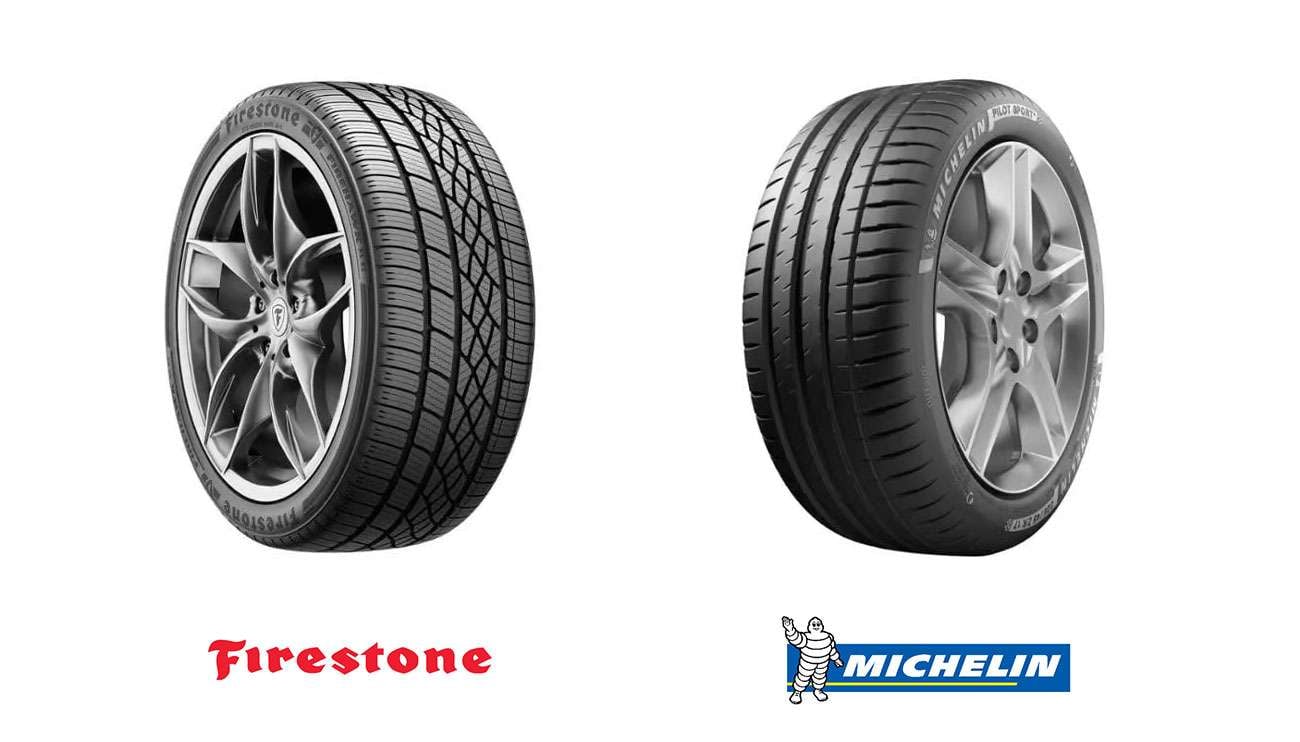
Both brands offer a wide range of tires for cars, SUVs, trucks, and more. Here’s a look at some of their most popular models and what sets them apart.
| Segment | Firestone Model | Michelin Model |
|---|---|---|
| All-Season | Firestone WeatherGrip | Michelin Defender T+H |
| Performance | Firehawk Indy 500 | Pilot Sport 4S |
| Truck/SUV | Destination LE3 | LTX M/S2 |
| Winter/Snow | Winterforce 2 | X-Ice Xi3 |
| Touring | Champion Fuel Fighter | Primacy MXM4 |
These models are often compared in customer reviews and independent tests. Choosing between them depends on your specific needs, which we’ll cover in detail.
Credit: www.performanceplustire.com
Performance: Traction, Handling, And Comfort
One of the most important factors when choosing tires is how they perform in real-world situations. Let’s compare Firestone and Michelin in key areas.
Dry Road Performance
Michelin tires are often praised for their precise handling and shorter braking distances on dry pavement. For example, the Michelin Pilot Sport 4S is a favorite among sports car drivers for its grip and control.
Firestone performance tires like the Firehawk Indy 500 also offer impressive grip but tend to focus more on responsive steering and value for money. For everyday driving, both brands perform well, but Michelin usually has the edge in high-speed or performance conditions.
Wet Road And Rainy Weather
Hydroplaning can be a big risk, especially in heavy rain. Michelin’s tread designs often feature deep channels and advanced rubber compounds, which help move water away from the tire. The Defender T+H, for example, scores highly in wet traction tests.
Firestone tires like the WeatherGrip use unique grooves and sipes to provide solid wet traction, but independent tests often show Michelin tires stop slightly shorter in the rain. For drivers in rainy climates, this advantage can be important.
Winter And Snow
For snowy or icy roads, Firestone’s Winterforce 2 and Michelin X-Ice Xi3 are both top picks. The X-Ice series is known for its superior grip and flexibility in cold temperatures, helping drivers stop and turn with confidence. Firestone’s Winterforce 2 is loved for its aggressive tread pattern that bites into snow.
One insight beginners often miss: dedicated winter tires make a much bigger difference than “all-season” tires in real winter conditions, regardless of brand. If you face serious snow, a true winter tire is the safest choice.
Ride Comfort And Noise
Michelin is famous for its quiet, comfortable ride. Many Michelin models use advanced construction and tread patterns to reduce road noise and absorb bumps. For long highway drives or luxury vehicles, Michelin is often the first choice.
Firestone tires are usually a bit louder, especially as they wear down. However, models like the Destination LE3 are designed to compete on comfort, and many drivers find them perfectly acceptable for daily use.
Durability And Tread Life: Which Lasts Longer?
Tire life is about more than just the warranty. It depends on the rubber, tread design, and your driving habits. Still, real data shows some clear trends.
Treadwear Warranties
Most Michelin passenger tires come with warranties of 60,000 to 80,000 miles. For example, the Defender T+H has an 80,000-mile warranty, one of the best in the industry. Independent tests often confirm that Michelin tires meet or exceed these numbers.
Firestone’s main all-season models often carry warranties from 55,000 to 70,000 miles, such as the WeatherGrip (65,000 miles) and Destination LE3 (70,000 miles). While slightly lower than Michelin, they still offer solid value.
Real-world Longevity
A key insight: Warranties don’t guarantee lifespan. Many drivers get less mileage due to poor alignment, lack of rotation, or harsh driving. However, in owner surveys, Michelin tires consistently score higher for actual tread life, often lasting several thousand miles longer than Firestone.
Beginners often overlook the effect of proper tire care. Regular rotation and correct air pressure can add years to any tire, regardless of brand.
Cost And Value: What Do You Really Get For The Money?
Price is a major factor for most drivers. Here’s a look at how Firestone and Michelin compare.
Average Prices
Michelin tires usually cost more upfront. For example, a popular sedan tire like the Defender T+H might cost $120–$160 per tire, while a similar Firestone WeatherGrip is often $90–$120. For SUVs or trucks, the price gap can be even larger.
Value Over Time
While Firestone gives you lower initial costs, Michelin’s longer tread life and lower rolling resistance (which can improve fuel economy) sometimes make it the better long-term value—especially if you drive a lot. If you plan to keep your vehicle for many years, Michelin might save you money in the long run.
However, if you change cars often or drive less, Firestone’s lower price may be the smarter choice.
Are Premium Tires Always Worth It?
Not always. If you mostly drive in the city or put on fewer than 10,000 miles per year, the benefits of premium tires may not justify the cost. But for drivers who want the quietest, safest, and most durable tires, Michelin’s reputation is well earned.
Safety: Stopping, Turning, And Real-world Risks
Safety is often the most important—yet misunderstood—aspect of choosing tires.
Braking Distances
Independent tests show that Michelin tires often stop a few feet shorter than Firestone in both wet and dry conditions. In an emergency, those few feet can be the difference between a near-miss and an accident.
For example, in a typical wet braking test from 60 mph, a Michelin Defender T+H might stop in about 130 feet, while a comparable Firestone could take 135–140 feet. The difference increases in winter conditions.
Stability And Control
Michelin’s focus on sidewall strength and advanced tread patterns gives its tires a slight edge in emergency maneuvers. Firestone tires are stable and predictable, but Michelin is often chosen for high-performance or luxury cars that demand the best.
Puncture Resistance
Both brands use modern materials, but Michelin sometimes adds extra reinforcements in premium lines. Still, no tire is immune to sharp objects. Keeping your tires properly inflated is the best way to avoid blowouts, regardless of brand.
Environmental Impact: Fuel Economy And Sustainability
Many drivers today care about the environment. How do Firestone and Michelin compare when it comes to eco-friendly tires and fuel savings?
Rolling Resistance
Michelin invests heavily in low rolling resistance technology, which means their tires need less energy to move. This can improve fuel economy by 2–5% compared to older tires. The Michelin Energy Saver line is designed especially for this purpose.
Firestone offers models like the Champion Fuel Fighter, which also reduces rolling resistance, but the gains are usually smaller than Michelin’s best.
Materials And Recycling
Michelin is a leader in sustainable materials, aiming to use 40% renewable or recycled materials in its tires by 2030. The company is also active in recycling programs worldwide.
Firestone is making progress, especially as part of Bridgestone, but is generally seen as a step behind Michelin in environmental leadership.
Real-world Impact
Switching to low rolling resistance tires can save you up to $100–$150 per year in fuel, depending on your driving. Over several years, this can help offset the higher price of premium tires.
Warranty And Customer Service: Support When You Need It
Buying tires is a big investment. Good warranty and support can make the difference if something goes wrong.
Firestone’s Warranty
Firestone’s warranty covers materials and workmanship for 3–5 years, and most models include a treadwear warranty. They also offer a buy-and-try 90-day guarantee—if you’re not happy, you can return the tires for a refund or exchange.
Michelin’s Warranty
Michelin’s warranty covers most tires for 6 years from the purchase date, plus a treadwear warranty of up to 80,000 miles. The company is known for its responsive customer service and easy claims process.
Roadside Assistance
Some Michelin tires come with roadside assistance for flat repairs, towing, or battery service. Firestone offers similar benefits on select models, usually as part of a dealer package.
Noise, Ride Quality, And Driving Comfort
Noise and comfort are major factors for many drivers, especially on long trips.
Michelin: Quiet By Design
Michelin uses computer-optimized tread patterns and vibration-absorbing materials to reduce noise. For example, the Primacy MXM4 is a favorite on luxury sedans for its smooth, quiet ride.
Firestone: Improving, But Not Leading
Firestone has made big improvements in comfort, especially with newer models like the Destination LE3. However, users often note that Firestone tires can become noisier as they wear compared to Michelin.
A non-obvious insight: Tire noise and comfort are also affected by your car’s suspension and how well your wheels are balanced. Even the best tire can sound loud if installed incorrectly.
Technology And Innovation: Staying Ahead
Both companies invest in research, but Michelin is widely seen as the innovation leader.
Michelin’s Innovations
- Radial tire invention: Changed the industry for better safety and mileage.
- EverGrip technology: Tread evolves as the tire wears, keeping performance high.
- Acoustic technology: Reduces cabin noise, especially on electric vehicles.
Firestone’s Advances
- UNI-T technology: Improves wet traction and wear.
- 3D Sipe technology: Helps winter tires grip better.
While Firestone’s tech is solid, Michelin often brings out new ideas first, then competitors follow.

Credit: www.youtube.com
User Reviews And Real-world Feedback
Looking at thousands of owner reviews and expert road tests gives a good sense of what to expect.
| Category | Firestone Average Rating | Michelin Average Rating |
|---|---|---|
| Dry Traction | 4.2/5 | 4.6/5 |
| Wet Traction | 4.0/5 | 4.5/5 |
| Tread Life | 4.0/5 | 4.7/5 |
| Comfort/Noise | 3.9/5 | 4.6/5 |
| Value for Money | 4.5/5 | 4.2/5 |
Firestone scores highest for value, while Michelin leads in performance and comfort. This matches the brands’ market positions.
Common Mistakes When Choosing Between Firestone And Michelin
Many drivers make these errors when picking tires:
- Focusing only on price: The cheapest tire may not last or perform as well, costing more in the long run.
- Ignoring your climate: An all-season tire isn’t enough for heavy snow or extreme heat. Choose for your real conditions.
- Skipping proper installation: Even the best tire performs poorly if not balanced and aligned.
- Overrating tread warranty: Treadwear numbers are based on ideal conditions. Real driving is usually harsher.
- Not rotating tires: Uneven wear shortens tire life. Rotate every 6,000–8,000 miles.

Credit: www.reddit.com
Which Should You Choose: Firestone Or Michelin?
The right answer depends on your priorities.
- Choose Firestone if you want solid performance at a lower price, drive fewer miles, or mostly do city driving.
- Choose Michelin if you want the best safety, quietest ride, longest tread life, and can pay more upfront for better long-term value.
For most drivers, both brands are a safe bet. But if you want the quietest, longest-lasting, and safest tire—and are willing to pay extra—Michelin is hard to beat. If your budget is tighter, or you change cars often, Firestone gives you reliable, affordable performance.
For more detailed tire testing and reviews, you can visit the official Consumer Reports site.
Frequently Asked Questions
What Makes Michelin Tires More Expensive Than Firestone?
Michelin uses advanced materials and invests heavily in research and development. Their tires usually have longer tread life, better wet and dry grip, and lower rolling resistance. This quality and innovation increase the cost.
Are Firestone Tires Safe For Highway Driving?
Yes, Firestone tires meet all safety standards and perform well on highways. However, Michelin tires may stop slightly shorter and offer a quieter ride, which can be important for long-distance drivers.
Can I Mix Firestone And Michelin Tires On My Car?
It’s best to use the same brand and model on all four wheels for even handling and wear. Mixing brands is not recommended unless you are replacing only one tire in an emergency. Always match size and speed rating if mixing is necessary.
Do Both Brands Make Run-flat Tires?
Yes, both Firestone and Michelin offer run-flat models, but Michelin’s range is larger and used more often on luxury and performance vehicles.
How Often Should I Rotate Firestone Or Michelin Tires?
Both brands recommend rotating tires every 6,000 to 8,000 miles. Regular rotation helps ensure even wear and maximizes the life of your tires.
Choosing between Firestone and Michelin is about more than just price. By understanding your needs and the strengths of each brand, you can make a decision that keeps you safe, comfortable, and satisfied on the road.