If you’ve ever found yourself stranded with a flat tire, you probably know the relief of finding a spare tire in your trunk. But before you hit the road, a big question comes up: How fast can I drive on my spare tire? Understanding the limits, risks, and best practices of using a spare tire isn’t just about speed—it’s about safety, car health, and making sure you get where you need to go without extra trouble. This guide explains everything you need to know about driving with a spare, so you can make smart decisions if you ever need to use one.
Types Of Spare Tires And Why They Matter
Not all spares are the same. The speed limits and safety rules depend on the type you have. Let’s look at the main kinds:
- Donut (Temporary Spare): This is the small, lightweight tire most cars have. It’s easy to spot—it’s much narrower than your regular tires and often has a bright-colored rim.
- Full-Size Spare: Some cars (especially older or larger vehicles) carry a full-size spare. This matches your normal tires in size and shape.
- Run-Flat Tire: These tires are designed to keep going even after losing air, usually for a limited distance and speed.
Each type has its own rules for maximum speed and distance. Knowing which you have is the first step.
How Fast Can You Drive On A Spare Tire?
The most important thing to remember: Spare tires are not made for high speeds or long distances. The limits depend on the type.
Donut (temporary) Spare Tire
Most donut spares are made for emergency use only. Manufacturers recommend you drive no faster than 50 mph (80 kph) on these tires. In fact, many donut spares have this limit printed on the sidewall.
| Spare Type | Max Speed | Max Distance |
|---|---|---|
| Donut (Temporary) | 50 mph (80 kph) | 50-70 miles (80-110 km) |
| Full-Size Spare | Same as regular tire | No limit (if same quality) |
| Run-Flat Tire | 50 mph (80 kph) | Up to 50 miles (80 km) |
Driving faster than this can cause the spare to fail, leading to dangerous situations. Donut spares are made with less tread and weaker materials—they aren’t built for highway speeds or long trips.
Full-size Spare Tire
If your spare is a full-size tire and matches the quality of your regular tires, you can drive at normal speeds. But if the spare is older or different from your other tires, you should be careful. Sometimes, full-size spares are made of cheaper materials or have less tread. Always check the spare’s condition before driving fast.
Run-flat Tires
These are a special case. You can drive up to 50 mph (80 kph) for about 50 miles (80 km) even with no air in the tire. But after that, the tire must be replaced or repaired.
Why Driving Fast On A Spare Tire Is Dangerous
Many people think it’s okay to push the limits “just for a short time.” But this is risky. Here are the dangers:
- Reduced traction: Temporary spares have less grip, especially on wet or slippery roads.
- Poor handling: Your car may feel unstable, especially when turning or braking.
- Increased stopping distance: You need more room to stop safely.
- Risk of blowout: Driving too fast can cause the spare to overheat and fail.
- Damage to car parts: Mismatched tires can strain suspension, brakes, and transmission.
Most accidents with spare tires happen because drivers ignore the speed or distance limits. Even if your car feels okay, hidden risks are still there.
Real-life Example: What Happens When You Ignore The Limits
Imagine you’re late and decide to drive 70 mph on your donut spare. After 30 miles, the tire overheats, loses pressure, and suddenly blows out. You lose control, and your car swerves. In the best case, you stop safely. In the worst, you end up in a crash or damage your car.
These stories are more common than you might think. According to the National Highway Traffic Safety Administration (NHTSA), thousands of accidents each year happen due to improper use of spare tires.
How Far Can You Drive On Your Spare Tire?
Speed is not the only issue. Distance matters too. Donut spares are made for short trips. Most experts say you should drive no more than 50–70 miles (80–110 km) before getting your main tire fixed or replaced. Run-flat tires are similar.
Driving further can wear out the spare quickly. It may even fail before you reach your destination. If you have a full-size spare, and it’s in good condition, you can drive longer distances.
Quick Comparison: Donut Vs. Full-size Spare
Here’s a simple comparison to help you understand the differences:
| Feature | Donut Spare | Full-Size Spare |
|---|---|---|
| Size | Small, narrow | Same as regular tire |
| Weight | Light | Heavy |
| Speed Limit | 50 mph | No limit (if same quality) |
| Distance Limit | 50-70 miles | No limit (if same quality) |
| Handling | Poor | Normal |
Tips For Safe Driving With A Spare Tire
If you need to use your spare, here’s how to stay safe:
- Check air pressure: Spares can lose air over time. Make sure it’s inflated to the recommended level before driving.
- Follow speed and distance limits: Stick to 50 mph and 70 miles for donut spares.
- Avoid highways: If possible, stay on local roads where speed is lower.
- Drive carefully: Avoid sudden turns, hard braking, or aggressive driving.
- Fix your main tire quickly: Don’t wait days or weeks to replace your flat.
- Keep your spare in good condition: Check it regularly for cracks, wear, or low tread.
Common Mistakes When Using A Spare Tire
People often make errors that can lead to bigger problems. Here are a few:
- Ignoring warning labels: Many spares have clear speed and distance warnings, but drivers overlook them.
- Using a spare for weeks: Some people forget to replace their main tire, risking a blowout.
- Driving on a mismatched full-size spare: If your car has different tire sizes or types, a mismatched spare can harm the car’s drivetrain.
- Not checking tire age: Spares can be old, dry, or cracked even if never used.
Avoiding these mistakes will protect you and your car.
How To Identify Your Spare Tire Type
If you’re unsure about your spare, look for these clues:
- Donut spares are much smaller and often have a yellow or red rim.
- Full-size spares match your regular tires in size and tread.
- Run-flat tires are usually labeled as such, and your car manual will mention them.
You can also check your car manual or the spare’s sidewall for warnings and information.
What Happens If You Drive Too Fast On A Spare?
Driving over the recommended speed can cause several issues:
- Tire failure: The spare may burst or lose tread, leading to loss of control.
- Car damage: Suspension, brakes, and transmission may suffer from the imbalance.
- Legal consequences: Some states may fine you for unsafe driving.
If you feel vibrations or hear strange noises while driving on a spare, slow down and stop as soon as it’s safe.

Credit: www.canadasafetytraining.com
Are Spare Tires Good For All Weather Conditions?
Donut spares are not designed for rain, snow, or ice. Their thin tread makes them slippery in bad weather. If you must drive in such conditions, go even slower and be extra careful. Full-size spares may handle better, but only if they have good tread and match your other tires.
Spare Tire Maintenance: Keeping Yours Ready
Most people forget about their spare until they need it. Here’s how to make sure yours is ready:
- Check air pressure every few months.
- Inspect for cracks or dry rot.
- Replace old spares: If your spare is more than 6–8 years old, consider replacing it, even if unused.
- Store it properly: Keep your spare clean and dry in your trunk.
A well-maintained spare can save you from hassle and danger.
Spare Tire Speed Limits Around The World
Different countries may have different rules. In the USA, most manufacturers recommend 50 mph for donut spares. In Europe, the limit is often 80 kph (about 50 mph). Always check your car’s manual and local laws.
What To Do After Using Your Spare Tire
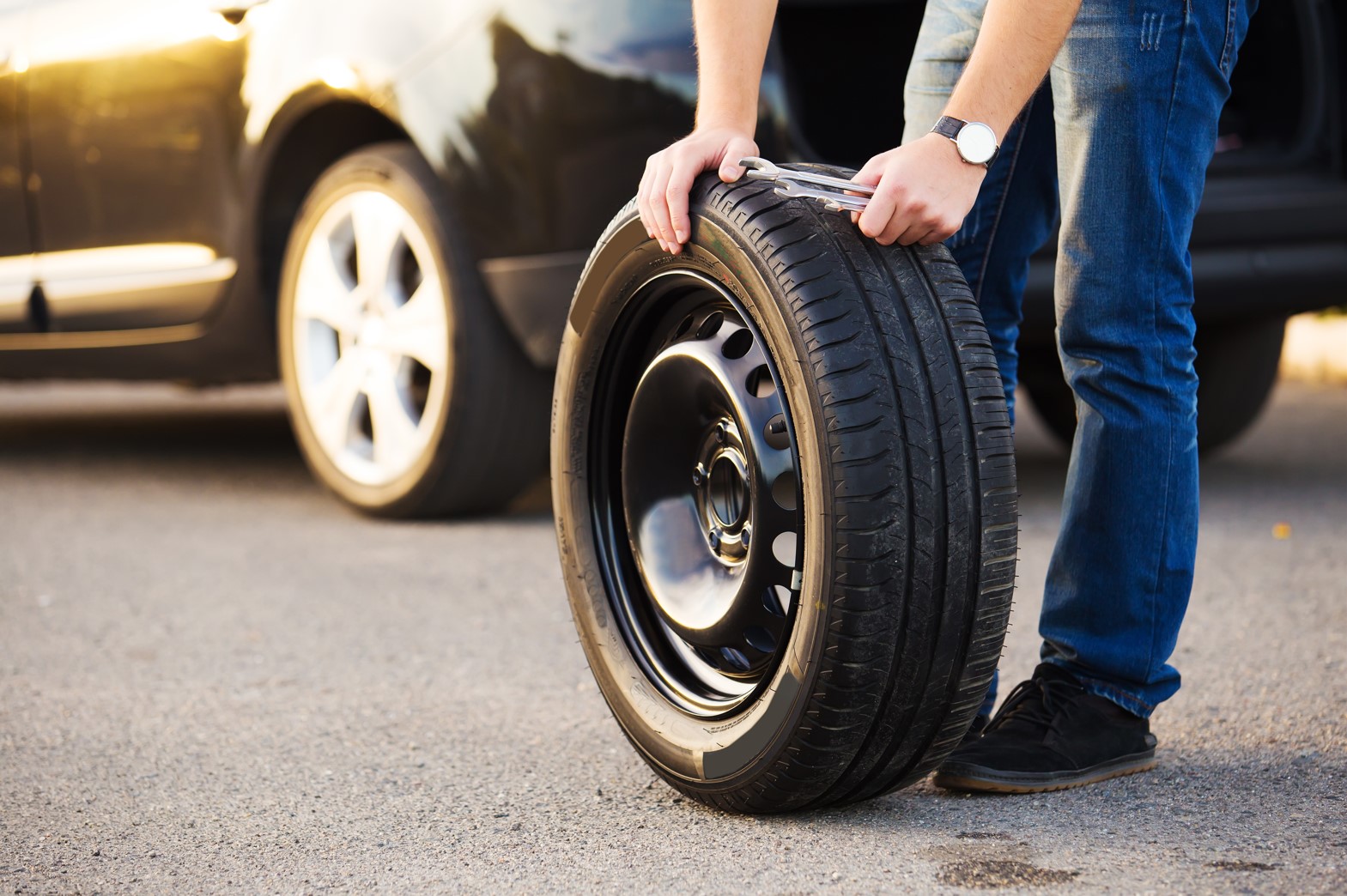
Once you’ve used your spare, get your main tire repaired or replaced as soon as possible. Driving on a spare for too long can damage your car and put you at risk. After replacing your main tire, check your spare and make sure it’s ready for next time.
Credit: www.cbac.com
Practical Insights Most Drivers Miss
Many drivers don’t realize:
- Spare tires lose air over time even if unused. Always check pressure before installing.
- Donut spares can affect ABS and traction control. Your car’s safety systems may not work properly with a temporary tire.
- Insurance may not cover damages caused by improper use of a spare tire. Read your policy carefully.
These points can make a big difference in emergencies.
Frequently Asked Questions
Can I Drive On My Spare Tire For A Week?
No, donut spares are only for short trips. You should use them for no more than 50–70 miles and get your main tire fixed quickly. Full-size spares can last longer, but check their condition first.
Is It Safe To Drive On The Highway With A Spare Tire?
It’s not recommended to drive on highways with a donut spare because of the speed limit and poor handling. Stick to local roads and avoid fast traffic. Full-size spares are safer if in good condition.
How Do I Know If My Spare Tire Is Still Good?
Check the tread depth, air pressure, and look for cracks or signs of dry rot. If the spare is more than 6–8 years old, it may not be reliable. Inspect it every few months.
What Happens If My Spare Tire Blows Out?
If your spare fails, pull over safely, turn on your hazard lights, and call for help. Never try to drive on a flat or damaged spare. You may need a tow or roadside assistance.
Are All Cars Equipped With A Spare Tire?
No, some modern cars come with a repair kit or run-flat tires instead of a spare. Check your car’s manual or trunk to see what you have.
If you want more detailed guidelines, the Wikipedia Spare Tire page has helpful information.
Driving with a spare tire is a temporary solution. Knowing the speed limits, distance limits, and safety tips can prevent accidents and keep your car running smoothly. Always check your spare and follow the manufacturer’s advice. If you stay careful and informed, your spare will help you get back on the road with confidence.

Credit: www.samleman.com