Vacuum Tire Lifter Vs Mechanical Tire Lifter
Tire handling is a critical process in many industries, from automotive manufacturing to logistics and tire retreading. Handling large, heavy tires safely and efficiently is not easy. Injuries, product damage, and slow workflows are common problems. Two of the most popular solutions are the vacuum tire lifter and the mechanical tire lifter. Each has its own strengths and challenges. Choosing the right one can improve safety, speed, and even save money. If you work with tires, knowing the differences is essential.
Let’s explore both types in detail, compare their advantages, limitations, and real-world applications. This guide will help you make an informed decision, whether you manage a warehouse, a garage, or a production line.
What Is A Vacuum Tire Lifter?
A vacuum tire lifter uses suction force to grip and move tires. The system has a vacuum pump connected to a special pad or cup. When the cup touches the tire, the pump creates negative pressure (a vacuum), pulling the tire against the cup. The operator can then lift, rotate, and place the tire safely. Most vacuum lifters are attached to cranes, jib arms, or mobile units.
Vacuum tire lifters are common in automotive plants and tire warehouses. They handle large, heavy tires that might be impossible or dangerous for a person to move alone.
How Does A Vacuum Tire Lifter Work?
The machine uses a vacuum pump to create suction. The suction pad is placed on the tire’s surface. Once the vacuum is strong enough, the tire is held tightly. The operator uses controls to move the tire as needed.
Most vacuum lifters have safety features like vacuum sensors. If the suction is lost, an alarm sounds and the tire cannot be lifted. This helps prevent accidents.
Types Of Vacuum Tire Lifters
- Manual control: The operator guides the lifter by hand.
- Semi-automatic: The machine assists with lifting and lowering.
- Fully automatic: The whole process is automated, usually in large factories.
Some vacuum lifters are designed for specific tire sizes, while others can adjust to different diameters.
What Is A Mechanical Tire Lifter?
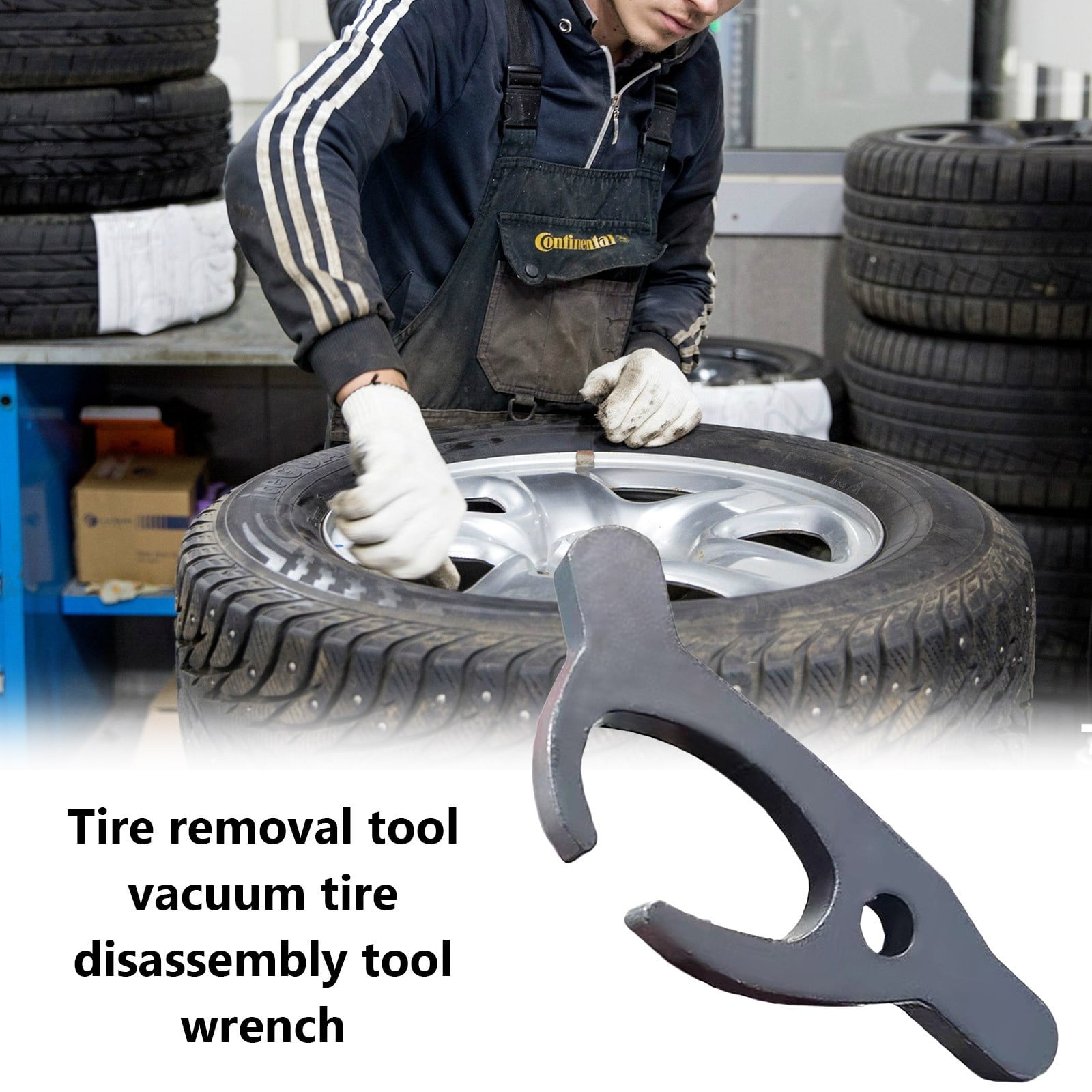
A mechanical tire lifter uses physical force instead of suction. It grips the tire using arms, clamps, or hooks made of steel or aluminum. The operator activates the device—sometimes by hand, sometimes using a foot pedal or a remote control. The lifter then grabs the tire from the sides or underneath and lifts it.
Mechanical lifters are found in tire shops, service centers, and small factories. They are popular for their simplicity and reliability.
How Does A Mechanical Tire Lifter Work?
Mechanical lifters use gripping arms or clamps. The operator positions the lifter around the tire and activates the grip. The device lifts the tire using levers or a hydraulic system. Some models can rotate or tilt the tire, making placement easier.
Mechanical lifters do not need electricity or a vacuum pump. This makes them useful in locations without power.
Types Of Mechanical Tire Lifters
- Manual models: Operated completely by hand, often for smaller tires.
- Hydraulic models: Use hydraulic power for heavier tires.
- Pneumatic models: Use compressed air to move the arms.
Each type is suited for different tire weights and work environments.
Key Differences Between Vacuum And Mechanical Tire Lifters
Both lifters are designed to move tires, but their technology, performance, and best uses are not the same. Here is a comparison:
| Feature | Vacuum Tire Lifter | Mechanical Tire Lifter |
|---|---|---|
| Grip Method | Suction (vacuum) | Physical clamps/arms |
| Power Source | Electric or pneumatic pump | Manual, hydraulic, or pneumatic |
| Suitable Tire Surfaces | Clean, smooth surfaces | All surfaces, including rough or dirty |
| Speed | Fast for repetitive work | Moderate, depends on model |
| Safety Features | Vacuum sensors, alarms | Mechanical locks, guards |
| Maintenance | Needs pump and seals checked | Needs mechanical parts checked |
| Cost | Higher initial cost | Lower to moderate cost |
Advantages Of Vacuum Tire Lifters
Vacuum tire lifters are popular in modern factories for a reason. Here are their main benefits:
1. Reduced Manual Labor
Vacuum lifters allow one person to lift heavy tires with little effort. This reduces fatigue and the risk of injury. It is especially important in workplaces with strict safety rules.
2. Fast Handling
Vacuum lifters work quickly. They can pick and place tires in a few seconds, making them ideal for high-volume operations.
3. Precise Positioning
The suction grip allows for easy rotation and tilting of the tire. This helps when mounting tires on vehicles or racks.
4. Less Tire Damage
Because the vacuum cup grips gently, there is less risk of scratching or deforming the tire. This is important for expensive or sensitive tires.
5. Clean And Quiet Operation
Vacuum lifters make little noise and do not create mess. They are suitable for indoor environments.
6. Versatile Applications
Vacuum lifters can handle tires of different sizes if the cup is adjustable. Some models can even lift other items like drums or barrels.
Non-obvious Insight: Surface Condition Matters
Vacuum lifters work best on clean, smooth tire surfaces. If the tire is dirty, wet, or has deep treads, the suction may fail. Many buyers overlook this and only discover the limitation after purchase.
Non-obvious Insight: Training Is Essential
Using a vacuum lifter seems simple, but operators need training to recognize warning signals and check suction levels. Skipping this step can lead to dropped tires and accidents.
Credit: bks-cs.ch
Limitations Of Vacuum Tire Lifters
No tool is perfect. Vacuum tire lifters have some drawbacks:
1. High Initial Cost
Buying and installing a vacuum lifter is expensive. The pump, control system, and safety features all add to the price.
2. Requires Power Source
Vacuum lifters need electricity or compressed air to run the pump. They are not suitable for remote or outdoor locations without power.
3. Sensitive To Tire Condition
If the tire is dirty, oily, or has cuts, the vacuum may not hold. This can slow down work or cause dropped tires.
4. Regular Maintenance Needed
The vacuum pump and seals must be checked often. Leaks or worn parts reduce performance and safety.
5. Limited To Certain Tire Types
Some vacuum lifters are only designed for specific tire sizes and shapes. Changing between different tires may require changing cups or adapters.
Advantages Of Mechanical Tire Lifters
Mechanical lifters remain popular for many reasons. Here’s why:
1. Simple And Reliable
Mechanical tire lifters use basic technology—arms, levers, or clamps. They have fewer points of failure and are easy to understand.
2. No Electricity Required
Manual and hydraulic models do not need a power supply. This makes them great for mobile repair shops, outdoor work, or emergency roadside use.
3. Handles All Surfaces
Mechanical arms grip the tire from the side or underneath. They work even if the tire is dirty, wet, or heavily treaded.
4. Affordable
Mechanical lifters are usually cheaper than vacuum models. Repair and parts are also less expensive.
5. Wide Range Of Sizes
Most mechanical lifters can be adjusted for different tire sizes with little effort.
Non-obvious Insight: Mechanical Fatigue
While mechanical lifters are simple, repeated use can wear out springs, joints, and clamps. Regular inspection is important, especially with heavy tires.
Non-obvious Insight: Operator Skill Impacts Safety
Mechanical lifters depend on the operator’s skill. A poorly placed clamp can slip or damage the tire. Proper training and attention are key.
Limitations Of Mechanical Tire Lifters
Mechanical tire lifters also have some weaknesses:
1. More Manual Effort
Even with hydraulic assistance, lifting heavy tires can be tiring for the operator, especially over a long shift.
2. Risk Of Tire Damage
Clamps or hooks can scratch or deform the tire if not used carefully. This risk is higher with expensive or soft-walled tires.
3. Slower Operation
Mechanical lifters are usually slower than vacuum lifters, especially when handling many tires in a row.
4. Less Automation
Most mechanical models are designed for hands-on use. They are not easily integrated into fully automated production lines.
5. Limited Ergonomics
Some models require awkward postures or movements, which can cause fatigue or injury over time.
Applications: Where Each Lifter Works Best
Each lifter type shines in certain environments. Here’s where each is most effective:
Vacuum Tire Lifters
- Automotive factories: Moving large numbers of tires quickly and safely.
- Large tire warehouses: Stacking, unstacking, and loading tires onto racks or transport.
- Tire manufacturers: Handling oversized tires for trucks, buses, or heavy equipment.
- Clean environments: Where dust or oil is limited.
Mechanical Tire Lifters
- Tire shops: Changing, mounting, and storing tires of various sizes.
- Mobile service vans: Roadside assistance and off-site repairs.
- Small factories: Occasional tire handling without a need for speed.
- Outdoor locations: Where power may not be available or surfaces are rough.
Real-world Example
A car manufacturing plant uses a vacuum lifter to move 300 tires per day from storage to the assembly line. The smooth, clean tires and flat surfaces make vacuum technology ideal.
A rural tire shop, by contrast, uses a hydraulic mechanical lifter. They handle many dirty, used tires and do not have access to industrial power. The mechanical lifter is affordable and reliable, even if it’s a bit slower.
Cost Comparison: Investment And Maintenance
Cost is often a deciding factor. Here’s a breakdown:
| Type | Initial Cost | Maintenance Cost | Expected Lifespan |
|---|---|---|---|
| Vacuum Tire Lifter | $5,000 – $20,000+ | Moderate to High (pump, seals, sensors) | 8 – 15 years |
| Mechanical Tire Lifter | $800 – $5,000 | Low to Moderate (clamps, joints) | 10 – 20 years |
Vacuum lifters have a higher initial cost, but they can pay off in high-volume settings. Mechanical lifters are cheaper and easier to maintain, which is good for small businesses or occasional use.
Safety Considerations
Both lifter types can improve workplace safety if used correctly. But there are important things to keep in mind:
Vacuum Tire Lifters
- Always check the suction cup for wear or cracks.
- Never use on damaged or dirty tires without cleaning.
- Test the vacuum before lifting.
- Train all operators to recognize alarm signals.
Mechanical Tire Lifters
- Inspect clamps and arms for damage before each use.
- Make sure the tire is centered and balanced before lifting.
- Avoid quick or jerky movements.
- Train staff to avoid placing hands or feet near moving parts.
Pro Tip: Always follow the manufacturer’s safety instructions. Cheap shortcuts can lead to injuries or equipment damage.

Credit: tiresupplynetwork.com
Environmental Factors
The work environment often decides which lifter is best.
- Dusty or oily areas: Mechanical lifters are better, as vacuum cups may lose suction.
- Clean, controlled spaces: Vacuum lifters perform well.
- Outdoor or mobile work: Mechanical lifters, especially manual ones, do not need power and are more reliable.
- High humidity: Vacuum system seals may wear out faster.
Productivity: Which Is Faster?
Speed matters in large-scale operations. Vacuum lifters are usually faster for repetitive lifting. A single operator can move 30–60 tires per hour, depending on the setup. Mechanical lifters are slower, often moving 10–30 tires per hour. However, the difference may not matter in small shops or for one-off jobs.
Credit: proslat.com
Maintenance Requirements
Both lifters need regular checks, but maintenance is simpler for mechanical models.
- Vacuum tire lifter: Inspect and replace vacuum seals, clean filters, check the pump and sensors.
- Mechanical tire lifter: Lubricate moving parts, check clamps for wear, tighten bolts.
Ignoring maintenance leads to breakdowns and safety risks.
Common Mistakes When Choosing A Tire Lifter
Many buyers make costly mistakes. Here are some to avoid:
- Ignoring surface condition: Buying a vacuum lifter for dirty, rough tires usually leads to poor performance.
- Underestimating power needs: Some work areas cannot supply enough electricity or compressed air.
- Choosing the wrong size: Make sure the lifter fits the tires you handle most often.
- Skipping operator training: Untrained staff cause accidents and equipment damage.
- Overlooking maintenance: Failing to plan for regular checks shortens the machine’s life.
Which One Should You Choose?
There is no “one size fits all” answer. Here’s a quick guide:
- Choose a vacuum tire lifter if you:
- Handle many clean, smooth tires daily.
- Need fast, precise operation.
- Can invest in higher upfront cost.
- Have reliable power.
- Choose a mechanical tire lifter if you:
- Work in varied or rough environments.
- Need portability or do not have power.
- Handle dirty, used, or oddly shaped tires.
- Want a lower-cost solution.
If you are still unsure, visit a manufacturer or ask for a demo. Test both types with your actual tires and staff. Sometimes, a combination of both types is the best answer for large operations.
For more technical details and safety recommendations, you can visit the Wikipedia Vacuum Lifter page.
Frequently Asked Questions
What Is The Main Difference Between Vacuum And Mechanical Tire Lifters?
The main difference is the gripping method. Vacuum tire lifters use suction to hold the tire, while mechanical tire lifters use clamps or arms. This affects where and how each lifter works best.
Can Vacuum Tire Lifters Handle All Types Of Tires?
No, vacuum lifters work best on clean, smooth tires. They struggle with dirty, oily, or deeply treaded tires, where the suction cannot form a tight seal.
Are Mechanical Tire Lifters Safer Than Vacuum Models?
Both can be very safe if used correctly. Mechanical lifters do not rely on suction, so they work even with damaged tires. However, they require careful handling to avoid pinching or dropping the tire.
How Much Maintenance Do These Lifters Need?
Vacuum tire lifters need regular checks of the pump, seals, and sensors. Mechanical tire lifters need inspection of clamps, joints, and moving parts, but are usually easier and cheaper to maintain.
Which Lifter Is Better For A Small Tire Shop?
A mechanical tire lifter is usually better for small shops. It’s affordable, reliable, and works on all tire conditions. Vacuum lifters are best for high-volume, factory-like environments.
Choosing the right tire lifter can make a big difference in safety, speed, and cost. Take time to assess your needs, test options if possible, and always invest in training and maintenance. With the right tool, tire handling becomes a safer and more efficient part of your business.