How Many Miles Do Semi Truck Tires Last
Every mile a semi truck travels tells a story of long roads, heavy loads, and tough demands on tires. Many new drivers and fleet owners wonder: how many miles do semi truck tires last? The answer is not as simple as one number. The lifespan of these tires depends on many factors, including driving habits, tire types, road conditions, and maintenance routines. Understanding tire longevity is important for safety, cost savings, and keeping deliveries on time. In this guide, we’ll explore the real mileage you can expect, what impacts tire life, and how to make your tires last as long as possible.
Typical Lifespan Of Semi Truck Tires
Most semi truck tires last between 100,000 and 150,000 miles under normal driving conditions. However, this is only an average. Some tires may need replacement after 60,000 miles, while others can reach nearly 200,000 miles with excellent care. Long-haul trucks usually see higher mileage because they spend more time cruising at steady speeds on highways. In contrast, city delivery trucks may wear tires faster due to frequent stops and turns.
Different Tire Positions, Different Mileage
Not all truck tires wear out at the same rate. Here’s a quick breakdown:
- Steer tires (front wheels): Often last 100,000 to 150,000 miles. They handle more turning and can wear unevenly.
- Drive tires (rear, powered wheels): Usually last 200,000 to 300,000 miles if rotated and maintained well.
- Trailer tires: Tend to last even longer, sometimes over 200,000 miles, since they mostly roll without being powered.
You might notice these numbers seem high compared to car tires. That’s because semi truck tires are designed for heavy loads and more durable materials. Still, these are not guaranteed figures—many factors can shorten or lengthen tire life.
Key Factors That Affect Semi Truck Tire Mileage
Understanding what controls tire lifespan is the first step to maximizing it. Let’s look at the most important factors:
1. Type Of Tire
There are different kinds of truck tires, each built for a specific purpose:
- Long-haul tires: Built for highway driving and long distances. They use harder rubber for better mileage.
- Regional tires: Designed for mixed highway and city driving. Softer rubber means more grip but less mileage.
- Urban/delivery tires: Meant for stop-and-go traffic, so they wear out faster due to frequent braking and turning.
Choosing the right tire type for your route can make a big difference in how many miles you get.
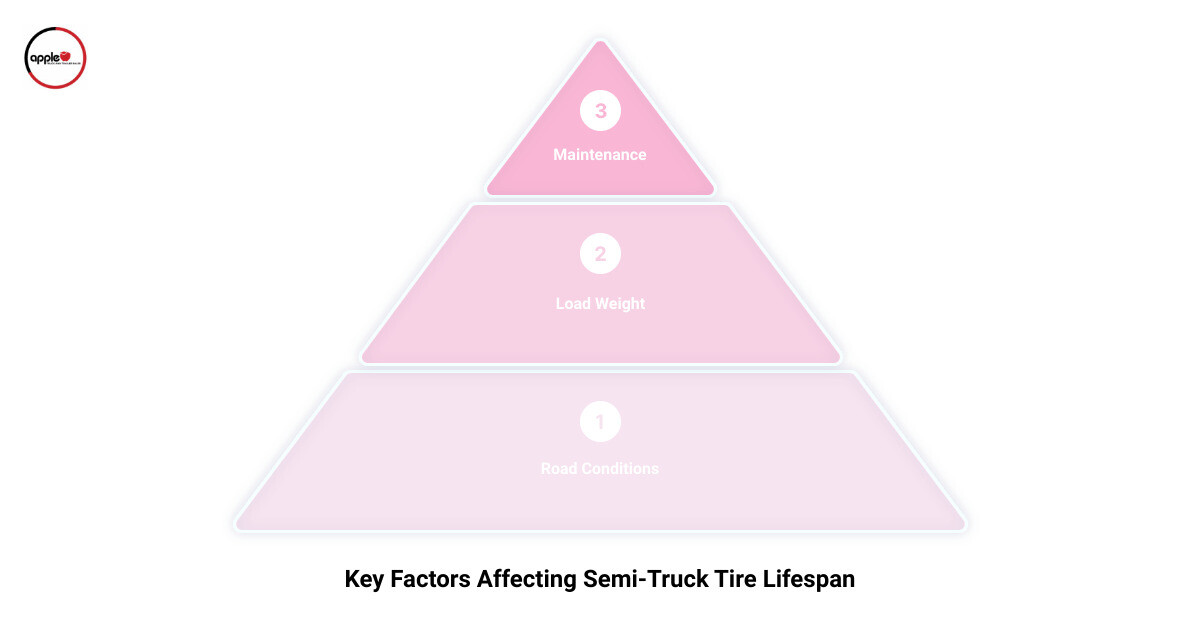
2. Road Conditions
Smooth highways are gentle on tires. But rough roads, potholes, gravel, and hot pavement can all speed up tire wear. Driving in construction zones or on rural roads often causes faster wear and more damage.
3. Load Weight
Heavier loads increase pressure on the tires. Overloaded trucks not only break the law but also reduce tire life dramatically. Even legal loads that are not evenly balanced can cause one side or axle’s tires to wear out faster.
4. Driving Habits
Aggressive driving—fast cornering, hard braking, or quick starts—makes tires wear out sooner. Smooth, steady driving helps them last longer.
5. Tire Maintenance
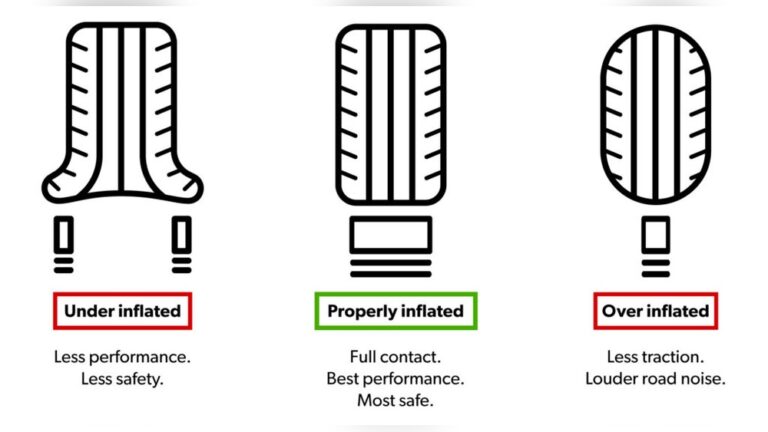
Regular inspections and maintenance are vital. Under-inflated or over-inflated tires wear unevenly. Poor alignment and lack of rotation also cause early tire failure. Neglect is one of the biggest reasons tires don’t reach their full mileage potential.
6. Climate And Temperature
Extreme heat can soften rubber and cause it to break down faster. Cold temperatures can make tires hard and brittle, increasing the risk of cracks. Even sun exposure over time can age tire materials.

Credit: beltwaytruckparts.com
How To Maximize Semi Truck Tire Lifespan
Getting the most miles from your tires requires a proactive approach. Here’s how you can help your tires reach their full potential:
1. Maintain Proper Tire Pressure
Check tire pressure at least once a week. Use an accurate gauge and adjust to the manufacturer’s recommended PSI. Under-inflated tires flex too much, causing heat buildup and faster wear. Over-inflated tires can wear in the center and are more likely to burst.
2. Rotate Tires Regularly
Truck tires should be rotated every 30,000 to 60,000 miles. Rotation evens out wear patterns since front and rear (or drive and trailer) positions get different types of stress.
3. Check Alignment And Balance
Misaligned wheels cause tires to wear unevenly and reduce fuel efficiency. If you notice the truck pulls to one side or the steering wheel shakes, have alignment and balance checked immediately.
4. Inspect For Damage
Look for cuts, cracks, bulges, or foreign objects in the tread. Even a small nail or stone can cause slow leaks or lead to sudden blowouts if ignored.
5. Avoid Overloading
Never exceed the tire’s load rating. Overloading is dangerous and dramatically cuts tire life. Always distribute loads evenly.
6. Drive Smoothly
Gentle acceleration, braking, and turning not only save fuel but also protect tire treads from excessive wear.
7. Store Tires Correctly
If you keep spare tires, store them in a cool, dry place away from direct sunlight. Heat and UV rays can cause dry rot, even if the tire hasn’t been used.
Real-world Examples And Data
To give a clearer picture, let’s compare tire mileage across different scenarios:
| Scenario | Average Tire Mileage | Notes |
|---|---|---|
| Long-haul highway | 120,000–150,000 miles | Consistent speed, low stop-and-go |
| Regional routes | 80,000–120,000 miles | Mix of city and highway driving |
| Urban delivery | 60,000–80,000 miles | Frequent stops, sharp turns |
As seen above, where and how you drive has a big impact on tire life.
How Tire Brands And Models Compare
Not all semi truck tires are created equal. Here’s a look at how leading brands stack up:
| Tire Brand | Typical Mileage Range | Special Features |
|---|---|---|
| Michelin | 120,000–180,000 miles | Fuel-saving treads, long wear |
| Bridgestone | 110,000–170,000 miles | Durable compounds, smooth ride |
| Goodyear | 100,000–160,000 miles | Good for mixed routes |
| Continental | 110,000–170,000 miles | High mileage, quiet performance |
Choosing a premium brand doesn’t guarantee high mileage, but they often use better materials and offer longer warranties.
The Role Of Retreading
Many fleet owners choose to retread their truck tires. This process replaces worn tread with new rubber, keeping the tire casing. Retreaded tires can last 60% to 80% as long as a new tire but cost much less. Some fleets retread tires up to three times before replacing the casing. However, retreading is only safe if the original tire is in good condition.
It’s important to note that retreaded tires require the same maintenance and inspection as new ones. Failing to care for retreads can lead to safety issues.
Signs It’s Time To Replace Semi Truck Tires
Even if your tires haven’t reached the expected mileage, other signs mean it’s time to replace them:
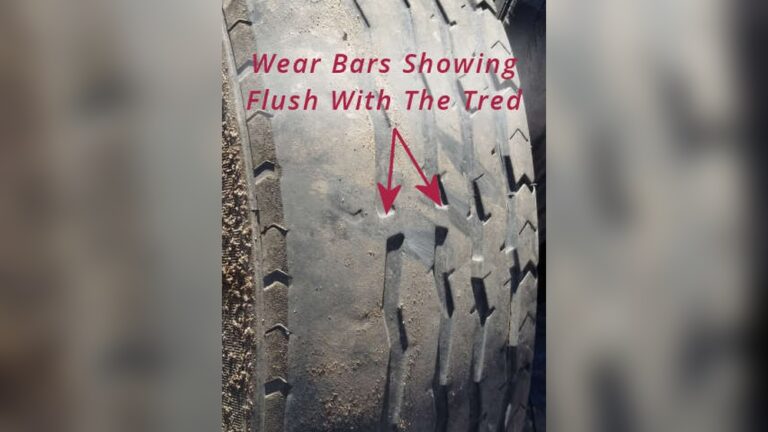
- Tread depth below 4/32” on steer tires (federal law)
- Visible steel belts or cords
- Large cracks, bulges, or sidewall damage
- Repeated air loss or slow leaks
- Age over 6 years, even if tread remains
Ignoring these signs can lead to blowouts, accidents, and costly downtime.
Credit: appletruckandtrailer.com
Common Mistakes That Shorten Tire Life
Many beginners make simple errors that cost them thousands in early replacements. Here are some non-obvious pitfalls:
- Skipping regular tire inspections: Even a small cut or embedded stone can cause slow leaks or sudden failure if ignored.
- Mixing tire brands or types: Using different brands or treads on the same axle creates uneven wear and balance issues.
- Improper repairs: Plugging or patching a tire incorrectly can weaken it, risking a blowout later.
- Not checking tires after hitting road hazards: After hitting a pothole or curb, always check for damage—even if the tire looks fine.
- Letting tires age out: Tires can become unsafe due to age, not just mileage. Rubber degrades over time, especially if exposed to sunlight or chemicals.
Hidden Insights Most Drivers Miss
While routine checks and good driving habits are well-known, two important ideas are often overlooked:
- The effect of tire matching: Always try to match tires by tread pattern and wear level on the same axle. Mismatched tires make the truck harder to handle and wear out both tires faster.
- The value of data tracking: Keeping a log of tire mileage, repairs, and rotations helps you spot patterns and catch problems early. Many fleets now use software to monitor tire health and replacement cycles.

Credit: www.lubezone.com
When To Invest In Premium Tires
It might be tempting to save money with cheaper tires, but this often costs more in the long run. Premium tires offer:
- Longer tread life
- Better fuel economy
- Improved safety features
- Stronger warranties
For trucks covering high mileage or carrying valuable loads, investing in quality tires can pay off in reduced downtime and fewer replacements.
Frequently Asked Questions
How Often Should I Check Semi Truck Tire Pressure?
You should check tire pressure at least once a week. For trucks that travel daily or carry heavy loads, checking every trip is even better. Proper pressure prevents uneven wear and blowouts.
Can I Mix Different Brands Of Semi Truck Tires On My Truck?
It’s best not to mix brands, especially on the same axle. Different brands have unique tread patterns and rubber compounds. Mixing can cause uneven wear and make the truck harder to control.
How Do I Know If My Semi Truck Tires Need Replacement Before Reaching Their Mileage Limit?
Look for signs like low tread depth, cracks, bulges, or repeated air loss. If you see steel belts or the tire is over 6 years old, replace it even if it hasn’t reached maximum miles.
Is Retreading Semi Truck Tires Safe?
Yes, retreading is safe if done by a reputable service and the tire casing is in good shape. Retreaded tires are widely used in the trucking industry. Learn more about retreading from the Tire Review Magazine.
How Does Driving Speed Affect Semi Truck Tire Life?
High speeds increase heat and friction, which can make tires wear out faster. Keeping speeds within recommended limits and avoiding sudden stops helps tires last longer.
Proper care, smart choices, and regular attention can help your semi truck tires go the distance—saving you money, time, and stress mile after mile.