When choosing new tires, many drivers face the decision between 275 and 305 tire sizes. The numbers refer to the tire’s width in millimeters. While a difference of 30mm may sound small, it can change how your vehicle feels, handles, and even looks. Whether you drive a sporty car, a pickup truck, or an SUV, understanding the impact of these two common tire sizes is important for safety, performance, and style. This guide will help you learn everything you need to know about 275 vs 305 tires—from basic measurements to real-world effects, and even what beginners usually miss. By the end, you’ll be ready to choose the tire size that best fits your driving needs.
What Do Tire Sizes Mean?
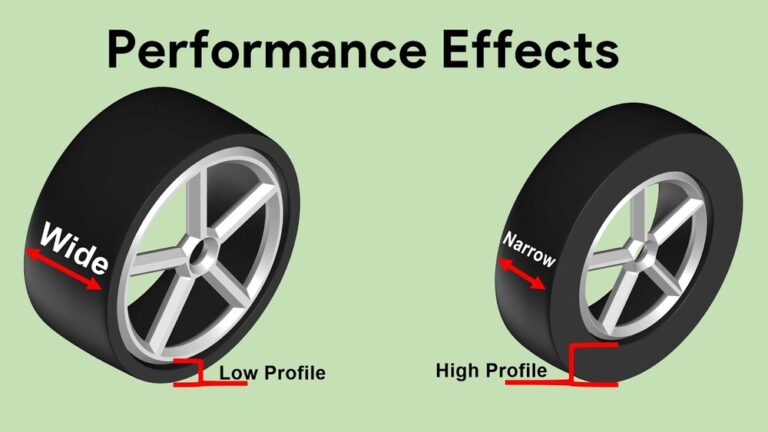
Tire sizes like 275 and 305 aren’t random numbers. They follow a standard format, for example: 275/55R20. The first number (275 or 305) is the width of the tire in millimeters. The second part (like 55) is the aspect ratio, which is the height of the sidewall as a percentage of the width. The “R” means radial construction (the most common type), and the last number (like 20) is the wheel diameter in inches.
A 275 tire is 275mm wide, while a 305 tire is 305mm wide. This means the 305 is 30mm wider than the 275. Wider tires have a larger contact patch with the road, which can affect grip, handling, and sometimes fuel economy.
Key Differences Between 275 And 305 Tires
Understanding the difference between these two sizes helps you predict how your vehicle will perform.
| Specification | 275 Tire | 305 Tire |
|---|---|---|
| Width (mm) | 275 | 305 |
| Contact Patch | Smaller | Larger |
| Common Vehicles | SUVs, Light Trucks, Sports Cars | Performance Trucks, Sports Cars |
| Looks | Standard/Wide | Very Wide/Aggressive |
| Handling | Stable | More Grip |
| Rolling Resistance | Lower | Higher |
| Price | Usually Lower | Usually Higher |
275 Tire: In-depth Breakdown
A 275 tire is often chosen for drivers who want a balance between performance, ride comfort, and fuel efficiency. These tires are common on SUVs, crossovers, and some sports cars. The width gives good traction without being too heavy or increasing rolling resistance much.
Advantages Of 275 Tires
1. Balanced Performance
The 275 size provides a good mix of grip and comfort. It handles well in corners but does not feel too heavy on the steering.
2. Better Fuel Economy
With less rolling resistance than wider tires, 275s can help you save fuel, especially in everyday driving.
3. Lower Cost
Because 275 is a common size, it is often less expensive and easier to find.
4. Smoother Ride
The narrower width can absorb bumps a bit better, making the ride smoother.
When To Choose 275 Tires
- If you drive mostly on highways or city streets.
- If you want to save on fuel and tire costs.
- If you do not need maximum grip for high-performance driving.
275 Tires: Common Vehicles
- Ford F-150 (certain trims)
- Chevrolet Silverado (base models)
- Toyota 4Runner
- BMW X5
These vehicles often use 275 tires for daily driving, moderate towing, and light off-road use.
Non-obvious Insight: Tire Width And Winter Driving
Wider tires like 305s can “float” on snow, while 275 tires cut through snow better, giving more traction in winter. If you live in a snowy area, staying with a 275 tire can actually improve safety.
305 Tire: In-depth Breakdown
A 305 tire is much wider and creates a bold, powerful look. These tires are often used on performance trucks, muscle cars, or vehicles modified for off-road or track use. The extra width increases the tire’s contact with the road, which can boost grip and cornering ability.
Advantages Of 305 Tires
1. Maximum Grip
The 305 tire’s wide contact patch offers more grip during hard acceleration and sharp turns.
2. Aggressive Appearance
The wide stance makes vehicles look more powerful and sporty.
3. Better For Performance And Towing
Wider tires can help manage the higher power of sports cars and trucks. They can also help with stability when towing heavy loads.
When To Choose 305 Tires
- If you want the best grip for racing or spirited driving.
- If you want your truck or SUV to have a more aggressive look.
- If your vehicle is modified for more power or off-road use.
305 Tires: Common Vehicles
- Chevrolet Camaro ZL1
- Ford Mustang Shelby GT500
- Dodge Ram 1500 (off-road packages)
- Jeep Grand Cherokee Trackhawk
These vehicles use 305 tires to match their high power and performance needs.
Non-obvious Insight: Wheel Well Space
Many people forget to check wheel well clearance. A 305 tire may rub against the inside of the wheel well or suspension parts, especially when turning or hitting bumps. Always measure carefully before switching to a wider tire.
Detailed Comparison: 275 Vs 305 Tire
Handling And Performance
305 tires handle better at the limit, especially during fast cornering or acceleration. However, for normal driving, the extra width may not make a big difference. Sometimes, a 275 tire feels more “alive” and responsive, while a 305 can feel heavy.
Ride Comfort
A 275 tire usually offers a softer ride. The extra sidewall flex absorbs road bumps better. A 305 tire, because of its width, can transfer more road noise and bumps into the cabin.
Fuel Economy
Wider tires like the 305 have more rolling resistance. This means your engine needs to work harder, using more fuel. The difference may be small for some, but over thousands of miles, it adds up.
Price
305 tires generally cost more. They need more material and are less common, so prices are higher. Sometimes, you may also need to buy wider wheels or even modify your car, which adds cost.
Weight
A 305 tire is heavier. This can affect acceleration, braking, and fuel economy. Heavier tires put more strain on the suspension and steering parts.
Wet And Snow Performance
Wider tires can “hydroplane” more easily on wet roads. In snow, they may slide on top instead of cutting through. A 275 tire is usually safer in these conditions.
Looks
If style is important, 305 tires look more aggressive. They fill the wheel well better and can make your vehicle stand out.
Tire Availability
275 tires are easier to find. You’ll have more choices for tread patterns, brands, and prices. 305 tires have fewer options, which can make replacement harder.
Real-world Examples
Let’s look at how the same vehicle feels with each tire:
2021 Ford F-150
- With 275 tires:
Handles well, rides smooth, uses less fuel. Good for daily driving and light towing.
- With 305 tires:
Looks more rugged, grips better off-road, but may rub or need a lift kit. Slightly less fuel economy.
Chevrolet Camaro Ss
- With 275 tires:
Agile and responsive. Great for street driving.
- With 305 tires:
Maximum grip for track days. Feels heavy at low speed but sticks to the road in sharp turns.

Credit: www.reddit.com
Fitment: Can You Switch From 275 To 305 Tires?
Switching from a 275 to a 305 tire is not always simple. Here are the steps you must follow:
1. Check Wheel Width
Your wheels must be wide enough. Most 275 tires fit on 9-10 inch wheels. 305s often need 10-12 inch wide wheels.
2. Check Wheel Well Clearance
Measure the distance between the tire and the fender, suspension, and brake parts. Wider tires can rub.
3. Adjust Suspension If Needed
For very wide tires, you might need a small lift or different suspension parts.
4. Speedometer Adjustment
A different tire size can change your speedometer reading. A tire shop can recalibrate it.
5. Consider Warranty And Insurance
Some changes can affect your car’s warranty or insurance coverage.
Common Mistakes When Upgrading Tire Size
1. Ignoring Wheel Width
Putting a 305 tire on a narrow wheel is unsafe. The tire can “bulge” and wear unevenly.
2. Not Checking Clearance
Many people forget to turn the steering wheel all the way when checking for rubbing.
3. Skipping Professional Advice
Tire shops can help you measure and recommend the best size. Don’t just trust online forums.
4. Overlooking Load Rating
Make sure your new tire can handle the weight of your vehicle.
5. Mixing Tire Sizes
Never run 275 on the front and 305 on the rear (or vice versa) unless your car is designed for it. This can confuse traction systems.
Practical Buying Tips
- Measure Twice: Always measure your wheel and wheel well before buying.
- Compare Brands: Some brands make wider or narrower tires for the same “size.” Check the specs.
- Think About Driving Style: If you drive mostly on highways, stick with 275. If you race or go off-road, consider 305.
- Check Local Laws: Some countries or states have rules about tire width.
Tire Size And Speedometer Error
Changing from 275 to 305 tires can affect your speedometer, but not always. The real problem happens if you change the overall tire diameter (the combination of width, aspect ratio, and wheel size).
For example:
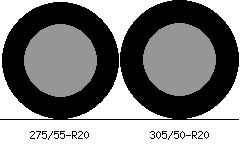
- 275/55R20 and 305/50R20 have almost the same diameter.
- 305/55R20 is much taller, so your speedometer will read slower than your real speed.
Use an online tire calculator to check before you buy.
Technical Comparison Table
Here’s a data comparison for two real tire sizes:
| Size | Width (mm) | Sidewall Height (mm) | Overall Diameter (mm) | Revs per Mile |
|---|---|---|---|---|
| 275/55R20 | 275 | 151.25 | 814.5 | 777 |
| 305/50R20 | 305 | 152.5 | 822 | 770 |
Notice how the sidewall height and overall diameter are very close. This means you can sometimes switch between these sizes without big problems, but always check fitment first.
Pros And Cons Summary
Here’s a quick summary to help you decide:
| 275 Tire | 305 Tire | |
|---|---|---|
| Grip | Good | Excellent |
| Fuel Economy | Better | Lower |
| Cost | Lower | Higher |
| Availability | High | Medium |
| Winter Performance | Better | Poorer |
| Looks | Standard | Aggressive |
When Not To Upgrade To 305 Tires
Upgrading to 305 tires is not always a good idea. Here are situations where it’s better to stick with 275:
- Factory Warranty Concerns: Some carmakers void warranties for non-standard tire sizes.
- Fuel Efficiency is Important: If you drive long distances, the extra cost adds up.
- Snow and Rainy Climates: Wider tires can be less safe.
- No Suspension Upgrades: If you’re not ready to adjust your car’s suspension, don’t risk rubbing.
Two Beginner Mistakes Most People Miss
1. Not Realizing Tire Width Changes Tread Shape
A 305 tire on a narrow wheel will not put all its width on the road. You may end up with less grip than you expected.
2. Assuming All 305 Tires Are The Same
Different brands make 305 tires with slightly different widths, sidewall heights, and tread shapes. Always check the “actual” measurements, not just the size code.

Credit: www.youtube.com
Expert Guidance: How To Choose
When choosing between 275 vs 305 tires, start with your vehicle’s owner’s manual. The safest option is always the recommended size. If you want to upgrade:
- Ask yourself if you need more grip or just want a tougher look.
- Talk to a professional tire shop.
- Consider the total cost, including new wheels, suspension changes, and possible insurance changes.
- Think about your local roads and weather.
If you want more technical information, the Wikipedia tire code page explains how to read tire sizes and what each part means.
Frequently Asked Questions
What Is The Main Difference Between 275 And 305 Tires?
The main difference is width. A 305 tire is 30mm wider than a 275 tire. This affects grip, looks, and sometimes fuel economy.
Can I Fit 305 Tires On My Car If It Came With 275?
Maybe. You must check wheel width and wheel well clearance. Sometimes, you need wider wheels or a suspension lift to avoid rubbing.
Will 305 Tires Use More Fuel Than 275?
Yes, wider tires like 305s usually have more rolling resistance, so your engine works harder and uses more fuel.
Are 305 Tires Better For Off-road Driving?
For some trucks and SUVs, yes. The wider tire gives better grip in mud and sand. But in snow or deep water, a 275 can be safer.
Do I Need To Change My Wheels If I Switch To 305 Tires?
Probably. Most 305 tires need a wider wheel (usually 10-12 inches). Using a narrow wheel is unsafe and can damage the tire.
Switching between 275 and 305 tires is more than just a style choice—it’s about safety, performance, and cost. Make your decision with care, check all measurements, and always ask a professional if you’re not sure. With the right tire size, your vehicle will drive, handle, and look exactly how you want.
Credit: www.tacomaworld.com