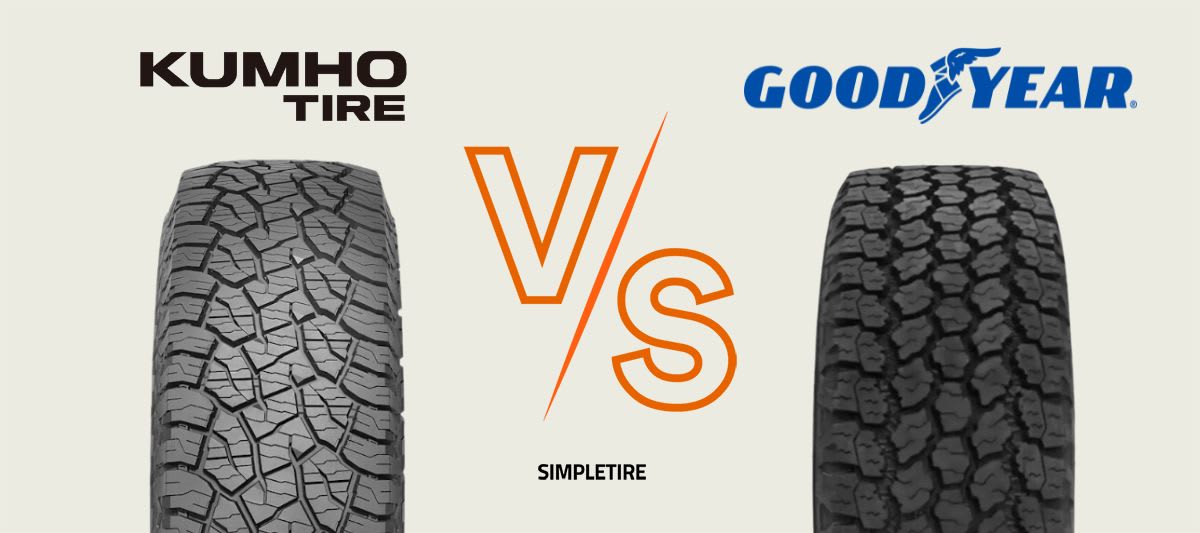
When you’re about to buy new tires for your car, two names you often see are Goodyear and Kumho. Both brands have a strong presence in the global tire market, but they are very different in history, technology, price, and performance. Deciding which one is better for your vehicle and driving style can be confusing, especially with so many models and marketing messages. In this guide, you’ll get a clear, detailed comparison between Goodyear and Kumho, so you can make a confident choice, whether you drive daily to work or enjoy weekend road trips.
Brand Backgrounds
Understanding where each brand comes from helps you see their strengths and focus.
Goodyear: American Heritage
Founded in 1898 in Akron, Ohio, Goodyear is one of the oldest and largest tire companies in the world. They have a reputation for innovation and have supplied tires to everything from race cars to airplanes. Goodyear is known for investing heavily in research and development, and their tires are often standard equipment on major car brands like Ford and Chevrolet. Their history includes partnerships with NASCAR and Formula 1, showing their focus on high performance and safety.
Kumho: Korean Challenger
Kumho Tire started in South Korea in 1960. While younger than Goodyear, Kumho quickly gained a reputation for making reliable, affordable tires. They now sell in more than 180 countries and supply original equipment to brands like Hyundai, Kia, and Volkswagen. Kumho is known for using modern manufacturing methods to keep costs low while offering solid quality.
Key Difference
The main difference is that Goodyear is often seen as a premium, high-tech brand, while Kumho is associated with good value and reliability.
Tire Lineups Compared
Both brands offer a wide range of tires for different needs, including all-season, summer, winter, performance, and off-road tires. Here’s how their main product ranges compare:
| Type | Goodyear Example | Kumho Example |
|---|---|---|
| All-Season | Assurance WeatherReady | Solus TA31 |
| Summer Performance | Eagle F1 Asymmetric 6 | Ecsta PS31 |
| Winter/Snow | Ultra Grip Ice WRT | WinterCraft WP72 |
| Touring | Assurance ComforTred Touring | Solus TA71 |
| Off-Road/All-Terrain | Wrangler All-Terrain Adventure | Road Venture AT51 |
Goodyear usually offers more options in each category, especially for high-end and specialty vehicles. Kumho focuses on mainstream models that fit most passenger cars and SUVs.
Performance: Real-world Testing
Performance is where drivers often notice the biggest differences.
Dry Grip
Goodyear tires, especially their Eagle and Assurance series, are known for excellent grip on dry roads. Tests show that Goodyear often provides shorter braking distances and more precise steering, especially in sporty models.
Kumho tires, like the Ecsta and Solus lines, offer good grip for daily driving. While not as sharp as Goodyear in extreme situations, Kumho performs reliably in normal city and highway conditions.
Wet Handling
One area where Goodyear stands out is wet traction. Their tread designs, with wide circumferential grooves, help channel water away quickly. For example, the Goodyear Assurance WeatherReady received high scores for wet handling in independent tests.
Kumho’s newer models, like the Solus TA71 and Ecsta PA51, have improved water evacuation and hydroplaning resistance. However, Goodyear still has a slight edge in wet grip, especially in sudden stops.
Snow And Ice
Both brands offer dedicated winter tires. Goodyear’s Ultra Grip series is designed for severe winter conditions, with special rubber compounds that stay flexible in extreme cold. Kumho’s WinterCraft line is popular in Europe and Asia for its balance of price and winter performance.
In third-party tests, Goodyear often performs better on ice and packed snow, while Kumho is competitive on slushy or damp winter roads.
Noise And Comfort
Most Goodyear touring and all-season tires are designed for a quiet and smooth ride. Features like their ComfortEdge technology help absorb road bumps and reduce noise.
Kumho tires are generally comfortable, but some users report more road noise after 20,000-30,000 miles, especially on rough surfaces. However, Kumho’s latest touring tires, such as the Solus TA71, use noise-cancelling tread patterns to improve comfort.
Tread Life
Goodyear tires are famous for long tread life. Many models come with warranties of 60,000-80,000 miles. Real-world reports often match these numbers if tires are rotated and maintained properly.
Kumho offers tread warranties from 40,000 to 75,000 miles, depending on the model. Their tires usually wear slightly faster, especially under aggressive driving, but are still above average for their price range.
Price Comparison
Price is a major factor for many buyers. Kumho is almost always more affordable than Goodyear.
| Category | Goodyear Average Price (per tire) | Kumho Average Price (per tire) |
|---|---|---|
| All-Season (215/55R17) | $140 – $180 | $90 – $120 |
| Performance (225/45R18) | $170 – $210 | $110 – $150 |
| Winter (205/60R16) | $130 – $170 | $85 – $110 |
| Off-Road (265/70R17) | $180 – $250 | $130 – $170 |
Kumho’s lower prices make them a good choice for budget shoppers or those who replace tires often. However, Goodyear’s higher price often reflects advanced features, longer life, and better warranties.
Warranty And Customer Support
Goodyear offers strong warranties on most of their products. Their limited treadwear warranties can go up to 85,000 miles, and they also provide a 30-day satisfaction guarantee on select models. You can get support at thousands of locations worldwide.
Kumho’s warranties are competitive, with coverage up to 75,000 miles for some models. Their customer service has improved in recent years, but their dealer network is smaller, especially outside Asia.
An insight many buyers miss: warranty claims are easier with Goodyear because of their larger dealer network. Kumho may require more paperwork or longer wait times if you need to use the warranty.
Technology And Innovation
Goodyear invests heavily in new tire technology. Examples include:
- RunOnFlat technology: Lets you drive up to 50 miles after a puncture.
- ActiveBraking: Improves contact with the road during hard stops.
- SoundComfort: Uses foam inside the tire to reduce cabin noise.
Kumho focuses on cost-effective technologies. They use advanced silica compounds for better grip and fuel efficiency, and their ESCOT Tension Control technology improves handling by evenly distributing pressure.
Kumho also has a notable presence in motorsports, but their main innovations focus on making affordable tires with reliable performance.
A detail many miss: Goodyear’s most advanced features are only available on select, often expensive, models. Kumho tends to include their best technologies across more of their lineup.
Tire Availability And Selection
Goodyear tires are widely available, whether you live in North America, Europe, or Asia. You can find them at big chains, car dealerships, and online stores.
Kumho is also available globally, but their selection can be limited in some countries. For example, certain Kumho performance or winter tires may not be stocked at every dealer in North America.
One non-obvious insight: fitment options. Goodyear often offers more sizes for unusual or high-performance cars. Kumho covers most mainstream cars and SUVs, but may not have tires for rare sizes.
Value For Money
Kumho is a popular choice for drivers who want the best deal for everyday use. You can often buy four Kumho tires for the price of three Goodyears. If you drive mostly in the city, don’t push your car hard, and want to save money, Kumho is a smart pick.
Goodyear, on the other hand, delivers more value to drivers who want longer-lasting tires, better performance in tough conditions, or advanced features like run-flat or noise-reducing technology. If you keep your car for years, the higher upfront cost can pay off with longer tread life and fewer replacements.
A practical example: For a compact sedan used mainly in the city, a Kumho Solus set can save you $200 or more. For a luxury SUV or sports car, Goodyear’s better grip and durability may justify the price.

Credit: www.reddit.com
User Reviews And Reputation
Looking at thousands of user reviews, patterns emerge:
- Goodyear users praise tread life, quietness, and confidence in bad weather. Complaints are usually about price or stiffer ride on sporty models.
- Kumho users like the value, smooth ride, and low road noise (at first). Some mention faster tread wear or reduced grip after 30,000 miles.
A common mistake: Choosing by brand alone. Always check individual model reviews, as both brands have strong and weak performers.
Notable Tire Models Compared
Let’s look at some direct model comparisons:
Goodyear Assurance Weatherready Vs Kumho Solus Ta31
Goodyear’s Assurance WeatherReady is an all-season tire designed for changing climates. It’s highly rated for wet and light snow traction, with a tread life warranty of 60,000 miles. The Solus TA31 is quieter and cheaper but doesn’t match WeatherReady in wet grip or winter handling.
Goodyear Eagle F1 Asymmetric 6 Vs Kumho Ecsta Ps31
Both are ultra-high-performance summer tires. The Eagle F1 Asymmetric 6 offers better dry and wet grip, especially for sporty driving, but at a higher price. The Ecsta PS31 is a great budget-friendly option for spirited driving, though it can be noisier and wears faster.
Goodyear Wrangler All-terrain Adventure Vs Kumho Road Venture At51
For trucks and SUVs, the Wrangler All-Terrain Adventure is built for off-road durability and long life. It’s excellent on gravel, mud, and highways. The Road Venture AT51 is cheaper and performs well off-road, but its tread life is shorter and it’s noisier at highway speeds.
Environmental And Fuel Efficiency
Goodyear’s EfficientGrip and Kumho’s Ecowing lines are designed for fuel savings and lower emissions.
Goodyear uses advanced silica compounds and lightweight designs to reduce rolling resistance, which can save you up to 4% in fuel over the life of the tire. Kumho’s Ecowing ES31 is also optimized for fuel savings, but the difference in real-world fuel economy is usually less than $50 per year for most drivers.
Goodyear has more eco-certifications and invests in sustainable rubber production. Kumho is improving but is still catching up in this area.
Which Brand Suits Which Driver?
Choosing between Goodyear and Kumho depends on your needs:
- Pick Goodyear if you want top performance in all conditions, drive a high-value or luxury car, or need advanced features like run-flat or noise reduction.
- Pick Kumho if you want a solid, reliable tire for daily use, have a tight budget, or drive a mainstream sedan or SUV.
A tip most people miss: If you drive less than 10,000 miles a year, Kumho may offer the best value, since you may need to replace tires for age before tread wears out.
Credit: simpletire.com
Safety And Testing
Both brands are subject to safety regulations in all markets. Goodyear often scores higher in independent safety tests, especially in wet and emergency maneuvers. Kumho meets all global standards and is trusted by major automakers, but may not always offer the same margin of safety in extreme conditions.
For peace of mind in harsh weather or fast driving, Goodyear is a safer bet. For typical city and highway use in mild climates, Kumho performs well and meets all safety expectations.
Common Buying Mistakes
- Ignoring local climate: For frequent snow or heavy rain, Goodyear’s top-rated models are worth the premium.
- Not checking manufacturing date: Kumho tires are sometimes discounted when a new model is released. Always check the date code to avoid buying old stock.
- Mismatched sets: Mixing Kumho and Goodyear tires on the same car can reduce handling and wear evenly.
- Overbuying: Don’t pay for features you won’t use, like high-speed ratings or run-flat, if you don’t need them.
- Skipping reviews: Both brands have some weak models—always check recent user reviews before buying.

Credit: www.reddit.com
How To Choose Between Goodyear And Kumho
- Define your needs: List your driving habits, weather, and budget.
- Match tire type: Choose all-season, summer, winter, or off-road based on your use.
- Compare specs: Look at treadwear ratings, traction scores, and warranty.
- Read reviews: Focus on recent reviews for your specific vehicle and tire size.
- Check for deals: Kumho often offers rebates or seasonal sales. Goodyear sometimes includes free services.
- Consider installation: Goodyear’s bigger dealer network makes installation and support easier in most countries.
Expert Recommendations
- For family sedans or small SUVs (Toyota Camry, Honda CR-V): Kumho Solus TA31 for value, Goodyear Assurance WeatherReady for all-weather confidence.
- For sports cars (BMW 3-Series, Ford Mustang): Goodyear Eagle F1 Asymmetric 6 for ultimate grip, Kumho Ecsta PS31 for budget spirited driving.
- For pickup trucks or off-road SUVs (Ford F-150, Jeep Wrangler): Goodyear Wrangler All-Terrain Adventure for durability, Kumho Road Venture AT51 for light off-roading.
Industry Recognition
Goodyear has won more J.D. Power and Tire Rack awards for customer satisfaction and performance. Kumho is often recognized for value and innovation in budget segments, especially in Asia and Europe.
For more in-depth tire test results, you can visit Tire Rack.
Frequently Asked Questions
Is Goodyear Better Than Kumho For Winter Driving?
Goodyear’s winter tires, like the Ultra Grip series, offer better performance on ice and snow. They use advanced rubber compounds that stay soft in cold weather, providing more grip and shorter stopping distances. Kumho’s WinterCraft series is good for light snow and slush, but not as effective in extreme winter conditions.
Are Kumho Tires Noisy Compared To Goodyear?
Kumho’s latest models are quieter than older ones, especially when new. However, Goodyear’s touring and premium tires often stay quieter for longer and use special noise-reducing technologies. On rough roads or after 20,000+ miles, some Kumho tires may become noisier.
Which Brand Lasts Longer, Goodyear Or Kumho?
Goodyear tires generally last longer, with many models reaching 60,000-80,000 miles if maintained well. Kumho tires are durable for their price but may wear faster, especially with aggressive driving or on heavier vehicles.
Is Kumho A Safe Tire Brand?
Yes, Kumho tires meet all international safety standards and are used by major automakers as original equipment. They are safe for everyday driving, but Goodyear may offer a bigger safety margin in bad weather or emergency situations.
Are Goodyear Tires Worth The Extra Cost?
If you want longer tread life, better performance in challenging conditions, or premium features like run-flat or noise reduction, Goodyear is worth the higher price. For basic city driving, Kumho’s lower cost may be a better fit.
Choosing between Goodyear and Kumho depends on your driving needs, budget, and what you value most in a tire. Both brands have strong reputations, but understanding the key differences will help you make the best decision for your car and your safety.