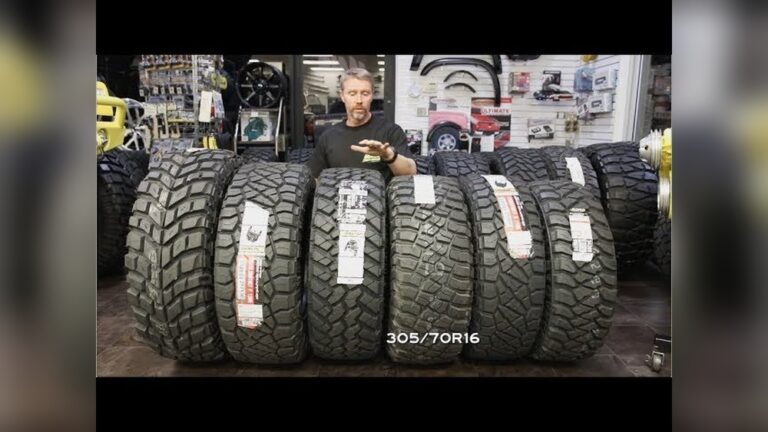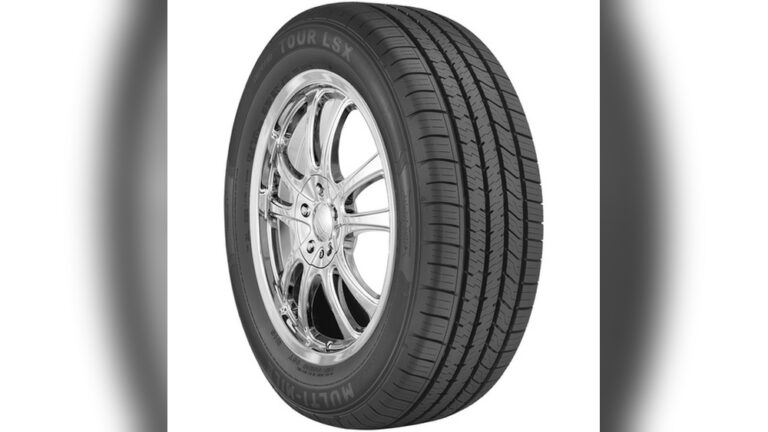
Winter brings icy roads, snow piles, and freezing rain. For many drivers, it also brings a tough choice: winter tires or studded snow tires? Both are made for cold weather, but they are not the same. The differences matter—especially when you want to stay safe on slippery roads. Choosing the right tire can change how your car handles, how comfortable your drive is, and even how much you spend. This article will help you understand each option, their pros and cons, and which is best for your needs. Whether you drive in mild winters or face harsh snowstorms, you’ll find clear answers and practical advice here.
What Are Winter Tires?
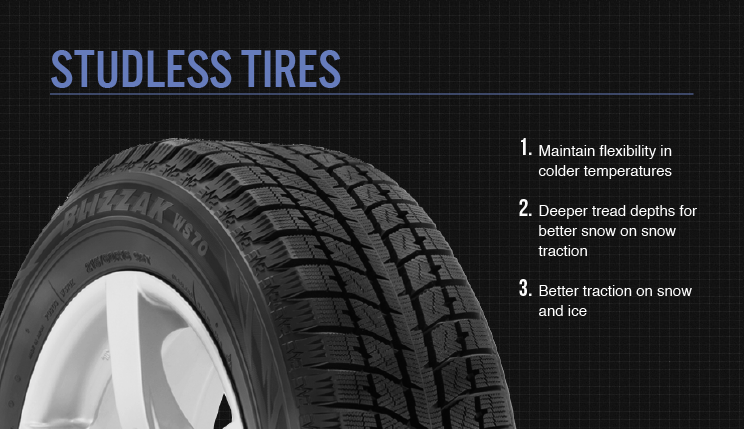
Winter tires are designed for cold temperatures, snow, and ice. They use special rubber that stays soft in the cold. This helps them grip the road better than regular tires. The tread patterns are deeper and more complex, allowing them to push away snow and slush.
Unlike summer or all-season tires, winter tires are tested for temperatures below 7°C (45°F). They feature the three-peak mountain snowflake symbol, which means they meet strict standards for winter use. The grooves and sipes (tiny cuts in the rubber) help improve traction on slippery surfaces.
Most winter tires do not have metal studs. Instead, their grip comes from the rubber and tread design. This makes them quieter and less damaging to roads compared to studded tires.
How Winter Tires Work
The secret is in the rubber compound. Regular tires get hard and lose grip when it’s cold. Winter tires stay flexible, which lets them grab the road even when it’s icy. Their tread patterns channel snow and water away, reducing the chance of sliding.
Winter tires also have more biting edges—tiny parts of the tread that dig into the snow. This increases stability and control. On dry cold roads, they perform much better than all-season tires.
What Are Studded Snow Tires?
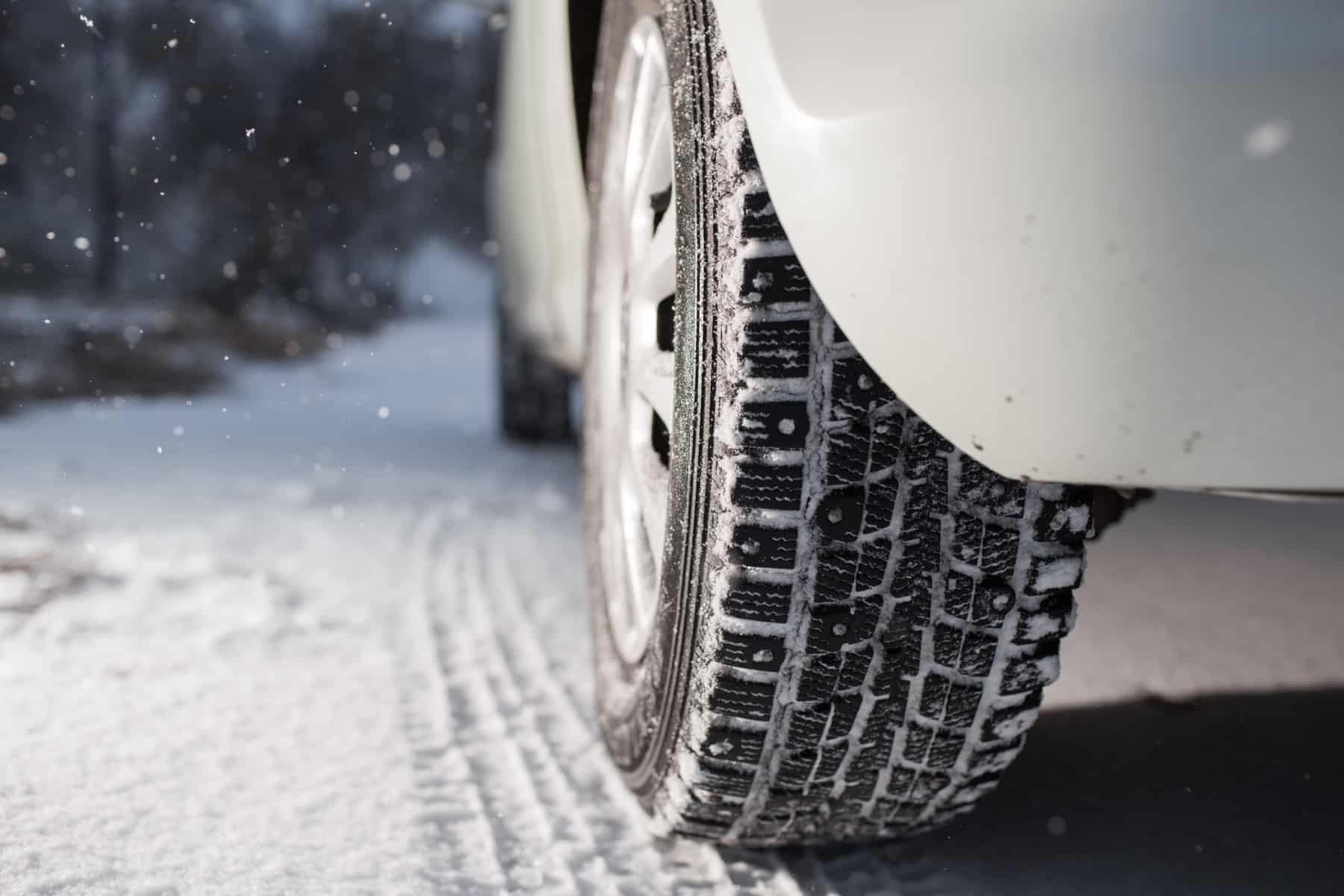
Studded snow tires are winter tires with small metal studs in the tread. These studs dig into ice, giving extra grip where normal tires would slip. Studded tires are popular in regions with severe winter conditions—think heavy snow, freezing rain, and long stretches of icy roads.
The studs are usually made of hard metal, like tungsten or steel. They stick out a few millimeters, enough to bite into ice but not so much that they make the ride uncomfortable. You can often spot studded tires by the clicking sound they make on pavement.
How Studded Tires Work
The metal studs act like tiny spikes. When your car drives over ice, the studs break through the slippery surface and anchor the tire. This can prevent dangerous slides or spins. On packed snow, studs add extra grip, too.
However, studded tires can damage roads, especially if used on dry pavement. Many regions have laws about when you can use studded tires. For example, they may be allowed only from November to March. Some places ban them completely due to road wear.
Key Differences Between Winter Tires And Studded Snow Tires
Choosing between winter tires and studded snow tires means looking at several factors. Here are the most important differences:
| Feature | Winter Tires | Studded Snow Tires |
|---|---|---|
| Traction on Ice | Good | Excellent |
| Traction on Snow | Excellent | Excellent |
| Performance on Dry Roads | Better | Worse (noisy, less smooth) |
| Road Noise | Low | High (studs click) |
| Legal Restrictions | None | Many regions restrict |
| Road Wear | Low | High |
| Cost | Moderate | Higher |
Winter tires are ideal for cold, snowy roads. Studded snow tires are best for ice-covered roads. If your area gets more ice than snow, studs might be safer. If you mostly drive on dry or wet pavement, regular winter tires are usually better.
Performance In Different Winter Conditions
Snowy Roads
Both winter tires and studded snow tires handle snow well. Their deep treads dig into fresh or packed snow. The grooves help channel slush away from the tire, reducing the risk of hydroplaning.
Winter tires without studs are often enough for most snowy conditions. They are less noisy and make driving more comfortable. If you drive in an area with frequent snow, but little ice, winter tires are usually the best choice.
Icy Roads
Studded snow tires shine on ice. The metal studs break through the surface and create small holes, improving grip. This can be life-saving in freezing rain or on roads that stay icy for weeks.
Winter tires do offer good grip on ice, thanks to their soft rubber and sipes. But they can’t match the traction of studs. If your area has lots of black ice or freezing rain, consider studded tires.
Dry And Wet Roads
On dry or wet winter roads, winter tires outperform studded tires. They are quieter and smoother. Studded tires can be noisy, uncomfortable, and may wear down faster on dry pavement.
Also, the studs can damage the road surface, creating grooves and potholes. This is why some regions restrict studded tires during times when ice is rare.
Safety And Handling
Safety is a top concern during winter. Both tire types improve safety compared to regular tires, but there are important details to know.
Braking Distance
On snow, both winter tires and studded tires reduce braking distance. On ice, studded tires can stop up to 40% shorter than winter tires without studs. This can mean the difference between stopping safely and sliding into danger.
On dry or wet roads, studded tires may actually increase braking distance. The studs don’t grip pavement well, and they can slide. Winter tires are more balanced for mixed conditions.
Cornering And Stability
Winter tires provide good stability and control in most winter conditions. Their flexible rubber lets them adapt to changing surfaces. Studded tires add extra grip on ice, but can feel less stable on dry roads due to the hard studs.
Real-world Example
A study from Norway found that studded tires reduce accidents on icy roads by 30%. In Sweden, cities with more studded tire use saw fewer winter crashes. However, the benefits drop in areas with mild winters or mostly dry roads.
Noise And Comfort
Winter driving should be safe, but comfort matters too. Studded tires create extra noise—metal studs click and rattle as you drive. This can be annoying, especially on highways or dry pavement.
Winter tires are quieter. Their rubber absorbs bumps, making the ride smoother. If you value comfort, winter tires are usually the better choice.

Credit: www.youtube.com
Cost And Longevity
Both tire types cost more than regular tires. Here’s how they compare:
| Factor | Winter Tires | Studded Snow Tires |
|---|---|---|
| Average Price (per tire) | $100–$200 | $120–$250 |
| Lifespan (years) | 3–5 | 2–4 |
| Maintenance | Low | Medium (studs can fall out) |
| Replacement Rate | Lower | Higher |
Studded tires cost more and usually last less time. The studs wear down, and sometimes fall out. If you drive mostly on dry roads, the studs can wear faster. Winter tires last longer if used only in winter and stored properly.
Legal Rules And Restrictions
Many places have laws about studded tires. Some ban them entirely, some allow them only in winter months, and some limit the number of studs per tire.
For example:
- In Canada, studded tires are allowed in some provinces but banned in others.
- In United States, rules vary by state. Some states (like Colorado) allow them only from November to March.
- In Europe, countries like Norway and Sweden allow studded tires, but with strict rules.
Winter tires without studs are legal everywhere. If you travel between regions, check the laws before buying studded tires.
A useful resource for legal details is the Wikipedia Snow Tire page.
Credit: www.vipauto.com
Environmental Impact
Studded tires can damage roads. The metal digs into asphalt, creating grooves and potholes. Repairing this damage costs millions each year. Dust from worn roads can also harm air quality.
Winter tires are softer on roads and have less impact. If your area has mild winters, using regular winter tires helps protect the environment.
Choosing The Right Tire For Your Needs
Picking the right tire depends on your local climate, driving habits, and legal rules. Here are some key questions to help you decide:
- How often do you drive on ice?
- If ice is common, studded tires offer extra safety.
- If snow is more frequent, winter tires are usually enough.
- Do you drive mostly on dry or wet roads?
- Winter tires work better on mixed surfaces.
- Studded tires may feel uncomfortable and noisy.
- Are studded tires legal in your area?
- Check local laws before buying.
- How much road damage matters to you?
- Studded tires can harm roads. Winter tires are more eco-friendly.
- Do you want longer-lasting tires?
- Winter tires last longer, especially if stored well.
Practical Tips For Choosing
- If you drive in a city with plowed roads, winter tires are usually best.
- If you live in rural areas with icy roads, consider studded tires.
- If you travel between regions, winter tires are more flexible.
- If you value quiet and comfort, avoid studs.
- If you want maximum safety on ice, studs are the top choice.
Credit: www.bridgestone.co.id
Installation And Maintenance
Proper installation and care can extend the life of your tires and improve safety.
Mounting Tires
Always mount winter or studded tires on all four wheels. Mixing tire types can make your car unstable. Most tire shops can install and balance them for you.
Storing Tires
Store unused tires in a cool, dry place away from sunlight. Keep them off the ground to prevent moisture damage. If you switch tires seasonally, mark them by position (front-left, rear-right) for easier rotation next year.
Checking Studs
For studded tires, check the studs regularly. If many studs fall out, the tire loses its grip. Replace damaged tires promptly.
Tire Pressure
Cold weather lowers tire pressure. Check it often in winter. Low pressure can reduce grip and wear tires faster.
Myths And Misunderstandings
Some drivers believe that studded tires are always safer. In reality, studs are best only on ice. On dry or wet roads, winter tires can perform just as well or better.
Another myth is that all-season tires are fine for winter. All-season tires are not designed for freezing temperatures. Their rubber gets hard, and they lose grip. If you live in a place with real winter, dedicated winter tires are much safer.
A common mistake is to use studded tires after the ice melts. This causes unnecessary road damage and wears down the studs.
Real-life Experiences
Drivers in cold regions often share useful insights. For example, in Alaska, studded tires are popular. They help drivers handle icy highways. But in cities with mild winters, most people use regular winter tires.
Some drivers notice that studded tires feel rough and noisy, especially as the studs wear down. Others report that good winter tires are enough for most conditions if you drive carefully.
One experienced driver shared that switching to winter tires improved her confidence in snowy weather, but she still chose studs for icy mountain roads.
Pros And Cons Of Winter Tires
Here’s a quick summary:
Pros:
- Excellent grip in cold, snow, and slush
- Quiet and comfortable
- Legal everywhere
- Less road damage
- Longer lifespan
Cons:
- Less grip on pure ice compared to studs
- Not ideal for extreme ice conditions
Pros And Cons Of Studded Snow Tires
Pros:
- Best grip on ice
- Safer in freezing rain and black ice
- Good for harsh winter regions
Cons:
- Noisy and rough on dry roads
- Can damage pavement
- Often restricted by law
- Shorter lifespan
Advanced Insights Most Beginners Miss
- Temperature Matters More Than Snow: Many beginners think winter tires are only for snow. Actually, their rubber is designed for cold. Even on dry roads below 7°C (45°F), winter tires outperform regular tires.
- Tire Rotation Extends Life: Rotating your winter tires every 5,000–8,000 kilometers (3,000–5,000 miles) helps them wear evenly. This simple step can add years to their lifespan.
- Studded Tire Technology Advances: Modern studded tires use lighter, shorter studs and improved placement. This reduces road damage and noise compared to older designs.
Data And Statistics
- Studies show winter tires reduce accidents by 20–30% compared to all-season tires.
- In Finland, studded tires reduce fatal crashes on ice by up to 40%.
- In Canada, road repairs due to studded tire damage cost over $20 million per year.
Frequently Asked Questions
What Is The Main Difference Between Winter Tires And Studded Snow Tires?
Winter tires use special rubber and tread for grip in cold, snow, and slush. Studded snow tires add metal studs for extra grip on ice. Studs can make driving safer on icy roads, but winter tires are more comfortable and legal everywhere.
Are Studded Tires Legal In All Regions?
No. Many places limit or ban studded tires due to road damage. Always check local laws before buying. Winter tires without studs are legal everywhere.
Do Studded Tires Damage Roads?
Yes. The metal studs dig into pavement, causing grooves and potholes. This increases repair costs and can reduce road safety for other drivers.
Can I Use Winter Tires All Year?
It’s not recommended. Winter tires wear out faster in warm weather and may handle poorly. Switch to regular or all-season tires when winter ends.
Which Tire Is Best For City Driving?
For city roads with regular plowing, winter tires are usually best. They offer good grip, comfort, and longer life. If your city gets lots of ice, you may consider studs—but check legal rules first.
Final Thoughts
Choosing between winter tires and studded snow tires depends on your local climate, driving habits, and comfort needs. If you face frequent ice, studded tires offer extra safety. For most drivers, regular winter tires are enough—and they’re quieter, longer-lasting, and legal everywhere. Remember, proper installation, regular maintenance, and checking local laws will keep you safe and help your tires last longer. With the right choice, you’ll drive confidently all winter—no matter how harsh the weather gets.