When you get a flat tire, you might reach for a spare in your trunk. But not all spares are the same. Some cars come with a donut tire (also called a space-saver or temporary spare), while others use a regular tire as their spare. If you’ve ever wondered about the difference, which one is safer, or how they impact your driving, you’re in the right place. This guide explains everything you need to know about donut tires vs regular tires—from how they look and perform, to when and how you should use them.
What Is A Donut Tire?
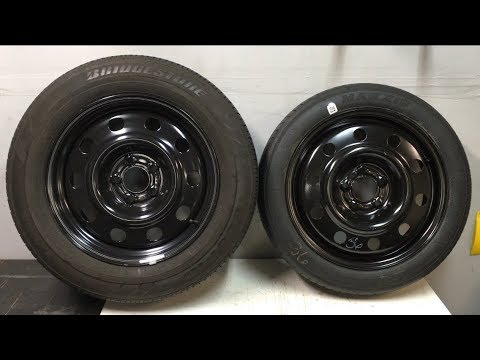
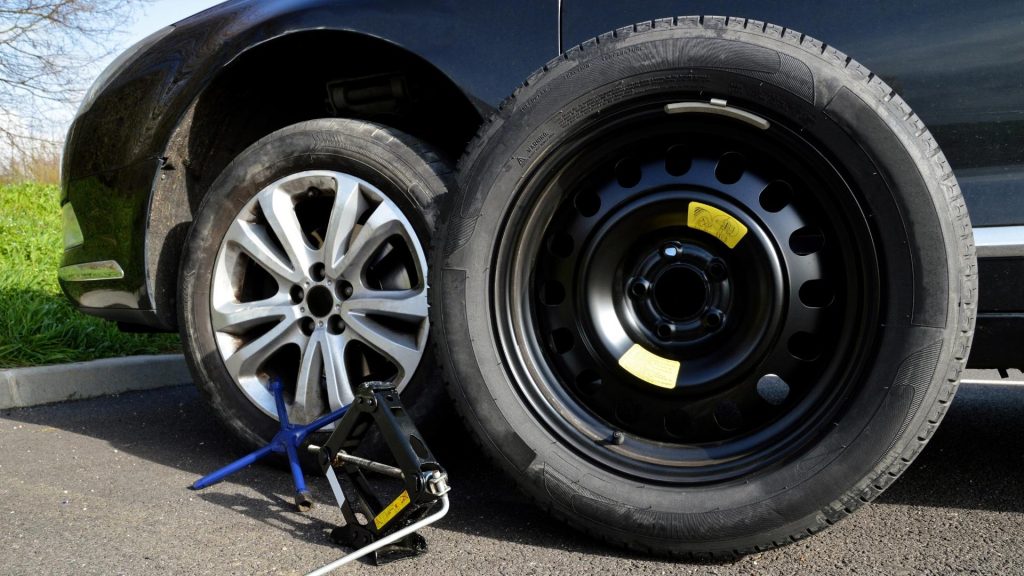
A donut tire is a compact, lightweight spare tire designed for temporary use. You’ll often see it in the trunk of modern cars, smaller sedans, and compact vehicles. Donut tires are much smaller in width and diameter compared to regular tires. They usually have a thinner tread and a lighter rim. Because of their size, donut tires save space and reduce the car’s overall weight.
You can recognize a donut tire by its appearance—it looks almost like a bicycle tire next to your car’s regular wheels. Most donut tires have bright warnings printed on the side, such as “temporary use only” or “max speed 50 mph (80 km/h).” These warnings are there for a reason: donut tires are not meant for long-distance driving or high speeds.
What Is A Regular Tire?
A regular tire, sometimes called a full-size spare, is the same size and type as the tires your car uses daily. It matches your car’s regular tires in width, diameter, tread depth, and sometimes even the brand and model. When you replace a flat with a regular tire, your car drives just as it did before.
Full-size spares are less common in new cars, but you may still find them in larger vehicles, SUVs, or trucks. They take up more space in the trunk and add extra weight to the car, but they offer the advantage of seamless driving until you replace or repair the original tire.
Credit: www.youtube.com
Key Differences: Donut Tire Vs Regular Tire
Understanding the main differences helps you make better decisions when facing a flat tire. Let’s compare donut tires and regular tires across several important factors.
| Feature | Donut Tire | Regular Tire |
|---|---|---|
| Size | Much smaller, narrow tread | Same as standard tires |
| Weight | Lightweight | Heavier |
| Usage | Temporary, short-term only | Permanent, normal driving |
| Speed Limit | Usually 50 mph (80 km/h) max | Same as other tires |
| Distance Limit | 50-70 miles (80-110 km) recommended | No restriction |
| Storage Space | Takes up less space | Requires more space |
| Cost | Cheaper | More expensive |
When Should You Use A Donut Tire?
Donut tires are not a long-term solution. They are designed for emergencies only, such as when you get a flat tire far from help or a repair shop. Here’s when and how you should use a donut tire:
- Replace the flat tire with the donut only when you need to reach a mechanic or tire shop.
- Drive at low speeds—never above 50 mph (80 km/h).
- Travel a short distance—preferably no more than 50-70 miles (80-110 km).
- Avoid highways or busy expressways if possible, as donuts are not safe for high-speed, long-distance driving.
- Get your main tire repaired or replaced as soon as possible, then switch back.
Many drivers make a dangerous mistake: they leave the donut tire on for days or weeks. This can cause accidents or further damage your car’s braking and suspension system.
When Should You Use A Regular Tire As A Spare?
If your car has a regular tire as a spare, you can use it just like any other tire. Here’s what you should do:
- Install the full-size spare if you get a flat.
- Drive normally—there’s no need to limit your speed or distance.
- Rotate the spare into your regular tire rotation pattern if it’s the same brand and model.
- Check the spare’s air pressure and condition regularly, as it can lose air or age even if unused.
A key insight: Many drivers forget to check the full-size spare’s pressure and condition. A regular tire left unused for years can still age or dry-rot, making it unsafe even if it looks new.
Pros And Cons Of Donut Tires
Donut tires have clear benefits and drawbacks. Here’s a closer look:
Advantages
- Space-saving: Donut tires take up less trunk space, leaving more room for luggage or other items.
- Lighter weight: This helps improve fuel economy slightly and makes the spare easier to handle.
- Lower cost: Donut tires are less expensive to manufacture and replace.
Disadvantages
- Limited use: Only for emergencies and very short distances.
- Reduced safety: Thinner tread and less grip, especially in wet or icy conditions.
- Car imbalance: Using a donut can affect handling, traction, and braking—especially on modern cars with advanced safety systems.
- Noisy and rough ride: Donut tires are often louder and less comfortable than regular tires.
Some cars do not come with a spare tire at all—just a tire inflator kit. If you’re considering a new car, check if it includes any spare, and what type.
Pros And Cons Of Regular Tires As Spares
A full-size, regular tire has its own set of positives and negatives.
Advantages
- Full performance: You can drive as you normally would, with no speed or distance limits.
- Better safety: Provides the same grip, handling, and braking as your original tires.
- Long-term use: No rush to replace or repair the original tire.
Disadvantages
- Heavy and bulky: Takes up more trunk space, reducing storage.
- Higher cost: More expensive to replace, especially if you need a matching brand and tread.
- Aging risk: May still get old, dry, or flat if not checked regularly.
Many SUVs and trucks come with regular tires as spares because their size and off-road needs make donut tires impractical.
Impact On Vehicle Safety
Your choice of spare tire directly affects your safety on the road. Here’s what you need to know:
Donut Tire Safety
Donut tires are not as safe as regular tires for several reasons:
- Less grip: The smaller contact area means less traction, especially in rain or snow.
- Longer stopping distances: Braking power is reduced, especially at higher speeds.
- Unbalanced handling: The size difference can confuse your car’s anti-lock brake system (ABS) or traction control.
- More risk in emergencies: If you swerve or brake hard, a donut tire is more likely to lose control.
Regular Tire Safety
Regular tires maintain your car’s designed balance, safety, and performance. They keep your ABS and traction control working correctly. If you must drive in bad weather or on rough roads, a full-size spare is much safer.
Effects On Handling And Performance
Driving with a donut tire changes the way your car feels and responds.
- Steering: The car may pull toward the side with the donut.
- Cornering: Turns feel less stable, and grip is lower.
- Acceleration and braking: Both are reduced, especially if the donut is on a powered or steering wheel.
- Ride comfort: The smaller, stiffer tire absorbs bumps less well, making the ride rougher.
With a regular spare, you’ll notice almost no difference in handling or comfort—as long as the tire matches the others in size and tread.
Cost Comparison
Let’s look at how donut tires and regular tires compare in cost.
| Spare Tire Type | Average Cost (USD) | Additional Costs |
|---|---|---|
| Donut Tire | $50 – $150 | May need new rim; not reusable |
| Regular Tire | $100 – $350 | Matching rim often required |
Donut tires are much cheaper, but you often cannot reuse them after one emergency. Regular tires are costlier, but they last as long as your other tires if maintained.
Credit: www.autoguide.com
Which Cars Use Donut Tires Vs Regular Tires?
Most compact cars, sedans, and many crossovers include a donut tire as the spare. This is mainly to save space and weight, helping fuel economy and trunk space. Some examples:
- Toyota Corolla
- Honda Civic
- Mazda 3
- Hyundai Elantra
- Volkswagen Golf
Regular tires are more common in larger vehicles:
- Ford F-150
- Toyota Highlander
- Chevrolet Suburban
- Jeep Wrangler
- Honda Pilot
Luxury cars sometimes skip the spare entirely, offering run-flat tires or a tire repair kit instead. It’s a good idea to check your owner’s manual or look in your trunk to see what type your car carries.
How To Identify Your Spare Tire Type
Knowing what kind of spare you have is important. Here’s how to check:
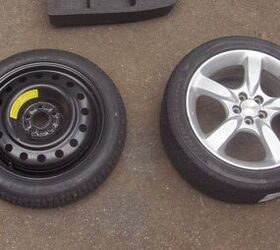
- Size: Donut tires are much smaller and have “temporary use only” marked on the sidewall.
- Tread pattern: Donut tires have a simple, shallow tread.
- Rim design: Donut rims are usually black and basic, while regular spares match your main wheels.
- Owner’s manual: It will state the type, limits, and recommended usage.
If you’re buying a used car, always check the spare tire’s condition before making a decision.
How To Safely Use A Donut Tire
Using a donut spare requires extra caution. Here are the steps:
- Install the donut only when the car is on a stable, flat surface.
- Tighten all lug nuts evenly to the manufacturer’s recommended torque.
- Drive slowly and avoid sharp turns or sudden stops.
- Check tire pressure—donuts often lose air after sitting unused for years.
- Visit a tire shop as soon as possible to repair or replace your main tire.
Don’t forget: donut tires are not meant for repeated use. After an emergency, have the donut inspected for damage before storing it again.
Common Mistakes Drivers Make
Many people misuse their spare tires. Here are common mistakes and how to avoid them:
- Driving too fast or too far on a donut: This can cause blowouts or accidents.
- Ignoring the spare’s air pressure: Spares lose air over time—check every few months.
- Using a mismatched regular tire: If your spare is not the same size or tread, it can harm your car’s transmission or all-wheel-drive system.
- Not replacing a used donut: After one emergency, many donut tires should be replaced.
One insight most drivers miss: if you have a car with all-wheel drive, using a donut for too long can damage the drivetrain. Always check your car’s manual for specific advice.
Donut Tire Vs Regular Tire: Environmental Impact
Donut tires are smaller and lighter, using fewer resources to produce. They also help cars use less fuel by reducing weight. However, since they’re not meant for extended use, they may end up as waste after just one emergency.
Regular tires are bulkier and use more raw material, but they last longer and can be rotated into regular use. If you’re environmentally conscious, maintaining your full-size spare and replacing it less often is usually greener.
Tire Pressure And Maintenance
No matter the type, proper spare tire maintenance is essential. Here’s what to remember:
- Check the pressure every 1-2 months. Donut tires often require 60 psi, which is higher than regular tires.
- Inspect for cracks or dry rot. Rubber ages even if not used.
- Rotate your full-size spare if it matches your other tires to ensure even wear.
- Replace old or damaged spares, even if they look unused.
A surprising fact: Many donut tires are flat or unsafe when finally needed, simply because they were never checked.
Should You Upgrade Your Spare Tire?
Some drivers wonder if they should replace a donut with a regular tire. Here are things to consider:
- Space: Does your trunk have room for a full-size tire?
- Rim compatibility: Many donut rims are not made to fit full-size tires.
- Cost: The upgrade can be expensive.
- Safety: If you drive long distances or in remote areas, a full-size spare is much safer.
If you live in an area with poor road conditions or travel far from repair shops, investing in a regular spare may be wise.
Donut Tire Vs Regular Tire: Which Is Right For You?
Choosing between a donut and a regular spare depends on your needs:
- City drivers: Donut tires are usually fine—you’re never far from help.
- Long-distance or rural drivers: A regular tire is safer and more reliable.
- SUVs and trucks: Full-size spares are better for heavy vehicles and rough roads.
- Small cars: Donuts save space and weight, but always follow usage limits.
If you’re buying a new car, check the spare type before making a decision. Some carmakers offer upgrades or alternatives.
Real-world Example
Imagine you’re driving on a highway and get a flat tire. With a donut, you can drive to the nearest tire shop (within 50 miles), but you must avoid high speeds and busy traffic. With a regular tire, you can finish your trip and replace the flat at your convenience.
In snowy weather, a regular tire gives far better grip and safety.
How Regulations Affect Spare Tires
In many countries, there are no strict laws requiring a certain type of spare tire. However, car manufacturers must meet fuel economy and safety standards. Donut tires help with these goals by reducing weight, but they are not always practical for every driver. Some regions may fine you for unsafe or mismatched tires, so always check your local rules.
For more details on tire regulations and safety, you can visit the Wikipedia Spare Tire page.
Credit: carfromjapan.com
Frequently Asked Questions
What Happens If I Drive Long Distances On A Donut Tire?
Donut tires are made for short, emergency use only. Driving long distances increases your risk of a blowout, loss of control, or damage to your car’s suspension and brakes. Always replace the donut with a regular tire as soon as possible.
Can I Put A Regular Tire On A Donut Rim?
In most cases, no. Donut rims are designed for specific, smaller tires. Using a regular tire on a donut rim can be unsafe and may not fit your car correctly. Always use the correct rim and tire size.
How Often Should I Check My Spare Tire’s Pressure?
You should check your spare tire’s air pressure every 1-2 months, just like your main tires. Spares often lose air over time, especially donut tires, which usually require higher pressure (around 60 psi).
Is It Safe To Use A Spare Tire In Winter Weather?
Donut tires have poor grip on snow and ice due to their thin tread. Regular tires, especially winter-rated spares, are much safer in cold or slippery conditions. Avoid using a donut tire in bad weather if possible.
What Should I Do If My Car Doesn’t Have Any Spare Tire?
Many modern cars only include a tire repair kit or inflator. If you travel long distances or in remote areas, consider buying a spare tire and rim that fits your car. Always read your manual for emergency instructions.
Donut tires and regular tires each have their place, but understanding their differences is crucial for your safety and peace of mind. Knowing when, how, and why to use each type will help you handle a flat tire with confidence—whether you’re on a city street or a country road.