If you drive a Honda, you probably know the importance of tire pressure. Good tire pressure keeps you safe, improves gas mileage, and helps your tires last longer. But sometimes, the tire pressure sensor in your Honda can show a warning light, even after you fill your tires. This can be confusing. Many drivers ask, “How do I reset the Honda tire pressure sensor?” The answer depends on your Honda model, year, and sometimes on the weather. This guide will show you how to reset the sensor step by step, explain why the warning appears, and offer practical advice to keep your sensor working properly.
Understanding Honda Tire Pressure Sensors
Modern Hondas use a system called TPMS (Tire Pressure Monitoring System). This system checks tire air pressure and alerts you if it’s too low. There are two types of TPMS used:
- Direct TPMS: Uses sensors inside each tire to measure pressure.
- Indirect TPMS: Uses wheel speed sensors to estimate tire pressure.
Most newer Hondas use indirect TPMS, especially after 2016. Older models may use direct sensors. Knowing which system your car uses is important because the reset process is different.
Why Does The Tpms Light Turn On?
- Low tire pressure due to a leak or cold weather
- Tire replacement or rotation
- Battery changes in tire sensors (for direct TPMS)
- System malfunction
Sometimes the warning light stays on even when tires are fine. This is why resetting is needed.
Preparing To Reset The Tire Pressure Sensor
Before you start the reset process, make sure:
- All tires are inflated to the recommended pressure (usually found on the driver’s door sticker).
- The car is parked in a safe place.
- You have checked for obvious tire damage or leaks.
Tip: It’s best to check tire pressure when tires are cold, because heat from driving can change readings.
Common Mistake
Many people try to reset the sensor without fixing the tire pressure. The warning light will come back if the underlying issue is not solved.
Resetting Honda Tire Pressure Sensor: Step-by-step
The reset method depends on your Honda model and year. Follow the steps below for your situation.
For Newer Hondas (2016 And Newer, Indirect Tpms)
- Turn on the car (power mode ON).
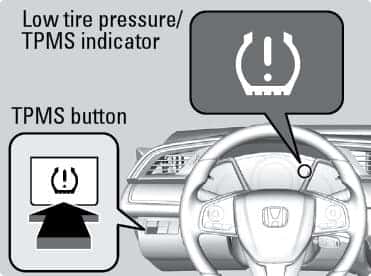
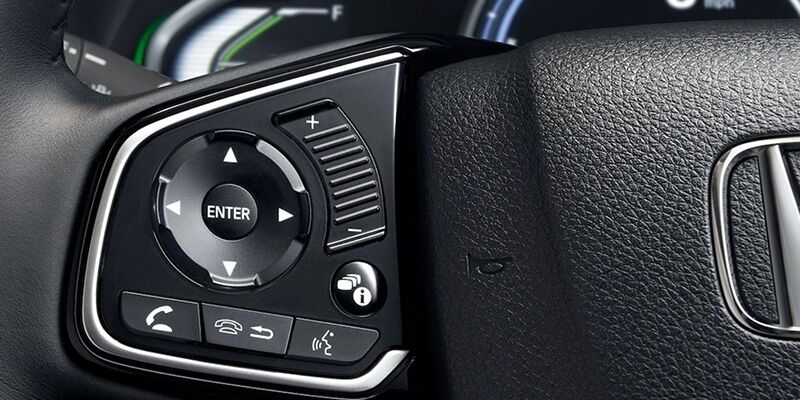
- Locate the TPMS reset button or use the infotainment screen.
- Press “Home” on the screen.
- Select “Settings.”
- Choose “Vehicle.”
- Find “TPMS Calibration.”
- Click “Calibrate.”
The system will now learn the current tire pressures. This can take 20-30 minutes of driving.
For Older Hondas (direct Tpms, Pre-2016)
- Turn the ignition ON (do not start the engine).
- Find the TPMS reset button (often under the dash, near the steering column).
- Press and hold the button until the TPMS light blinks twice.
- Release the button and start the engine.
If your car does not have a reset button, the system may reset automatically after driving with correct tire pressure.
For Honda Accord, Civic, Cr-v, Hr-v, And Fit
Most popular Honda models use the above methods, but some have different menus. For example:
- Honda CR-V (2017-2023): Uses infotainment screen calibration.
- Honda Fit (2015-2020): Uses a physical button.
Always check your owner’s manual if you are unsure.
Resetting After Tire Rotation Or Replacement
Whenever you rotate or replace tires, you must reset the sensor. The steps are the same as above. If the warning light stays on, check for:
- Incorrect tire size
- Damaged sensor (for direct TPMS)
- Low battery in sensor
What To Do If The Warning Light Won’t Reset
Sometimes, the TPMS light stays on even after you reset. Try these steps:
- Double-check tire pressure with a manual gauge.
- Make sure tires are all the same size.
- Drive for 20-30 minutes to allow system calibration.
- If the light stays on, visit a Honda dealer. There may be a sensor malfunction.
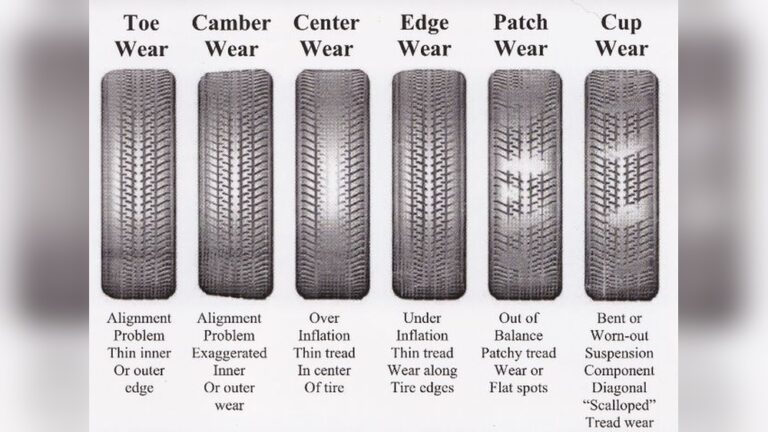
Insight: Indirect TPMS can be confused by uneven tire wear, so rotating tires or replacing just one can trigger the light.
Credit: www.bianchihonda.com
Benefits Of Proper Tire Pressure Sensor Reset
- Safety: Prevents tire blowouts and accidents.
- Fuel Efficiency: Proper pressure means better mileage.
- Tire Longevity: Tires wear evenly and last longer.
- Peace of Mind: No annoying warning lights.
Statistic: According to the U.S. Department of Transportation, under-inflated tires are involved in 11,000 crashes each year.
Comparing Tpms Reset Methods
Here’s a clear overview of reset options for different Honda models:
| Honda Model | Year | TPMS Type | Reset Method |
|---|---|---|---|
| Accord | 2018-2023 | Indirect | Infotainment Calibration |
| Civic | 2016-2023 | Indirect | Infotainment Calibration |
| CR-V | 2017-2023 | Indirect | Infotainment Calibration |
| Fit | 2015-2020 | Direct | Reset Button |
| Older Models | 2007-2015 | Direct | Reset Button |
Practical Tips For Keeping Your Honda Tpms Working
1. Check Tire Pressure Monthly
Don’t wait for the warning light. Use a manual gauge every month, especially after temperature changes.
2. Use Correct Tire Size
Changing tire size can confuse indirect TPMS. Always use recommended sizes.
3. Avoid Overfilling Tires
Too much air is almost as bad as too little. Both can trigger the sensor.
4. Replace Damaged Sensors
If you notice sensor damage when changing tires, replace them right away.
5. Store Your Owner’s Manual
Your manual explains your car’s specific system. Keep it handy for reference.
6. Professional Calibration
If you’re unsure, let a professional calibrate your TPMS after tire service.
7. Don’t Ignore Warning Lights
Ignoring the TPMS light can lead to expensive repairs or dangerous driving.
Common Issues With Honda Tpms Reset
| Problem | Possible Cause | Solution |
|---|---|---|
| Light won’t turn off | Incorrect tire pressure or sensor malfunction | Check pressure, reset again, visit dealer if needed |
| Light blinks | Sensor battery low (direct TPMS) | Replace sensor |
| Light comes back after reset | Tire leak or uneven wear | Repair tire, rotate tires, calibrate again |
| All sensors fail | System wiring issue | Dealer diagnostic |
Credit: www.geraldhondacountryside.com
Advanced Troubleshooting
Some cases need extra attention, especially with direct TPMS.
- Sensor battery failure: Direct TPMS sensors use batteries that last 5–7 years. When they die, the sensor must be replaced.
- Aftermarket wheels: Wheels not made for your Honda may not support TPMS.
- Extreme cold: In cold climates, air contracts and triggers the warning light. Add a bit more air in winter, but stay within the recommended range.
- Electronic interference: Rarely, other electronics can interfere with TPMS. If you suspect this, ask a dealer for help.
Insight: Many drivers forget that TPMS sensors need periodic replacement, especially after 5 years.
Honda Tpms Vs. Other Brands
Honda’s Tpms Is Generally Reliable, But How Does It Compare?
| Brand | TPMS Type | Reset Method | Sensor Life |
|---|---|---|---|
| Honda | Indirect/Direct | Button/Screen | 5–7 years |
| Toyota | Direct | Button/Manual | 6–8 years |
| Ford | Direct | Manual | 5–7 years |
| Hyundai | Indirect | Screen | 5–6 years |
Honda’s indirect system is easier to reset but can be less accurate than direct sensors.

Credit: www.valleyhonda.com
What Happens If You Ignore The Tpms Light?
Ignoring the warning light can have serious consequences:
- Increased risk of tire blowout
- Reduced braking performance
- Poor fuel economy
- Uneven tire wear
Statistic: AAA reports that driving on under-inflated tires can reduce fuel efficiency by up to 3%.
Real-world Example
A Honda Civic owner noticed the TPMS light after a cold night. Even after refilling, the light stayed on. By calibrating the sensor using the infotainment system and driving for 30 minutes, the warning disappeared. This shows the importance of both correct pressure and proper reset.
When To Seek Professional Help
If you have tried all steps and the light remains, don’t guess. Visit a Honda dealer or certified mechanic. They have special tools to read sensor codes and fix problems.
For more detailed information about tire pressure monitoring systems, visit Wikipedia.
Frequently Asked Questions
How Often Should I Check My Honda Tire Pressure?
Check tire pressure at least once a month and before long trips. Cold weather and long drives can change pressure quickly.
Can I Reset Honda Tpms Without A Reset Button?
Yes, newer models use the infotainment screen for reset. If unsure, check your owner’s manual.
What Happens If I Drive With The Tpms Warning On?
You risk tire damage, poor fuel efficiency, and unsafe driving. Always fix the issue before driving far.
Are Tpms Sensors Expensive To Replace?
Direct TPMS sensors cost $40–$80 each. Indirect systems do not need sensor replacement but may need recalibration.
Does Changing Tire Size Affect The Tpms?
Yes. Indirect systems rely on tire size. Using the wrong size can confuse the sensor and cause false warnings.
Resetting your Honda tire pressure sensor is simple if you follow the right steps. Keeping your TPMS working saves money, keeps you safe, and gives you peace of mind. Don’t ignore warning lights; handle them quickly and enjoy smooth, worry-free driving.