When you drive your car every day, you trust your tires to keep you safe. But how do you know if your tires are really in good shape? In the USA, you often hear two terms at auto shops: basic tire service and full tire checkup. These services sound similar, but they are not the same. If you want to protect your car, your family, and your wallet, it is important to understand the difference.
Many drivers think a quick tire service is enough. They might get a tire patched or rotated and assume everything is fine. But sometimes, small tire problems can lead to big issues—like blowouts or poor fuel efficiency. On the other hand, a full tire checkup goes deeper.
It looks at every detail, often finding hidden problems before they become dangerous.
Let’s explore what you really get with each service, how they affect your car’s safety, and when you should choose one over the other. By the end, you’ll be able to make smart decisions about tire care—saving money and staying safe on the road.
What Is Basic Tire Service?
Basic tire service is the most common type of tire maintenance you’ll find at auto shops and quick lube centers across the USA. It usually focuses on simple, quick fixes to keep your tires running.
What Does Basic Tire Service Include?
Most basic tire service packages cover:
- Tire rotation (switching tires from one position to another to balance wear)
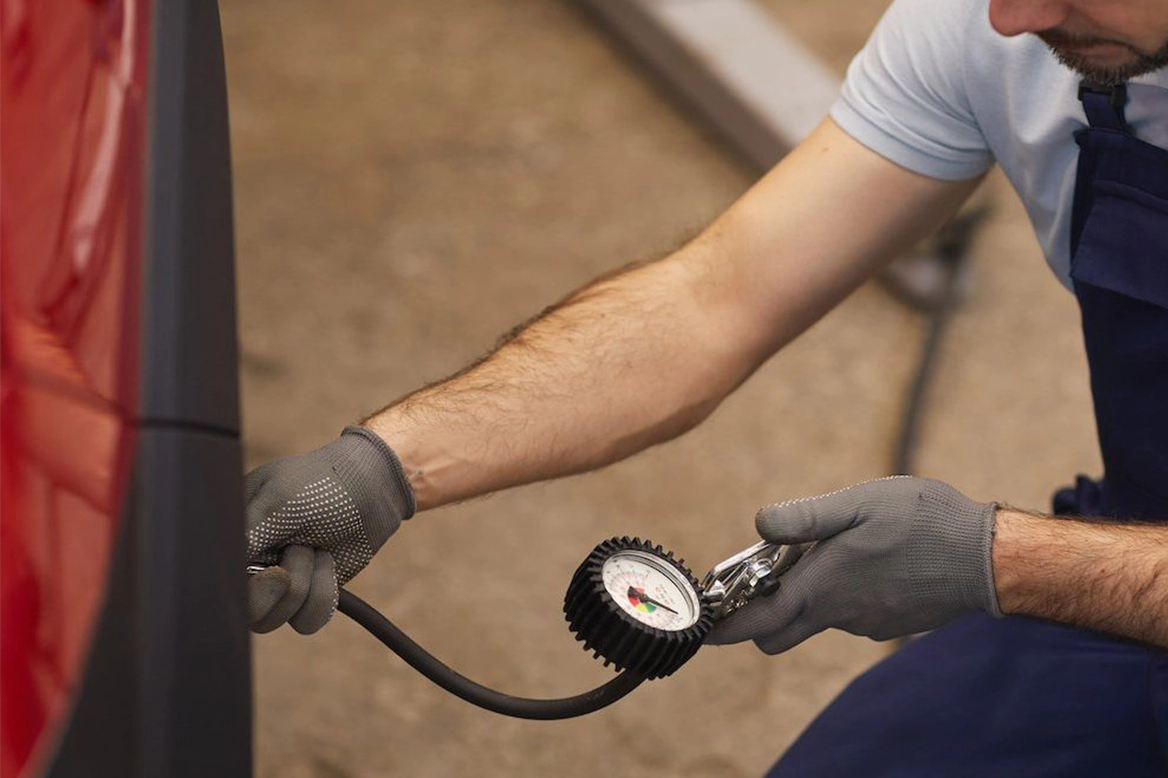
- Tire inflation (checking and adjusting air pressure)
- Tire repair (patching small punctures)
- Tread depth check (sometimes, but not always)
- Visual inspection (quick look for obvious problems)
How Long Does It Take?
A basic tire service often takes 15 to 30 minutes. You can usually get it while you wait, which is why many drivers choose this option during oil changes or routine visits.
What Are The Benefits?
- Quick and affordable: Prices can range from $20 to $60, depending on location and service.
- Prevents uneven tire wear: Tire rotation helps your tires last longer.
- Improves safety: Correct air pressure reduces the risk of blowouts.
- Convenient: You can get it done almost anywhere.
What Are The Limitations?
Here’s what many drivers miss: basic tire service does not check every part of your tire system. It skips over details that can be critical, such as:
- Alignment and suspension issues
- Hidden sidewall damage
- Internal tire problems (like broken steel belts)
- Wheel balancing
- Valve stem or TPMS sensor checks
In short, basic tire service is a “quick check” and minor fix, not a full health exam.
Example Scenario
Imagine you run over a nail and get a slow leak. Basic tire service will find and patch the hole. But if the impact also caused internal damage or bent your rim, you might never know—unless you get a full checkup.
What Is A Full Tire Checkup?
A full tire checkup is a deep, professional inspection of your tires and the systems that affect them. It is much more thorough than basic service, often using advanced tools and the trained eye of a technician.
What Does A Full Tire Checkup Cover?
A true full tire checkup should include:
- Tire rotation
- Tire inflation check and correction
- Tread depth measurement (with a gauge, not just a glance)
- Full visual inspection (including inner and outer sidewalls)
- Wheel alignment check (are your wheels pointing straight?)
- Wheel balancing (is weight distributed evenly?)
- Valve stem and TPMS sensor inspection (checking for leaks or errors)
- Check for dry rot, bulges, and cracks
- Check for unusual wear patterns (which can indicate suspension or brake problems)
- Examine age of tires (many manufacturers recommend replacement after 6 years, even if tread looks good)
- Check for punctures or repairs done incorrectly in the past
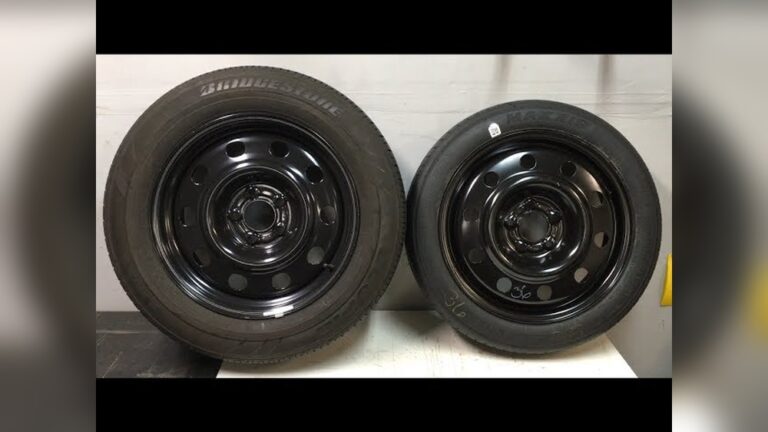
- Check spare tire condition (often forgotten!)
How Long Does It Take?
A full tire checkup usually takes 45 to 90 minutes. The shop may need to remove each tire for a closer look.
What Are The Benefits?
- Early problem detection: Finds hidden damage before it becomes dangerous.
- Better performance: Ensures tires, suspension, and alignment are all working together.
- Longer tire life: Corrects issues that can cause early wear.
- Peace of mind: You know your tires are truly safe.
What Does It Cost?
Prices can range from $60 to $150 or more, especially if alignment or balancing is included. But if you avoid a blowout or a ruined set of tires, it’s worth it.
Example Scenario
Suppose you hit a pothole, but your car seems fine. A basic service may not find anything wrong. A full checkup can spot a bent rim, a shifted belt, or a slow leak at the valve—problems that might get worse over time.
Credit: www.brakemax.com
Key Differences Between Basic Tire Service And Full Tire Checkup
To help you compare, here is a side-by-side look at what each service typically includes in the USA:
| Service Feature | Basic Tire Service | Full Tire Checkup |
|---|---|---|
| Tire Rotation | Yes | Yes |
| Inflation Check | Yes | Yes |
| Tread Depth Measurement | Sometimes | Always (with tool) |
| Visual Inspection | Quick | Detailed (inside & outside) |
| Wheel Alignment | No | Yes |
| Wheel Balancing | No | Yes |
| Valve Stem/TPMS Check | No | Yes |
| Check for Internal Damage | No | Yes |
| Spare Tire Condition | No | Yes |
| Service Time | 15–30 min | 45–90 min |
| Cost | $20–$60 | $60–$150+ |
Why The Difference Matters For Safety
It’s easy to think, “My tires look fine, so I’m safe.” But some tire problems are invisible to the naked eye. For example, a tire can have:
- Internal belt damage (from hitting a curb or pothole)
- Slow leaks from a cracked valve stem
- Uneven wear due to misalignment
These issues can lead to blowouts, especially at highway speeds. According to the National Highway Traffic Safety Administration (NHTSA), tire-related crashes cause about 738 deaths each year in the United States.
A full tire checkup can find these hidden dangers. That’s why car makers and safety experts recommend a full inspection at least once a year—or any time you notice changes in handling or noise.

Credit: www.tohaastire.com
How Tire Service Affects Performance And Cost
Tires are not just rubber—they are part of your car’s entire performance system. If they are not checked properly, you might face:
- Higher fuel costs: Low or uneven pressure means your engine works harder.
- Shorter tire life: Poor alignment or missed damage can ruin a set of tires in months.
- Rough ride and noisy driving: Unbalanced tires or bad suspension makes your car uncomfortable.
Let’s look at a real-world cost comparison:
| Scenario | Basic Service Only | Full Checkup Found Issues |
|---|---|---|
| Annual Tire Costs | $300–$600 (replacing tires sooner) | $100–$150 (service), but tires last 25% longer |
| Fuel Costs | Up to $100 extra per year (underinflation/drag) | Normal (good inflation/alignment) |
| Risk of Major Repairs | High (missed hidden damage) | Low (problems fixed early) |
Spending a little more on a full checkup can actually save you money over time—and prevent dangerous breakdowns.
When Should You Choose Basic Tire Service?
There are times when basic tire service is the right choice. For example:
- Regular maintenance: If you rotate your tires every 5,000–7,000 miles, a basic service is usually enough in between full checkups.
- Quick fixes: If you notice a slow leak or low pressure, basic service can solve simple problems.
- Budget constraints: If money is tight, basic service is better than ignoring your tires completely.
- Before short trips: A quick check before a weekend drive is smart, especially if you recently had a full checkup.
However, even with regular basic service, you should schedule a full checkup at least once a year or before long road trips.

Credit: pedegoelectricbikes.com
When Should You Choose A Full Tire Checkup?
There are situations when a full tire checkup is essential:
- Before a long road trip: You do not want tire trouble far from home.
- After hitting a pothole or curb: Even if your car seems fine, hidden damage can be serious.
- If you feel vibration or pulling: This can mean alignment, balance, or internal tire issues.
- When buying a used car: A full checkup can reveal neglect or hidden repairs.
- If your tires are 5+ years old: Age weakens rubber, even if it looks fine.
- After a flat or blowout: Damage may be deeper than you think.
- If you tow heavy loads: Extra stress can cause more wear and hidden issues.
Getting a full checkup at these times is a smart investment in your safety.
Common Mistakes Drivers Make With Tire Service
Many people misunderstand tire care. Here are some mistakes I see all the time:
- Assuming visual checks are enough: You can’t see internal damage or slow leaks.
- Neglecting the spare tire: Many people forget to check or inflate the spare.
- Ignoring vibration or pulling: This is often a sign of alignment or balance problems.
- Waiting too long between checkups: Small issues get much worse over time.
- Trusting cheap “patch jobs”: Not all repairs are equal. Poor patches can fail at high speed.
To avoid these mistakes, combine basic service for routine needs with a full checkup at least yearly.
How To Choose A Good Tire Service Shop
Not all shops offer the same quality. To get the best care:
- Ask what is included: Some shops call a basic service a “checkup”—make sure you know the difference.
- Check technician training: Look for shops with certified staff.
- Read reviews: See what other drivers say about the service.
- Look for modern equipment: Newer alignment and balance machines give better results.
- Get a written report: A full checkup should include detailed findings.
If a shop cannot explain their process or does not check all the items listed above, look elsewhere.
Understanding Tire Wear Patterns
Sometimes, your tires can tell you a story about your car’s health. Here are some common wear patterns and what they mean:
- Center wear: Over-inflation.
- Edge wear: Under-inflation.
- One-sided wear: Poor alignment.
- Cupping/scalloping: Worn suspension or unbalanced tires.
- Patchy spots: Aggressive braking or faulty repairs.
A full checkup will spot these patterns and recommend fixes—basic service might miss them.
The Role Of Tire Pressure Monitoring Systems (tpms)
Modern cars have TPMS sensors that alert you when tire pressure is low. However, they are not perfect:
- TPMS does not warn about all problems (like internal damage or misalignment).
- Sensors can fail or leak.
- Not all cars have TPMS on the spare.
A full tire checkup includes TPMS testing, while basic service usually does not. If your TPMS light stays on, do not ignore it—get a professional checkup.
Tire Service And Seasonal Changes In The Usa
Weather affects your tires in ways you might not expect:
- Winter: Cold air reduces tire pressure; salt can speed up rubber aging.
- Summer: Heat increases pressure and can cause blowouts in old or weak tires.
- Spring/Fall: Potholes from freeze-thaw cycles damage tires and wheels.
A basic service might adjust pressure, but a full checkup finds damage caused by weather, especially after harsh seasons.
How Often Should You Get Each Service?
For most American drivers, a good rule of thumb is:
- Basic tire service: Every 5,000–7,000 miles (or at every oil change)
- Full tire checkup: Once a year, before long trips, or after any impact
If you drive in tough conditions (off-road, heavy loads, extreme temperatures), consider more frequent checkups.
What Most Beginners Overlook About Tire Service
Two insights many drivers miss:
- Tire age matters as much as tread: Even if your tread looks deep, rubber breaks down over time. Old tires can fail unexpectedly.
- Alignment and balance affect more than tires: Poor alignment makes your car harder to steer, reduces gas mileage, and can even damage suspension parts. Basic service will not catch these issues.
By knowing these points, you can avoid expensive surprises.
Real-life Example: Why The Extra Check Matters
I once worked with a driver who got regular basic tire service but skipped full checkups. He hit a curb, and a few months later, his tire blew out on the freeway—luckily, no one was hurt. When we inspected the rest of his tires, we found another had a bent rim and broken steel belt, invisible from the outside.
If he had gotten a full checkup after the impact, both problems would have been found and fixed for less than the cost of one new tire. The lesson: basic service is important, but it does not replace a full professional inspection.
The Environmental Impact Of Good Tire Maintenance
Proper tire care is not just about safety and money. It also helps the planet. Under-inflated or worn tires increase fuel use, which means more pollution. According to the U.S. Department of Energy, properly inflated tires can improve gas mileage by up to 3%.
By keeping your tires in top shape, you reduce your carbon footprint and help the environment.
Where To Learn More
For official tire safety advice, visit the National Highway Traffic Safety Administration’s tire safety page: NHTSA Tire Safety.
Frequently Asked Questions
What Is The Biggest Difference Between Basic Tire Service And A Full Tire Checkup?
The biggest difference is that basic tire service only covers simple tasks like rotation and inflation, while a full tire checkup inspects every detail—tread, alignment, balance, valve stems, and more. A full checkup finds hidden problems that basic service misses.
How Often Should I Get A Full Tire Checkup In The Usa?
Most experts recommend a full tire checkup once a year. You should also get one before long trips, after hitting a curb or pothole, or if you notice strange vibrations, noises, or uneven tire wear.
Is Basic Tire Service Enough For New Cars?
For most new cars, basic tire service is fine for the first year—unless you drive in tough conditions or hit something hard. After the first year or 10,000 miles, start scheduling full checkups annually.
Can I Do A Full Tire Checkup At Home?
You can check air pressure and look for obvious damage at home. But some steps—like wheel alignment, internal inspection, and professional balancing—require special tools and training. For a real full tire checkup, visit a certified shop.
What Should I Ask My Mechanic Before Choosing A Tire Service?
Ask your mechanic what is included in the service. Make sure they check tread depth, alignment, balance, valve stems, and the spare tire. If they cannot explain their process, consider another shop.
Choosing between basic tire service and a full tire checkup does not have to be confusing. With the right knowledge, you can keep your car safe, save money, and drive with confidence—no matter where the road takes you.