Keeping your tires in top shape isn’t just about making your car look good—it’s about safety, saving money, and getting the best performance. Many drivers forget about tire pressure, or check it only when something feels wrong. But this small habit can make a big difference. If you want to avoid dangerous situations, improve fuel economy, and extend tire life, knowing how often should tire pressure be checked is essential. This guide breaks down everything you need to know in simple, practical terms, so you can drive smarter and safer every day.
Why Tire Pressure Matters
Tire pressure is more than just a number. When tires have the right pressure, the car drives smoothly, fuel is used efficiently, and tires last longer. If pressure is too low, tires can wear out fast, handle poorly, and even cause accidents. Too high, and tires may become stiff, making the ride uncomfortable and increasing the risk of a blowout.
Studies show that under-inflated tires are linked to about 11,000 accidents every year in the US. Also, tires that are just 6 psi below recommended pressure can reduce fuel efficiency by up to 3%. That means checking tire pressure regularly can save you money and keep you safe.
How Often Should Tire Pressure Be Checked?
Most experts agree: once a month is the minimum. But that’s not always enough. The right frequency depends on several factors:
- Monthly checks: This is the basic rule for most drivers. It’s easy to remember and fits with other routine car maintenance.
- Before long trips: If you’re driving a long distance or carrying heavy loads, check tire pressure first. This helps prevent problems far from home.
- When temperatures change: Tire pressure drops as weather gets colder and rises as it gets warmer. In autumn and spring, check more often.
- After hitting a pothole or curb: If you hit something hard, inspect your tires and check the pressure right away.
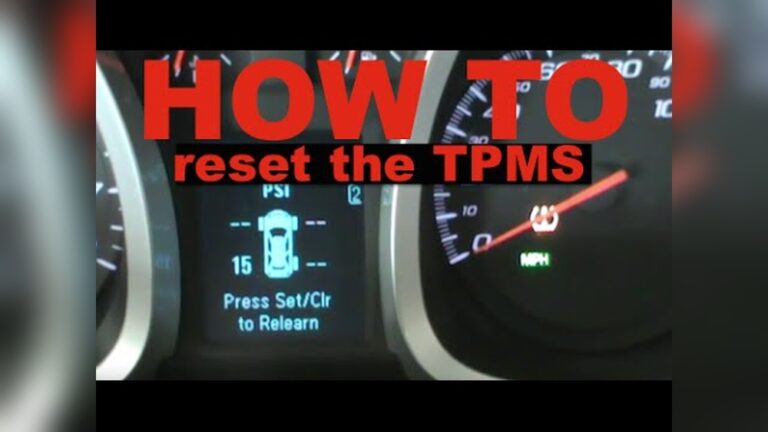
- If your car has TPMS (Tire Pressure Monitoring System): Even with sensors, manual checks are still needed. Sensors can fail or miss slow leaks.
Some drivers check weekly, especially in extreme climates. Others check every time they fill up with fuel. But for most, monthly checks plus extra checks in special situations work well.
Factors That Affect Tire Pressure
Tire pressure isn’t static. It changes due to:
Temperature Fluctuations
For every 10°F (5. 6°C) drop in temperature, tire pressure usually falls by 1 psi. This is why many drivers notice low tire warnings in winter. Conversely, heat makes air expand, raising pressure.
Driving Habits
Aggressive driving, fast turns, and high speeds can cause tires to lose air faster. If you drive hard or often on rough roads, check pressure more frequently.
Tire Age And Condition
Old or damaged tires may leak air slowly. If your tires are more than five years old, check them every two weeks.
Altitude Changes
Traveling from low to high altitude can affect tire pressure. Air pressure outside decreases, making tire pressure seem higher. If you travel across mountains, check tires when you reach your destination.
Vehicle Load
Heavy loads compress tires, so they need more air. If you haul cargo or carry extra passengers, check tire pressure before and after the trip.
How To Check Tire Pressure Correctly
Checking tire pressure is simple, but many people do it wrong. Here’s how to do it properly:
- Use a reliable gauge: Digital or dial gauges are more accurate than most gas station tools.
- Check when tires are cold: Wait at least three hours after driving, or check before your first drive of the day.
- Find recommended pressure: Look for the sticker inside your driver’s door, or check your owner’s manual. Don’t rely on the number printed on the tire sidewall.
- Remove the cap and press the gauge: Attach the gauge firmly to the valve. Read the pressure.
- Add or release air as needed: If the pressure is low, add air. If it’s high, release air in small bursts.
- Repeat for all tires, including the spare: Spares are often forgotten but can save you in emergencies.

Credit: www.cascadesubaru.com
Comparing Tire Pressure Check Methods
Different methods can be used to check tire pressure. Here’s how they compare:
| Method | Accuracy | Ease of Use | Cost |
|---|---|---|---|
| Manual Gauge (digital/dial) | High | Easy | Low |
| Gas Station Gauge | Medium | Moderate | Free/Low |
| TPMS (on-board sensors) | Medium | Very Easy | High |
| Visual Inspection | Low | Very Easy | Free |
Manual gauges remain the most reliable for regular checks.
Common Mistakes When Checking Tire Pressure
Even experienced drivers make errors. Avoid these mistakes:
- Checking when tires are hot: Driving heats the air and gives a false high reading.
- Using old or damaged gauges: Low-quality tools can mislead you.
- Ignoring the spare tire: Spares lose air too, and you may need them suddenly.
- Relying only on TPMS: Sensors may not alert you to slow leaks or may fail.
- Not adjusting for load or temperature: Recommended pressure changes with heavy loads and seasonal shifts.
What Happens If Tire Pressure Is Not Checked Regularly?
Neglecting tire pressure can lead to:
Safety Risks
Low pressure increases stopping distance and reduces control. High pressure raises the risk of blowouts.
Reduced Fuel Efficiency
Under-inflated tires waste energy. The US Department of Energy reports that proper tire inflation can improve gas mileage by up to 3%.
Shorter Tire Lifespan
Incorrect pressure causes uneven wear. Tires may need to be replaced sooner.
Costly Repairs
Poor tire maintenance can damage suspension, wheels, and even affect the braking system.
Tire Pressure And Seasonal Changes
Each season affects tire pressure differently:
Winter
Air contracts, pressure drops. Check tires every two weeks during cold snaps.
Summer
Air expands, pressure rises. Over-inflation can cause rough rides and reduced traction.
Rainy Season
Wet roads reduce grip. Correct pressure is vital for safe braking.
Spring And Autumn
Rapid temperature changes mean frequent checks are needed.

Credit: ferberstireandauto.com
Data: Tire Pressure Loss Rates
On average, tires lose 1-2 psi per month naturally, even without leaks. Older tires may lose more.
| Tire Age | Average Monthly PSI Loss |
|---|---|
| New (0-2 years) | 1 psi |
| Medium (3-5 years) | 1.5 psi |
| Old (6+ years) | 2 psi |
Tips For Developing A Tire Pressure Checking Habit
Building a routine helps avoid forgotten checks:
- Set a monthly reminder: Use your phone or calendar.
- Check during fuel stops: Pick one day each month to check while refueling.
- Combine with other maintenance: Check tire pressure when changing oil or washing the car.
- Keep a gauge in your glove box: Easy access makes checks quicker.

Credit: www.youtube.com
Tire Pressure For Different Vehicle Types
Tire pressure needs vary by vehicle:
| Vehicle Type | Typical PSI Range | Recommended Check Frequency |
|---|---|---|
| Passenger Car | 30-35 psi | Monthly |
| SUV/Truck | 35-45 psi | Monthly/Before heavy load |
| Motorcycle | 28-40 psi | Weekly |
| Bicycle | 40-120 psi | Weekly |
Always check your owner’s manual for specifics.
Non-obvious Insights Most Drivers Miss
- Pressure loss can be invisible: A tire can look fine but still be dangerously low. Most tires lose air slowly, without visible signs.
- Spare tires matter: Drivers forget the spare, but it can be crucial in emergencies. Check it every time with the others.
- TPMS only detects sudden drops: Tire pressure monitoring systems do not always alert for slow leaks or small changes.
Professional Recommendations
Organizations like the National Highway Traffic Safety Administration (NHTSA) recommend checking tire pressure at least once a month and before every long trip. Tire manufacturers often suggest the same, but with extra checks during seasonal changes and heavy usage.
For more detailed guidance, visit NHTSA Tire Safety.
Frequently Asked Questions
How Often Should Tire Pressure Be Checked If I Drive Daily?
Check tire pressure at least once a month. If you drive long distances or in extreme temperatures, check every two weeks.
Is It Safe To Rely Only On My Car’s Tpms?
No. TPMS sensors may miss slow leaks and sometimes fail. Manual checks are still important for accurate results.
What’s The Best Time Of Day To Check Tire Pressure?
Check tire pressure when tires are cold, usually before your first drive in the morning, for the most accurate reading.
Can Tire Pressure Affect Fuel Economy?
Yes. Proper tire pressure improves fuel efficiency by up to 3%. Low pressure causes higher fuel consumption.
Should I Check Tire Pressure After Hitting A Pothole?
Yes. Hard impacts can cause leaks or tire damage. Check pressure and inspect tires immediately after hitting a pothole.
Checking tire pressure is a simple habit that pays off with safer driving, better fuel economy, and longer tire life. Take a few minutes each month, or when conditions change, and your car—and wallet—will thank you.