If you’re passionate about cars, trucks, or SUVs, you know that tire size can make a big difference. Choosing between 295 and 305 tires is not just about looks—it affects how your vehicle handles, its comfort, speed, and even safety. Many drivers find themselves stuck between these two popular tire widths. Should you go for the slightly narrower 295, or take the leap to the wider 305? What will you gain, and what might you lose?
This article will give you a complete, detailed look at every aspect of 295 vs 305 tire options. You’ll discover the technical differences, how each affects performance, and which is better for different situations. We’ll also cover real-world examples, common mistakes, and expert tips. By the end, you’ll be ready to make an informed decision for your vehicle.
Understanding Tire Size Numbers
When you see “295/35R20” or “305/30R19” on a tire, each number means something specific. Here’s a quick breakdown:
- 295 or 305: The width of the tire in millimeters.
- 35 or 30: The aspect ratio (sidewall height as a percentage of width).
- R: Radial construction.
- 20 or 19: The diameter of the wheel in inches.
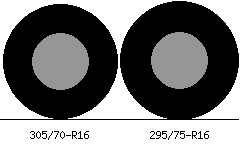
For this article, we focus on the width: 295 mm and 305 mm. That’s a 10 mm difference—about 0.4 inches. It seems small, but it’s enough to change handling, appearance, and fitment.
Core Differences Between 295 And 305 Tires
1. Width
The most obvious difference is width: 295 mm vs 305 mm. The 305 tire is wider by 10 millimeters. This means a larger contact patch on the road, which can improve grip but may also increase rolling resistance.
2. Sidewall And Profile
Many 295 and 305 tires are available in similar aspect ratios. However, as width increases, the sidewall may appear lower if the aspect ratio remains the same. This changes the overall diameter and the way the tire absorbs bumps.
3. Weight
Wider tires like 305s usually weigh more than 295s. More rubber and a larger footprint mean extra weight, affecting acceleration, braking, and fuel economy.
4. Appearance
A 305 tire looks more aggressive and fills the wheel well better, often preferred for trucks, SUVs, and performance cars. 295 tires offer a sportier look without being as bold.
5. Price
Wider tires often cost more, though the difference between 295 and 305 can be small depending on the brand and model.
Performance Comparison
To help you visualize the difference, here’s a direct comparison:
| Feature | 295 Tire | 305 Tire |
|---|---|---|
| Width (mm) | 295 | 305 |
| Contact Patch | Smaller | Larger |
| Weight | Lighter | Heavier |
| Rolling Resistance | Lower | Higher |
| Fuel Efficiency | Better | Poorer |
| Cornering Grip | Good | Better |
| Hydroplaning Risk | Lower | Higher |
| Looks | Sporty | Aggressive |
| Price | Slightly Lower | Slightly Higher |
295 Tire: In-depth Look
Let’s break down what a 295 tire offers and where it shines.
Advantages
- Balanced Performance: Offers strong grip without the drawbacks of excessive width.
- Improved Fuel Economy: Less rolling resistance means better mileage.
- Easier Fitment: Less likely to rub against the fender or suspension.
- Lightweight: Helps with acceleration and steering response.
Disadvantages
- Less Grip: Compared to 305, the contact patch is smaller.
- Not as Aggressive: Some drivers want the bold look of a wider tire.
Best Use Cases
- High-performance cars where precise handling matters.
- Street vehicles where fuel economy is important.
- Situations where wheel well space is limited.
Example Vehicles
- BMW M5
- Chevrolet Camaro SS
- Ford Mustang GT
305 Tire: In-depth Look
Now, let’s see what makes a 305 tire special.
Advantages
- Maximum Grip: More rubber touches the road—great for cornering and acceleration.
- Aggressive Appearance: Fills the wheel well and stands out.
- Better for Heavy Vehicles: Handles higher loads from trucks and SUVs.
Disadvantages
- More Rolling Resistance: Can decrease fuel efficiency.
- Heavier: Adds unsprung weight, which may slow acceleration.
- Possible Fitment Issues: May rub unless the wheel offset and fender clearance are right.
Best Use Cases
- Sports cars aiming for maximum traction.
- Off-road trucks needing a wider footprint.
- Show cars where looks matter most.
Example Vehicles
- Chevrolet Corvette Z06
- Dodge Challenger SRT Hellcat
- Ford F-150 Raptor
Real-world Driving: 295 Vs 305
Handling And Performance
A wider tire like the 305 offers more grip on dry roads, which is important for spirited driving, racing, or towing. However, a wider footprint can make hydroplaning more likely in wet conditions if the tread design is not optimized.
Ride Comfort
A 295 tire usually gives a smoother ride, especially on rough roads. The slightly narrower width allows the tire to flex more, absorbing bumps better.
Noise
Wider tires tend to be noisier, especially at highway speeds. A 305 may create a louder hum than a 295.
Tread Life
Because more rubber is in contact with the road, 305 tires may wear faster, especially if the car isn’t aligned perfectly. However, if rotated regularly, the difference is often small.
Fuel Efficiency
Every extra bit of width adds rolling resistance. Tests have shown that going from 295 to 305 can reduce highway mileage by 1–3%, depending on the vehicle and driving style.
Fitment: Will They Fit My Car?
Proper fitment is essential. A 305 tire may not fit every car that takes a 295, due to the extra width. You must check:
- Wheel Width: Most 295 tires fit 10–11” wheels, while 305 often need 10.5–12”.
- Offset: The wheel’s offset changes where the tire sits. Too much inward or outward movement can cause rubbing.
- Suspension Clearance: Extra width may hit struts or control arms.
- Fender Clearance: Especially important if you lower your car.
Here’s a quick fitment guideline:
| Tire Size | Recommended Wheel Width | Risk of Rubbing | Common Vehicle Types |
|---|---|---|---|
| 295 | 10–11 inches | Low | Sports cars, sedans, SUVs |
| 305 | 10.5–12 inches | Medium/High | Trucks, muscle cars, high-performance SUVs |
Tip: Always check your car’s manual or use an online fitment calculator before upgrading.
Tire Brands And Models: 295 Vs 305
Some tire models are available in both 295 and 305 widths, making it easier to compare. Popular choices include:
- Michelin Pilot Sport 4S
- Pirelli P Zero
- Nitto NT555 G2
- Toyo Proxes Sport
- Goodyear Eagle F1
Check the speed rating, load index, and tread pattern when comparing.
Credit: www.tacomaworld.com
Cost Comparison
While the difference is not huge, 305 tires usually cost $10–$30 more per tire than 295s in the same model. This adds up if you’re buying a full set.
- 295 Tire: $250–$420 each (premium brands)
- 305 Tire: $270–$450 each (premium brands)
Prices vary by brand, treadwear, and availability.
Effects On Speedometer And Odometer
If you change tire width but keep the same aspect ratio and rim size, your speedometer stays mostly accurate. However, if the overall diameter changes (by changing the aspect ratio), your speed and odometer readings may be off.
For example, switching from a 295/35R20 to a 305/30R20 actually reduces the overall diameter slightly. This means your speedometer will read a little faster than your actual speed.
Practical Tip: Use an online tire size calculator to check the exact difference before buying.

Credit: www.reddit.com
Traction In Different Conditions
Wider tires like 305s help in dry conditions, but can be worse in snow or heavy rain. Narrower tires cut through water and snow more easily, reducing the risk of hydroplaning.
Non-Obvious Insight: If you live in a region with lots of rain or snow, a 295 tire may be safer for year-round use. Wider tires can “float” on top of water or snow, losing grip.
Off-road Performance
For trucks and SUVs, the extra width of a 305 tire spreads weight over a larger area. This helps prevent sinking in sand or mud, but can make it harder to cut through deep snow or rocky terrain.
Impact On Braking
A wider tire can shorten stopping distances in dry conditions, but only if the tire compound and tread design are good. On wet roads, the risk of hydroplaning rises with width.
Non-Obvious Insight: Braking is about more than just width—tread pattern and rubber type matter just as much.
Common Mistakes When Upgrading Tire Width
- Ignoring Wheel Width: A 305 tire may not fit safely on a 10” wheel.
- Not Checking Offset: Can cause rubbing or poor handling.
- Skipping Alignment: After changing tire size, always align your wheels.
- Forgetting About Spare Tire: If you upgrade, your spare may not be the right size.
- Only Focusing on Looks: Wider isn’t always better for daily driving.
Pros And Cons Summary
Here’s a quick look at the main points:
- 295 Tire Pros: Better fuel economy, easier fitment, smoother ride.
- 295 Tire Cons: Less grip, less aggressive look.
- 305 Tire Pros: Maximum grip, bold appearance, better for heavy vehicles.
- 305 Tire Cons: More rolling resistance, possible fitment issues, may be noisier.
295 Vs 305: Which Should You Choose?
It depends on your priorities:
- For performance and track use: 305 wins for grip and stability.
- For daily driving or fuel savings: 295 is often better.
- For trucks and off-road: 305 offers a larger footprint.
- For snow/rain: 295 may be safer.
Always balance looks, safety, and practicality.

Credit: www.youtube.com
Real Owner Experiences
Many car forums and reviews show that switching from 295 to 305 can make a car feel more planted, especially in corners. However, some drivers report heavier steering and more road noise. Others mention that fitment can be tricky without the right offset or fender work.
Expert Advice
If you’re unsure, consult a professional tire shop. They can measure your wheel well, check your wheel width, and recommend the best choice for your vehicle and driving style.
For more technical details on tire sizing, you can refer to the Tire Rack Tire Size Guide.
Frequently Asked Questions
What Does The Number In 295 Or 305 Tire Mean?
The number 295 or 305 is the tire’s width in millimeters from sidewall to sidewall. So, a 305 tire is 10 mm wider than a 295.
Will A 305 Tire Fit Where A 295 Tire Was Before?
Not always. A 305 tire is wider and may not fit without changes to the wheel or fender. Always check your wheel width, offset, and vehicle clearance before upgrading.
Does A Wider Tire Improve Handling?
Yes, a wider tire like a 305 can improve grip and cornering on dry roads. However, it may increase hydroplaning risk in wet weather and reduce fuel efficiency.
Are 305 Tires More Expensive Than 295?
Usually, yes. 305 tires often cost $10–$30 more per tire compared to 295 models, mainly because of the extra rubber and lower production volumes.
Which Tire Is Better For Winter Driving: 295 Or 305?
A 295 tire is usually better for winter. The narrower width helps cut through snow and water, offering more grip in slippery conditions.
Choosing between 295 vs 305 tires is not just about numbers—it’s about finding the right balance for your driving needs and vehicle. Take your time, consider all factors, and you’ll enjoy better performance, safety, and looks.