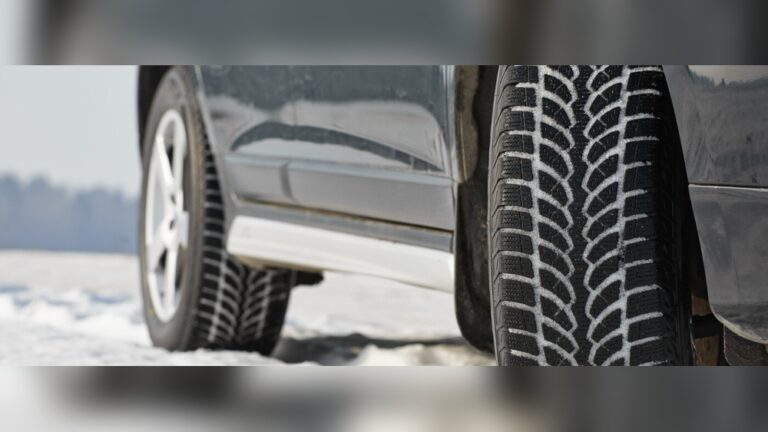
When you buy tires, the brand you choose shapes everything: your safety, your budget, and your driving experience. Two names often come up—Summit Tires and Michelin. One is a value-focused challenger, the other a world-famous premium giant. But which is truly right for you? This in-depth guide breaks down their differences, strengths, and weaknesses, helping you make a confident, informed choice.
Understanding Summit Tires
Summit Tires is not a brand you see advertised during the Super Bowl or in glossy car magazines. Instead, it’s known for offering affordable tire options. Summit emerged in the 1970s as a private label, meaning their tires are made by other manufacturers but sold under the Summit name. Over the years, their focus has stayed on price-conscious drivers who want basic, reliable tires without extra features.
Summit mainly targets drivers who:
- Drive in cities or suburbs, not extreme conditions
- Want to spend less on tires
- Prioritize practicality over brand prestige
Their lineup covers passenger cars, light trucks, SUVs, and even some specialty vehicles. Summit’s range is not as wide as bigger brands, but it covers most common needs.
How Summit Tires Are Made
Summit does not own factories. Instead, it partners with various tire manufacturers, often in Asia or South America. This helps keep prices low but can lead to small variations in quality and performance, depending on the factory.
This approach is common among budget brands. It’s important to know that while Summit tires meet basic safety standards, they usually don’t have the most advanced materials or designs.
Where You Find Summit Tires
Summit tires are mostly sold through smaller local shops, online retailers, and some independent auto dealers. You won’t see them at big brand tire stores or car dealerships.
Understanding Michelin
Michelin is a different story. Founded in France in 1889, Michelin is one of the world’s top three tire companies. Michelin invests heavily in research, technology, and innovation. The famous Michelin Man is a symbol of trust for drivers worldwide.
Michelin focuses on:
- Premium quality and advanced technology
- Wide range of tire types and sizes
- Safety, fuel efficiency, and long lifespan
Michelin tires are seen on everything from commuter cars to race cars and airplanes. They have won awards for safety and performance and are often used as original equipment on new vehicles.
Michelin’s Manufacturing Standards
Michelin owns and operates its own factories in Europe, North America, and Asia. Their tires go through strict quality checks and often use unique rubber compounds or tread designs. Michelin also invests in sustainable manufacturing, aiming to reduce environmental impact.
Where You Find Michelin Tires
Michelin tires are available almost everywhere: major tire chains, car dealerships, online stores, and big-box retailers. Michelin’s wide network means you can find replacements easily, nearly anywhere in the world.

Credit: www.discountedwheelwarehouse.com
Comparing Tire Performance
When you choose between Summit Tires and Michelin, performance is often the biggest factor. Let’s break down the key aspects that matter to most drivers.
Dry Road Handling
On dry pavement, tire grip and steering response can make a big difference, especially in sudden maneuvers.
- Michelin: Known for precise handling, strong grip, and confidence at highway speeds. For example, the Michelin Pilot Sport series is favored for sports cars.
- Summit: Provides safe, predictable handling for normal driving. However, in sharp turns or high-speed maneuvers, Summit tires may feel softer or less controlled.
Wet Weather Performance
Rainy roads test a tire’s ability to channel water and avoid hydroplaning.
- Michelin: Uses advanced tread patterns and silica compounds to maintain grip in wet conditions. Tires like the Michelin Primacy and Defender often score high in wet braking tests.
- Summit: Meets basic wet weather standards but generally takes longer to stop on wet roads compared to Michelin. Tread designs are simpler, with less advanced water evacuation.
Winter And Snow Performance
If you drive in snow or ice, tire choice becomes even more important.
- Michelin: Offers specialized winter tires, such as the Michelin X-Ice, and all-season options that handle light snow. These often feature sipes and rubber compounds designed for cold.
- Summit: Has some all-season tires but few true winter options. Their tires can work in mild winter climates but are not the best for deep snow or ice.
Ride Comfort And Noise
Nobody wants a bumpy or noisy ride, especially on long trips.
- Michelin: Invests in noise reduction and ride comfort. Many drivers notice a quieter, smoother ride, especially with touring tires.
- Summit: Provides a basic level of comfort. On rough roads, Summit tires may transmit more bumps and noise into the cabin.
Tire Longevity And Wear
How long your tires last depends on the rubber compound and tread design.
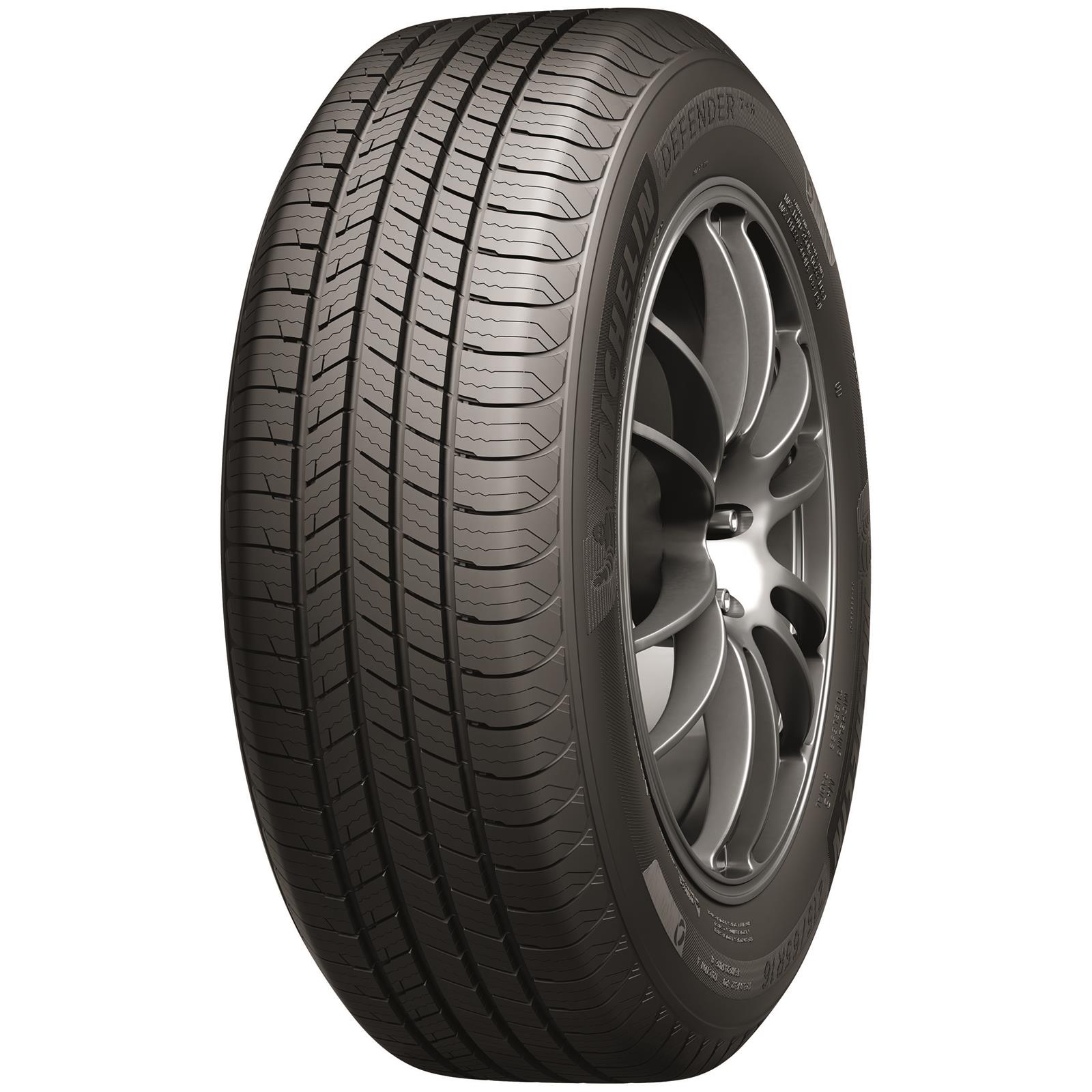
- Michelin: Known for long tread life. Some tires, like the Michelin Defender T+H, come with warranties up to 80,000 miles.
- Summit: Offers shorter tread life, typically 40,000–60,000 miles. Wear can be faster, especially if you drive aggressively or on rough roads.
Here’s a direct comparison of key performance factors:
| Feature | Summit Tires | Michelin |
|---|---|---|
| Dry Handling | Basic, reliable | Precise, high grip |
| Wet Performance | Adequate | Excellent |
| Winter/Snow | Limited options | Strong performance |
| Ride Comfort | Average | Very comfortable |
| Tread Life | Shorter | Longer |
Price And Value
One of the main reasons drivers look at Summit Tires is the price difference. But the real question is: what are you paying for, and what do you get?
Upfront Cost
Summit tires can cost 30–50% less than comparable Michelin models. For example, a standard all-season Summit tire might cost $60–$80, while a Michelin of the same size could be $120–$150.
Cost Over Time
Cheaper tires may wear out faster or need to be replaced sooner. Michelin’s longer tread life means fewer changes over several years. If you plan to keep your car for a long time, Michelin may be cheaper in the long run.
Warranty
Michelin often offers road hazard warranties and longer mileage guarantees. Summit’s warranties are more limited, usually covering only basic defects.
Resale And Brand Perception
A car with Michelin tires can be easier to sell, as buyers see them as a sign of good maintenance. Summit tires rarely add resale value.
Here’s a simplified price/value comparison:
| Aspect | Summit Tires | Michelin |
|---|---|---|
| Average Cost (per tire) | $60–$80 | $120–$150 |
| Treadwear Warranty | Up to 50,000 miles | Up to 80,000 miles |
| Resale Value Impact | Low | High |
| Cost per Mile | Higher | Lower |
Safety And Reliability
Safety is the top reason to invest in good tires. Let’s see how Summit and Michelin compare when it comes to keeping you safe on the road.
Braking Distance
Tests by independent groups show that Michelin tires often stop 10–20 feet shorter than budget brands (including Summit) in emergency braking, especially on wet roads. This distance can mean the difference between a close call and a crash.
Blowout And Failure Rates
Michelin’s strict manufacturing standards lead to fewer recalls and defects. Summit’s quality can vary by batch and factory, so occasional defects or uneven wear are more common.
Real-world Reliability
Michelin tires are used by police, ambulance fleets, and commercial operators who demand reliability. Summit is more common on older cars or as a quick replacement, not in high-risk situations.
Hidden Insight: Tire Age And Storage
Many drivers don’t realize that cheaper tires like Summit may sit longer in warehouses before sale. Old rubber can become brittle, even if the tire is “new. ” Michelin’s faster sales mean fresher tires on average.
Fuel Efficiency
Good tires help your car use less fuel by reducing rolling resistance.
- Michelin: Many models are designed for fuel savings. The Michelin Energy Saver A/S, for example, can improve fuel economy by up to 2 mpg compared to standard tires.
- Summit: Few options focus on fuel efficiency. Rolling resistance is usually higher, so you may use more fuel over time.
Credit: www.summitautocdjr.com
Warranty And Support
When you buy tires, you want peace of mind if something goes wrong.
- Michelin: Strong warranty support, including mileage, defects, and sometimes free roadside help. Claims are handled quickly at most tire shops.
- Summit: Basic warranties only cover manufacturing defects, usually for a shorter time. You may need to deal directly with the seller, which can be harder if you move or travel.
Range Of Options
Michelin’s range covers almost every vehicle, from hybrids to heavy trucks, and includes performance, touring, all-season, winter, and specialty tires.
Summit’s lineup is smaller. You may not find every size or type, especially for newer cars or performance vehicles.
Here’s a table showing typical lineup differences:
| Category | Summit Tires | Michelin |
|---|---|---|
| Passenger Cars | Yes | Yes |
| SUV/Light Truck | Yes | Yes |
| Performance | Few | Many |
| Winter Tires | Few | Many |
| Commercial/Heavy Duty | No | Yes |
| Special Sizes | Limited | Extensive |
User Reviews And Reputation
What Do Real Drivers Think After Thousands Of Miles?
Summit Tires: User Impressions
- Positive: Affordable, gets the job done, good for older cars or short-term use.
- Negative: Faster tread wear, can be noisy, inconsistent quality, not ideal for harsh weather.
Some drivers report good experiences with Summit, especially for city driving or as a temporary fix. However, many reviews mention replacing Summit tires sooner than expected.
Michelin: User Impressions
- Positive: Long tread life, quiet ride, excellent grip in all conditions, rarely any defects.
- Negative: Higher price, but many feel the quality is worth it.
Michelin often wins in independent tests and owner surveys, with a reputation for reliability and comfort.
Non-obvious Insight: Tire Rotation Frequency
Budget tires like Summit may need more frequent rotation (every 4,000–5,000 miles) to wear evenly. Michelin’s even wear patterns allow for longer intervals, saving time and money.
Who Should Choose Summit Tires?
Summit is a smart choice if you:
- Drive mostly in city or suburb settings
- Have an older car not worth expensive tires
- Need a quick, affordable replacement
- Don’t drive in extreme weather or on highways often
For example, if you have a backup car or a vehicle you plan to sell soon, Summit can save you money.
Credit: www.summitracing.com
Who Should Choose Michelin?
Michelin is the better choice if you:
- Drive long distances or at high speeds
- Value safety, comfort, and quietness
- Want the longest tread life and best fuel savings
- Drive in mixed or extreme weather
Michelin is especially popular for family cars, business vehicles, and anyone who wants to avoid tire problems.
Common Mistakes When Choosing Between Summit And Michelin
- Focusing only on price: Cheap tires can cost more over time if you replace them often or use more fuel.
- Ignoring your driving style: Highway drivers need more safety margin than city-only drivers.
- Not checking tire age: Old “new” tires (especially from smaller brands) can be less safe.
- Skipping rotation or maintenance: Budget tires wear faster if not rotated often.
- Assuming all tires fit all cars: Some cars need specific speed ratings or load capacities—always check your manual.
Environmental Impact
Michelin invests in eco-friendly manufacturing, using less energy and more recycled materials. Their tires often last longer, reducing waste. Summit’s lower price means less investment in green technology.
If environmental impact matters to you, Michelin is the clear leader.
The Bottom Line: Summit Tires Vs Michelin
There is no single “best” tire for everyone. If you need to save money now, Summit Tires is a safe, legal option for everyday driving. If you want the best in safety, performance, and long-term value, Michelin stands out.
Think about your driving habits, how long you plan to keep your car, and your comfort with risk. For most drivers, tires are one of the few parts of your car that touch the road—quality matters more than you think.
If you want to learn more about tire safety and ratings, the U.S. National Highway Traffic Safety Administration offers trusted resources: NHTSA Tire Information.
Frequently Asked Questions
What Is The Main Difference Between Summit Tires And Michelin?
The main difference is quality and price. Michelin offers advanced technology, longer tread life, and better performance, but at a higher price. Summit focuses on low cost, with basic performance for everyday driving.
Are Summit Tires Safe For Highway Driving?
Summit tires meet safety standards and are safe for normal highway speeds. However, their handling, wet grip, and emergency braking are not as strong as Michelin. For frequent highway travel, Michelin is a safer choice.
Do Michelin Tires Really Last Longer Than Summit?
Yes, most Michelin tires last 20,000–30,000 miles longer than Summit tires, thanks to better rubber compounds and design. This can make Michelin cheaper in the long run, even with higher upfront costs.
Can I Mix Summit Tires And Michelin On My Car?
It’s not recommended. Mixing tire brands can cause uneven handling and wear. For best safety and performance, use the same brand, size, and model on all four wheels.
Is It Worth Paying Extra For Michelin Tires?
If you value safety, comfort, and long-term value, then yes—Michelin is worth the extra cost. If you only need basic transportation and want to spend less now, Summit is a reasonable alternative.
Choosing the right tire is about finding the best match for your needs, not just the lowest price or biggest brand. Take your time, ask questions, and drive with confidence.