Winter Vs Mud And Snow Tires: Which Is Right For Your Car?
When the seasons change and the roads become slippery, drivers often ask themselves: Should I use winter tires or mud and snow tires? Picking the right tire is not just about safety—it’s also about performance, cost, and making sure your vehicle handles well in tough conditions. Many people confuse these two types of tires, or think they’re the same. But they’re not. They serve different purposes, and choosing the wrong one can make winter driving harder or even dangerous.
If you’ve ever slid on icy roads, or struggled with deep snow and mud, you know how important tires are. But the world of tires is confusing. There are technical terms, ratings, and different designs. Some tires have mountain and snowflake symbols, others just say “M+S.” To help you make the best choice, this article will break down everything you need to know about winter tires and mud and snow (M+S) tires. We’ll look at how they work, their differences, their advantages and disadvantages, and which tire is best for your situation.
What Are Winter Tires?
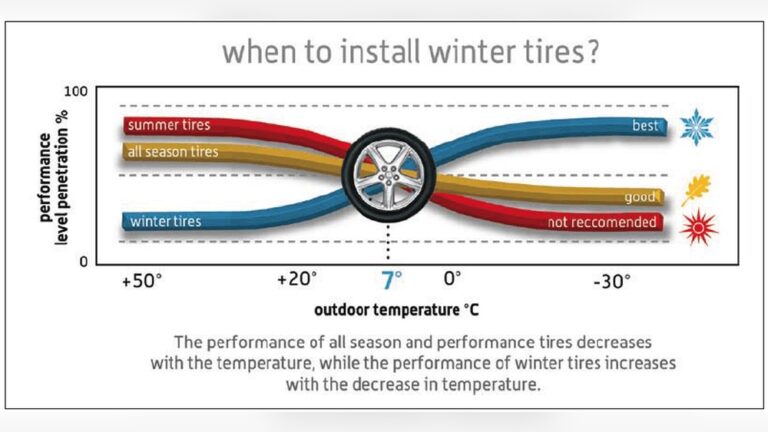
Winter tires are made specifically for cold weather, snow, ice, and slush. They are sometimes called snow tires. These tires have a special rubber compound that stays soft even when temperatures drop below freezing. This means they can grip the road better in winter conditions.
The tread pattern on winter tires is different too. It has many small grooves called sipes. These sipes bite into snow and ice, helping the tire hold onto slippery surfaces. Many winter tires have the three-peak mountain and snowflake symbol on the sidewall. This symbol shows the tire meets tough standards for winter performance set by the industry.
Winter tires are not just for snow. They also help with wet roads and black ice. The softer rubber and deep tread channels push water away, reducing the risk of sliding or hydroplaning.
Key Features Of Winter Tires
- Soft rubber compound that stays flexible in cold weather
- Deep tread patterns with many sipes for better grip
- Three-peak mountain and snowflake symbol for proven winter performance
- Designed for temperatures below 7°C (45°F)
- Excellent traction on ice, snow, and slush
What Are Mud And Snow (m+s) Tires?
Mud and snow tires, often called M+S tires, are a type of all-season tire. They are designed to handle both mud and snow, but not extreme winter conditions. The M+S marking is found on the sidewall of many all-season and some all-terrain tires.
These tires have a tread pattern with bigger blocks and wider grooves compared to summer tires. This helps them push through mud and light snow. However, the rubber compound is not as soft as winter tires. In cold weather, M+S tires can become stiff, reducing their grip.
M+S tires do not always have the mountain and snowflake symbol. This means they are not tested for severe winter performance. They are good for mild winters, where snow and mud are not too deep and temperatures are above freezing most of the time.
Key Features Of Mud And Snow Tires
- M+S marking for mud and snow capability
- Tread with larger blocks and grooves for loose surfaces
- Designed for mild winter, spring, and fall conditions
- Not tested for severe snow and ice
- Suitable for temperatures above freezing
How Winter Tires And Mud And Snow Tires Are Made
Understanding how these tires are built helps explain their performance.
Winter Tire Construction
Winter tires use a silica-rich rubber compound. Silica keeps the rubber soft in cold weather. Sipes are cut into the tread to improve grip on ice and snow. The tread design is deeper and more complex, so the tire can push away slush and water.
Some winter tires have studs—small metal spikes that dig into ice. Studded tires are only allowed in some regions.
Mud And Snow Tire Construction
M+S tires use a tougher rubber compound. This makes them last longer and perform well in warmer weather. The tread blocks are bigger and spaced out, so the tire can clear mud and snow. But the rubber is not as soft as winter tires, so it can get hard in freezing temperatures.
Some M+S tires are made for off-road use, with strong sidewalls and aggressive tread.
Performance Comparison: Winter Vs Mud And Snow Tires
Performance is the most important factor when choosing tires for winter. The differences between winter tires and M+S tires become clear in real-world conditions.
Grip On Snow And Ice
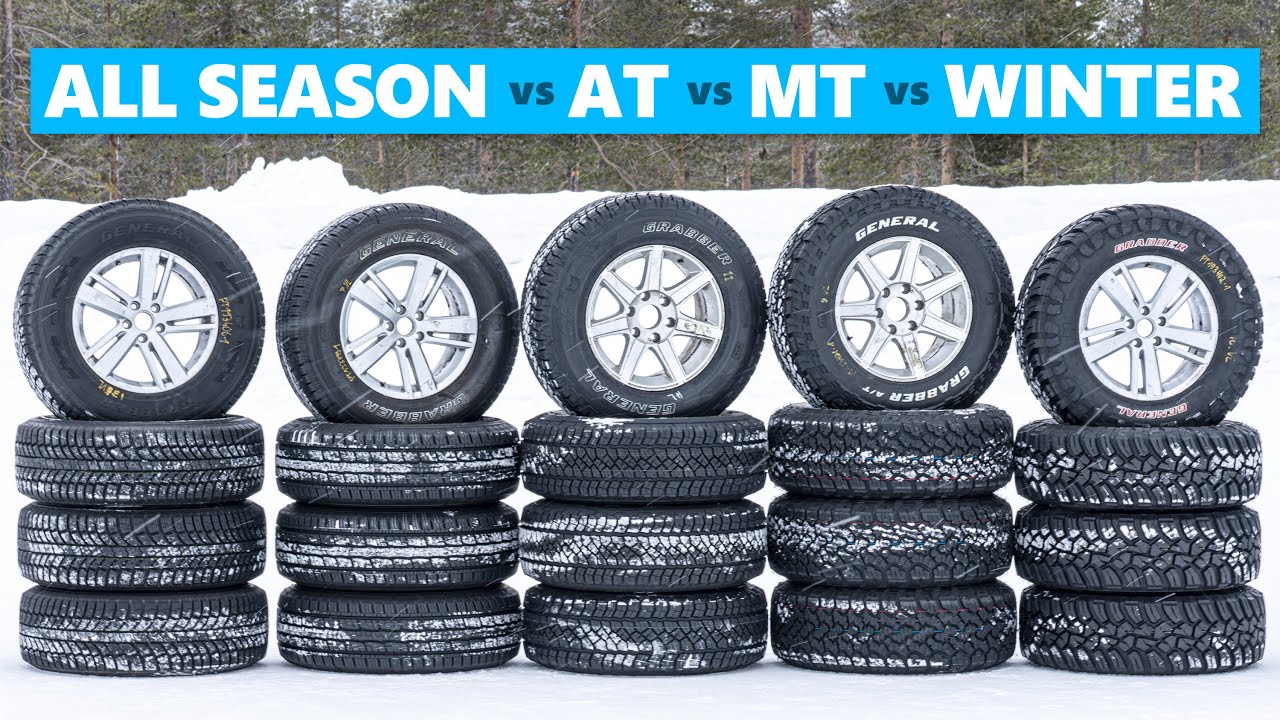
Winter tires are designed to grip snow and ice. Their soft rubber and sipes bite into slippery surfaces. M+S tires can handle light snow, but their harder rubber and simpler tread design mean they slide more on ice.
Tests show that winter tires can stop a car up to 30% shorter on snow and ice compared to M+S tires. This can be the difference between stopping safely and sliding into danger.
Handling And Control
Winter tires give better control in cold, snowy, or icy conditions. Steering feels more responsive. M+S tires can feel stiff and less stable when temperatures drop.
If you drive in areas with lots of snow and ice, winter tires are safer. If your winters are mild, M+S tires may be enough.
Performance On Wet Roads
Both tire types perform better than summer tires on wet roads. But winter tires are superior in cold wet conditions. Their tread channels water away quickly, reducing hydroplaning.
M+S tires are good for rain and mud, but their performance drops when temperatures are low.
Durability And Lifespan
M+S tires usually last longer, because their rubber is harder. Winter tires can wear out faster if used in warm weather, since their soft rubber gets damaged by heat.
Data Table: Stopping Distances
To show the difference, here is a comparison of stopping distances from 50 km/h (31 mph) in different conditions:
| Condition | Winter Tires | M+S Tires |
|---|---|---|
| Snow | 25 meters | 36 meters |
| Ice | 40 meters | 58 meters |
| Wet | 18 meters | 21 meters |
| Dry | 15 meters | 16 meters |
As you can see, winter tires perform much better on snow and ice.

Credit: www.discountedwheelwarehouse.com
Cost Comparison: Winter Vs Mud And Snow Tires
Tire prices depend on size, brand, and technology. But generally, winter tires cost more than M+S tires.
- Winter tires: $80–$250 per tire
- M+S tires: $70–$200 per tire
Winter tires may also require a second set of wheels, so you don’t have to swap tires every season. This adds extra cost.
M+S tires can be used year-round, which saves money and time. But using M+S tires in harsh winters can lead to accidents, costing more in the long run.
Data Table: Average Tire Costs
Here is a comparison of average costs for a set of four tires:
| Tire Type | Average Cost (4 tires) | Annual Maintenance |
|---|---|---|
| Winter Tires | $400–$1000 | Extra wheel set, storage needed |
| M+S Tires | $350–$800 | No extra wheels, year-round use |
Which Tire Should You Use?
Choosing between winter tires and M+S tires depends on where you live, how you drive, and your budget.
For Harsh Winters
If you live in a place with heavy snow, freezing rain, or lots of ice, winter tires are a must. They keep you safe and help your car handle well. Examples: Canada, Northern Europe, Northern US states.
For Mild Winters
If your winters are mild, with only light snow and temperatures near or above freezing, M+S tires may be enough. Examples: Southern US states, parts of Western Europe.
For Off-road Use
If you drive on muddy roads or trails, M+S tires are better. They handle mud, gravel, and dirt well. Winter tires are not made for off-road driving.
For Year-round Use
M+S tires can be used all year. But winter tires should only be used in winter. If you use winter tires in summer, they wear out quickly and may feel soft and unstable.
Practical Tips For Choosing
- Check your local weather. If you see snow and ice often, pick winter tires.
- Look for the three-peak mountain and snowflake symbol. Only these tires are tested for severe winter.
- If you drive a lot in mud or off-road, M+S tires are better.
- Consider your budget. Winter tires cost more, but keep you safer in tough conditions.
- Don’t use winter tires in warm weather. They wear out fast.
Regulations And Legal Requirements
Many countries and regions have laws about tire use in winter. In some places, winter tires are required by law in certain months. In others, M+S tires may be allowed, but only if conditions are not extreme.
For example, in Germany, winter tires with the mountain and snowflake symbol are required in winter. In some US states, studded tires are banned.
Always check local laws before buying tires. Using the wrong tire can lead to fines, or even worse—accidents.
Common Misconceptions About Winter And M+s Tires
Many drivers misunderstand these tires. Here are some common myths:
- M+S tires are the same as winter tires. Not true. M+S tires are not tested for severe winter.
- All-season tires are good for every season. All-season tires (usually marked M+S) work well in spring, summer, and fall, but not in harsh winter.
- Winter tires are only needed in snow. Winter tires help with ice, slush, and cold wet roads too.
- M+S marking means the tire is safe for all winter conditions. M+S only means the tire is good for mud and light snow—not ice and deep snow.
- Studded tires are always better. Studs help on ice, but can damage roads and are illegal in many places.
Real-world Examples And Case Studies
Example 1: City Driving In Canada
In Toronto, winter temperatures often drop below freezing. Roads are covered with snow and ice for months. Drivers using M+S tires often slip and slide, while those with winter tires stop quickly and steer safely.
Example 2: Rural Driving In Texas
In Texas, winters are mild, with only a few days of light snow or mud. Most people use M+S tires year-round. Winter tires are not needed and would wear out quickly.
Example 3: Mountain Roads In Germany
German laws require winter tires with the mountain and snowflake symbol. Drivers who use M+S tires without this symbol can be fined if caught in snow or ice.
Example 4: Off-roading In Colorado
Many off-road enthusiasts use M+S tires for muddy trails. Winter tires would not survive sharp rocks or rough dirt.
How To Identify Winter And M+s Tires
Knowing how to spot the right tire is important.
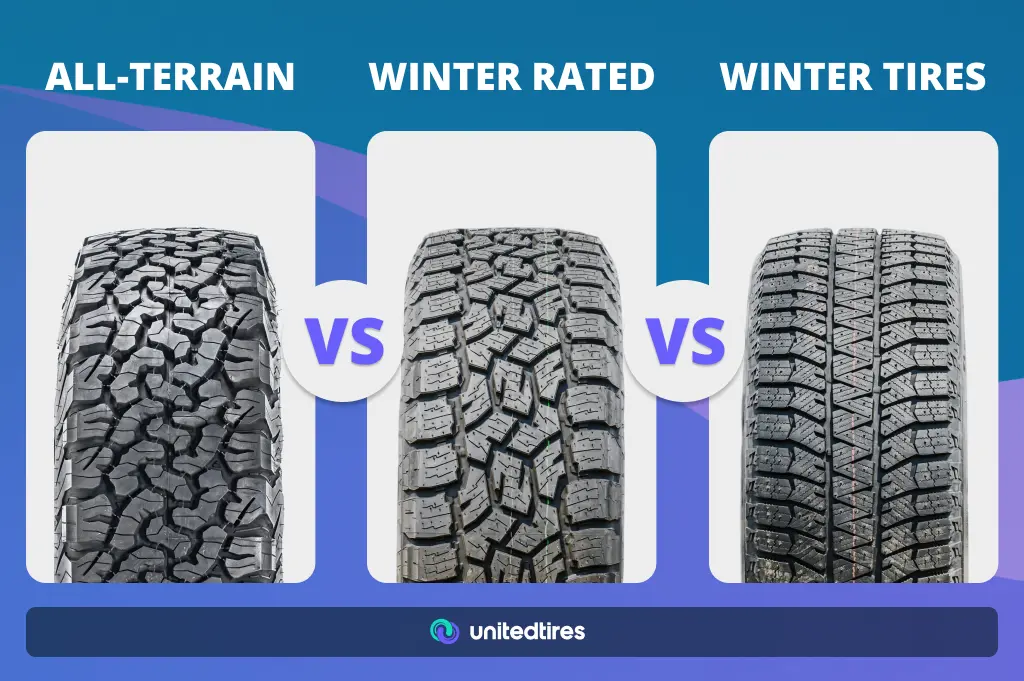
Winter Tires
Look for:
- Three-peak mountain and snowflake symbol
- Deep tread with many sipes
- Soft rubber feel
M+s Tires
Look for:
- M+S marking on the sidewall
- Bigger tread blocks, fewer sipes
- Harder rubber
Some tires have both M+S and the mountain/snowflake symbol. These are all-weather tires, and are safe for severe winter.
Credit: www.utires.com
Practical Advisor Insights: What Beginners Often Miss
- Temperature Matters More Than Snow: Winter tires are best not just when it snows, but any time temperatures are below 7°C (45°F). Many beginners don’t realize that rubber gets hard and loses grip even on dry, cold roads.
- Tread Depth Is Crucial: Even the best winter tire loses performance if the tread is worn down. Always check tread depth—below 4 mm, the tire is much less safe in winter.
- Mixing Tire Types Is Dangerous: Using different tire types on the same vehicle (like two winter tires and two M+S tires) can make handling unpredictable. Always use the same type on all wheels.
Comparing Key Features Side By Side
Here’s a direct comparison to help you decide:
| Feature | Winter Tires | M+S Tires |
|---|---|---|
| Rubber Compound | Soft, silica-rich | Harder, all-season blend |
| Tread Design | Deep, many sipes | Wide blocks, fewer sipes |
| Performance Below 7°C | Excellent | Reduced |
| Performance On Mud | Poor | Good |
| Year-Round Use | No | Yes |
| Legal For Severe Winter | Yes (mountain/snowflake symbol) | No |
| Price | Higher | Lower |
How To Maintain Your Tires For Best Performance
Whichever tire you choose, good maintenance is vital.
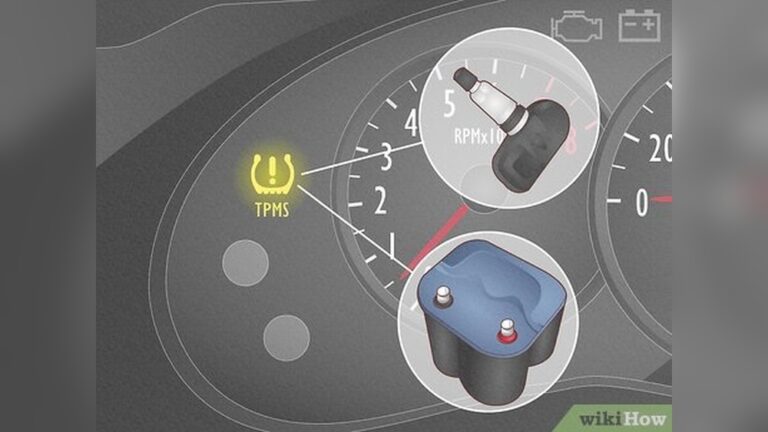
- Check air pressure monthly. Cold weather lowers tire pressure.
- Rotate tires every 10,000 km (6,000 miles) to ensure even wear.
- Inspect tread depth before winter. Replace tires if tread is low.
- Clean tires after driving in mud or salt. This stops damage and rust.
- Store tires properly. If you swap tires seasonally, keep them in a cool, dry place.
Environmental Impact Of Winter And M+s Tires
Many people worry about the environment. Winter tires, with their soft rubber, wear out faster, leading to more waste. Some winter tires have metal studs, which can damage roads and pollute water.
M+S tires last longer, but using them in harsh winter can lead to accidents and higher fuel use.
Some tire makers now use recycled materials or eco-friendly rubber. Always check for green options if you care about the environment.
Choosing The Right Tire Size And Brand
Tire size matters for safety and performance. Check your car’s manual or the sticker inside the door. Using the wrong size can affect handling, fuel use, and even cause accidents.
Brands like Michelin, Bridgestone, Goodyear, and Continental are known for quality winter and M+S tires. Always buy from trusted dealers and avoid cheap, unknown brands.
Where To Buy And How To Get Good Advice
Buy tires from licensed shops or online sites with good reputations. Ask for advice—many shops offer free consultations. If you’re unsure, visit official sites like Tire Rack for expert reviews and data.
Frequently Asked Questions
What Does The M+s Marking Mean On Tires?
The M+S marking stands for “mud and snow.” It shows the tire is designed to handle mud and light snow better than summer tires. But it does not mean the tire is tested for severe winter conditions. Always look for the mountain and snowflake symbol if you need true winter performance.
Can I Use Winter Tires All Year Round?
No, you should not use winter tires all year. Their soft rubber wears out quickly in warm weather, and they may feel unstable. Use winter tires only during cold months. For year-round use, choose M+S or all-season tires.
Is It Safe To Mix Winter Tires And M+s Tires On The Same Car?
Mixing tire types is dangerous. It can cause uneven handling, poor braking, and make your car harder to control. Always use the same tire type on all four wheels, especially in winter.
How Do I Know If My Tires Are Good Enough For Winter?
Check for the three-peak mountain and snowflake symbol. Also check tread depth—more than 4 mm is best for winter. If your tires are old, cracked, or worn, replace them before winter begins.
Are Studded Winter Tires Better Than Regular Winter Tires?
Studded tires offer more grip on ice, but they can damage roads and are illegal in many places. Regular winter tires are usually enough for most drivers. Only use studded tires where allowed and when you face lots of ice.
Final Thoughts
Picking between winter tires and mud and snow tires is not just about price or convenience. It’s about safety, confidence, and making sure your car performs well when conditions are tough. Winter tires are best for cold, snowy, and icy roads. M+S tires work for mild winters or muddy places, and can be used all year. The right choice depends on your local climate, driving style, and budget. Remember, tires are your connection to the road. Choose wisely, maintain them well, and you’ll enjoy safer, smoother driving no matter what the weather brings.
Credit: www.youtube.com