Choosing the right tires for your vehicle is not just about size or brand. The ply rating of a tire can make a big difference in safety, performance, and durability. Many drivers, especially those using trucks, SUVs, or hauling trailers, face the choice between 8 ply and 6 ply tires. But what does “ply” really mean, and how should you decide which is better for your needs? Let’s dive deep into the world of tire ply ratings and explore all the essential details you need to know.
Understanding Tire Ply Ratings
The term ply rating comes from the layers, or “plies,” originally used in tire construction. Years ago, tires were made with multiple fabric layers for strength. Today, tire technology has advanced, and manufacturers use stronger materials. Still, the ply rating remains as a way to describe a tire’s strength and load capacity. For example, 6 ply tires are designed for lighter loads, while 8 ply tires can handle heavier weights.
Ply rating does not always mean the actual number of physical layers. Instead, it indicates the equivalent strength compared to older, traditional ply construction. This is why you might see a tire with only two or three layers but rated as 8 ply.
Key Differences Between 8 Ply And 6 Ply Tires
The main differences between 8 ply and 6 ply tires lie in their strength, weight carrying ability, durability, ride comfort, cost, and best use cases. It’s important to understand each one to make an informed choice.
1. Load Carrying Capacity
The most important distinction between these two tires is how much weight they can support.
8 ply tires are made to handle heavier loads. They are often rated as Load Range D and can support more weight without deforming or failing. This makes them popular for trucks, vans, and trailers that carry heavy equipment, building materials, or tow large objects. For example, an 8 ply tire might support 2,200 pounds per tire, allowing a set of four to carry up to 8,800 pounds (when evenly distributed).
6 ply tires, usually rated as Load Range C, are suitable for lighter loads. These tires might support around 1,760 pounds per tire. This is enough for smaller trucks, SUVs, and everyday vehicles that do not often carry heavy cargo or tow large trailers.
Choosing the wrong ply rating can be risky. Overloading a 6 ply tire can lead to overheating, blowouts, or rapid wear. On the other hand, using 8 ply tires for light loads can be unnecessary and may affect comfort.
2. Tire Durability And Longevity
Durability is another key factor. More plies (or higher ply ratings) generally mean a stronger tire. This is especially important if you drive on rough roads, construction sites, or frequently tow or haul.
8 ply tires are built to resist punctures and damage from sharp rocks, nails, or debris. The extra strength helps the tire last longer under tough conditions. For example, commercial drivers or those in agriculture often choose 8 ply tires because they stand up better to daily abuse.
6 ply tires are still strong but less resistant to cuts, punctures, and impacts. For regular city and highway driving, they are usually more than enough. But for off-road use or heavy-duty work, they may wear out faster or suffer more damage.
One non-obvious insight: The extra strength of 8 ply tires does not always mean they will outlast 6 ply tires in all situations. If you mostly drive on smooth highways and carry light loads, a 6 ply tire can sometimes last longer due to reduced rolling resistance and less heat buildup.
3. Ride Comfort
More plies can make a tire stiffer. This can affect how the vehicle feels on the road.
6 ply tires often provide a softer, more comfortable ride. Because they flex more, they absorb bumps and road imperfections better. For most drivers who spend time on paved roads, this can make a big difference in everyday comfort.
8 ply tires, being stiffer, can feel harder on rough roads or when the vehicle is not loaded. The ride can be bumpier, especially if you drive an empty truck or van. This is important if you use your vehicle for family trips, daily commuting, or long highway drives.
A practical tip: If comfort is your top priority and you don’t regularly carry heavy loads, 6 ply tires are usually the better choice.
4. Tire Weight And Fuel Economy
The strength of a tire comes with a trade-off: weight. Heavier tires take more energy to rotate, which can affect fuel economy.
8 ply tires weigh more due to their extra materials. This added weight can slightly lower your miles per gallon (MPG). For drivers who cover long distances or are conscious about fuel costs, this is an important consideration. While the difference is often small (maybe 1-2% in fuel usage), it can add up over time, especially for commercial vehicles.
6 ply tires are lighter, making them easier on your vehicle’s engine and brakes. This can result in better acceleration, easier handling, and slightly improved fuel efficiency. For personal vehicles and light trucks, this is a clear advantage.
Here’s a quick comparison for context:
| Feature | 8 Ply Tires | 6 Ply Tires |
|---|---|---|
| Weight | Heavier | Lighter |
| Fuel Efficiency | Slightly Lower | Better |
| Comfort | Stiffer | Softer |
5. Price Differences
Cost is always a factor when choosing tires. Generally, 8 ply tires are more expensive than 6 ply tires of the same size and brand. This is because they use more materials and are built to handle tougher conditions.
The price difference can range from $10 to $30 more per tire, depending on brand and model. For a set of four, that can mean an extra $40 to $120. Over several years, the investment can be worth it if you need the extra strength and durability.
But if you do not need heavy-duty tires, the extra cost is often not justified.
A non-obvious insight: Sometimes, the price gap is smaller during promotions or sales. It’s worth checking with dealers or online stores at different times of year.
6. Best Use Cases
Choosing between 8 ply and 6 ply tires depends on how and where you use your vehicle. Here’s a breakdown of typical use cases:
8 ply tires are best for:
- Towing large trailers or boats
- Carrying heavy loads, like building materials or machinery
- Commercial vehicles and trucks
- Farm or construction work
- Off-road driving on rocky terrain
6 ply tires are best for:
- Daily driving and commuting
- Light trucks or SUVs with no heavy cargo
- Highway and city use
- Occasional camping or light towing
If you switch between heavy and light loads, consider your most demanding use. It’s safer to have a tire that can handle your maximum load, even if that means sacrificing some comfort or fuel efficiency.
7. Safety Considerations
Tire safety is not just about tread depth or age. Ply rating plays a direct role in how safe your vehicle is under heavy loads or at high speeds.
8 ply tires can handle higher air pressure, which helps prevent overheating and blowouts when carrying a full load. They also have stronger sidewalls, making them less likely to fail if you hit a pothole or curb.
6 ply tires are still safe when used within their limits. However, exceeding their load rating or under-inflating them can be dangerous. Overloaded 6 ply tires heat up faster, increasing the risk of a blowout, especially on hot days or long highway trips.
Remember, the safest tire is one that matches your vehicle’s needs. Always check your vehicle’s manual for the recommended load range and never exceed the tire’s maximum rated load or pressure.
8. Tire Maintenance Differences
While all tires need regular care, the type of tire you choose can affect how often and what kind of maintenance is required.
8 ply tires:
- Need to be checked for air pressure more often, especially if you switch between loaded and unloaded driving.
- Can be more difficult to balance and mount due to their weight and stiffness.
- May require rotation more frequently if used under heavy loads to prevent uneven wear.
6 ply tires:
- Easier to maintain for light use.
- Less likely to experience uneven wear if you drive mostly empty.
- May need replacement sooner if you overload them, even once or twice.
A practical tip: Always rotate your tires according to your manufacturer’s schedule, and inspect for cuts, bulges, or embedded objects—especially if you use your vehicle in tough conditions.

Credit: atvnotes.com
Real-world Scenarios: Which Ply Should You Choose?
Let’s look at a few examples to make the choice clearer:
- Family SUV used for road trips and city driving: 6 ply tires are usually best. They offer a smoother ride and are more than strong enough for passengers and light luggage.
- Pickup truck used for construction work: 8 ply tires are a smart choice. They handle heavy tools, equipment, and rough roads, reducing the risk of flats or sidewall damage.
- Camper towing a medium-sized trailer twice a year: If the trailer is heavy, 8 ply tires provide peace of mind during those trips. For very light trailers, 6 ply may be enough, but always check the combined load.
- Commercial delivery van: 8 ply tires handle the daily weight and stop-start driving better, with less risk of blowouts.
Another insight: Some drivers buy two sets of tires—6 ply for daily use and 8 ply for long trips or towing. While this adds cost, it can extend the life of both sets and provide the best balance of comfort and safety.
How To Identify Ply Rating On A Tire
Finding out if a tire is 6 ply or 8 ply is easy if you know where to look. The information is usually molded into the tire’s sidewall. You may see a marking like “Load Range C” (6 ply) or “Load Range D” (8 ply). Sometimes, it will say “6 PR” or “8 PR” (PR means Ply Rating).
If you are not sure, ask your tire dealer or check the manufacturer’s website. Never guess, especially if you tow or haul heavy loads.
Factors That Matter When Choosing Between 8 Ply And 6 Ply Tires
Making the right choice is not just about what’s “stronger” or “cheaper.” Consider these factors:
- Vehicle Manufacturer’s Recommendations: Always start here. Using a higher or lower ply rating than recommended can affect handling, braking, and safety.
- Typical Load: Add up the weight of your vehicle, passengers, cargo, and any trailers. Choose a tire that can handle your heaviest typical load.
- Driving Conditions: Off-road or construction driving requires tougher tires. Highway driving allows for softer, lighter tires.
- Budget: 8 ply tires cost more upfront, but may save money by avoiding flats, blowouts, or early replacement in tough use.
- Comfort Needs: If you prioritize a smooth ride, stick with 6 ply unless you really need extra strength.
- Tire Availability: Not all tire types are available in all sizes or tread patterns. Sometimes, your favorite brand or design only comes in one ply rating.
Performance Comparison: 8 Ply Vs 6 Ply Tires
To help you see the differences more clearly, here’s a side-by-side performance look:
| Feature | 8 Ply Tires | 6 Ply Tires |
|---|---|---|
| Max Load Capacity (per tire) | ~2,200 lbs | ~1,760 lbs |
| Typical Load Range | D | C |
| Recommended Pressure | ~65 psi | ~50 psi |
| Sidewall Strength | High | Moderate |
| Puncture Resistance | Excellent | Good |
| Ride Comfort | Medium | High |
| Price (per tire, avg.) | $120–$200 | $100–$170 |
These numbers are averages and can vary by brand, size, and model. Always check the specific tire’s specifications.
Common Mistakes When Choosing Ply Rating
- Ignoring the vehicle manual: Many people buy stronger tires thinking they are “safer.” But if your vehicle is not designed for 8 ply tires, you might reduce ride quality or cause handling issues.
- Overloading 6 ply tires: It’s tempting to save money, but even a single overloaded trip can damage a tire permanently.
- Using 8 ply tires for light, daily driving: This can reduce comfort and waste money on unneeded strength.
- Not adjusting tire pressure: 8 ply tires need higher pressure to work correctly. Running them under-inflated can lead to early failure.
- Mixing ply ratings: Never use different ply ratings on the same axle. This can cause uneven wear and unsafe handling.
Myths And Misunderstandings About Ply Ratings
- “More plies mean better tires for everyone.” Not true. The best tire is the one that fits your vehicle and driving needs.
- “Ply rating equals the number of layers.” Modern tires use stronger materials, so a “6 ply” tire may only have 2-3 physical layers.
- “You can always upgrade safely.” Using a higher ply tire than recommended can lead to a harsher ride and may affect suspension wear.

Credit: www.reddit.com
Expert Tips For Getting The Most From Your Tires
- Regularly check tire pressure, especially with heavy loads or changing temperatures.
- Rotate tires every 5,000–8,000 miles to ensure even wear.
- Inspect for cuts, bulges, or embedded objects after off-road or tough driving.
- Replace tires before they reach the wear bars or are more than 6 years old, even if the tread looks fine.
- Ask your dealer about warranty and road hazard protection, especially for expensive 8 ply tires.
Frequently Asked Questions
What Does “ply Rating” Actually Mean?
Ply rating refers to the strength and load capacity of a tire, not just the number of actual layers. Modern tires use strong materials, so a 6 or 8 ply rating shows the tire’s ability to handle weight and pressure, not the physical number of plies.
Can I Use 8 Ply Tires Instead Of 6 Ply On My Truck?
You can, as long as the tire size matches and your vehicle’s manual does not warn against it. However, you may notice a stiffer ride. Always follow manufacturer recommendations for best safety and handling.
Are 8 Ply Tires More Puncture Resistant?
Yes. 8 ply tires have stronger sidewalls and tread, making them better at resisting punctures and damage from rocks, nails, or debris. They are ideal for work sites and rough terrain.
Do 6 Ply Tires Save Fuel Compared To 8 Ply?
Usually, yes. 6 ply tires are lighter and have less rolling resistance, which can improve fuel economy by a small amount. The difference is not huge, but it adds up over long distances.
How Do I Know What Ply Rating I Need?
Check your vehicle’s manual for the recommended load range or ply rating. Consider how much weight you usually carry and your driving conditions. When in doubt, ask a professional or your tire dealer for advice.
For more details on tire construction and ratings, you can visit the Wikipedia Tire Code page.
Choosing between 8 ply and 6 ply tires is about finding the right balance for your vehicle, driving style, and safety needs. Make an informed choice, and your tires will support you wherever the road leads.
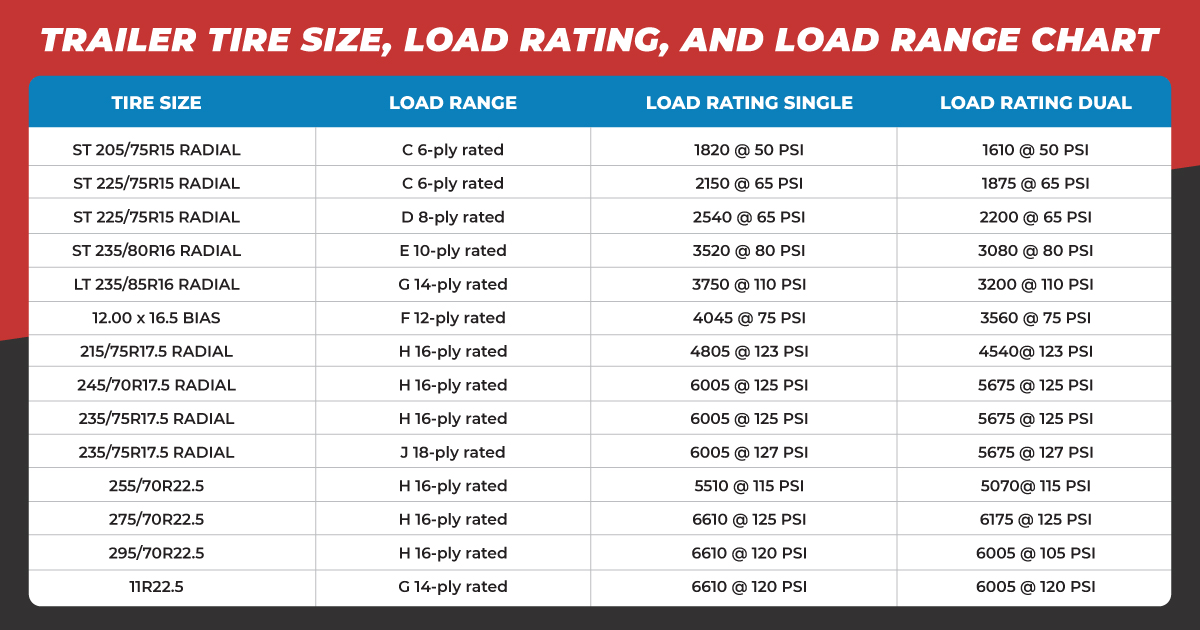
Credit: www.tires-easy.com