When it comes to picking the right tires for your car, most people think only about price or brand. But the real story is much bigger. Nexen Tires and Michelin are two names you will see often, but they are not just different in cost. They also have unique histories, technologies, and strengths. If you ask tire shop workers, they often say, “Michelin is premium, Nexen is budget.” But is it really that simple?
Choosing tires can feel confusing, especially if you don’t know much about cars. The wrong choice can mean less safety, more noise, or even faster wear. In this guide, you will discover everything you need to know about Nexen Tires vs Michelin.
We will look at their backgrounds, compare their performance, show real-life examples, and answer common questions. This article is designed to be clear and practical, even if English isn’t your first language.
The History Behind Nexen And Michelin
Knowing the story behind a brand helps you understand what they stand for.
Nexen Tires
Nexen Tire started in South Korea in 1942. Back then, it was called Heung-A Tire Company. They were the first to make tires in Korea. The name “Nexen” is a mix of “next” and “century.” It shows their wish to innovate and grow. Nexen is now sold in over 140 countries. Their main focus is affordable, reliable tires for everyday drivers. They have factories in South Korea, China, and the Czech Republic.
Michelin
Michelin is much older. The company began in France in 1889. Michelin created many famous tire technologies, including the radial tire. Today, Michelin is one of the largest tire makers in the world. You can find their tires everywhere, from small cars to airplanes and racing cars. Michelin is famous for high quality, safety, and advanced technology.
Price Comparison: Budget Vs Premium
Most people want to know, “How much do these tires cost? ”
Here’s a simple comparison for a popular size (205/55R16, common for many sedans):
| Brand | Model | Average Price (USD) | Warranty |
|---|---|---|---|
| Nexen | N’Priz AH8 | $85 | 50,000 miles |
| Michelin | Primacy MXM4 | $140 | 55,000 miles |
As you see, Nexen Tires are much cheaper. Michelin costs almost twice as much. But price is only one part of the story.
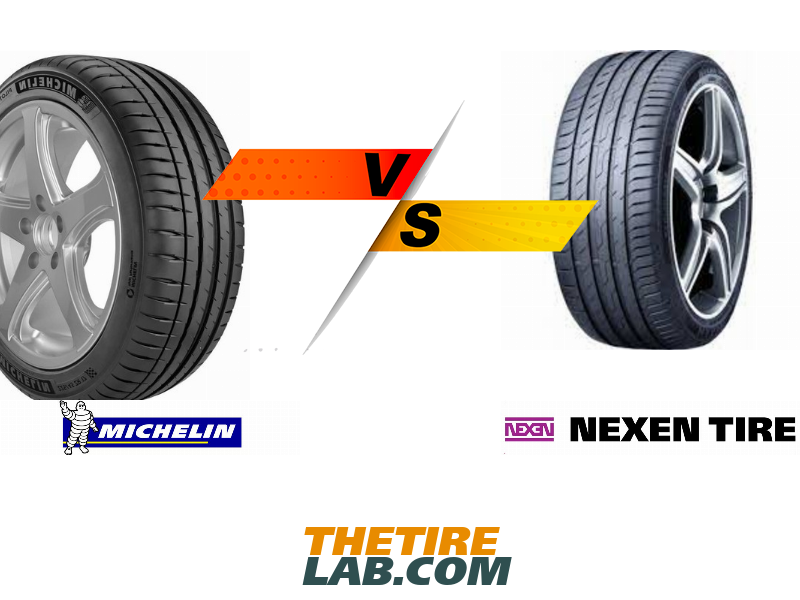
Credit: www.thetirelab.com
Performance Comparison: Real-world Differences
Tire performance means how tires behave on the road. You need to know about grip, comfort, noise, wet and dry handling, and durability.
Dry Grip
Michelin tires, especially their premium models, are known for strong dry grip. This means your car feels stable during turns, stops quickly, and handles well at high speeds. Nexen Tires also provide good dry grip, but usually not as strong as Michelin. For normal city driving, the difference is small. But on highways or sporty driving, Michelin wins.
Wet Grip
Wet roads are dangerous. Tire grip matters for safety.
Michelin uses advanced silica compounds and special tread designs to keep grip high in rain. Tests show Michelin’s wet braking distance is often 10-15% shorter than Nexen. Nexen also works on wet performance, but their tires sometimes slide a bit more in heavy rain.
Comfort And Noise
Many drivers want a quiet, smooth ride. Michelin tires use “Comfort Control Technology,” which means less vibration and lower road noise. Nexen tires are not noisy, but you may notice more bumps or road sounds, especially as they get older.
Durability And Wear
Michelin tires last longer on average. Their tread wears slowly, even under tough conditions. Nexen tires have improved over the years, but their tread may wear faster, especially if you drive aggressively. Still, Nexen offers good mileage for the price.
Fuel Efficiency
Michelin makes some models that help save fuel. Their Energy Saver line is designed to reduce rolling resistance. This means your car uses less energy to move, so you get better gas mileage. Nexen also has “eco” tires, but Michelin’s technology is more advanced.
Technology And Innovations
Both brands use modern tire-making methods, but they focus on different things.
Michelin’s Innovations
- Radial Tire: Michelin invented the radial tire, which changed the industry.
- Silica Compounds: These help with wet grip and fuel efficiency.
- Self-Sealing Tires: Some Michelin tires can seal small punctures by themselves.
- EverGrip Technology: Treads that change as they wear, keeping grip high.
Nexen’s Innovations
- 3D Tread Patterns: These help improve grip and reduce wear.
- Dual Layer Tread: Keeps performance stable as the tire wears.
- Quiet Comfort Technology: Designed to lower noise.
You may not notice these features daily, but they matter in extreme conditions.
Popular Models: What Do Most People Buy?
You might wonder which models are most common. Here are best-selling options for each brand.
| Brand | Popular Model | Type | Special Features |
|---|---|---|---|
| Nexen | N’Priz AH8 | All-season | Affordable, good grip, quiet |
| Nexen | Roadian AT Pro RA8 | All-terrain | Off-road ready, durable |
| Michelin | Primacy MXM4 | All-season | Comfort, long life, high grip |
| Michelin | Pilot Sport 4 | Performance | Sporty grip, wet/dry balance |
If you drive daily in the city, the Nexen N’Priz AH8 or Michelin Primacy MXM4 are good choices. For sporty cars, Michelin Pilot Sport 4 is famous. Nexen Roadian AT Pro RA8 is popular for SUVs and pickups.
Warranty And Customer Support
Warranty means how much the company trusts its product.
- Nexen Tires: Most models offer 45,000–50,000 miles warranty. They also have “Road Hazard” coverage, which helps if you hit something and damage the tire.
- Michelin: Warranties are usually 50,000–80,000 miles, depending on the model. Michelin also offers 30-day “satisfaction guarantee.” If you don’t like the tire, you can return it.
When you buy tires, check the warranty details. Sometimes, a cheaper tire with a short warranty costs more in the long run.
Safety: Which Tire Is Safer?
Safety is not just about price or brand. It is about how the tire handles in bad weather, sudden stops, or emergency turns.
Michelin tires are often rated highest for safety. Tests show they stop faster and keep grip better in wet or dry conditions. Nexen Tires are safe for normal driving, but in extreme situations, Michelin usually performs better.
One thing beginners miss: tire safety depends not just on the brand, but also on tire maintenance. Even the best tire is unsafe if it’s old or under-inflated.
Value For Money: What Do You Get?
Let’s look at the total value, not just price.
- Nexen Tires: Low upfront cost, decent performance, reliable for city and light highway use. Good for drivers on a budget or who change tires often.
- Michelin: High upfront cost, excellent performance, longer life, better safety, and comfort. Good for drivers who keep cars longer, drive a lot, or want premium quality.
If you drive mostly in the city, Nexen may be enough. If you travel long distances or want the best, Michelin is worth the extra money.

Credit: www.discountedwheelwarehouse.com
Real-life Examples: Drivers Share Their Experience
It helps to hear from people who use these tires.
Nexen Tires Reviews
- “I put Nexen N’Priz on my Honda Civic. They were quiet and good for city driving. After 25,000 miles, they still had good tread. But I noticed they got noisier as they aged.”
- “On my SUV, Nexen Roadian AT Pro RA8 handled mud and gravel well. They were cheaper than other brands but lasted about 40,000 miles.”
Michelin Reviews
- “Michelin Primacy MXM4 made my Toyota Camry ride smoother. Even after 40,000 miles, the tread looked great. The tires felt safe in heavy rain.”
- “On my BMW, Michelin Pilot Sport 4 gave great grip in all weather. They cost more, but the performance was much higher than budget brands.”
Many drivers say Nexen is good for saving money, while Michelin is best if you want top performance.
Environmental Impact: Green Tire Technology
More people care about eco-friendly tires. Both brands have made progress here.
Michelin’s Green Approach
Michelin uses eco-friendly materials and designs tires to last longer. This means fewer tires end up in landfills. Their “Energy Saver” line helps lower fuel use and CO2 emissions.
Nexen’s Efforts
Nexen has “Green Tire” projects. They work on using less energy and raw materials in production. Their tires are recyclable, and some models help improve fuel efficiency.
If you want the greenest option, Michelin leads, but Nexen is improving fast.
Testing Results: What Do Independent Tests Show?
Let’s look at real test numbers. In tire tests by Consumer Reports, Michelin often ranks in the top 5 for all-season and performance tires. Nexen ranks mid-table, usually in the top 20.
Here’s a summary of 2023 all-season tire test results:
| Brand | Wet Braking (ft) | Dry Braking (ft) | Noise (dB) | Ride Comfort |
|---|---|---|---|---|
| Michelin | 125 | 105 | 67 | Excellent |
| Nexen | 138 | 112 | 69 | Good |
These numbers show Michelin stops faster and is a bit quieter. Nexen is still safe and comfortable, but not as strong in extreme tests.
Tire Selection: How To Choose Between Nexen And Michelin
Picking the right tire depends on your needs.
Consider These Factors
- Budget: If money is tight, Nexen is a solid choice. If you can spend more, Michelin is better.
- Driving Style: For city driving, Nexen works well. For highways, fast driving, or bad weather, Michelin is safer.
- Car Type: Nexen makes good tires for sedans, SUVs, and pickups. Michelin covers everything, including sports and luxury cars.
- Mileage: If you drive a lot, Michelin lasts longer.
- Noise Sensitivity: If you hate road noise, Michelin is quieter.
Common Mistakes When Choosing Tires
- Only looking at price. Cheap tires can cost more over time.
- Not checking the tire size carefully.
- Ignoring warranty details.
- Forgetting to check reviews and ratings.
- Choosing performance tires for city driving (wastes money).
Always ask the seller about tire features and warranty. Read real user reviews, not just ads.
Maintenance Tips For Longer Tire Life
Tire quality matters, but maintenance is just as important.
- Keep tires inflated to the correct pressure.
- Rotate tires every 6,000–8,000 miles.
- Check tread depth often; replace if below 2/32 inch.
- Avoid potholes and curbs to prevent damage.
- Balance and align wheels regularly.
Even the best tires will wear quickly without proper care.
Who Should Buy Nexen Tires?
Nexen Tires are best for:
- Drivers who want to save money.
- People who drive mostly in cities or light highways.
- Those who change tires often.
- Owners of sedans, SUVs, pickups.
Nexen offers reliable, safe tires at a low price. They are a smart choice for budget-minded buyers.
Who Should Buy Michelin Tires?
Michelin is best for:
- Drivers who want the highest safety and comfort.
- People who drive long distances.
- Owners of luxury or sports cars.
- Those who keep their cars for many years.
If you value performance and safety, Michelin is worth the cost.
Expert Insight: What Tire Shops And Mechanics Say
Tire shop owners and mechanics see hundreds of cars every month. Here are some insights you won’t hear in ads.
- Michelin tires often last 10,000–20,000 miles longer than budget brands.
- Nexen has improved quality in the past 10 years; older Nexen tires wore faster.
- If you drive in snowy conditions, Michelin’s winter tires are much better.
- Nexen’s all-terrain models are popular with pickup and SUV owners for off-road use.
- Michelin’s customer support is easier to reach and solves problems faster.
Mechanics say that the best tire is the one that fits your driving style and budget. Don’t buy performance tires if you only drive slowly.

Credit: www.youtube.com
Brand Reputation: How Do People View These Companies?
- Michelin is seen as a top-tier, trustworthy brand. Many luxury car makers use Michelin as original equipment.
- Nexen is known for value and reliability. Some people think Nexen is “cheap,” but their quality has improved.
If brand reputation matters to you, Michelin is the safer choice. But Nexen is respected among budget buyers.
Where To Buy: Online And Local Options
You can buy both Nexen and Michelin tires online or at local tire shops.
- Online stores like Tire Rack, Discount Tire, and Amazon offer wide choices.
- Local shops give advice and install tires for you.
Always check for deals, warranties, and installation costs before buying.
For more details on tire technology and industry facts, you can visit Wikipedia.
Frequently Asked Questions
Are Nexen Tires Safe For Highway Driving?
Yes, Nexen Tires are safe for highways if you pick the right model and keep them maintained. For very high speeds or extreme weather, Michelin offers higher safety.
Why Are Michelin Tires More Expensive?
Michelin uses advanced technology, premium materials, and strict quality controls. Their tires last longer and perform better, which increases the cost.
How Long Do Nexen And Michelin Tires Last?
Nexen Tires usually last 40,000–50,000 miles. Michelin Tires can last 60,000–80,000 miles with proper care. Actual life depends on driving style and maintenance.
Can I Mix Nexen And Michelin Tires On My Car?
It’s not recommended to mix different brands or models. This can cause uneven handling or wear. Always use the same brand and model on each axle.
Which Brand Is Better For Winter Driving?
Michelin has special winter tires with excellent grip in snow and ice. Nexen makes winter tires, but Michelin’s are usually rated higher for safety and performance.
When you choose between Nexen Tires and Michelin, think about your budget, driving style, and what matters most to you: price, comfort, safety, or durability. Both brands have strengths, but the best tire is the one that fits your needs and keeps you safe on the road. If you follow the tips and insights above, you can make a confident choice and enjoy every mile.