When you look at the tires on your car, you might think they’re all the same. But the way a tire is built makes a huge difference in how it performs, lasts, and handles different road conditions. The most common tire types are radial tires and regular tires (also called bias-ply tires). Understanding their differences is crucial, whether you’re driving daily, racing, or running a business fleet. Many drivers don’t realize how much the right tire can improve safety, fuel efficiency, and comfort. This article will give you a clear, practical guide to help you see which type fits your needs best.
What Are Radial Tires?
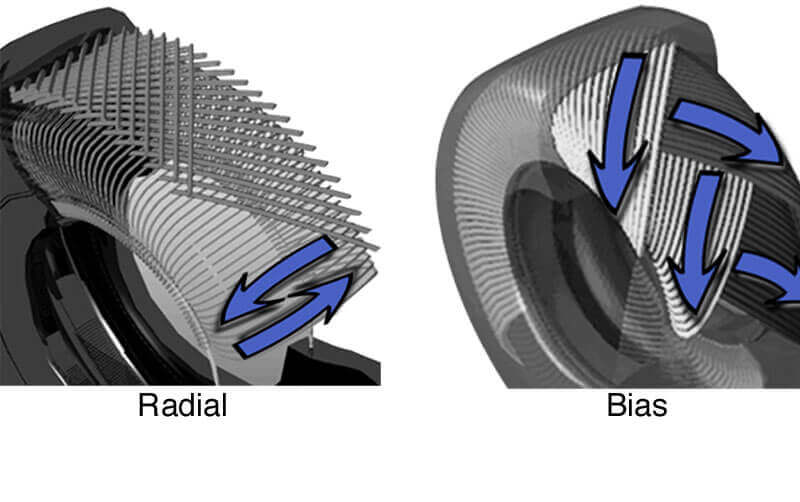
Radial tires are the most widely used tires today. Their design was first introduced in the late 1940s and quickly changed the automotive world. In a radial tire, the cords (the layers inside the tire that give it strength) run at a 90-degree angle to the direction of travel, from one bead directly across to the other.
This unique construction separates the sidewall and tread functions. The sidewalls remain flexible, which absorbs shocks from the road, while the tread stays stiff for better grip and longer life.
Key Features Of Radial Tires
- Cord arrangement: Steel belts run under the tread, giving extra strength and durability.
- Sidewall flexibility: Softer sidewalls improve ride comfort and absorb road bumps.
- Tread stability: Stiffer tread keeps more rubber on the road, increasing traction.
Why Radial Tires Changed Everything
Radial technology quickly became popular because it offered better performance in almost every area. By the 1970s, most new cars came with radial tires as standard equipment. Today, more than 90% of all passenger vehicles use radial tires.
What Are Regular (bias-ply) Tires?
Regular tires, often called bias-ply tires, use an older technology that was common before radial tires took over. In bias-ply tires, the cords are layered at angles (usually 30-40 degrees) to the direction of travel, and each layer crosses over the previous one. This creates a crisscross pattern.
Because the cords in bias-ply tires run diagonally, both the sidewall and tread move together. This makes the tire more rigid, but also less able to flex and absorb shocks.
Key Features Of Bias-ply Tires
- Cord pattern: Plies cross over each other, forming a strong but less flexible structure.
- Unified sidewall and tread: The entire tire flexes as a unit, affecting both comfort and traction.
- Heavier build: These tires are usually heavier and can handle more weight, but produce more heat.
Where Are Bias-ply Tires Still Used?
While you won’t see bias-ply tires on most new cars, they’re still found on:
- Classic and vintage cars
- Some trucks and agricultural vehicles
- Motorcycles and trailers
Some specialty vehicles use bias-ply tires for their strength and simple construction.
Credit: www.carlstargroup.com
Radial Tires Vs Regular Tires: Core Differences
The most important difference is in the way the layers (plies) are arranged inside the tire. This single change affects almost every aspect of how the tire behaves.
Here’s a direct comparison:
| Feature | Radial Tires | Bias-Ply (Regular) Tires |
|---|---|---|
| Cord Direction | 90° to direction of travel | 30-40° angle, crisscross |
| Sidewall Flexibility | High (more comfortable) | Low (stiffer ride) |
| Tread Life | Longer | Shorter |
| Heat Buildup | Less (runs cooler) | More (runs hotter) |
| Fuel Efficiency | Better | Poorer |
| Traction | Superior, especially on wet roads | Less grip |
| Cost | Higher purchase price | Lower purchase price |
| Best Use | Passenger cars, modern vehicles | Vintage cars, specialty vehicles |
Performance Comparison: On The Road
How a tire performs depends on its construction. Let’s look at real-world results.
Ride Comfort
Radial tires absorb bumps and road noise better because their sidewalls are more flexible. This is why modern cars feel smoother, especially on long drives or rough roads. Bias-ply tires, with their stiffer structure, often send more vibration into the cabin.
Handling And Stability
Radial tires give better handling, especially at higher speeds. The tread stays flat on the road during cornering, so you get better grip and control. Bias-ply tires can feel “floaty” or less precise, especially if you try to make quick turns.
Tread Wear And Longevity
Radials usually last much longer. Their tread wears evenly, giving you more miles per tire. Bias-ply tires tend to wear out faster and can develop uneven wear patterns, especially if you drive at high speeds or carry heavy loads often.
Fuel Economy
Radials roll more easily, meaning your car doesn’t have to work as hard to move. This lowers fuel consumption. With bias-ply tires, rolling resistance is higher, and you’ll notice poorer gas mileage, especially on long trips.
Heat Management
Radial tires stay cooler, even on hot days or long drives. Heat is a major factor in tire failure, so radials are safer for most modern driving. Bias-ply tires build up heat more quickly, especially when overloaded or run at high speeds.
Durability And Maintenance
Puncture Resistance
Bias-ply tires are sometimes better at resisting sidewall damage from rocks and potholes because of their layered design. This can be useful for off-road vehicles or farm equipment. However, their tread is more vulnerable to sharp objects.
Radial tires, while less tough on the sidewall, usually resist punctures better in the tread area due to strong steel belts.
Repairs
Radial tires are a bit harder to repair, especially if sidewall damage occurs. Many repair shops recommend replacing a radial tire if the sidewall is cut or punctured. Bias-ply tires can sometimes be patched more easily due to their simpler construction.
Load Carrying Capacity
Bias-ply tires are strong and can support heavy loads, which is why they’re still used for trucks, trailers, and some construction equipment. Radials can carry heavy loads too, but their main advantage is comfort and longevity, not raw strength.
Cost Considerations
It’s easy to focus on purchase price, but the total cost of ownership matters more.
- Radial tires often cost more upfront, sometimes 10-20% higher for the same size.
- Bias-ply tires are usually cheaper to buy.
But radials last longer, save fuel, and need fewer replacements. Over time, you might actually spend less with radials, especially if you drive a lot.
Here’s a quick look at potential cost differences:
| Factor | Radial Tires | Bias-Ply Tires |
|---|---|---|
| Average Mileage | 40,000–70,000 miles | 20,000–40,000 miles |
| Fuel Savings | 2–4% better efficiency | Baseline |
| Upfront Price | 10–20% higher | Lower |
| Replacement Frequency | Every 4–6 years | Every 2–3 years |
Credit: www.tireagent.com
Application: Which Tire For Which Vehicle?
Choosing between radial and bias-ply tires depends on what you drive and how you use your vehicle.
Passenger Cars
Modern cars are designed for radial tires. They offer the best balance of safety, performance, and comfort. If you drive a family sedan, SUV, or small truck, radials are the smart choice.
Classic Cars
Restoring a vintage car? Some owners prefer bias-ply tires for an authentic look and feel. However, if you plan to drive the car regularly, consider radials for better safety and comfort.
Trucks And Trailers
Heavy-duty trucks often use bias-ply tires for off-road or agricultural work, where sidewall strength matters most. But for highway driving, radials usually offer better performance and last longer.
Motorcycles
Both types are available. Radial motorcycle tires give better grip and stability at high speeds. Bias-ply tires are sometimes used on cruisers and vintage bikes.
Specialty Vehicles
Farm equipment, construction machinery, and some trailers still use bias-ply tires for their toughness. They can handle rough ground, heavy loads, and lower speeds.
Safety: What Most Drivers Miss
Many drivers think all tires are equally safe. In reality, radial tires are much safer for high-speed and wet-road driving. Their tread keeps more rubber on the road, and they channel water away better, reducing the risk of hydroplaning.
Bias-ply tires lose grip faster in sharp turns or emergency stops. Their heat buildup can cause blowouts, especially if not maintained properly.
Non-obvious insight: Tire pressure is even more important with bias-ply tires. Because they flex less, under-inflation can quickly lead to sidewall failure. Always check pressure regularly, especially before long trips or when carrying heavy loads.
Environmental Impact
Radial tires have a smaller carbon footprint over their life. They save fuel and last longer, which means fewer tires in landfills and less rubber used overall. Bias-ply tires, due to more frequent replacement and higher rolling resistance, have a higher environmental impact.
How To Choose The Right Tire For Your Needs
If you’re not sure which to buy, ask yourself:
- What do you drive? – Most modern vehicles need radials.
- How do you drive? – For daily commuting, long trips, or high speeds, radials are better.
- Where do you drive? – Off-road or rough areas may benefit from bias-ply toughness.
- What’s your budget? – Radials cost more at first, but save money long-term.
- Do you own a classic or specialty vehicle? – Bias-ply might be needed for authenticity or unique needs.
Never mix radial and bias-ply tires on the same axle. Their different handling characteristics can make your car unsafe.
Real-world Example: The Switch To Radials
When Michelin first introduced the radial tire in 1946, French automakers quickly saw the benefits—cars could drive faster, use less fuel, and needed tires replaced less often. By the 1970s, American drivers were switching in large numbers too.
A study in the early 1980s found that switching from bias-ply to radial tires improved fuel economy by about 4% and increased average tire life by nearly 50%. Those advantages made radials the default for nearly every car built since.
Common Myths About Tire Types
Many myths still confuse buyers today. Let’s clear up a few:
- “Bias-ply tires are always tougher.” Not always. Radials have tough steel belts; sidewall strength matters more for off-road use.
- “Radials are only for high speeds.” They work at all speeds and are safer on highways and in the city.
- “Bias-ply tires are best for trailers.” Depends on load and speed. Many trailer makers now recommend radials for better stability and heat resistance.
Innovations In Tire Technology
Modern tires are not just about radial or bias-ply. Many improvements are added each year.
- Run-flat tires: Can travel short distances after a puncture.
- Low rolling resistance tires: Special rubber compounds improve fuel economy even more.
- Silica-infused treads: Improve grip on wet roads.
Still, the basic choice between radial and bias-ply construction remains the biggest factor in performance.
Maintenance Tips For Both Tire Types
No matter which tire you choose, good maintenance is key.
- Check pressure monthly and before long trips.
- Rotate tires every 6,000–8,000 miles.
- Inspect for cuts, bulges, or uneven wear.
- Replace tires when tread depth is below 2/32 inch (1.6 mm).
Radial tires are sensitive to wheel alignment. If your car pulls to one side or steering feels loose, check alignment immediately.
The Future: All Roads Lead To Radials
Today, almost all new cars and trucks leave the factory with radial tires. As technology improves, radials get even better fuel economy, grip, and durability. Bias-ply tires will remain for specialty uses, but for most drivers, radials are the clear winner.
The only exceptions are collectors, off-roaders, or those with unique needs. For everyone else, the comfort, safety, and long-term savings of radials make them the smart choice.
For a deeper technical look, you can read the Wikipedia entry on radial tires.
Frequently Asked Questions
What Are The Main Differences Between Radial And Bias-ply Tires?
Radial tires have cords arranged at a 90-degree angle to the direction of travel, with steel belts under the tread. Bias-ply tires have plies that crisscross at angles, making the whole tire flex together. This difference affects comfort, durability, and performance.
Can I Mix Radial And Bias-ply Tires On My Vehicle?
No, it’s not safe. The two types handle very differently. Mixing them can make the vehicle unstable, especially in emergencies or on wet roads.
Are Radial Tires Always Better Than Bias-ply Tires?
For most passenger vehicles, yes. Radials offer better grip, comfort, and fuel efficiency. However, bias-ply tires may be better for certain trailers, farm equipment, or classic cars where sidewall strength or authenticity matters.
How Long Do Radial Tires Last Compared To Bias-ply Tires?
Radial tires typically last 40,000–70,000 miles, while bias-ply tires last 20,000–40,000 miles, depending on use and maintenance.
Do Radial Tires Need Special Care?
Not really, but they are sensitive to alignment and pressure. Regular checks and rotations help maximize their life and performance.
Choosing between radial tires and regular tires is more than a technical detail—it directly impacts your driving experience, safety, and costs over time. Understanding these differences helps you make a confident, informed choice for your vehicle and road conditions.

Credit: www.discountedwheelwarehouse.com