If you drive a Nissan Altima, you might wonder, “What psi should my tires be?” It’s a question that matters more than most people think. The right tire pressure isn’t just about smooth driving. It affects your safety, your car’s performance, how much fuel you use, and even how long your tires last. Many drivers check their oil or brakes often, but forget about tire pressure—until there’s a problem. Knowing the correct psi (pounds per square inch) for your Altima tires can save you money and prevent accidents.
Let’s break down what psi means for Nissan Altima tires, how to find the exact number for your model and year, what happens if you get it wrong, and how to keep your tires in top condition. Whether you’re a new driver or have owned your Altima for years, this guide will make sure you’re driving safer and smarter.
What Does Tire Psi Mean?
Psi stands for “pounds per square inch.” It measures the air pressure inside your tires. If your psi is too low or too high, your car won’t handle as it should. Low pressure can cause your tires to wear out faster, use more fuel, and make your car harder to control. High pressure can lead to a rough ride and increase the risk of a blowout.
Every car has a recommended psi range. For the Nissan Altima, this number is chosen by the manufacturer after testing for comfort, safety, and performance. Sticking to the right psi is important, not just for your tires but for your whole driving experience.
Recommended Tire Pressure For Nissan Altima
Most Nissan Altima models recommend a tire pressure of 32 psi (cold) for both front and rear tires. But the exact number can change based on the year, trim, and tire size. Always check your owner’s manual or the sticker inside the driver’s door jamb for your specific model. Here’s a look at common recommendations:
| Model Year | Tire Size | Recommended Psi (Front) | Recommended Psi (Rear) |
|---|---|---|---|
| 2013–2018 | 215/60R16, 215/55R17 | 32 psi | 32 psi |
| 2019–2023 | 215/60R16, 235/40R19 | 32–35 psi | 32–35 psi |
| 2024 | 215/55R17, 235/40R19 | 32 psi | 32 psi |
The number might be different for spare tires or if you use aftermarket wheels. That’s why it’s always best to check your own car’s label.
Where To Find Your Altima’s Correct Psi
You don’t have to guess your tire pressure. Nissan makes it simple to find:
- Driver’s side door jamb: Open your door and look for a sticker on the frame. It lists the recommended psi for front and rear tires.
- Owner’s manual: The tire pressure info is in the specifications or maintenance section.
- Fuel door: Some Altima models have a sticker inside the fuel door.
- Official Nissan website: You can enter your VIN or model year to get the details.
Never use the psi number printed on the tire’s sidewall. That’s the maximum pressure the tire can handle, not what’s best for your car.
Why The Right Tire Pressure Matters
Keeping your Altima’s tires at the right psi brings several benefits:
- Safety: Properly inflated tires have better grip and shorter stopping distances. Under-inflated tires can overheat, causing blowouts.
- Fuel efficiency: Low pressure creates more rolling resistance, so your engine works harder and uses more gas.
- Tire life: Over or under-inflation wears tires unevenly, meaning you’ll need replacements sooner.
- Handling: The right psi keeps your car stable, especially during turns or sudden moves.
People often focus on oil changes and ignore tires. But studies show that driving on under-inflated tires is a leading cause of tire failure on highways.
How To Check And Adjust Tire Pressure
Checking your Nissan Altima’s tire pressure is simple, but there are a few tips to get it right:
- Wait for cold tires: Check psi in the morning before driving, or at least three hours after parking. Driving heats up tires and raises the pressure.
- Use a good gauge: Digital or dial tire gauges are more accurate than the ones at gas stations.
- Find the valve stem: Remove the cap, press the gauge onto the stem, and read the number.
- Adjust the air: If the pressure is too low, add air in short bursts and check again. If it’s too high, press the pin to release air.
Some Altima models have a tire pressure monitoring system (TPMS). It will alert you if a tire drops below the recommended psi, but it’s best to check manually at least once a month.
How Temperature Affects Tire Psi
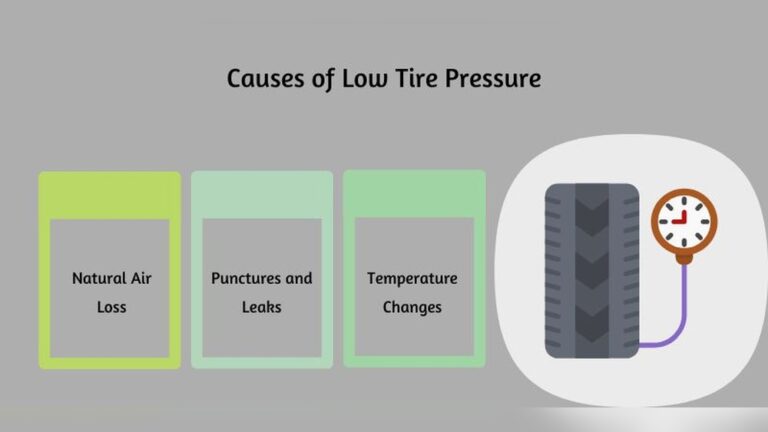
Tire pressure changes with the weather. For every 10°F drop in temperature, your tires can lose about 1 psi. So, if you check your tires in the summer and then drive in winter, you might be driving on under-inflated tires without knowing it.
It’s smart to check your psi every month, and especially after big temperature changes. In cold climates, you may need to add a little more air to keep your tires at the recommended psi.
Common Mistakes With Tire Pressure
Many Altima owners make small mistakes that can add up to big problems. Here are a few to avoid:
- Relying only on the TPMS: The warning light may not show until your psi is very low.
- Not checking the spare: A flat spare tire won’t help in an emergency.
- Using the tire’s max psi: This is not the recommended pressure for your car.
- Ignoring slow leaks: Small punctures or valve problems can cause slow air loss.
One non-obvious mistake: After a tire rotation or alignment, check your psi again. Sometimes the tires move to a spot that needs a different pressure.
What Happens If Tire Psi Is Too High Or Too Low?
Both over-inflation and under-inflation can cause problems:
| Condition | What Happens | Risks |
|---|---|---|
| Too Low | More tire flex, uneven wear on edges, poor fuel economy | Blowouts, loss of control, faster tire wear |
| Too High | Stiff ride, less tire contact, center tread wears faster | Reduced grip, longer stopping distance, risk of impact damage |
It’s safer to be a little over than under, but only by 1–2 psi. Never go far above or below what Nissan recommends.

Credit: www.greencarreports.com
How Psi Differs By Altima Model And Tire Size
Not all Altimas are the same. Tire pressure can change with:
- Model year: Older and newer Altimas may have different recommended psi.
- Tire size: Larger wheels, like the 19-inch ones on some trims, often need higher pressure.
- Load: Carrying heavy loads or many passengers? You might need a bit more air (check your manual).
Here’s a comparison of two popular Altima trims:
| Trim | Tire Size | Recommended Psi |
|---|---|---|
| S / SV (2020) | 215/60R16 | 32 psi |
| SR (2020) | 235/40R19 | 35 psi |
Always match psi to both your model and your tire size.
How Often To Check Your Altima’s Tire Pressure
Regular checks are the key to safe driving. Here’s a good routine:
- Monthly: Check all four tires and the spare.
- Before long trips: Especially if you’ll be carrying extra weight.
- After big temperature changes: Cold weather lowers psi.
- After tire service: Rotations, new tires, or repairs.
Even tires that look “fine” can be 5–10 psi under the recommended level. Don’t rely on appearance alone.
Signs Your Tire Pressure Is Wrong
You might notice some of these warning signs:
- Car feels “sluggish”: Steering is heavy or slow to respond.
- Pulling to one side: This can mean one tire is much lower than the others.
- TPMS warning light: Don’t ignore it—check your psi right away.
- Uneven tire wear: More wear on the edges means low psi; center wear means high psi.
If you’re refilling your tires more often than usual, it could mean a slow leak or valve issue.
Tire Pressure And Fuel Economy
Many drivers don’t realize how much tire psi affects fuel economy. The U.S. Department of Energy says that for every 1 psi drop in pressure, your fuel efficiency can go down by 0.2%. For a Nissan Altima, that could mean losing 1–2 miles per gallon if all four tires are under-inflated by just 5 psi.
Over a year, that’s extra money spent at the pump—and it adds up. Keeping your tires at the right psi is one of the easiest ways to save on gas.
How To Reset The Tire Pressure Warning Light
If you add air and the TPMS light stays on, try these steps:
- Drive your Altima for a few miles over 25 mph. The system often resets itself.
- Turn the ignition off, then on again.
- If the light doesn’t go away, check all tires, including the spare.
- If you still see the warning, there may be a sensor issue. Visit your dealer or a trusted mechanic.
A common overlooked tip: Sometimes, the TPMS sensor is in the spare tire as well. Make sure you check it too.
When To Seek Professional Help
Some tire issues can’t be fixed with just air. See a professional if:
- The TPMS light won’t turn off after checking and adjusting psi
- You find a nail, cut, or bulge in the tire
- You have a slow leak that keeps coming back
- You’re unsure about the correct psi for aftermarket wheels
A tire shop can also check for hidden problems, like valve stem leaks or rim damage.

Credit: www.reddit.com
Seasonal Tips For Altima Tire Pressure
- Winter: Check psi more often. Cold air reduces pressure.
- Summer: Don’t lower psi thinking it will prevent blowouts; stick to the recommended number.
- Rainy seasons: Proper psi helps prevent hydroplaning and improves traction.
If you switch to winter or summer tires, double-check the recommended psi for those specific tires. It may differ from your regular set.
Final Thoughts
Keeping your Nissan Altima’s tires at the right psi is simple, but it’s one of the most powerful ways to stay safe and save money. The recommended psi is usually 32 psi for most models, but always check your specific car’s sticker or manual. Make tire pressure checks a habit, not a chore. A few minutes each month can make your Altima safer, more efficient, and more enjoyable to drive.
For more detailed info on tire maintenance, visit the official Nissan Owners Portal.

Credit: www.youtube.com
Frequently Asked Questions
What Is The Recommended Tire Pressure For A 2022 Nissan Altima?
For the 2022 Altima, the recommended tire pressure is 32 psi for both front and rear tires on most trims. Always check the sticker in your door jamb to be sure, as some trims with larger wheels may require up to 35 psi.
Can I Use The Maximum Psi Listed On My Tire’s Sidewall?
No, the maximum psi on the sidewall is not the recommended pressure for your Nissan Altima. That number is the highest pressure the tire can safely hold, not what’s best for your car’s handling or safety.
How Often Should I Check My Nissan Altima Tire Pressure?
Check your tire pressure at least once a month and before long trips. Also check after big temperature changes, as cold weather can lower your tire pressure.
What Should I Do If My Tire Pressure Warning Light Comes On?
First, check all four tires (and the spare if equipped) with a reliable gauge. Add air if needed. If the warning light stays on after adjusting the psi, drive for a few miles. If it still doesn’t reset, visit a tire shop or your Nissan dealer.
Does Tire Pressure Affect My Fuel Economy?
Yes, low tire pressure increases rolling resistance, which means your Altima uses more fuel. Keeping your tires at the recommended psi can improve your fuel economy and save you money over time.