When it comes to buying tires, people often look for a balance between price, performance, and longevity. West Lake Tires, a brand that has grown in popularity for its affordability, often sparks the question: How long do West Lake Tires last? If you are considering these tires for your car, truck, or SUV, you want to know what to expect for mileage, lifespan, and overall value. This article explores the real-world durability of West Lake Tires, the factors that affect their life, and how they compare with other brands. You will also learn how to maximize their lifespan and spot signs of wear before they become a safety issue.
Understanding West Lake Tires
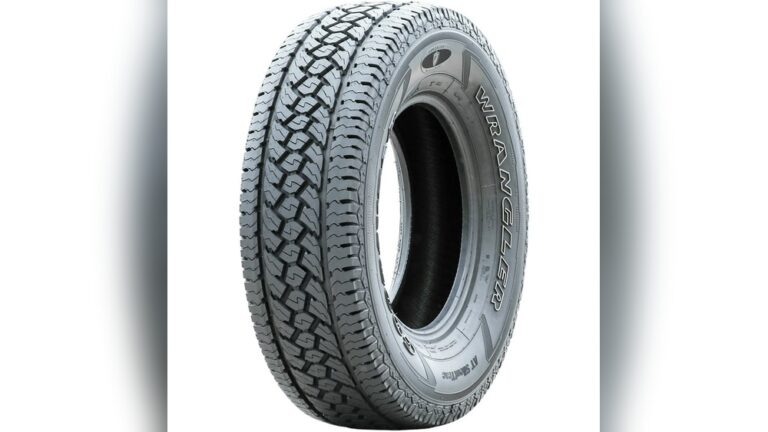
West Lake Tires is a global tire brand manufactured by Zhongce Rubber Group, one of the world’s largest tire producers. West Lake offers a range of products for passenger cars, SUVs, light trucks, and commercial vehicles. The brand is known for offering budget-friendly options with modern tread designs and solid basic performance.
Drivers choose West Lake because they combine affordability with decent quality. These tires are found in more than 160 countries, making them a common sight on many roads. But does their low price mean they wear out faster? Let’s explore what really matters when it comes to how long West Lake Tires last.
Average Lifespan Of West Lake Tires
Most West Lake passenger car tires last between 30,000 and 50,000 miles under normal driving conditions. For SUV and light truck tires, the range is often 40,000 to 60,000 miles. However, actual lifespan can differ greatly based on tire model, driving habits, road conditions, and maintenance.
Here’s a quick overview:
| Type | Expected Lifespan (Miles) | Typical Warranty |
|---|---|---|
| Passenger Car Tires | 30,000 – 50,000 | 40,000 – 50,000 miles |
| SUV/Crossover Tires | 40,000 – 60,000 | 40,000 – 50,000 miles |
| Light Truck Tires | 40,000 – 60,000 | 30,000 – 50,000 miles |
| Performance/Sport Tires | 20,000 – 40,000 | None or 30,000 miles |
These numbers are averages. Some drivers report getting less, others more. The most important thing to remember is that tire life is not only about the brand—it’s about how you use and care for your tires.

Credit: www.performanceplustire.com
Key Factors Affecting West Lake Tire Longevity
Many drivers believe that all tires wear the same way, but that’s not true. Several factors can make your West Lake Tires last longer or wear out faster:
1. Driving Habits
Aggressive acceleration, hard braking, and sharp cornering wear out tires quickly. Smooth driving extends tire life.
2. Road Conditions
Driving on rough, potholed, or gravel roads can reduce tire life. Highways and well-paved roads are easier on tires.
3. Tire Maintenance
Regular rotation, alignment, balancing, and keeping the right air pressure are essential. Neglecting these will shorten tire life.
4. Climate And Temperature
Hot climates and strong sunlight can cause tires to wear faster. Cold weather may cause cracks if tires are not rated for winter.
5. Load And Speed
Carrying heavy loads or driving at high speeds increases heat and stress, causing faster tread wear.
6. Tire Model And Tread Compound
Some West Lake models use harder compounds for longer life, others use softer rubber for better grip but shorter lifespan. Always check the specs.
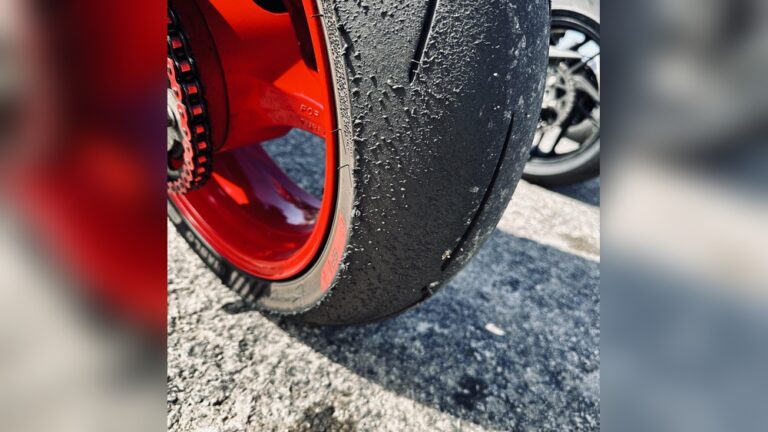
Many people miss the impact of improper tire storage. If you keep spare or seasonal tires in hot, humid, or sunny places, their rubber can harden or crack—reducing lifespan even before you mount them. Another often-overlooked factor is wheel alignment. Even small misalignments can cause uneven wear and seriously cut tire life.
Real-world Mileage: What Owners Report
While manufacturer data gives a good estimate, real-world experience is valuable. Many West Lake users report:
- Consistent mileage with other budget tire brands.
- Good performance for city and highway driving.
- Noticeable tread wear after about 30,000 miles, especially if not rotated.
- Some users say their tires last up to 50,000 miles with careful driving and maintenance.
One example is the West Lake SA07, a popular all-season tire. Owners often report 40,000–45,000 miles before tread depth gets too low. However, performance models like the West Lake Sport RS may only last 20,000–30,000 miles due to softer rubber.
Comparing West Lake To Other Tire Brands
It’s natural to wonder if West Lake Tires last as long as more expensive brands. Here’s a simple comparison:
| Brand | Typical Lifespan (Miles) | Average Price Per Tire |
|---|---|---|
| West Lake | 30,000 – 50,000 | $50 – $100 |
| Michelin | 50,000 – 80,000 | $120 – $200 |
| Goodyear | 45,000 – 75,000 | $100 – $180 |
| Hankook | 40,000 – 70,000 | $70 – $150 |
| Kumho | 35,000 – 65,000 | $60 – $130 |
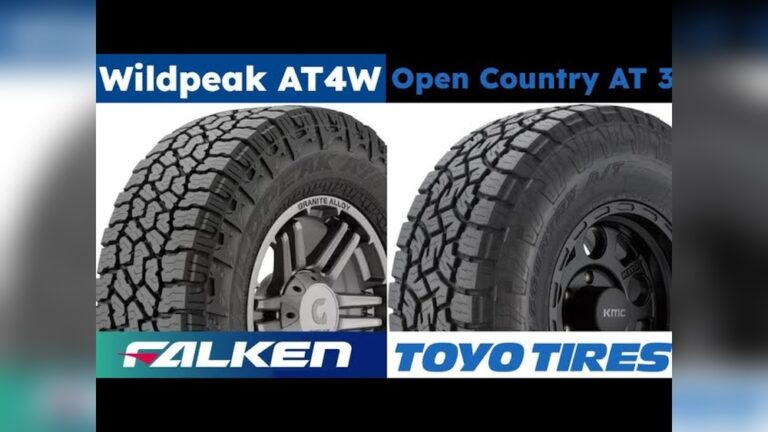
West Lake offers good value for the price but usually will not match the lifespan of premium brands like Michelin. However, when you factor in the lower cost, the value per mile can still be attractive, especially for drivers who do not put on high annual mileage.
How To Maximize The Lifespan Of West Lake Tires
Getting the most out of your West Lake Tires is not difficult, but it does require attention to a few important details:
1. Check Tire Pressure Monthly
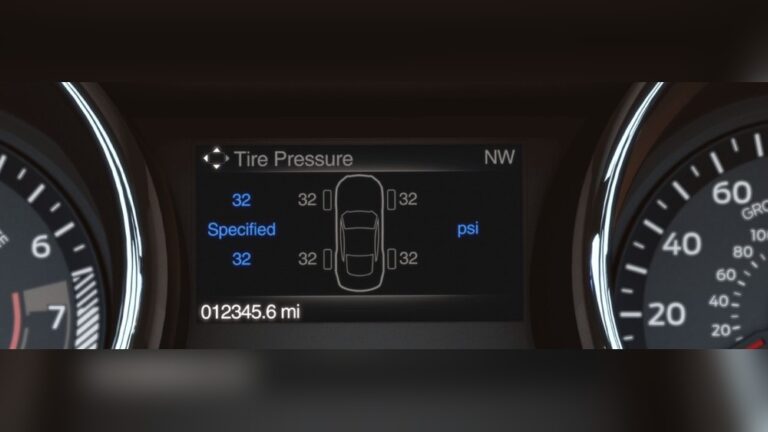
Under-inflation and over-inflation both reduce tire life. Use a reliable pressure gauge and keep them at the recommended PSI.
2. Rotate Tires Every 5,000–7,000 Miles
Rotating tires helps all four wear evenly, extending their life.
3. Inspect For Damage Regularly
Look for cuts, bulges, nails, or other damage that could reduce tire life or cause a blowout.
4. Get Wheel Alignments Annually
Misaligned wheels cause uneven wear. If your steering wheel vibrates or pulls, get an alignment check.
5. Balance Tires When Needed
Unbalanced tires wear faster and can cause vibrations.
6. Drive Smoothly
Avoid quick starts, stops, and sharp turns.
7. Avoid Overloading
Check your vehicle’s load rating and do not exceed it.
8. Clean Tires Periodically
Remove stones, debris, and road salts that can damage rubber over time.
9. Store Spare Tires Properly
Keep them in cool, dry places away from sunlight and heat sources.
Most people do not realize that skipping even one rotation cycle can cause uneven tread wear that cannot be fixed later. Another common oversight is ignoring the tire’s speed and load ratings; using tires outside their rated limits wears them out much faster.
Signs Your West Lake Tires Need Replacement
Knowing when to change your tires is important for safety and performance. Here are the main warning signs:
- Tread Depth
If tread is below 2/32 inch (1. 6 mm), replace the tire. Many tires have wear indicators to help you check.
- Cracks or Bulges
Cracks in the sidewall or rubber, or bulges, can lead to sudden failure.
- Vibration
Unusual shaking or vibration may mean a tire is out of balance or damaged.
- Noise
Increased road noise often means uneven wear or internal tire damage.
- Age
Even if tread looks good, replace tires after 6–7 years from the manufacture date. Rubber breaks down with time.
If you are unsure, have a professional inspect your tires.
Are West Lake Tires Worth It?
The answer depends on your needs and expectations. If you drive mostly in the city, do not cover high mileage each year, or want to save money, West Lake Tires can be a good choice. They deliver solid performance for the price, and many drivers are satisfied with their lifespan.
However, if you want the absolute longest-lasting tire and are willing to spend more, top brands like Michelin or Goodyear may suit you better. For most everyday drivers, West Lake offers a good balance of cost and durability.

Credit: www.tires-easy.com
Common Mistakes That Shorten Tire Life
Many drivers make simple mistakes that kill tire life, often without realizing it:
- Ignoring Tire Pressure
Driving on under-inflated or over-inflated tires is the fastest way to wear them out.
- Forgetting Rotations
This causes uneven wear, reducing overall lifespan.
- Delaying Alignment Checks
Many people only check alignment after a major repair or accident, but small misalignments add up over time.
- Mixing Tire Types
Using different brands or models on the same vehicle can create uneven wear patterns.
- Skipping Visual Checks
Small cuts or nails can lead to big problems if not caught early.
Avoiding these mistakes can easily add thousands of miles to your tire’s life.
Real-world Example: Cost Per Mile
Let’s compare two drivers for a typical car using real prices and lifespans:
| Driver | Tire Brand | Set Cost | Expected Life (Miles) | Cost Per 1,000 Miles |
|---|---|---|---|---|
| A | West Lake | $320 | 40,000 | $8.00 |
| B | Michelin | $700 | 70,000 | $10.00 |
Driver A saves money per mile, even though the tires do not last as long. For budget-focused drivers, this is an important consideration.

Credit: www.discountedwheelwarehouse.com
Frequently Asked Questions
How Do I Know When My West Lake Tires Need To Be Replaced?
Check your tires regularly for tread wear, cracks, bulges, or other damage. If the tread depth is less than 2/32 inch or you see any signs of damage, it’s time to replace them. Most tires also have built-in wear indicators in the grooves.
Are West Lake Tires Covered By A Mileage Warranty?
Many West Lake tires come with a limited treadwear warranty, usually between 40,000 and 50,000 miles for passenger models. Always check the specific model’s warranty before purchase and keep records of maintenance to ensure coverage.
Can West Lake Tires Be Used In Winter?
Some West Lake models are all-season, but not all are suitable for severe winter conditions. If you live in an area with snow or ice, look for the “M+S” (Mud and Snow) symbol or consider dedicated winter tires. Never use summer tires in winter conditions.
Do West Lake Tires Need Special Maintenance?
No special maintenance is needed—just follow standard tire care: keep the correct pressure, rotate regularly, check alignment, and inspect for damage. Good maintenance is the best way to get the most miles out of your West Lake tires.
Are West Lake Tires Safe For Highway Driving?
Yes, West Lake tires meet international safety standards and are safe for highway use if properly maintained and used within their rated speed and load limits. Always check the sidewall for your tire’s maximum ratings.
For more details on tire care and safety, visit the National Highway Traffic Safety Administration.
Choosing the right tires is important, and knowing what to expect from West Lake Tires can help you make a confident decision. With proper care, you can get reliable mileage and solid performance from this brand—often at a fraction of the price of premium competitors.
Remember, tire life is as much about how you drive and maintain them as it is about the brand you choose.