Donut Vs Spare Tire: A Complete Comparison For Drivers
Imagine you are driving on a busy road, and suddenly, you hear a loud pop. You have a flat tire. What do you do next? Most drivers will reach for their spare tire or donut tire. But are these two options the same? Which one is better for your situation? Understanding the difference between a donut and a spare tire is important—not just for emergencies, but also for your safety and peace of mind.
Many people think a donut and a spare tire are the same. In reality, they are quite different. Each has its own purpose, limitations, and advantages. This article will guide you through everything you need to know about donut vs spare tire.
You will learn their features, pros and cons, when to use them, and tips that most beginners miss. By the end, you’ll know exactly which option is best for you and your car.
What Is A Donut Tire?
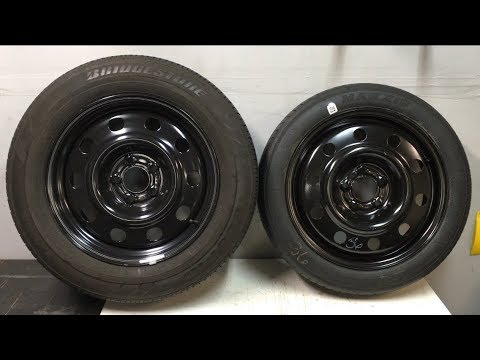
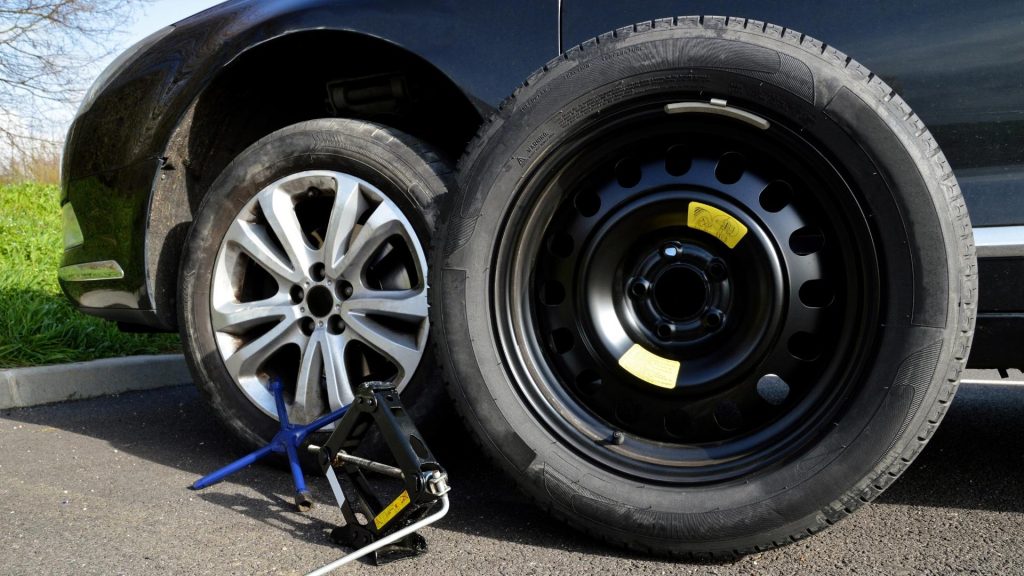
A donut tire (also called a “space saver” or “temporary spare”) is a small, lightweight tire designed for emergency use. It is much smaller and lighter than a regular tire. Most modern cars come with donuts instead of full-size spares, mainly to save space and reduce weight.
Donut tires are usually made with less durable material. They have thinner treads and less cushioning. Their main purpose is to get you to a nearby repair shop, not for long-term driving.
Donut tires are easy to spot:
- Smaller diameter than your regular tire
- Lightweight and easy to carry
- Usually marked as “temporary use only”
Most donuts are limited to 50 miles of driving and speeds up to 50 mph. If you drive faster or farther, you risk damaging the tire and your car.
What Is A Spare Tire?
A spare tire is a regular tire, often identical to the ones already on your car. Some cars, especially trucks and SUVs, still come with full-size spares. A full-size spare can be used just like any other tire on your car.
Full-size spares offer:
- Same diameter and width as your other tires
- Same tread pattern and durability
- Can be used for long distances and at normal speeds
Having a full-size spare means you can drive as usual after a flat. You don’t need to rush to a repair shop. However, full-size spares are heavier and take up more space in your trunk.
Credit: www.youtube.com
Donut Vs Spare Tire: Key Differences
To really understand how donuts and spare tires compare, let’s look at their main differences.
| Feature | Donut Tire | Spare Tire |
|---|---|---|
| Size | Small, compact | Full-size, same as original |
| Weight | Lightweight | Heavy |
| Durability | Short-term use | Long-term use |
| Speed Limit | Up to 50 mph | No limit (normal) |
| Distance Limit | Up to 50 miles | No limit |
| Storage | Easy to store | Takes more space |
| Cost | Cheaper | More expensive |
Donut tires are for emergencies and short trips. Spare tires are meant for longer use, and you can drive as usual.
Advantages Of Donut Tires
Donut tires have become popular in many modern cars. Here are the main advantages:
1. Space Saving
Donut tires are much smaller. They take up less room in your trunk. This leaves more space for luggage or groceries.
2. Lightweight
Because donuts are light, they reduce your car’s weight. This can help improve fuel efficiency slightly.
3. Easy To Install
Donut tires are easier to handle and install than full-size spares, especially for people who are not strong.
4. Cost Effective
Donuts are cheaper to make and buy. If you need a replacement, it costs less than a full-size tire.
5. Designed For Emergency Use
Donuts are made for quick, temporary fixes. They get you to safety without worrying about long-term performance.
Non-obvious Insights
Many beginners don’t realize that donuts are not suitable for all vehicles. If your car is heavy or has special features (like all-wheel drive), using a donut can cause mechanical problems. Also, donuts can make your car handle differently, especially during turns or braking.
Always drive carefully after installing a donut.
Disadvantages Of Donut Tires
Donut tires are not perfect. Here are the main downsides:
1. Limited Mileage
You should not drive more than 50 miles on a donut. The tire can wear out quickly or even fail.
2. Speed Restriction
Donuts are not safe at speeds over 50 mph. Driving faster can cause the tire to overheat or burst.
3. Reduced Handling
Because donuts are smaller, your car may feel unstable, especially during sharp turns or emergency stops.
4. Not For All Cars
Some vehicles require tires of the same size on all wheels (like many AWD cars). Using a donut can damage the drivetrain.
5. Less Protection
Donuts have thinner tread and less grip. They are more likely to slip, especially in wet or icy conditions.
Non-obvious Insights
If you use a donut, your car’s ABS and traction control systems may not work correctly. This is because the donut’s size and grip are different from your other tires. It is also easy to forget that donuts are temporary.
Many people keep driving on them for weeks, which can cause expensive damage.
Advantages Of Spare Tires (full-size)
Full-size spare tires are still common in many trucks and larger cars. Here’s why many drivers prefer them:
1. No Driving Limits
You can drive as far as you want, at normal speeds, with a full-size spare. There are no restrictions.
2. Better Handling
Your car will feel the same as before. Full-size spares match your original tires in size and tread.
3. Safer For All Conditions
You don’t have to worry about slipping or losing control, even in bad weather.
4. Protects Your Car
Using a full-size spare means your car’s mechanical systems (like ABS, AWD) work normally.
5. Easy Replacement
If you have a flat, you can swap the tire and keep driving. No need to rush to a repair shop.
Non-obvious Insights
Full-size spares can be rotated with your other tires. This helps them wear evenly and last longer. Also, having a full-size spare means you can deal with multiple flats, if needed. Some drivers in rural areas prefer full-size spares because they may be far from repair shops.
Disadvantages Of Spare Tires (full-size)
Full-size spares are not always the best choice. Here are some drawbacks:
1. Heavy And Bulky
Full-size spares are heavy. They take up a lot of space in your trunk or under your car.
2. Higher Cost
A full-size spare costs more to buy and replace than a donut.
3. Reduces Fuel Efficiency
Carrying extra weight can slightly lower your fuel efficiency.
4. May Not Fit All Cars
Many modern cars are designed for donuts. There may not be room for a full-size spare.
5. Maintenance Needed
You need to check the spare tire’s air pressure regularly. A neglected spare can be useless in an emergency.
Non-obvious Insights
Some spare tires are not identical to your original tires. For example, they may not have the same tread pattern. If you use them for a long time, your car may handle differently. Also, if you change your car’s tire size (for example, with custom wheels), your spare may no longer fit.
When Should You Use A Donut Tire?
Donut tires are meant for specific situations:
- When you have a flat tire and need to reach a nearby repair shop
- If your car is designed for donuts and does not have room for a full-size spare
- When you need a lightweight, compact solution for emergencies
Never use a donut tire:
- For long-distance driving
- At high speeds
- In bad weather (rain, snow, ice)
- If your car requires matching tires for mechanical reasons
Always install a donut on the rear axle if possible. This reduces the risk of losing control during emergency stops.
When Should You Use A Spare Tire?
Full-size spares are best when:
- You want to drive normally after a flat tire
- Your car can store a full-size spare
- You need to travel long distances or in rural areas
- Your car’s mechanical systems require matching tire sizes
Check your spare tire’s air pressure every month. Make sure it is ready when you need it.
Donut Tire Vs Spare Tire: Real-world Examples
Let’s look at how drivers use donuts and spare tires in real life.
Example 1:
Jane drives a compact sedan. She gets a flat tire on the highway. Her car has a donut tire in the trunk. She installs the donut and drives carefully to a nearby repair shop—about 20 miles away. The donut saves her from being stranded, but she knows she cannot drive much farther.
Example 2:
Tom drives an SUV. He has a full-size spare under the cargo area. After a flat, he changes the tire and continues his road trip—over 200 miles. There are no speed or distance limits. His spare matches his other tires, so his car handles normally.
Example 3:
Lisa drives a sports car with all-wheel drive. She uses a donut after a flat, but soon notices strange noises and handling problems. The donut’s size does not match her other tires, causing stress on the drivetrain. Lisa learns that her car needs matching tires and a donut is not safe.
Credit: carfromjapan.com
Donut Vs Spare Tire: Safety Concerns
Safety is the main reason to understand the difference between donuts and spare tires.
Donut tires have thinner tread and less grip. They can slide in wet or icy conditions. Because they are smaller, your car’s handling changes, especially during turns or braking. Donuts also affect your car’s safety systems—like ABS and traction control. If you drive too fast or too far, the donut can overheat and fail.
Spare tires (full-size) are safer for long-term use. They match your other tires and keep your car’s mechanical systems working. However, you must check their air pressure regularly. A flat spare is just as useless as a flat regular tire.
If you have a flat, slow down and pull over safely. Always use your hazard lights. If you use a donut, drive carefully and avoid highways if possible.
Donut Tire Vs Spare Tire: Maintenance Tips
Keeping your emergency tire in good shape is important. Here are some practical tips:
1. Check Air Pressure Monthly
Both donuts and spare tires lose air over time. Make it a habit to check their pressure at least once a month.
2. Inspect For Damage
Look for cracks, dry rot, or worn tread. Replace your emergency tire if you see any signs of wear.
3. Know Your Limits
Read your car’s manual to learn the recommended speed and distance for your donut or spare tire.
4. Rotate Full-size Spares
If you have a full-size spare, rotate it with your other tires so it wears evenly.
5. Replace Old Donuts
Donuts may expire after 6–10 years, even if unused. Rubber ages and loses strength.
6. Keep Tools Ready
Make sure your jack, lug wrench, and other tools are in good condition and easy to find.
Non-obvious Insights
Many drivers forget that spare tires need maintenance just like regular tires. Neglecting your spare can leave you stranded during an emergency. Also, check that your spare matches your car’s current tire size, especially if you have changed wheels or tires.
Donut Vs Spare Tire: Cost Comparison
Let’s look at how much it costs to buy and maintain donut tires and spare tires.
| Type | Average Price (USD) | Maintenance Cost | Replacement Frequency |
|---|---|---|---|
| Donut Tire | $50–$120 | Low | 6–10 years |
| Spare Tire (Full-Size) | $100–$300 | Medium | 5–8 years |
Donut tires are cheaper to buy and maintain. Full-size spares cost more, but they offer more flexibility and safety.
Donut Vs Spare Tire: Environmental Impact
Car manufacturers now focus on reducing weight and improving fuel efficiency. Donut tires help achieve these goals because they are lighter. Less weight means better fuel economy and lower emissions.
However, donut tires may need to be replaced more often. Their rubber is thinner and ages faster. Full-size spares last longer, but carrying extra weight may slightly increase fuel use.
If you want to reduce your environmental impact, check your car’s design and choose the best option for your needs.
Donut Vs Spare Tire: Legal And Insurance Issues
Some countries have rules about emergency tires. For example, in Europe, driving too long on a donut can lead to fines. Insurance companies may not cover damage caused by improper tire use. If you get in an accident while using a donut incorrectly, your claim may be denied.
Always follow your car’s manual and local laws. Using the right tire for emergencies protects you legally and financially.
For official guidelines, you can check Wikipedia’s spare tire page.
Donut Vs Spare Tire: Which Is Best For You?
Choosing between a donut and a spare tire depends on your car, your driving habits, and your needs.
- If you drive a small car and want to save space, a donut may be best.
- If you travel long distances or drive in rural areas, a full-size spare is safer.
- If your car has all-wheel drive or special mechanical needs, you may need a full-size spare.
- If you want the cheapest, easiest solution, donuts are more convenient.
Ask your mechanic for advice based on your car’s model and your local driving conditions.

Credit: www.reddit.com
Frequently Asked Questions
What Is The Difference Between A Donut Tire And A Spare Tire?
A donut tire is a smaller, temporary tire for emergencies. A spare tire (full-size) is identical to your regular tires and can be used for longer periods. Donuts are limited in speed and distance, while spares are not.
How Far Can I Drive On A Donut Tire?
Most donuts are designed for up to 50 miles. After this, the tire may wear out or fail. Always drive carefully and get your regular tire fixed as soon as possible.
Is It Safe To Use A Donut Tire In Bad Weather?
No, donuts have less grip and thinner tread. They can slip easily in rain, snow, or ice. Avoid driving in bad weather with a donut tire.
How Often Should I Check My Spare Tire?
Check your spare tire’s air pressure monthly. Also, inspect it for damage or signs of aging every few months. A neglected spare is useless in an emergency.
Can I Use A Spare Tire If My Car Has All-wheel Drive?
You should use a full-size spare that matches your other tires. Using a donut or mismatched tire can damage your car’s drivetrain. Always check your car’s manual for advice.
Choosing between a donut and a spare tire is an important decision. Both have their place, but understanding their limits and features will keep you safe and prepared on the road. If you pay attention to your car’s needs and keep your emergency tire in good condition, you’ll never be stranded by a flat.