When shopping for tires, you might notice some confusing codes on the sidewall. One of these is “10PR. ” At first glance, it’s not clear what this code means or why it matters. But if you drive a truck, van, or carry heavy loads, understanding this marking is important for safety and performance.
Let’s explore what 10PR means on a tire, why it matters, and how it affects your vehicle.
What Does 10pr Mean?
The code 10PR stands for 10 Ply Rating. Years ago, tire strength was directly related to the number of cotton layers, or “plies,” used to construct the tire. More plies meant a stronger tire, which could carry heavier loads. Today, most tires are made with fewer but much stronger synthetic materials. So, the “ply rating” is now a way to show load capacity, not the actual number of layers.
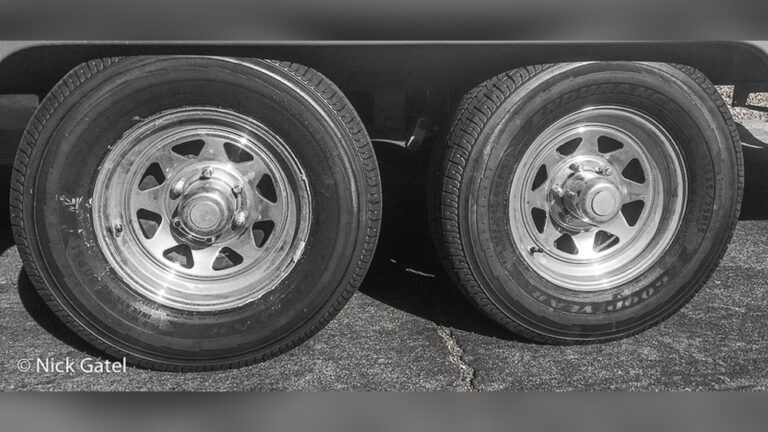
A 10PR tire is built to handle the same load as an old tire made from 10 layers of cotton. It doesn’t mean it contains 10 layers, but it matches the strength and durability of a 10-ply tire. This is important for heavy-duty vehicles, trailers, and equipment.
Why Ply Rating Matters
Ply rating tells you a lot about a tire’s strength and intended use. Here’s why it’s important:
- Load Capacity: Higher ply ratings mean the tire can carry more weight without failing.
- Durability: A higher ply rating often means thicker, tougher sidewalls, which resist cuts and punctures.
- Inflation Pressure: 10PR tires are designed for higher air pressure, which supports heavier loads.
- Safety: Using the right ply rating prevents blowouts and improves handling, especially when carrying heavy cargo.
If you put a tire with too low a ply rating on a heavy vehicle, you risk tire failure, which can be dangerous and expensive.

Credit: www.drivingline.com
How Ply Rating Has Changed Over Time
In the past, tires were made by layering cotton plies. More plies meant more strength, but also more weight and heat. Modern tires use materials like nylon, polyester, and steel belts. These materials are much stronger than cotton, so fewer plies are needed.
Now, the ply rating is a way to compare new tires to the old cotton-ply system. For example, a 10PR tire might only have 2 or 3 actual layers, but it’s built to handle the load of a 10-ply cotton tire.
Understanding Load Range And Ply Rating
You might also see a Load Range letter on tires. This works with ply rating to show strength and capacity. Here’s a comparison table for common ply ratings and their load ranges:
| Ply Rating | Load Range | Max PSI | Typical Use |
|---|---|---|---|
| 6PR | C | 50 psi | Light trucks, small trailers |
| 8PR | D | 65 psi | Medium trucks, heavier trailers |
| 10PR | E | 80 psi | Heavy-duty trucks, large trailers |
A 10PR tire usually matches Load Range E, which means it’s strong enough for heavy-duty use.
Where You’ll Find 10pr Tires
10PR tires are common on:
- Light trucks used for towing or carrying heavy loads
- Commercial vans
- Utility trailers
- Agricultural equipment
- Some off-road vehicles
If you drive a passenger car, you probably won’t need 10PR tires. But for work vehicles, trailers, or campers, 10PR might be necessary.
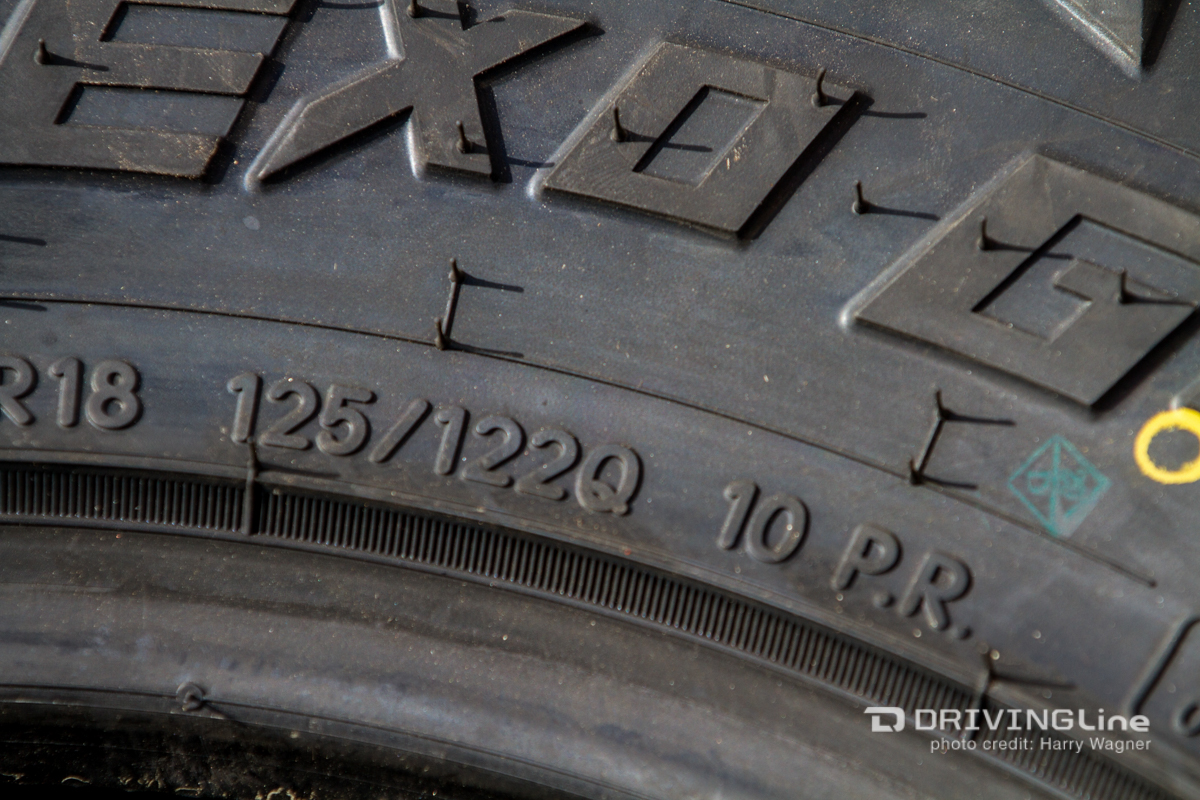
How To Read Tire Sidewall Markings
The sidewall of every tire has important codes. Here’s an example:
Lt245/75r16 10pr
- LT: Light Truck
- 245/75R16: Size (width, aspect ratio, rim diameter)
- 10PR: 10 Ply Rating
You might also see Load Range E in the same area. Both mean the tire is built for heavy loads.
10pr Tires Vs. Lower Ply Ratings
Let’s compare 10PR tires to lower ply ratings to see how they differ.
| Feature | 6PR Tire | 8PR Tire | 10PR Tire |
|---|---|---|---|
| Max Load (single tire) | Approx. 950 kg | Approx. 1200 kg | Approx. 1500 kg |
| Inflation Pressure | 50 psi | 65 psi | 80 psi |
| Sidewall Strength | Medium | Strong | Very Strong |
| Typical Use | Light loads | Medium loads | Heavy loads/towing |
10PR tires can handle more weight and higher pressure. But they may ride stiffer and cost more.
Should You Choose 10pr Tires?
Not every vehicle needs 10PR tires. Here’s when you should consider them:
- Heavy Loads: If you often carry heavy cargo or tow, 10PR tires provide needed strength and stability.
- Commercial Use: Vans, trucks, and trailers in daily work benefit from higher ply ratings.
- Rough Roads: Off-road or construction vehicles need stronger sidewalls to resist damage.
- Legal Requirements: Some vehicles, especially in fleets, must use tires with a specific ply rating.
However, 10PR tires are heavier and less flexible. They may give a rougher ride and reduce fuel efficiency for lighter vehicles. For most passenger cars, lower ply ratings are better.
How To Find The Right Ply Rating For Your Vehicle
It’s important to match your tire’s ply rating to your vehicle’s needs. Here are steps to find the right rating:
- Check your owner’s manual: Look for recommended tire sizes and load ratings.
- Look at the door placard: Most vehicles have a sticker on the driver’s door showing tire requirements.
- Consider how you use your vehicle: If you tow, haul, or go off-road, higher ply ratings might be needed.
- Ask a tire professional: If you’re unsure, a trusted dealer can recommend the right tire for your needs.
Never use a tire with a lower ply rating than what your vehicle requires. This can be unsafe and may void your warranty or insurance.
Common Myths About Ply Rating
There are a few misunderstandings about ply ratings. Here are some common myths:
- More plies always mean better tires: Not true. Higher ply ratings are only better if you need more load capacity.
- Ply rating equals number of layers: Modern tires use fewer, stronger layers. Ply rating is just a comparison to older tires.
- All 10PR tires are the same: Brands, construction, and tread patterns affect performance, even with the same rating.
- Higher ply rating improves traction: Ply rating mostly affects strength, not grip or handling.
Understanding these points helps you choose the right tire, not just the highest number.
The Difference Between Ply Rating And Load Index
Some people confuse ply rating with load index. Both relate to how much weight a tire can carry, but they’re different systems.
- Ply Rating: An older system based on cotton plies; now a way to show tire strength.
- Load Index: A number code showing the exact maximum load at a set air pressure.
For example, a tire might be marked “10PR” and “Load Index 120”. The load index gives the precise weight, while ply rating gives a general idea of strength.
Real-world Example: Using 10pr Tires
Imagine you have a pickup truck used for construction. You haul tools, gravel, and sometimes tow a trailer. You buy tires marked “10PR” and “Load Range E”. Here’s what you get:
- High load support: You can carry heavy materials without worrying about tire failure.
- Durable sidewalls: Less chance of cuts from job site debris.
- Higher air pressure: Up to 80 psi, which keeps the tire stable under heavy loads.
But, if you use this truck for family trips without heavy loads, the ride may feel stiff, and you might use more fuel.

Credit: rnrtires.com
The Cost Of 10pr Tires
10PR tires usually cost more than lower ply ratings. That’s because they use more material and are built for tougher jobs. But the extra cost can be worth it for safety and durability, especially if you carry heavy loads often.
For example, a standard light truck tire might cost $120, while a 10PR tire could cost $180. Over time, the 10PR tire may last longer if used correctly, saving money in the long run.
Maintenance Tips For 10pr Tires
To get the best performance and life from your 10PR tires, follow these tips:
- Check air pressure often: Heavy-duty tires can lose air faster, especially under load.
- Rotate tires regularly: This ensures even wear and longer life.
- Inspect for damage: Strong tires can still get cuts or punctures.
- Balance and align: Prevent uneven wear and improve handling.
- Don’t overload: Even 10PR tires have a maximum limit. Check the sidewall for the exact weight rating.
Two Insights Beginners Often Miss
- Tire Pressure Is Critical: 10PR tires need more air pressure to support heavy loads. Running them with too little air is dangerous and can cause the tire to fail, even if the ply rating is high.
- Not All 10PR Tires Are Equal: The quality of rubber, tread design, and brand reputation matter a lot. Two tires with the same rating can perform very differently, especially in wet or off-road conditions.
When You Don’t Need 10pr Tires
For most cars and SUVs, 10PR tires are overkill. They’re designed for heavy-duty work. Using them on a light vehicle can make the ride harsh, reduce comfort, and waste fuel. Always choose the ply rating that matches your vehicle and how you use it.
Credit: www.drivingline.com
Where To Learn More
If you want to dive deeper into tire ratings and construction, the Wikipedia page on tire codes has detailed explanations and charts.
Frequently Asked Questions
What Is The Main Purpose Of A 10pr Tire?
A 10PR tire is built for heavy-duty use. It supports higher loads, resists damage, and handles higher air pressures. This makes it ideal for trucks, trailers, and commercial vehicles that carry heavy cargo.
Is 10pr The Same As Load Range E?
Yes, in most cases, 10PR matches Load Range E. Both indicate a high-strength tire designed for heavy loads, usually with a maximum inflation of 80 psi. Always check the tire’s sidewall to confirm.
Can I Use 10pr Tires On My Car?
You should not use 10PR tires on regular passenger cars. They are too stiff and heavy for light vehicles, which can reduce comfort and fuel economy. Use the ply rating recommended by your car’s manufacturer.
How Do I Know If I Need 10pr Tires?
If you tow, haul heavy loads, or drive a commercial vehicle, you may need 10PR tires. Check your owner’s manual or ask a tire professional to be sure.
Does A Higher Ply Rating Improve Tire Grip?
No, ply rating affects strength and load capacity, not grip. Traction depends on tread design, rubber compound, and other factors. Choose the right ply rating for load, but look at tread type for grip.
Choosing the right tire is about more than just numbers on the sidewall. Understanding what 10PR means helps you make a safe, smart choice for your vehicle and your needs. If in doubt, always consult a tire expert. The right tire not only keeps you safe but also saves you money and trouble down the road.