How Long Do Camper Tires Last
If you enjoy traveling by camper, safety and comfort matter every mile. One critical part many travelers forget is the tires. Camper tires might look strong, but they do not last forever. Knowing how long camper tires last — and what affects their lifespan — helps you avoid sudden problems and expensive repairs.
This guide will explain the real-life lifespan of camper tires, why it varies, and how you can make your tires last longer.
What Is The Average Lifespan Of Camper Tires?
Most camper tires last 3 to 6 years or 5,000 to 12,000 miles, depending on several factors. Unlike car tires, camper tires often “age out” before their tread wears down. This is because campers are used less often and spend more time parked in one place.
Many tire manufacturers, like Goodyear and Michelin, recommend replacing camper tires every 5 to 7 years no matter how much tread is left. That’s because rubber naturally breaks down over time, especially when exposed to sunlight, heat, and moisture.
Example
Imagine you bought a new set of camper tires and only used your camper for a short trip once a year. Even if the tread looks good after five years, the tires could have hidden cracks or dry rot inside the rubber.
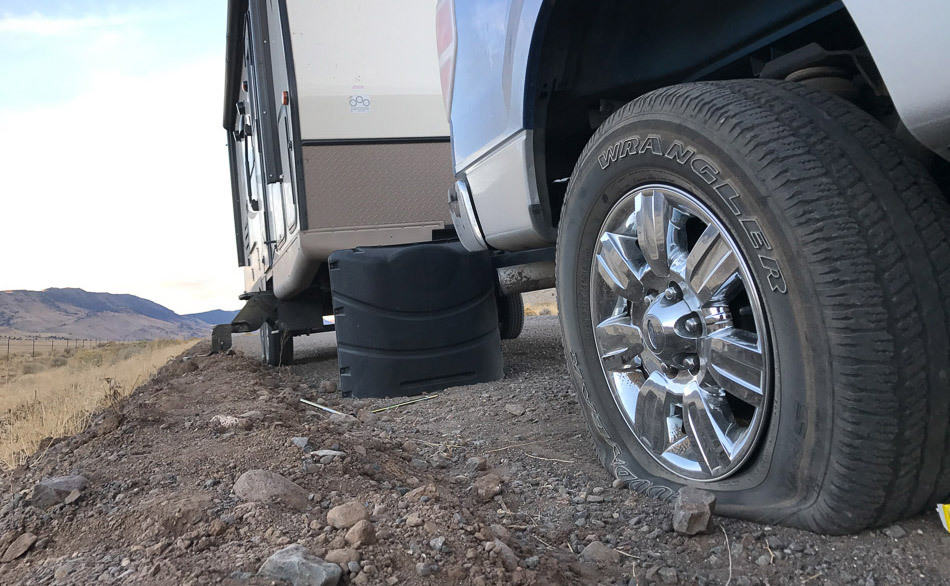
These hidden problems can cause blowouts, which are dangerous at highway speeds.
Key Factors That Affect Camper Tire Lifespan
The lifespan of your camper tires isn’t just about the number of years. Many different things speed up or slow down how quickly tires wear out or age.
1. Storage Conditions
Where and how you store your camper is one of the biggest factors. Tires kept in direct sunlight, extreme temperatures, or sitting in water degrade faster. Ultraviolet (UV) rays break down rubber, causing dry rot and cracks.
Tip: Store your camper in a garage or use tire covers to block sunlight.
2. Usage And Mileage
Tires that roll more wear out faster. But remember, camper tires often “age out” before they “wear out” from driving. However, frequent long trips, rough terrain, or high speeds will still shorten their life.
3. Load And Inflation
Overloading your camper or running tires at the wrong air pressure increases heat and stress, causing faster wear and damage. It’s common for campers to be loaded near their maximum weight limit, which puts extra strain on the tires.
4. Tire Quality And Type
Not all camper tires are the same. Special Trailer (ST) tires are designed for campers and can handle heavy loads. Cheap or mismatched tires may not last as long or perform safely.
5. Maintenance Habits
Regular checks, cleaning, and rotating tires can extend their life. Neglect speeds up aging. Skipping inspections allows small problems to become big ones.
6. Climate And Weather
Hot climates speed up rubber aging, while damp environments can cause tire rot. In cold areas, tire pressure drops more quickly.
7. Driving Habits
Sudden stops, sharp turns, or hitting curbs weaken tires. Gentle driving helps them last longer.
Signs That Your Camper Tires Need Replacing
Even if your tires look okay from a distance, certain warning signs mean it’s time for a change. Knowing these can prevent dangerous blowouts and save money in the long run.
- Cracks on the sidewall (even tiny ones)
- Bulges or bubbles
- Uneven tread wear
- Tread depth below 2/32 inch
- Visible cords or steel belts
- Vibration while driving
If you notice any of these, replace the tire immediately — don’t wait for a flat or blowout.
How To Check The Age Of Your Camper Tires
Every tire has a date code, called the DOT code, printed on its sidewall. This tells you when the tire was made.
Look for a string of numbers and letters ending with four digits. For example, a code ending in “3419” means the tire was made in the 34th week of 2019.
If your tire is older than six years, it’s best to replace it, even if it appears fine. Rubber degrades from the inside out, and problems aren’t always visible.
Camper Tire Lifespan: Real-world Examples
Here’s how different situations affect tire life:
| Scenario | Expected Tire Lifespan |
|---|---|
| Stored indoors, covered, used twice a year | Up to 7 years |
| Parked outside, no tire covers, used monthly | 3-4 years |
| Heavy loads, rough roads, frequent trips | 2-3 years |
| Well-maintained, balanced loads, careful driving | 5-6 years |
As you can see, care and use make a big difference. Even two campers with the same tires can get very different results.
How Camper Tires Differ From Car Tires
Many beginners think camper tires and car tires are the same, but that’s not true. Special Trailer (ST) tires are made for heavier loads and less flexible sidewalls. They handle the weight and sway of campers better than Passenger (P) tires or Light Truck (LT) tires.
Here’s a simple comparison:
| Tire Type | Main Use | Typical Lifespan | Key Feature |
|---|---|---|---|
| ST (Special Trailer) | Campers, trailers | 3-6 years | High load, stiffer sidewall |
| LT (Light Truck) | Pickup trucks, SUVs | 4-6 years | Good for towing, but not optimized for trailers |
| P (Passenger) | Cars, SUVs | 5-7 years | Softer ride, less load capacity |
Important: Never use car tires on your camper. They cannot handle the same weight and stress, which can cause tire failure.

Credit: tooltroopers.com
Practical Tips To Make Camper Tires Last Longer
You can’t stop tires from aging, but you can slow it down. Here are some proven ways to help your camper tires last as long as possible:
- Keep tires clean and dry. Wash off mud, salt, and chemicals after trips.
- Use tire covers. These protect against UV rays and rain when parked.
- Check tire pressure every month. Use a quality gauge and follow the manufacturer’s recommended pressure (found on the camper or in the manual).
- Balance the load. Don’t let one side of your camper carry more weight than the other.
- Move your camper occasionally. This prevents flat spots from forming where the tire touches the ground.
- Store on hard surfaces. Avoid parking on grass or dirt, which holds moisture.
- Inspect tires before every trip. Look for cracks, bulges, or damage.
- Rotate tires if possible. Some campers can have tires rotated to even out wear.
- Replace all tires at the same time. Mixing old and new tires can cause handling issues.
Common Mistakes That Shorten Tire Life
Many RV owners make simple mistakes that cost them years of safe tire use. Here’s what to avoid:
- Ignoring tire age: Just because a tire looks good doesn’t mean it’s safe.
- Overloading: Packing too much into your camper stresses the tires.
- Underinflation: Low pressure causes heat buildup, leading to blowouts.
- Skipping inspections: Hidden damage grows worse over time.
- Using car or truck tires: Only use tires rated for trailers.
How To Choose Replacement Camper Tires
When it’s time for new tires, don’t just buy the cheapest option. Here’s what really matters:
- Correct size and rating: Check your camper manual for the right size, load range, and speed rating.
- Fresh manufacturing date: Ask for tires made within the past year. Old stock tires may already be aging on the shelf.
- Brand reputation: Trusted brands often use better materials and offer warranties.
- Type: Always choose ST (Special Trailer) tires for campers.
- Warranty: Look for at least a 3-5 year warranty for peace of mind.
Camper Tire Maintenance Schedule
A regular routine keeps your tires in top shape. Here’s a simple schedule:
| Task | How Often |
|---|---|
| Check tire pressure | Monthly and before every trip |
| Visual inspection for cracks/damage | Monthly and before trips |
| Wash tires | After trips, every 2-3 months |
| Rotate tires (if possible) | Every 6,000 miles |
| Replace tires | Every 5-7 years, or sooner if damaged |
Pro tip: Keep a tire logbook. Note dates of checks, inflation, and replacements. This simple habit helps you spot patterns and avoid missed steps.
Credit: camperreport.com
Two Non-obvious Insights Most Beginners Miss
- Rubber degrades even if unused: Many new RV owners think if they store their camper most of the year, the tires will last forever. In reality, rubber ages even without rolling a mile. Oxygen, heat, and UV light break it down slowly, even in storage.
- Trailer tire failure can damage your camper: A blowout is more than just a flat. When a camper tire fails at high speed, it can rip apart fenders, break plumbing, or even cause loss of control. It’s not just a “tire problem” — it’s a risk to your whole camper.
Frequently Asked Questions
How Do I Know When My Camper Tires Need To Be Replaced?
Check the DOT date code on the tire. If it’s older than 6 years, replace it even if it looks fine. Also, look for cracks, bulges, worn tread, or any vibration while driving.
Is It Safe To Use Car Tires On A Camper?
No. Camper (ST) tires are designed for heavy loads and trailer sway. Car tires are not strong enough and can fail, risking your safety and damaging your camper.
How Can I Make My Camper Tires Last Longer?
Store your camper indoors or use tire covers, keep tires properly inflated, balance your loads, and inspect tires regularly. Move your camper sometimes to prevent flat spots.
What Is The Best Brand Of Camper Tires?
Well-known brands like Goodyear, Michelin, and Maxxis have good reputations for camper tires. Always choose a tire rated for your camper’s weight and use.
Where Can I Find More Detailed Information About Camper Tire Safety?
For in-depth safety advice and data, visit the official National Highway Traffic Safety Administration website.
Your camper tires are your first line of safety on the road. With smart care and regular checks, you can travel farther, avoid trouble, and enjoy every journey with peace of mind. Don’t guess — know your tires, and you’ll always be ready for the next adventure.

Credit: blog.campingworld.com