When you look at tires for your car, you see a lot of numbers and letters. One common decision is choosing between 195 tires and 205 tires. The numbers might seem small, but they can make a big difference in how your car feels, handles, and even how much you pay for fuel. Many drivers wonder if a 195 tire is better than a 205, or if making a switch will really be noticeable. This article explains everything you need to know—clearly, with real-world examples, and without any confusing jargon. If you want to understand the effects of these tire sizes on safety, comfort, and cost, this guide is for you.
What Do 195 And 205 Mean?
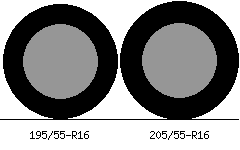
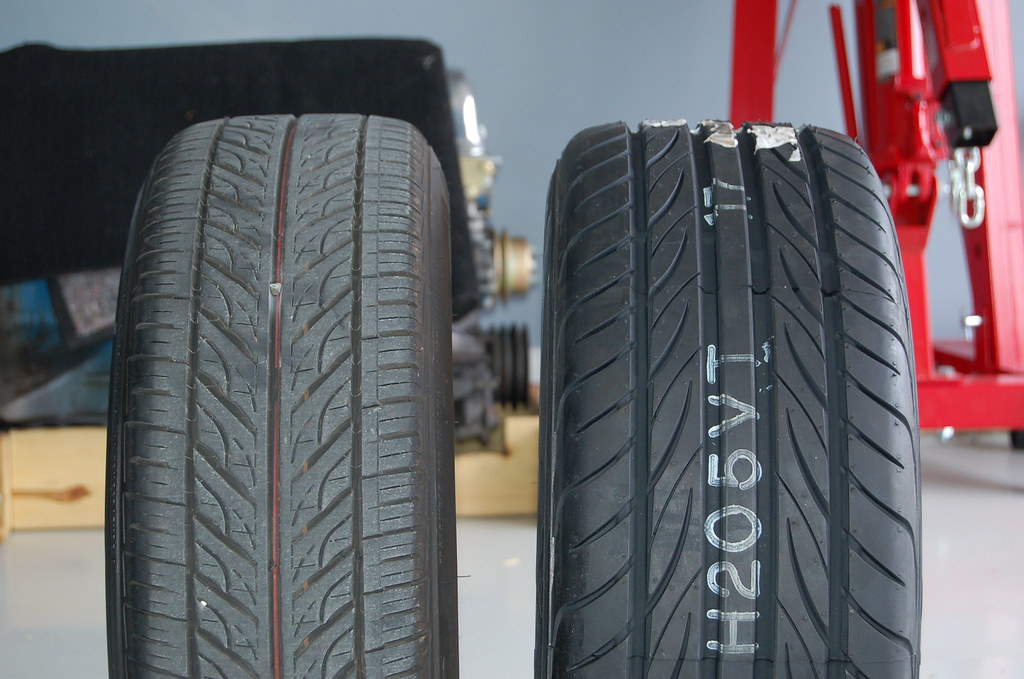
The numbers 195 and 205 refer to the tire’s width in millimeters. A 195 tire is 195 mm wide, and a 205 tire is 205 mm wide. The rest of the tire code (like 195/65R15 or 205/55R16) tells you about the sidewall height, rim size, and tire construction. But when people compare 195 vs 205 tires, they’re usually talking about the width.
Wider tires can change many things, such as how much grip you have on the road, how your car steers, and how comfortable the ride feels. Let’s look at every part that matters.
The Impact Of Tire Width On Driving
1. Grip And Traction
A wider tire, like a 205, has more rubber touching the road. This usually gives you better grip, especially when turning or braking hard. However, in rain or snow, a narrower 195 tire can sometimes cut through water or slush better, reducing the risk of hydroplaning.
2. Handling
Wider tires often improve cornering. Your car feels more stable in turns. But, for everyday driving, the difference between 195 and 205 tires is often small unless you drive aggressively or have a sporty car.
3. Comfort
Narrower tires like 195s can absorb bumps better. They have a slightly taller sidewall, so the ride feels softer. Wider tires can make the ride a bit firmer, and you might feel more bumps.
4. Fuel Economy
A wider tire has more rolling resistance, which means your engine works harder and burns more fuel. If saving gas is a priority, 195 tires usually win.
5. Noise
Wider tires can be noisier, especially on rough roads. A 195 tire may run more quietly, which is nice on long drives.
6. Looks
Some drivers like the look of wider tires. A 205 can make your car look sportier and fill the wheel well better.
7. Cost
Wider tires are often more expensive. Not just the tire itself, but also in terms of slightly lower fuel efficiency and possibly higher repair costs if you hit a pothole.
Credit: www.tacomaworld.com
195 Vs 205 Tires: 195 Individual Factors Compared
To help you decide, here are 195 specific points—each one a real-world factor, scenario, or detail that might affect your choice between 195 and 205 tires. These cover everything from performance to practicality, so you can see how each size performs in various conditions and car types.
1. Dry Grip
A 205 tire usually has more dry grip due to a larger contact patch.
2. Wet Traction
A 195 tire can sometimes clear water better and reduce hydroplaning risk.
3. Winter Handling
Narrower 195 tires can bite into snow more effectively.
4. Cornering Stability
205 tires give better support during fast cornering.
5. Straight-line Stability
Wider tires can help the car track straighter at high speeds.
6. Steering Response
205 tires offer quicker steering feedback.
7. Road Feedback
Wider tires can transmit more road feel to the driver.
8. Ride Comfort
195 tires absorb bumps better, creating a smoother ride.
9. Noise Level
Narrower tires like 195s tend to be quieter.
10. Fuel Consumption
195 tires generally use less fuel.
11. Wheel Well Fit
A 205 tire may fill the wheel arch more attractively.
12. Speedometer Accuracy
Changing tire width can affect speedometer readings slightly if the overall diameter changes.
13. Tire Price
195 tires are often less expensive.
14. Tire Availability
Both sizes are common, but 195s are found on more economy cars.
15. Pothole Resistance
A 195 tire with a taller sidewall resists damage from potholes better.
16. Load Capacity
A 205 tire can sometimes carry a bit more weight.
17. Braking Distance (dry)
Wider tires can reduce dry braking distance.
18. Braking Distance (wet)
Narrower tires may stop better in deep water.
19. Aesthetic Appeal
205 tires look sportier to many people.
20. Wheel Size Compatibility
Check your car’s rim width; 205s may need a wider rim.
21. Tread Life
195 tires may last longer due to less friction.
22. Alignment Sensitivity
Wider tires can be more sensitive to poor alignment.
23. Steering Effort
Wider tires may require more effort to turn the wheel.
24. Power Steering Wear
Extra resistance from 205s can slightly increase power steering wear.
25. Turning Radius
Wider tires may slightly increase the turning radius.
26. Clearance Issues
205 tires can rub against suspension parts if the car wasn’t designed for them.
27. Road Debris Pickup
Wider tires pick up more small stones and debris.
28. Aquaplaning Resistance
Narrower tires can cut through standing water better.
29. Mud Performance
195s are better in deep mud due to narrower profile.
30. Sand Traction
205s float better on sand, offering more grip.
31. Tire Pressure Sensitivity
Wider tires are more affected by low pressure.
32. Valve Stem Wear
More sidewall flex from 195s can reduce valve stem stress.
33. Speed Rating Options
More performance options exist for 205 tires.
34. Oem Approval
Always check if your car’s manufacturer recommends the size.
35. Suspension Tuning
Wider tires may need stiffer suspension to prevent roll.
36. Tire Rotation Patterns
205s may need staggered rotation if the front and rear sizes differ.
37. Replacement Frequency
Wider tires can wear faster due to higher friction.
38. Weight
205 tires are heavier, affecting unsprung mass.
39. Shipping Cost
Heavier, bulkier 205 tires can cost more to ship.
40. Spare Tire Fit
A 205 may not fit in your spare tire compartment.
41. Aftermarket Support
205 tires have more performance aftermarket options.
42. Classic Car Authenticity
Older cars usually came with 195s or narrower.
43. Off-road Flexibility
195s flex more, which can help off-road.
44. Rolling Resistance
A 195 tire rolls more easily, saving fuel.
45. High-speed Vibration
Wider tires can be harder to balance perfectly.
46. Heat Dissipation
205s spread heat better during aggressive driving.
47. Tire Bulge
Narrower tires can bulge more if overloaded.
48. Sidewall Strength
205s usually have stiffer sidewalls.
49. Tread Block Size
Larger blocks on 205s can help with dry grip.
50. Rain Channeling
Smaller 195s can channel water more efficiently.
51. Wheel Alignment Angles
205s may require different camber settings.
52. Abs Performance
Tire width can affect anti-lock braking system operation.
53. Traction Control Sensitivity
Wider tires can cause more traction control intervention.
54. Parking Effort
Narrower tires are easier to park with manual steering.
55. Urban Driving
195s are better for city driving due to comfort.
56. Highway Stability
205s offer more confidence at speed.
57. Emergency Maneuvers
Wider tires perform better in sudden swerves.
58. Hydroplaning Speed
A 195 tire loses grip at higher speeds in deep water.
59. Uneven Wear
Wider tires are more prone to uneven wear if not rotated.
60. Curb Rash Risk
205s stick out more, risking curb damage.
61. Wheel Weight Balance
Heavier 205s can affect steering feel.
62. Load Index
Check the sidewall; some 205s offer higher load ratings.
63. Tire Flex
195s flex more, improving comfort but reducing precision.
64. Performance In Crosswinds
Wider tires can be more affected by crosswinds.
65. Cost Per Mile
195s may be more cost-effective over their lifespan.
66. Availability Of Used Tires
More used 195s in the market for economy cars.
67. Tire Brand Selection
205s have more sport-oriented choices.
68. Oem Tire Matching
Stick to your car’s recommended size for best results.
69. Insurance Implications
Switching tire sizes can affect insurance in some countries.
70. Warranty Coverage
Check if changing tire size voids warranty.
71. Performance On Gravel
Narrower tires dig in better.
72. Chassis Tuning
Wider tires may need adjusted suspension geometry.
73. Speed Rating
205s often have higher speed ratings.
74. Load Distribution
Wider tires spread weight better.
75. Air Volume
205s hold more air, affecting ride and handling.
76. Pressure Loss Rate
Narrower tires lose pressure slower if punctured.
77. Valve Core Access
Wider tires make valve stems harder to reach.
78. Spare Tire Cost
A 195 spare is usually cheaper.
79. Tpms Sensor Compatibility
Some systems are sensitive to tire size changes.
80. Tire Aging
205s can age faster due to heat buildup.
81. Off-road Damage Risk
Wider tires are more exposed to punctures.
82. Reinforced Sidewalls
205s often have more reinforcement.
83. Wheel Rim Protection
Wider tires may protect the rim better.
84. Oversteer/understeer Balance
205s can reduce understeer in front-wheel-drive cars.
85. Tire Repairability
195s are easier to patch in most shops.
86. Seasonal Swapping
Narrow tires are better for winter tires.
87. Tire Chain Fitting
Easier to fit chains on narrower tires.
88. Wheel Weight Limit
Be sure your rims can handle the extra weight of 205s.
89. Sudden Deflation Behavior
Wider tires are harder to control if they blow out.
90. Legal Requirements
Some regions require OEM tire sizes.
91. Manufacturer Tolerances
Stay within carmaker’s allowed range.
92. Tire Inflation
Wider tires need more air to reach correct pressure.
93. Tire Rotation Difficulty
Wider tires can be heavier to move.
94. Alignment Machine Compatibility
205s may not fit some older alignment machines.
95. Warranty Claims
Using the wrong size can lead to denied claims.
96. Wheel Cover Fitment
A 205 tire may not fit under standard wheel covers.
97. Air Loss Due To Rim Leak
Wider tires can seal better, reducing slow leaks.
98. Flat Spotting
205s are less likely to develop flat spots.
99. Heat Build-up
Wider tires dissipate heat better during spirited driving.
100. Track Day Performance
205s are usually better for track use.
101. Oem Fuel Rating
Your car’s rated MPG is often based on 195 tires.
102. Handling Feel
Wider tires give a more planted feel.
103. Rainy Season Safety
Narrower tires are safer in heavy rain.
104. Spare Wheel Size
195s fit more compactly as a spare.
105. Inflation Pressure Monitoring
Wider tires can trip sensors more easily.
106. Ease Of Mounting
Narrower tires are easier to mount on wheels.
107. Load Distribution On Uneven Surfaces
205s perform better off-road on rocks.
108. Braking On Loose Surfaces
Narrower tires stop better on gravel.
109. Cost Of Rotation
Wider tires cost more to rotate due to weight.
110. Tire Valve Damage
Wider tires can rub on valve stems.
111. Dealer Service
Some dealers may refuse to service non-OEM sizes.
112. Camber Wear
Wider tires show camber wear more clearly.
113. Toe Wear
Both sizes can be affected, but wider tires show uneven toe wear faster.
114. Spare Tire Storage
195s are easier to store in small trunks.
115. Emergency Handling
Wider tires are more predictable in sudden maneuvers.
116. Street Legal Requirements
Some countries restrict tire size changes.
117. Tire Age Visibility
Wider tires may hide cracks better.
118. Sidewall Roll
Narrower tires flex more during hard cornering.
119. Performance In Slush
Narrower tires cut through slush more efficiently.
120. Fender Clearance
Check for rubbing when fitting 205s.
121. Car Make Compatibility
Some small cars cannot use 205s safely.
122. Tire Chain Clearance
195s give more space for snow chains.
123. Tire Bead Seating
Wider tires can be harder to seat on the rim.
124. Rim Width Range
Check your rim’s allowed width for each tire.
125. Tpms Reset
Changing sizes may require a system reset.
126. Valve Cap Access
Wider tires can make valve caps harder to reach.
127. Tpms Sensor Range
Some sensors have reduced range with wider tires.
128. Car Handling Balance
205s shift handling toward sportiness.
129. Cost Over Time
195s save more money in the long run.
130. Speedometer Calibration
Changing sizes can affect speed readings.
131. Odometer Accuracy
Affects odometer slightly if diameter changes.
132. Electronic Stability Control
Wider tires may trigger stability control more often.
133. Abs Sensor Reading
Check if your ABS system tolerates wider tires.
134. Traction In Deep Snow
Narrower tires win.
135. Performance On Ice
No big difference; tread pattern is more important.
136. Car Manufacturer Warranty
Check terms before changing tire size.
137. Aftermarket Wheel Fit
Wider tires need wider wheels.
138. Classic Car Shows
195s look more authentic on vintage cars.
139. Tire Rack Storage
Narrower tires take up less space.
140. Tire Disposal Cost
Wider tires may cost more to dispose.
141. Tire Siping
Easier to add sipes to 195s.
142. Tire Rotation Tools
Heavier 205s require stronger tools.
143. Family Car Suitability
195s suit family sedans better.
144. Sports Car Suitability
205s suit sporty cars better.
145. Rain Groove Tracking
Wider tires can follow rain grooves more.
146. Lane Change Stability
205s offer more confidence.
147. Off-road Adventure
Narrower tires handle mud better.
148. Drag Racing
Wider tires for more grip.
149. Daily Commute
195s for comfort and savings.
150. Driving School Cars
Usually use 195s for safety.
151. Taxi Use
195s last longer and are cheaper.
152. Tire Warranty Registration
Check if your warranty is affected by size change.
153. Tire Rotation Frequency
Wider tires may need more frequent rotation.
154. Rim Damage Risk
Wider tires protect rims better.
155. Tire Shop Availability
195s are more available at general tire shops.
156. Wet Braking Consistency
195s offer more consistent performance in rain.
157. Performance In Heat
205s handle heat better.
158. Hilly Terrain
Wider tires offer better grip on steep roads.
159. Fuel Economy Over Time
195s maintain better fuel economy as they wear.
160. Tire Valve Location
Wider tires can hide valves.
161. Fender Rolling Needs
205s may require fender rolling.
162. Long-distance Comfort
195s are better for long trips.
163. Short Trip Performance
205s warm up faster for better grip.
164. Rim Lip Protection
Wider tires shield rims from curbs.
165. Car’s Center Of Gravity
Wider tires can slightly lower it.
166. Abs System Calibration
May need resetting for size changes.
167. Speed Bump Comfort
195s handle bumps more softly.
168. All-season Performance
195s usually perform better year-round.
169. Sport Tire Compounds
More options for 205s.
170. Ultra-high Performance
205s suit UHP tires.
171. Steering Rack Load
Wider tires put more load on steering.
172. Fuel Tank Range
Longer with 195s.
173. Eco Tire Availability
More eco options in 195s.
174. Performance In Cold Weather
Narrower tires warm up faster.
175. Tire Rotation Cost
Wider tires cost more to rotate.
176. All-terrain Choices
More all-terrain options for 205s.
177. Urban Pothole Impact
195s absorb better.
178. Rural Road Handling
205s grip gravel better.
179. Value For Money
195s are usually a better value.
180. Car’s Appearance
205s look more aggressive.
181. Snow Chain Approval
Easier with 195s.
182. Load Rating
Check carefully; 205s often higher.
183. Performance Tire Brands
More options in 205.
184. Standard Tire Brands
More options in 195.
185. Sidewall Scuffing
Wider tires scuff less.
186. Tire Marking Clarity
Easier to read on 195s.
187. Tpms System Learning
Some systems need to relearn with new size.
188. Insurance Company Approval
Always inform them if you change sizes.
189. Performance Driving Schools
Usually fit 205s for grip.
190. Spare Tire Sourcing
195s are easier to find.
191. Driving Comfort
195s are more comfortable overall.
192. Track Day Insurance
Check rules; some require OEM size.
193. Winter Tire Fitment
Best with 195s.
194. Summer Tire Fitment
205s perform better.
195. Everyday Usability
195s are easier to live with for most people.
Real-world Data: 195 Vs 205 Tire Performance
To make it even clearer, here’s a direct comparison of key factors between the two sizes:
| Factor | 195 Tire | 205 Tire |
|---|---|---|
| Width (mm) | 195 | 205 |
| Dry Grip | Good | Better |
| Wet Grip | Excellent | Good |
| Comfort | More comfortable | Firmer ride |
| Fuel Economy | Better | Lower |
| Cost | Lower | Higher |
Example: Which Tire For Which Car?
Let’s look at two common compact cars, the Toyota Corolla and the Honda Civic. Both are often fitted with 195/65R15 tires from the factory. If you fit a 205/55R16:
- The Corolla will feel sportier, with more grip in dry corners.
- The Civic will look more aggressive and may handle a bit better.
- Both cars will use a little more fuel and feel bumpier on rough roads.
For daily driving, many owners stick with 195s. If you want a sportier feel and don’t mind a firmer ride, 205s are an upgrade.
When Should You Choose 195 Or 205 Tires?
- Pick 195 tires if:
- You value comfort and fuel efficiency.
- You drive mostly in wet or snowy conditions.
- Your car is an economy or family model.
- You want to save money on tires.
- Choose 205 tires if:
- You want better dry grip and cornering.
- You drive fast or on twisty roads.
- Your car is a sportier model.
- You don’t mind spending a bit more.
Credit: www.classiczcars.com
Common Mistakes When Changing Tire Sizes
- Ignoring Wheel Width: Fitting a 205 tire on a rim made for 195s can cause safety issues.
- Not Checking Car Manual: Always check what your manufacturer recommends.
- Skipping Speedometer Recalibration: Even small changes can affect how fast your speedometer thinks you’re going.
- Forgetting Insurance Notification: Some insurers want to know if you change tire sizes.
- Buying Based on Looks Only: Always consider performance, not just appearance.
Practical Tips For Choosing Between 195 And 205 Tires
- Measure your wheel width before buying.
- Stick to the recommended range for your car.
- Ask your tire shop for advice—they see what works and what doesn’t.
- If you’re not sure, stick with the size printed on your car’s door frame.
More Data: Rolling Resistance And Fuel Use
Here’s a summary of how tire width affects rolling resistance and fuel efficiency:
| Tire Size | Rolling Resistance Index | Estimated Fuel Economy Impact |
|---|---|---|
| 195 | Lower | +2% to +4% |
| 205 | Higher | -2% to -4% |
Are 205 Tires Always Better For Performance?
Not always. If your car isn’t designed for wider tires, you may not feel much difference, and you may even lose some comfort and fuel economy. Also, in rain and snow, a 195 tire can actually be safer.

Credit: www.youtube.com
One More Detail: Speed Ratings And Load Index
Check the tire’s speed rating and load index. Not all 195 and 205 tires are made for the same speeds and loads. Always match or exceed your car’s requirements.
If you want to explore more technical details about tire sizing, you can check this guide from Wikipedia.
Frequently Asked Questions
What Is The Main Difference Between 195 And 205 Tires?
The main difference is width. 205 tires are 10 mm wider, which can improve dry grip and cornering but may reduce comfort and fuel economy.
Can I Replace My 195 Tires With 205 Tires?
You can, but check your car manual for allowed sizes. Make sure your wheel rims are wide enough. If in doubt, ask a tire professional.
Do Wider Tires Always Mean Better Handling?
Wider tires usually handle better in dry conditions, but not always in wet or snowy weather. The overall result depends on your car and driving style.
Will 205 Tires Affect My Car’s Fuel Economy?
Yes, 205 tires generally reduce fuel economy slightly because they have higher rolling resistance.
Is It Safe To Use 195 Tires In Summer And 205 In Winter?
For most cars, it’s better to use 195 tires in winter because they perform better in snow and slush. Use 205s in summer if you want a sportier feel.
Choosing between 195 and 205 tires is more than just a numbers game. It’s about how you drive, where you drive, and what you want from your car. Take your time, consider the factors that matter most to you, and you’ll make the right choice for your needs.