Many people see different codes and letters on their car tires. One common marking is “MT. ” You might wonder what this means and how it affects your driving experience. Understanding tire markings is not just for mechanics or car enthusiasts—every driver can benefit.
Knowing what “MT” stands for can help you choose the right tires for your needs and avoid costly mistakes.
What Does Mt Mean On A Tire?
The letters “MT” on a tire stand for Mud Terrain. This marking shows that the tire is designed to handle off-road conditions, especially muddy, rocky, or loose surfaces. Mud Terrain tires are made for vehicles that often leave paved roads, such as trucks, SUVs, and 4×4 vehicles. They have special features to give better grip and control in rough environments.
But the meaning of “MT” goes beyond just “mud. ” These tires are built with specific materials, tread patterns, and sidewall designs to survive the challenges of tough landscapes. If you drive mostly in the city or on highways, you might not need MT tires.
However, if your journeys take you off the beaten path, MT tires could make a big difference in safety and performance.
Mud Terrain Tires Vs. Other Tire Types
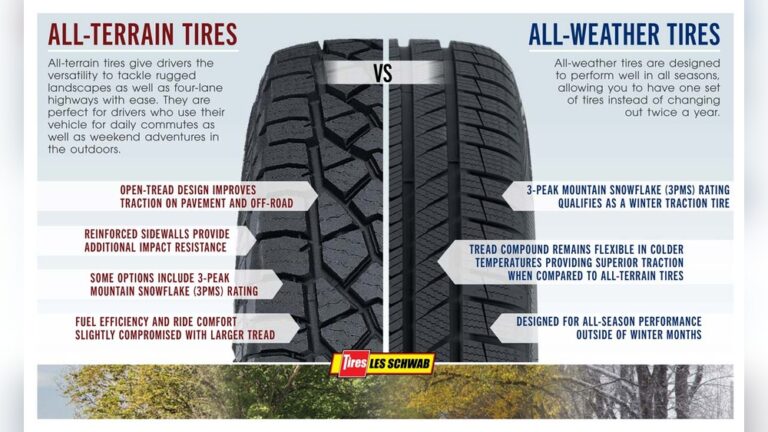
When shopping for tires, you may also see other codes like “AT” and “HT. ” Understanding the differences can help you make a smarter choice.
| Tire Type | Best For | Main Features | Drawbacks |
|---|---|---|---|
| MT (Mud Terrain) | Off-road, mud, rocks, loose dirt | Deep tread, strong sidewalls, self-cleaning | Noisy, less comfort, faster wear on roads |
| AT (All Terrain) | Mix of on and off-road | Balanced tread, quieter, longer life | Not as strong in extreme off-road |
| HT (Highway Terrain) | Paved roads, highways | Smooth ride, fuel efficient, quiet | Poor grip off-road |
For example, if you drive mainly on city streets but sometimes go camping, All Terrain (AT) tires are usually better than MT. But if your work or hobbies often take you through mud, sand, or rocks, Mud Terrain tires are worth the investment.

Credit: www.ebay.com
Key Features Of Mt (mud Terrain) Tires
Aggressive Tread Pattern
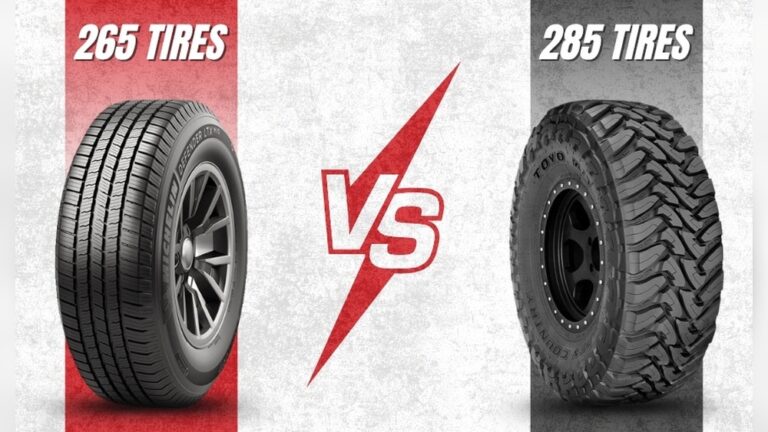
One look at an MT tire and you will notice the deep, wide tread blocks. These patterns are designed to push away mud and dirt, giving your vehicle better grip. The spaces between the tread help the tire “self-clean” by throwing out mud that could get stuck.
Reinforced Sidewalls
MT tires usually have thicker sidewalls compared to regular tires. This makes them stronger against sharp rocks, tree roots, or other hazards you find off-road. Strong sidewalls also help when you need to lower tire pressure for better traction.
Self-cleaning Ability
A big problem with off-roading is mud sticking to your tires. MT tires are designed to throw off mud as they spin, so you keep your grip. This “self-cleaning” feature is a huge advantage in sticky conditions.
Durability
Mud Terrain tires are made with tougher rubber compounds. This helps them resist cuts, punctures, and wear. However, this also means they may be heavier and less fuel-efficient than standard tires.
Noise And Comfort
One downside of MT tires is that they are often noisy on paved roads. The aggressive tread can cause a humming sound at higher speeds. The ride might also feel rougher compared to highway tires.
When Should You Choose Mt Tires?
Not every driver needs Mud Terrain tires. They are best for:
- People who drive off-road regularly: If you spend time on muddy trails, rocky paths, or construction sites, MT tires give you more grip and safety.
- Overlanders and adventure travelers: For long trips into remote areas, these tires are reliable even in harsh conditions.
- Work vehicles: Trucks used for forestry, mining, or farm work often need the toughness of MT tires.
If you mostly drive on paved roads or highways, you will not use the full benefits of MT tires. In fact, you may find them loud, uncomfortable, and wearing out faster than other types.
Advantages Of Mt Tires
- Superior traction on mud, sand, and loose surfaces
- Strong resistance to punctures and cuts
- Better performance in extreme off-road conditions
- Self-cleaning tread keeps grip consistent
These advantages are why many off-road clubs and professionals choose MT tires for their vehicles.
Disadvantages Of Mt Tires
- Noisy and less comfortable on highways
- Shorter lifespan if used mostly on paved roads
- Lower fuel efficiency due to heavy construction
- More expensive than standard tires
A common mistake is using MT tires for daily city driving. They wear out quickly and make the ride less enjoyable.
How To Read Tire Markings Including Mt
Tire sidewalls have a lot of information. Along with “MT,” you will see other numbers and letters. For example: LT265/75R16 MT.
- LT means Light Truck (tire type)
- 265 is the tire width in millimeters
- 75 is the aspect ratio (height as a percent of width)
- R stands for Radial construction
- 16 is the rim diameter in inches
- MT shows it is a Mud Terrain tire
If you see “AT” or “HT,” those indicate All Terrain or Highway Terrain, respectively.
Real-world Example: Mt Tire In Action
Imagine a pickup truck used in a rural area with muddy roads and steep hills. In the rainy season, standard tires can slip and get stuck. With MT tires, the deep tread grips the mud, and the reinforced sidewalls protect against sharp rocks.
The driver can reach remote farms safely, even after heavy rain.
Another example: Off-road enthusiasts often lower their MT tire pressure to increase the contact area with the ground. This “airing down” helps the tire mold over obstacles and improves grip—a trick that does not work well with regular tires.
Mt Tires And Weather Performance
Many people ask if MT tires are good in snow or rain. The answer is mixed.
- In mud and loose snow, MT tires perform well because of the open tread.
- In packed snow or ice, they can lose grip because the tread blocks are not designed to “bite” into hard, slippery surfaces.
- In wet weather on paved roads, water can collect in the large tread gaps, sometimes increasing stopping distances.
For winter driving on icy roads, dedicated winter tires are usually a better choice.
Mt Tires And Fuel Economy
Because MT tires are heavier and have more rolling resistance, they often lower fuel economy by 2–5% compared to highway tires. If you drive long distances on highways, this can add up. Some drivers accept this trade-off for the benefits off-road, but it’s important to consider your typical driving patterns.

Credit: rbptires.com
Cost And Value Of Mt Tires
Mud Terrain tires usually cost more than standard tires. Prices can range from $150 to $400 per tire, depending on size and brand. The extra cost comes from the stronger materials and special design. For people who need off-road performance, the value is clear.
But for city drivers, the cost is usually not justified.
How To Maintain Mt Tires
To get the most life out of your MT tires:
- Rotate tires every 5,000–8,000 miles to ensure even wear.
- Check air pressure often, especially after off-roading.
- Inspect for cuts or punctures after trips in rough terrain.
- Clean mud and stones from the treads to maintain grip.
Regular maintenance can extend the life of your tires and keep your vehicle safe.

Credit: www.youtube.com
Comparing Popular Mt Tires
There are many brands and models of Mud Terrain tires. Here is a quick comparison of some popular options:
| Brand & Model | Tread Depth (mm) | Average Price (USD) | User Rating (/5) |
|---|---|---|---|
| BFGoodrich Mud-Terrain T/A KM3 | 18 | 320 | 4.7 |
| Goodyear Wrangler MT/R | 17 | 290 | 4.5 |
| Cooper Discoverer STT Pro | 17.5 | 260 | 4.6 |
| Toyo Open Country M/T | 19 | 340 | 4.4 |
These numbers show that higher tread depth usually means better grip in mud, but also a higher price.
Common Mistakes When Choosing Mt Tires
Many beginners make these errors:
- Choosing MT tires for looks only. While they look tough, you might not need their features unless you drive off-road often.
- Ignoring road noise. The “hum” on highways can be tiring on long trips.
- Not considering tire size. Bigger MT tires may require changes to your suspension or speedometer.
- Not checking local laws. Some areas restrict certain off-road tires on public roads.
Before buying, always think about your real driving needs and ask for expert advice.
Tips For First-time Mt Tire Users
- Start with a well-known brand for better quality and warranty support.
- Test drive on both paved and unpaved roads to understand the noise and feel.
- Learn how to check for damage, as off-road use can hide small cuts or punctures.
- Consider keeping a portable air compressor if you need to adjust tire pressure for off-roading.
These steps help you stay safe and get the best performance from your Mud Terrain tires.
Environmental Impact Of Mt Tires
MT tires can have a higher environmental impact than standard tires. Their heavier weight and tougher rubber require more resources to produce. They also create more road noise, which can disturb wildlife in quiet areas. If you care about eco-friendliness, use MT tires only when necessary and recycle old tires properly.
For more details on tire markings and standards, you can check the Wikipedia tire code guide.
Frequently Asked Questions
What Vehicles Should Use Mt Tires?
Mud Terrain tires are best for trucks, SUVs, and 4x4s that are driven off-road often. They are not recommended for small cars or vehicles used mainly on highways.
Do Mt Tires Work Well In Snow?
MT tires do well in deep, loose snow, but they are not ideal for icy or packed snow. For winter driving on roads, winter tires are safer.
Are Mt Tires Legal For Highway Use?
Most MT tires are legal for road use, but always check local laws. Some areas have noise or tread regulations for public roads.
How Long Do Mt Tires Last?
MT tires usually last 30,000–40,000 miles if used mostly off-road. If used on highways, they may wear out faster due to the soft, aggressive tread.
Can I Mix Mt Tires With Other Types?
It is not recommended. Mixing tire types can cause handling problems and reduce safety, especially in wet or off-road conditions.
In summary, “MT” on a tire means Mud Terrain, a design built for tough, off-road adventures. They are strong, durable, and offer great grip in mud, but they have some drawbacks for city use. By understanding what MT means and how these tires work, you can make better decisions for your vehicle and your safety.