When you’re shopping for new tires, you’ll often see numbers like 275 or 285 in their size codes. These numbers are not just random—they have a big impact on your driving experience, safety, and even your wallet. Many drivers wonder about the difference between 275 vs 285 tires. Is the change worth it? Will your car handle differently? Can you just swap them out, or is there more to consider?
Let’s dig deep into the practical, technical, and real-world differences between 275 and 285 tires. Whether you drive a truck, SUV, or sporty car, this guide will help you understand how each size performs, what to expect on the road, and how to choose the best fit for your needs.
What Do 275 And 285 Mean In Tire Sizes?
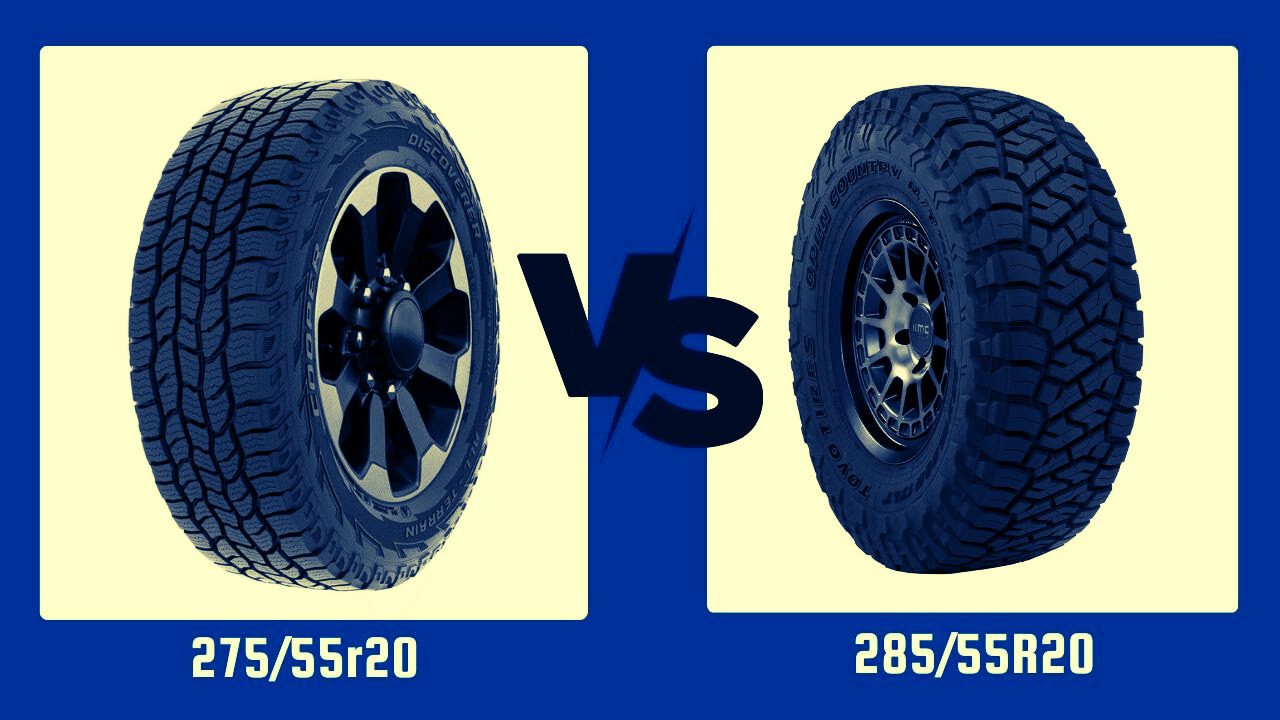
When you see a tire labeled as 275/70R18 or 285/65R17, the first number (275 or 285) refers to the tire’s width in millimeters. So, a 275 tire is 275 millimeters wide, while a 285 tire is 285 millimeters wide. That’s a 10mm difference, which may seem small, but it can make a noticeable impact in several ways.
The other numbers and letters in the code indicate the tire’s aspect ratio (sidewall height as a percentage of width), construction type (R for radial), and the diameter of the wheel in inches. But for this article, our focus is on the difference that 10mm of width can make.
Why Tire Width Matters
A wider tire, like the 285, means more rubber on the road. This can improve grip, especially in dry conditions. However, tire width also affects handling, fuel efficiency, ride comfort, and even the look of your vehicle.
Here’s how:
- Traction: Wider tires can provide better grip, especially during acceleration and cornering.
- Fuel Economy: More width means more rolling resistance, which can lower your miles per gallon.
- Ride Comfort: Wider tires may feel stiffer and transmit more road bumps.
- Clearance: A wider tire might rub against your car’s suspension or fender if there isn’t enough room.
Many beginners miss that a small width change often requires checking for compatibility with wheels and the car itself. Sometimes, a wider tire demands a wider wheel, and your car’s electronics (like ABS or traction control) might need recalibration.
Comparing 275 Vs 285 Tires: Key Differences
Let’s break down the main differences in detail.
1. Tire Width
- 275: 275mm wide
- 285: 285mm wide
That’s a 10mm (about 0. 4 inch) increase. While it sounds minor, it can influence performance, especially on larger vehicles like trucks and SUVs.
2. Handling And Performance
- 285 tires usually offer better lateral grip and stability during fast cornering. They can make a vehicle feel more planted, especially in dry conditions.
- 275 tires might feel slightly lighter and more responsive, especially for daily driving or commuting.
3. Traction (dry And Wet)
- Dry roads: The 285 wins with a bigger contact patch.
- Wet roads: Wider tires can sometimes hydroplane more easily, as they have to push more water aside. The tread pattern and rubber compound also play a big role here.
4. Fuel Efficiency
- 275 tires generally offer better fuel economy, thanks to less rolling resistance.
- 285 tires may reduce your MPG slightly, especially in city driving.
5. Ride Comfort
- The extra width of 285 tires can make the ride a bit firmer, especially if you’re using low-profile tires. On rough roads, you might notice more bumps.
- 275 tires may absorb road imperfections better, making for a smoother ride.
6. Appearance And Stance
- 285 tires give a more aggressive, wider stance. This is popular with off-roaders and people who want their truck or SUV to look tougher.
- 275 tires look closer to factory standards—sleek but not as bold.
7. Compatibility And Fitment
A very common mistake is not checking if your wheels can handle a wider tire. Some wheels are too narrow or have the wrong offset, leading to rubbing or poor handling.
- 285 tires often require wheels at least 8.5 inches wide.
- 275 tires can work on slightly narrower wheels.
Check your car’s manual or ask a professional before changing sizes.
8. Cost
- 285 tires are usually a bit more expensive, both to buy and to replace.
- Insurance and registration costs rarely change, but always check local rules.
Technical Comparison: 275 Vs 285 Tires
Let’s look at a real-world technical comparison between 275/70R18 and 285/70R18 tires.
| Feature | 275/70R18 | 285/70R18 |
|---|---|---|
| Width (mm) | 275 | 285 |
| Section Height (mm) | 192.5 | 199.5 |
| Diameter (inches) | 33.16 | 33.71 |
| Circumference (inches) | 104.22 | 105.90 |
| Revs per mile | 608 | 598 |
Key Insights:
- 285 tires are not only wider, but also slightly taller.
- Your speedometer may read a bit lower with 285s, since they cover more ground per revolution.
- A taller tire can affect gearing, acceleration, and even towing power.
Real-world Examples: When To Choose 275 Or 285 Tires
Daily Commuting
If you mostly drive on city streets or highways, 275 tires are usually the better choice. They offer good grip, smoother ride, and better fuel economy. For sedans or smaller SUVs, the benefits of going wider are often minimal.
Off-roading
For off-road enthusiasts, 285 tires can be a game-changer. The extra width gives more grip on loose surfaces (mud, sand, rocks), and they look much more aggressive. However, you should check for enough wheel well clearance, especially if your vehicle is not lifted.
Towing And Hauling
If you regularly tow or carry heavy loads, wider tires like the 285 can offer more stability. They help distribute weight better, reducing sway and improving control. But, you may need to re-gear your differential if the tires are also taller than stock.
Performance Cars
For sports cars, a wider tire can mean more grip, but only if the car’s suspension and wheels are designed for it. Sometimes, too much width can slow down steering response or even rub against the wheel well.
All-season And Winter Use
Wider tires are not always better in snow. 275 tires may perform better because they cut through snow and slush, rather than floating on top. For severe winter weather, narrower tires with the right tread are often safer.
How Tire Size Affects Speedometer And Odometer
Many drivers miss this: when you change your tire size, you change how far your car travels with each rotation. This can make your speedometer and odometer inaccurate.
- If you switch from 275 to 285 (especially with a taller aspect ratio), your speedometer may show a lower speed than you’re actually traveling.
- Most mechanics can recalibrate your system if needed.
Impact On Suspension And Wheel Wells
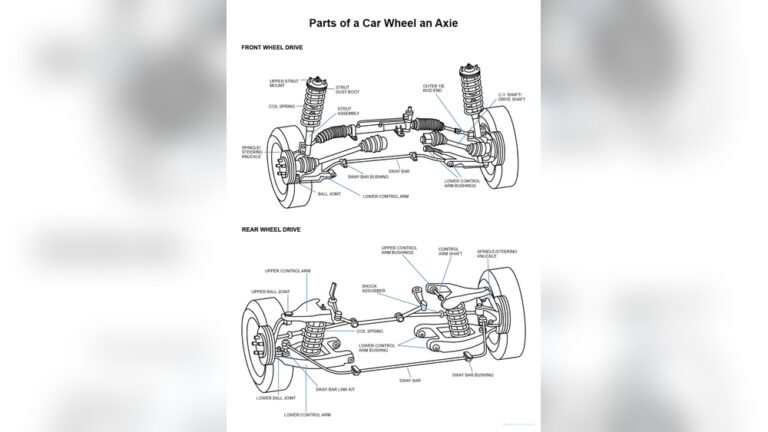
A wider tire needs more space. If your vehicle’s suspension is close to the tire, a 285 may rub during turns or when hitting bumps. This is a common issue on trucks and SUVs that haven’t been modified.
Non-obvious tip: Always check the offset and backspacing of your wheels. Even if the tire fits, the wrong wheel can cause problems.
Legal And Insurance Considerations
Some areas have rules about how far your tires can stick out from the fenders. If your 285 tires extend past the bodywork, you could get a ticket or fail inspection.
Insurance companies rarely care about tire size, but if you’re in an accident and your tires are way off from factory specs, they might ask questions.
Credit: www.tireryder.com
Common Mistakes When Switching Tire Sizes
- Ignoring Wheel Width: Not all wheels can fit a 285 tire safely. Using a narrow wheel with a wide tire can cause poor handling or even blowouts.
- Not Checking Clearance: Fitting wider tires without enough wheel well space can lead to rubbing and damage.
- Forgetting Speedometer Calibration: Larger tires can throw off your speed readings.
- Using the Wrong Aspect Ratio: If you only increase width and not adjust the aspect ratio, the overall diameter may change too much.
- Assuming Wider is Always Better: In some conditions, a narrower tire (like the 275) performs better, especially in snow or heavy rain.
Visual Impact: 275 Vs 285 Tires
Many people pick wider tires for looks. The difference is subtle but real. Here’s a simple visual comparison:
| Tire Size | Visual Appearance | Recommended Use |
|---|---|---|
| 275 | Sleek, more factory look | Daily driving, mild off-road |
| 285 | Wider, more aggressive stance | Off-road, towing, show trucks |

Credit: www.youtube.com
Fuel Economy: Real-world Differences
Tests show that every 10mm increase in tire width can reduce fuel economy by about 1-2%. This is due to greater rolling resistance. For a daily commuter driving 15,000 miles a year, switching from 275 to 285 tires could mean using about 15-30 more gallons of fuel per year.
Tread Patterns And Tire Models
It’s not just the width—tread pattern and compound matter too. Some 275 tires perform better than 285s if they have more advanced tread designs. Always compare models, not just sizes.

Credit: www.youtube.com
Cost Breakdown
Wider tires are usually pricier. Here’s a general price comparison:
| Tire Size | Average Price (per tire) | Mounting/Balancing Cost |
|---|---|---|
| 275 | $180 – $300 | $20 – $40 |
| 285 | $200 – $350 | $20 – $50 |
Non-obvious insight: The difference adds up over four tires, especially if you need new wheels as well.
Which Tire Size Is Right For You?
There’s no “one size fits all” answer. Consider the following:
- What do you use your vehicle for? Off-roaders and towers benefit from 285s, while commuters and city drivers may prefer 275s.
- Does your vehicle have enough clearance? Measure carefully.
- Are you ready to accept slightly higher fuel costs? If not, stick with 275.
- Do you want a more aggressive look? 285 is the way to go.
Safety Considerations
Wider tires can improve dry grip but may be worse in standing water or snow. Always match tire size to your driving conditions.
Example: A 285 tire on a rear-wheel drive truck may be harder to control in the rain compared to a 275.
Tire Rotation And Maintenance
Wider tires (like 285s) can wear unevenly if not rotated properly. They also make it harder to fit snow chains, which is important in winter climates.
Maintenance tip: Check tire pressure often. Wider tires are more sensitive to under-inflation.
What The Experts Say
Most tire professionals recommend sticking as close as possible to the manufacturer’s recommended size, especially if your vehicle is under warranty or has advanced safety features (like lane keep assist). If you do change, keep the overall diameter within 3% of stock to avoid electronic issues.
For more technical information, you can check out the tire code explanation on Wikipedia.
Frequently Asked Questions
Can I Put 285 Tires On My Truck If It Came With 275s?
In many cases, yes—but check wheel width, offset, and fender clearance first. You may need wider wheels or a small lift to prevent rubbing.
Will 285 Tires Affect My Speedometer?
Yes, especially if they are also taller than your original tires. Your speedometer may show a slower speed than actual. A mechanic can recalibrate it.
Which Tire Is Better For Snow, 275 Or 285?
Usually, 275 tires perform better in snow because they can cut through slush and grip the road. Wider tires tend to float on top, reducing traction.
Are 285 Tires More Expensive To Replace?
Yes, generally 285s cost more than 275s, both for the tire itself and for installation. The difference can be $80-$200 for a set of four.
Do Wider Tires Wear Faster?
Not always. Wider tires (like 285) may wear faster if your alignment is off or if you don’t rotate them regularly. Proper maintenance helps both sizes last longer.
Switching between 275 and 285 tires is more than just a cosmetic upgrade. It affects handling, safety, and your wallet. Take time to measure, compare, and get advice before making the jump. With the right information, you can find the perfect tire size for your driving style and vehicle.