Will A 26x9x12 Tire Fit On A 25x8x12 Rim?
Choosing the right ATV or UTV tire size can be confusing, especially when you want to upgrade or change your tires. Many riders wonder if a 26X9X12 tire will fit on a 25X8X12 rim. At first, the numbers might look similar, but the details matter. One wrong fit can affect your vehicle’s safety, performance, and ride comfort. In this article, we’ll break down every key detail to help you make the right choice.
You’ll learn what those size numbers really mean, how tire and rim sizing works, and the exact challenges and risks of mixing these two sizes. We’ll also cover 12 critical factors—some obvious, some often overlooked—that you must consider before making this swap.
By the end, you’ll have a clear answer and know what to do next.
Understanding Tire And Rim Sizing
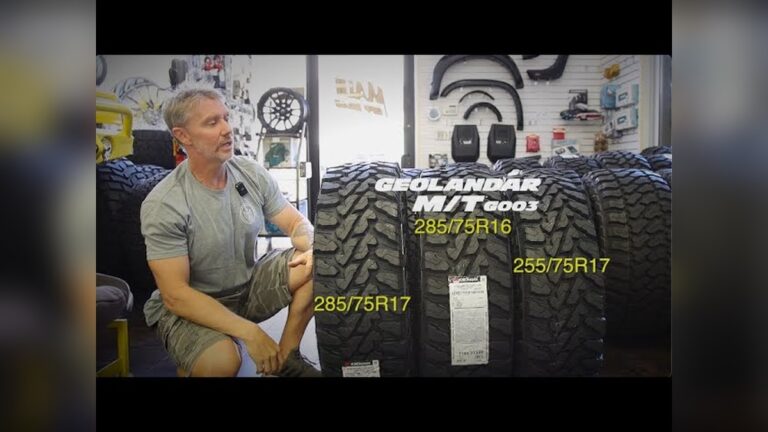
Before comparing these two sizes, it’s important to know what each number represents.
A tire size like 26X9X12 is made up of three parts:
- 26: Overall diameter (inches)
- 9: Tire width (inches)
- 12: Rim diameter (inches)
So, a 26X9X12 tire is 26 inches tall, 9 inches wide, and fits on a 12-inch diameter rim. The 25X8X12 rim refers to a tire that’s 25 inches tall, 8 inches wide, on a 12-inch rim.
Now, let’s break down the 12 key items you must consider before mounting a 26X9X12 tire on a 25X8X12 rim.
1. Tire Width Vs. Rim Width
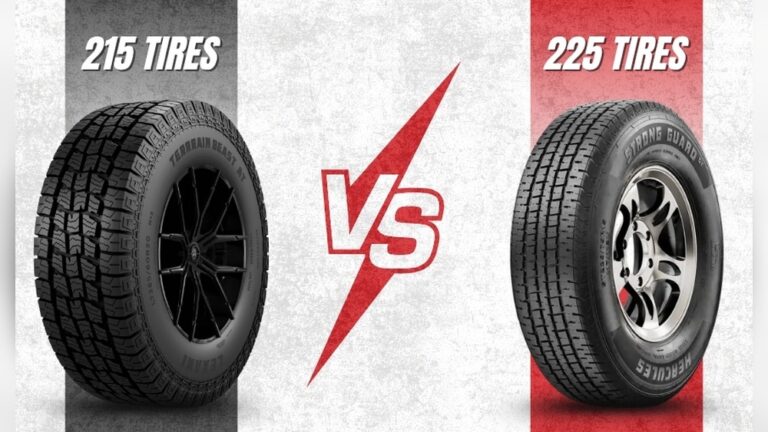
The first thing to check is the tire width compared to the rim width. A 25X8X12 tire is 8 inches wide. Its matching rim is usually around 6-7 inches wide. The 26X9X12 tire is 9 inches wide—one inch wider than the original.
If you put a 9-inch tire on a rim designed for 8-inch tires, you are stretching the tire’s sidewalls. While some riders do this, it can cause poor bead seating and make the tire more likely to unseat, especially at lower pressures.
Always check the rim manufacturer’s approved width range for your new tire.
2. Tire Height Difference
A 26X9X12 tire is 1 inch taller than the 25X8X12. This extra height will:
- Raise your ATV’s ground clearance slightly
- Change the way your speedometer reads
- Put more stress on your vehicle’s drivetrain
For most ATVs, a 1-inch increase is not dramatic, but it does affect handling and gear ratios. If your ATV is already close to its height limits, you could run into rubbing or clearance problems.
3. Rim Diameter Compatibility
Both tire sizes use a 12-inch rim diameter. This means the new tire will physically fit on the rim in terms of diameter. However, diameter alone does not guarantee a good fit if the width is mismatched.
4. Bead Seating And Safety
A tire must seat correctly on the rim’s bead for safety. If the tire is too wide for the rim, the beads may not sit flat, making it easier for air to leak or the tire to pop off during rough rides.
This is especially risky at lower air pressures, common in off-road riding.
5. Handling And Stability
Changing to a wider, taller tire changes your ATV’s handling. A wider tire on a narrow rim can make the tire “balloon” in the center, reducing the contact patch with the ground. This can:
- Make steering feel less precise
- Reduce cornering grip
- Cause the ATV to feel less stable, especially at speed
If you ride on trails with tight turns, this change could make the ATV harder to control.
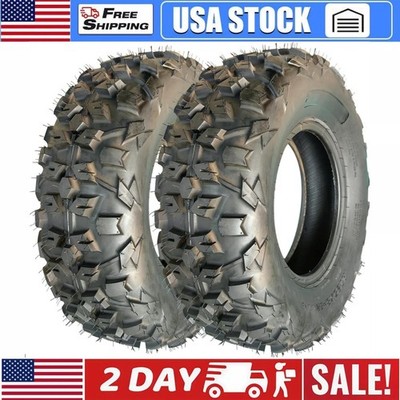
Credit: www.ebay.com
6. Speedometer And Odometer Accuracy
Your speedometer and odometer are calibrated for a 25-inch tire. Increasing to a 26-inch tire means your speed and distance readings will be off. For example, your speedometer will read lower than your actual speed. This isn’t usually dangerous, but it’s good to know, especially if you rely on your odometer for maintenance schedules.
7. Tire Load Rating
Wider and taller tires can sometimes have higher or lower load ratings. Always check that the new tire can safely carry the weight of your ATV and any gear or passengers. Never assume a bigger tire is always stronger.
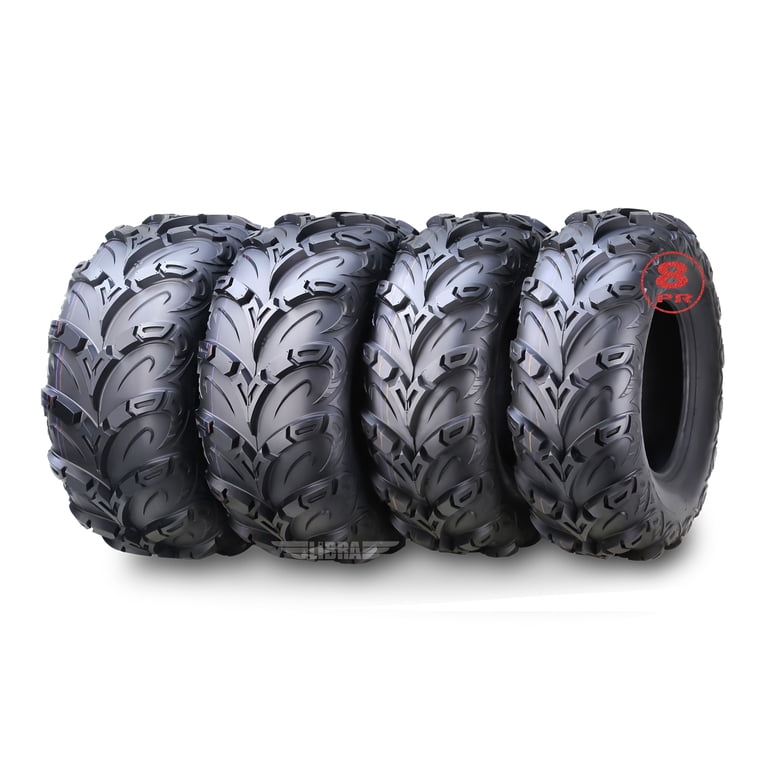
Credit: www.walmart.com
8. Suspension And Fender Clearance
A taller, wider tire needs more space. Check the clearance between the tire and your ATV’s suspension arms, frame, and fenders. If the new tire is too large, it can rub during turns or when the suspension compresses—especially when carrying extra weight or riding over bumps.
9. Air Pressure And Ride Comfort
A wider tire on a narrow rim may need higher air pressure to prevent sidewall flex and keep the bead seated. This can make your ride feel stiffer and less comfortable. Alternatively, running lower pressure increases the risk of the tire coming off the rim.
10. Mounting Difficulty
Mounting a tire that’s wider than the rim is often harder. It may require special tools or extra force to seat the bead. Some tire shops may even refuse to mount a tire that’s too wide for the rim, as it can be unsafe.
11. Atv Manufacturer Recommendations
Always check your ATV’s owner’s manual or contact the manufacturer for approved tire and rim sizes. Most manufacturers provide a range of sizes that are tested for safety and performance. Using a tire outside these recommendations can void your warranty and may not be covered by insurance if there’s an accident.
12. Long-term Effects On Drivetrain And Fuel Efficiency
Bigger, heavier tires add rolling resistance and weight. Over time, this can:
- Put extra strain on your ATV’s engine and transmission
- Increase fuel consumption
- Cause faster wear of axles and bearings
If your ATV is not designed for larger tires, these issues may show up months later.
Side-by-side Comparison
For a clearer view, here’s a comparison of the two tire sizes:
| Feature | 25X8X12 | 26X9X12 |
|---|---|---|
| Tire Diameter (inches) | 25 | 26 |
| Tire Width (inches) | 8 | 9 |
| Recommended Rim Width (inches) | 6-7 | 7-8 |
| Weight (avg, lbs) | 18-22 | 20-26 |
| Common Use | OEM, General Trail | Upgraded, Mud/Sand |
What Tire And Rim Manufacturers Say
Most tire manufacturers give a recommended rim width range for each tire. For a 9-inch wide tire, the ideal rim width is usually 7-8 inches. Using a 6-inch rim (common for 8-inch tires) is at the lower limit, and not always recommended.
Manufacturers warn that mounting a tire one inch wider than the rim is sometimes possible, but not ideal for all uses. If your rim is less than 7 inches wide, you may not get the best performance or safety.
Real-world Examples
Many ATV owners have tried this swap. Some report success, but there are common issues:
- Tire bead leaks after hard impacts
- Reduced steering precision on pavement or hard-packed trails
- Increased wear on the center of the tire (from ballooning)
- Harder mounting and risk of tire shops refusing the job
If you mostly ride in soft mud or sand, you may not notice these problems as much. For rocky, high-speed, or technical trails, the risks increase.
Common Myths And Overlooked Details
Myth: “If the rim diameter matches, any tire will fit.”
Fact: Width and bead seating are just as important. A poor fit can be dangerous.
Insight: If you want to upgrade to a larger tire, consider buying matching wider rims. The cost is higher, but you’ll get better performance and safety.
Overlooked: Tire brands vary in actual width and height, even if labeled the same size. Always measure your old and new tires before installing.
Alternatives And Safer Options
If you want bigger tires for more ground clearance or better traction, consider these alternatives:
- Upgrade to a 26X8X12 tire – Slightly taller, but not wider, so it fits your current rim better.
- Buy a wider rim – A 7-inch wide rim is ideal for 9-inch wide tires.
- Consult a professional – An experienced ATV mechanic or tire shop can advise on safe combinations.
Data Table: Risks And Benefits
Here’s a quick look at the risks and benefits of this tire change:
| Aspect | Risk Level | Benefit |
|---|---|---|
| Ground Clearance | Low | +1 inch clearance |
| Handling | Medium | Wider tire may improve grip in mud |
| Bead Seating | High | – |
| Steering Precision | Medium | – |
| Mounting | Medium | – |
| Drivetrain Strain | Medium | – |
Expert Guidance: Should You Do It?
If you’re thinking about mounting a 26X9X12 tire on a 25X8X12 rim, the answer is: it’s possible, but not ideal. For casual, low-speed riding, and if the rim is at least 6.5–7 inches wide, you may get away with it. But if you ride hard, value steering precision, or want maximum safety, it’s better to match rim width to tire width.
Changing tire size affects more than looks. It changes your ATV’s performance and may shorten the life of your drivetrain. If you’re unsure, talk to a tire professional or your ATV dealer before making the switch.
For more detailed tire sizing guidelines, you can visit the Wikipedia Tire Code page.

Credit: www.superatv.com
Frequently Asked Questions
Can I Mount A 26x9x12 Tire On My Stock 25x8x12 Rim?
You can physically mount a 26X9X12 tire on a 25X8X12 rim if the rim is at least 6. 5–7 inches wide, but it’s not ideal. The tire may not seat well and could affect safety and handling.
Will The Wider Tire Affect My Atv’s Handling?
Yes, a wider tire on a narrow rim can make your ATV harder to steer and less stable at speed. You might also notice more tire flex and less precise control on hard surfaces.
Will This Change Cause My Tire To Rub Against My Atv?
A taller and wider tire increases the risk of rubbing, especially when turning or if your suspension compresses. Always check clearance before riding.
How Will My Speedometer And Odometer Be Affected?
Your speedometer will show a slower speed than you’re actually traveling because the new tire is larger. Your odometer will also record fewer miles than you actually travel.
What’s The Safest Way To Upgrade My Tire Size?
The safest upgrade is to choose a tire and rim that match in width and follow your ATV manufacturer’s recommendations. If you want to go wider, buy wider rims made for your new tire size.
Switching tire sizes can improve your ATV’s performance and look, but only if done safely. Always balance your desire for change with the reality of fit, safety, and long-term costs.