Every driver wonders at some point: “How many miles should I get new tires?” Tires are your car’s only contact with the road. They keep you safe, help your car handle well, and can even save you money on fuel. But knowing when to replace them can feel confusing. The answer isn’t one simple number. It depends on the tire type, your driving habits, road conditions, and even the weather where you live. Let’s break down everything you need to know about tire lifespan, warning signs, and the best time to buy new tires so you can drive with confidence.
What Determines Tire Lifespan?
Many people think all tires last the same number of miles, but that’s not true. Different factors affect how long your tires will last.
Type Of Tire
There are several types of tires, and each has its own average life.
- All-season tires: Most common, usually last 50,000 to 70,000 miles.
- Performance tires: Offer more grip but wear faster, often 30,000 to 40,000 miles.
- Winter tires: Softer rubber for cold, but usually only 20,000 to 30,000 miles.
- Touring tires: Designed for long life, can reach 70,000 miles or more.
Not all tires are built for the same job, and some focus on grip or comfort more than durability.
Driving Habits
How and where you drive changes how quickly your tires wear out.
- Aggressive driving (fast starts, sharp turns) wears tires out faster.
- City driving (lots of stops and starts) is harder on tires than highway driving.
- Carrying heavy loads puts extra pressure on the rubber.
If you drive smoothly and mostly on highways, your tires can last much longer.
Road And Climate Conditions
Bad roads, potholes, and rough surfaces can shorten tire life. Hot climates can make rubber wear out faster, while cold climates can crack tires if they’re not winter-ready.
Maintenance And Care
Tires need regular maintenance to reach their maximum life.
- Proper inflation is critical. Under- or over-inflated tires wear out unevenly and faster.
- Wheel alignment keeps tires straight and prevents one side from wearing faster.
- Regular rotation helps all four tires wear at the same rate.
Missing these steps can cut thousands of miles from your tires.
Manufacturer Guidelines And Warranties
Most tire makers put a mileage warranty on their products. This is not a guarantee, but a guideline.
- For example, a tire with a 60,000-mile warranty should last about that long with normal use and care.
- If your tires wear out before this, you may get a discount on replacements, but only if you followed the maintenance guidelines.
Always check the tire’s warranty and keep records of rotations and alignments if you want to claim a warranty.

Credit: www.reddit.com
How To Check Your Tires
Instead of guessing by miles alone, you should look at your tires regularly. Here’s how to check if they need replacing.
Tread Depth
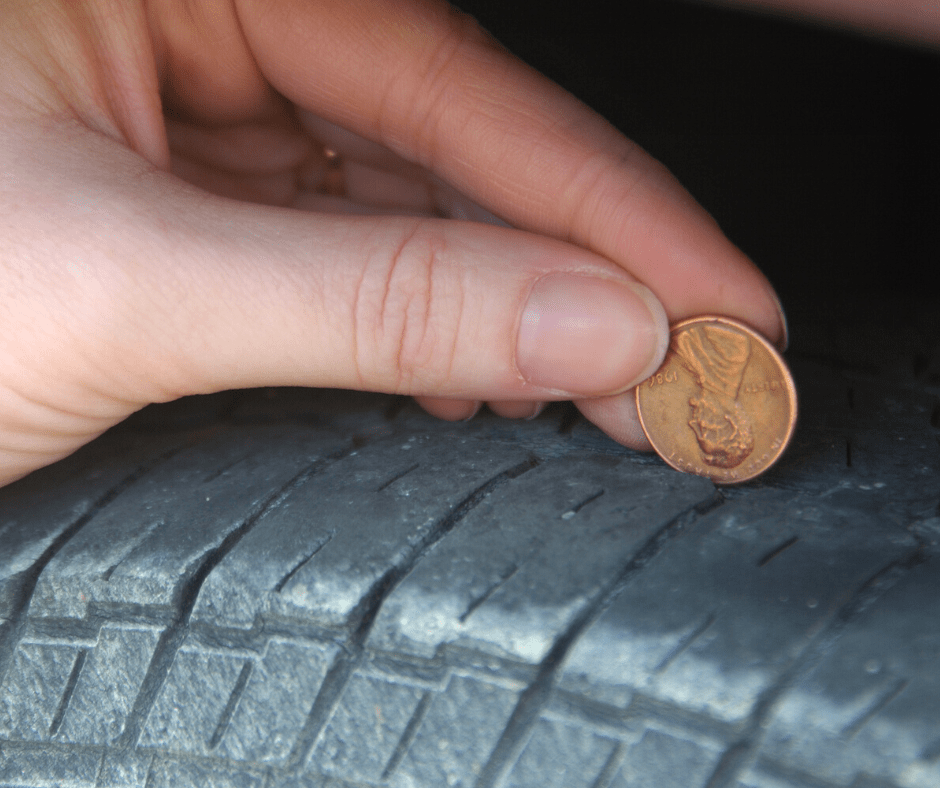
Tire tread is the part that touches the road. New tires start with 10/32” to 12/32” of tread. Most experts say replace tires at 2/32” tread.
A quick way to check:
- Take a penny and insert it into the tread with Lincoln’s head down.
- If you can see all of Lincoln’s head, your tread is too low—time for new tires.
Some tires have tread wear bars built in. When the tread wears down to the bar, you need new tires.
Visible Damage
Look for cracks, bulges, cuts, or objects stuck in the tire. These are signs your tire isn’t safe, no matter the tread left.
Vibration And Noise
If your car shakes or you hear strange noises, a tire may be damaged or worn unevenly.
Average Tire Life By Type
To help you compare, here’s a table showing the average miles different tire types usually last:
| Tire Type | Average Lifespan (Miles) |
|---|---|
| All-Season | 50,000 – 70,000 |
| Performance | 30,000 – 40,000 |
| Winter | 20,000 – 30,000 |
| Touring | 60,000 – 80,000 |
| Truck/SUV | 40,000 – 60,000 |
Remember, these are averages. Your results may be higher or lower based on your situation.
Signs It’s Time For New Tires
Mileage is only one clue. These signs mean you need new tires now, even if you haven’t reached the expected miles:
- Tread depth is less than 2/32”
- Tires are older than 6 years, even if they look good
- Cracks, bulges, or bubbles on the sidewall
- Vibration that doesn’t go away
- Repeated flats or slow leaks
- Tread wear indicator bars are visible
If you notice any of these, replace your tires soon for safety.
How Many Years Should Tires Last?
Even if you don’t drive much, tires age and become unsafe. Most experts, including the U.S. Department of Transportation, suggest replacing tires every 6 to 10 years, no matter the miles.
- Rubber breaks down from heat, sunlight, and oxygen.
- Old tires can look fine but may be brittle and unsafe.
Check the DOT code on your tire’s sidewall to find the manufacturing date. The last four digits show the week and year (for example, 4219 means the 42nd week of 2019).
Credit: debrouxautomotive.com
Real-world Examples
Let’s look at a few examples to make things clearer:
- Commuter car: Drives 12,000 miles a year on highways with all-season tires. Tires may last 5 to 6 years (60,000 to 70,000 miles).
- Sports car: Driven hard with performance tires. May need new tires every 2 to 3 years, sometimes under 30,000 miles.
- Pickup truck: Used for hauling on mixed roads. Tires may last 40,000 to 50,000 miles.
Your driving style and where you live can make a big difference, sometimes more than the tire type itself.
How To Make Tires Last Longer
If you want to get the most miles from your tires, follow these steps:
- Keep tires inflated: Check pressure monthly.
- Rotate tires: Every 5,000 to 8,000 miles.
- Get alignments: At least once a year or if your car pulls to one side.
- Balance tires: If you feel vibrations.
- Drive smoothly: Avoid hard braking and fast starts.
Many drivers forget about rotating and balancing, but these simple steps add thousands of miles to tire life.
Comparing Tire Brands
Brand matters, too. Some well-known brands offer longer-lasting tires and better warranties. Here’s a quick comparison:
| Brand | Common Warranty (Miles) | Average Real-World Life |
|---|---|---|
| Michelin | 60,000 – 80,000 | Up to 80,000 |
| Goodyear | 50,000 – 70,000 | 60,000 – 70,000 |
| Bridgestone | 50,000 – 70,000 | 55,000 – 65,000 |
| Pirelli | 45,000 – 65,000 | 50,000 – 60,000 |
| Continental | 50,000 – 70,000 | 60,000 – 70,000 |
Warranties are a good sign of quality, but always read the fine print.
Two Insights Most Drivers Miss
- Tire aging is real: Many drivers focus only on miles. But even if you drive very little, the rubber still breaks down. Replace tires after 6 to 10 years, no matter how they look.
- Uneven wear can signal other problems: If one part of the tire is worn more, it may mean your car needs alignment or there’s a suspension problem. Replacing tires without fixing the cause means new tires will wear out quickly too.

Credit: www.tiremart.com
Common Mistakes When Replacing Tires
Some mistakes can cost you money or make your car less safe:
- Waiting too long: Worn tires are dangerous in wet or snowy conditions.
- Replacing only one tire: This can affect handling. It’s best to replace at least two at a time, or all four.
- Ignoring tire type: Using summer tires in winter, or vice versa, is unsafe.
- Buying the cheapest option: Low-cost tires can wear out faster and may not grip well in emergencies.
Should You Replace Tires By Miles Or Condition?
Mileage is a good guideline, but condition matters more. Check your tires every month for tread, cracks, and damage. If you’re not sure, ask a professional.
When To See A Professional
If you see any damage, can’t remember when you last changed your tires, or have questions about tread depth, go to a trusted tire shop. They can check your tires and help you decide.
How To Choose The Right Time For New Tires
- Check miles driven since last purchase.
- Look at the tread depth.
- Think about the tire’s age.
- Notice any new noises, vibrations, or changes in handling.
If you’re unsure, it’s safer to replace early rather than risk a blowout.
For more details on tire safety, visit the National Highway Traffic Safety Administration.
Frequently Asked Questions
How Do I Know If My Tires Are Too Old, Even If They Look Fine?
Check the DOT code on the tire’s sidewall. The last four digits show the week and year the tire was made. If your tires are over six years old, it’s time to consider replacement, even if there’s still tread left.
Can I Replace Just One Tire, Or Should I Do All Four?
It’s best to replace all four tires at once for even handling. If that’s not possible, replace at least two tires on the same axle (both front or both rear). Mixing old and new tires can affect your car’s safety.
What Happens If I Wait Too Long To Replace Tires?
Worn or old tires have less grip, take longer to stop, and are more likely to blow out. This is especially dangerous in wet or snowy weather.
Does Rotating My Tires Really Make Them Last Longer?
Yes. Rotating tires every 5,000 to 8,000 miles helps them wear evenly, which means they last longer and are safer.
Is The Mileage Warranty A Guarantee That My Tires Will Last That Long?
No. The mileage warranty is a guideline, not a promise. Tires can wear out sooner if you don’t rotate them, keep them inflated, or if you drive on bad roads.
Replacing tires at the right time keeps you, your passengers, and everyone on the road safer. Check your tires regularly, pay attention to their age and condition, and don’t wait too long to buy new ones. Safe travels!