Performance Vs All Season Tires
Choosing the right tires for your car is more important than most people think. Tires are the only part of your vehicle that touch the road, and they affect everything from safety to fuel efficiency. Many drivers face a common choice: should you buy performance tires or all season tires? At first, this decision sounds simple, but there are many factors to consider. In this article, you’ll learn everything you need to know about performance vs all season tires, including how they work, when to use each type, what the differences mean for your driving, and how to make the best choice for your needs.
When you understand the real differences between these tires, you’ll feel more confident and save money in the long run. You might be surprised at how much tire choice affects braking, cornering, and even the comfort of your ride. Many people make mistakes by choosing the wrong tire for their climate or driving style.
This guide will help you avoid those errors and find the perfect match for your vehicle.
What Are Performance Tires?
Performance tires are designed for maximum grip, responsive handling, and high-speed stability. They are popular among sports car owners and people who enjoy spirited driving. The main goal of performance tires is to deliver better control, especially in dry conditions.
Performance tires usually have:
- Softer rubber compounds for more grip.
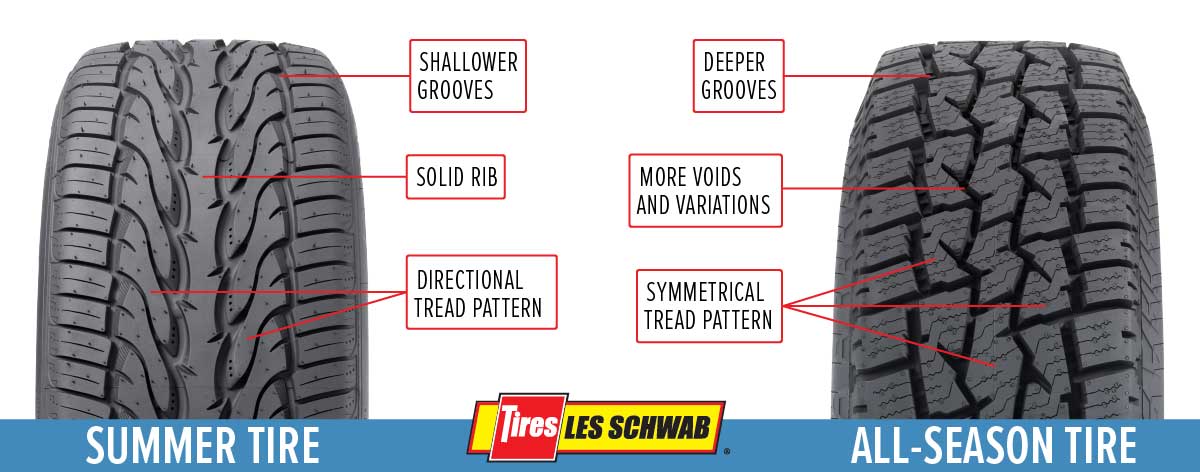
- Wider tread patterns for better contact with the road.
- Lower tread depth, which means less water evacuation but more surface area touching the ground.
- Higher speed ratings (often W, Y, or Z).
These features make performance tires ideal for fast driving, sharp turns, and quick stops. However, they often wear out faster and can be noisy on rough roads.
Key Features Of Performance Tires
- Superior traction: The rubber is softer, so the tires stick to the road better.
- Enhanced cornering: The tread design keeps your car steady during sharp turns.
- Shorter braking distance: Performance tires help your car stop quickly.
- High-speed stability: They are built to handle speeds above 150 km/h safely.
Typical Uses
Performance tires are best for:
- Sports cars and luxury vehicles
- Drivers who push their cars hard
- Warm climates where dry roads are common
- Summer driving
While they perform well on dry roads, performance tires can struggle in cold, wet, or snowy conditions. The rubber becomes harder when temperatures drop, reducing grip.
What Are All Season Tires?
All season tires are designed to handle a wide range of road conditions. They aim to balance comfort, safety, and durability throughout the year. Most cars on the road today use all season tires because they are practical and cost-effective.
All season tires usually have:
- Medium rubber compounds for both grip and durability.
- Deeper tread patterns to channel water away and reduce hydroplaning.
- Moderate tread depth for longer life.
- Lower speed ratings (usually T, H, or V).
They work well in both hot and cold temperatures, and they can handle light snow or rain. However, they do not excel in extreme conditions.
Key Features Of All Season Tires
- Versatility: Good performance in dry, wet, and light snow.
- Longer tread life: All season tires last longer than performance tires.
- Comfortable ride: They are quieter and absorb bumps better.
- Year-round use: No need to change tires with the seasons unless you face extreme winters.
Typical Uses
All season tires are best for:
- Daily commuting
- Family cars, sedans, SUVs, and minivans
- Mild climates with occasional rain or snow
- Drivers who want low maintenance and fewer tire changes
If you live in a place with harsh winters or need maximum grip for high-speed driving, all season tires might not be the best choice.
Comparing Performance And All Season Tires
Let’s break down the main differences so you can see how these tires compare in real-world situations.
| Feature | Performance Tires | All Season Tires |
|---|---|---|
| Rubber Compound | Soft | Medium |
| Tread Design | Wide, shallow | Narrow, deep |
| Grip | High (dry) | Moderate |
| Wet Handling | Good (not excellent) | Good |
| Snow/Ice Handling | Poor | Fair |
| Tread Life | Shorter | Longer |
| Comfort | Less | More |
| Noise | Higher | Lower |
| Price | Higher | Lower |
This table makes it clear: each tire has strong points and weak points. Your choice depends on your driving style, climate, and budget.
Performance In Different Weather Conditions
Weather is a big factor in tire performance. Here’s how each tire type behaves in common conditions.
Dry Roads
Performance tires shine on dry pavement. Their soft rubber and wide tread deliver maximum grip, letting you turn sharply and brake quickly. All season tires are decent on dry roads, but they don’t match the grip of performance tires.
Wet Roads
Both tire types perform well, but all season tires are better at channeling water away from the tread. This reduces the risk of hydroplaning. Performance tires can handle wet roads, but their shallow tread may struggle in heavy rain.
Snow And Ice
All season tires offer basic traction in light snow. They are not meant for deep snow or icy roads. Performance tires are not designed for winter conditions at all. Their rubber gets hard and slippery in cold weather. If you live somewhere with real winters, you need winter tires instead.
Hot Weather
Performance tires are made for heat. Their soft rubber stays flexible in high temperatures, giving better grip. All season tires also work well in hot weather but are not as sticky as performance tires.
Cold Weather
All season tires keep their grip in mild cold. In freezing temperatures, both tire types lose performance, but all season tires do a bit better. Performance tires become hard and lose traction quickly.
Tire Longevity And Maintenance
How long your tires last depends on their type, your driving, and your maintenance. Performance tires usually wear out faster because of their soft compounds. All season tires last longer, making them a better value for most drivers.
Average Lifespan
- Performance tires: 30,000–40,000 km (sometimes less)
- All season tires: 60,000–80,000 km
These numbers are averages. Aggressive driving, poor roads, and bad maintenance can make tires wear out faster.
Maintenance Tips
- Check tire pressure monthly. Under-inflated tires wear out quickly.
- Rotate tires every 10,000 km to even out wear.
- Balance tires to avoid vibration and uneven wear.
- Inspect tread depth often. Replace tires when tread is below 2 mm.
- Avoid aggressive driving if you want your tires to last.
A non-obvious insight: Many people forget that tire alignment affects tire life. Poor alignment can ruin a set of tires in a few months.
Cost Comparison
Cost is a big factor for most drivers. Performance tires are more expensive because of their advanced materials and design. All season tires are cheaper and last longer, giving better value over time.
| Tire Type | Average Price per Tire (USD) | Estimated Lifespan (km) | Cost per 10,000 km |
|---|---|---|---|
| Performance | $150–$300 | 30,000–40,000 | $50–$75 |
| All Season | $90–$180 | 60,000–80,000 | $15–$30 |
If you drive fast and want maximum control, the extra cost of performance tires may be worth it. For most drivers, all season tires offer better value.
How Tire Choice Affects Fuel Efficiency
Many drivers don’t realize that tires affect fuel use. Performance tires usually have higher rolling resistance, meaning your engine works harder to move the car. This can increase fuel consumption by 2–5%. All season tires are designed for lower rolling resistance, which saves fuel.
A study by the U.S. Department of Energy found that switching to low rolling resistance tires can improve fuel economy by up to 6%. That’s a big difference over the life of your car. If saving money at the pump is important, all season tires are the better choice.
Safety Considerations
Safety is the main reason to choose the right tire. Performance tires are best for dry roads and high speeds. They stop faster and handle better, reducing the risk of accidents. All season tires are safer in changing weather, especially rain and light snow.
Some drivers make the mistake of using performance tires in winter. This can be dangerous, as these tires lose grip quickly in cold weather. If you live in a place with freezing temperatures, use winter tires or high-quality all season tires.
Real-world Examples
Let’s look at two drivers and how their tire choices affect their experience.
Example 1: Sports Car Owner In California
John drives a BMW M3 in Los Angeles. He loves fast driving and sharp corners. The weather is mostly dry and warm. John uses performance tires and gets excellent grip and handling. He changes his tires every 35,000 km and pays more per tire, but the experience is worth it.
Example 2: Family Suv Owner In Ohio
Maria has a Toyota Highlander and drives her kids to school every day. Ohio gets rain and light snow, so Maria uses all season tires. She enjoys a quiet ride, long tire life, and good safety in changing weather. Maria changes her tires every 70,000 km and saves money compared to performance tires.
These examples show how tire choice depends on your needs and climate.
Common Mistakes When Choosing Tires
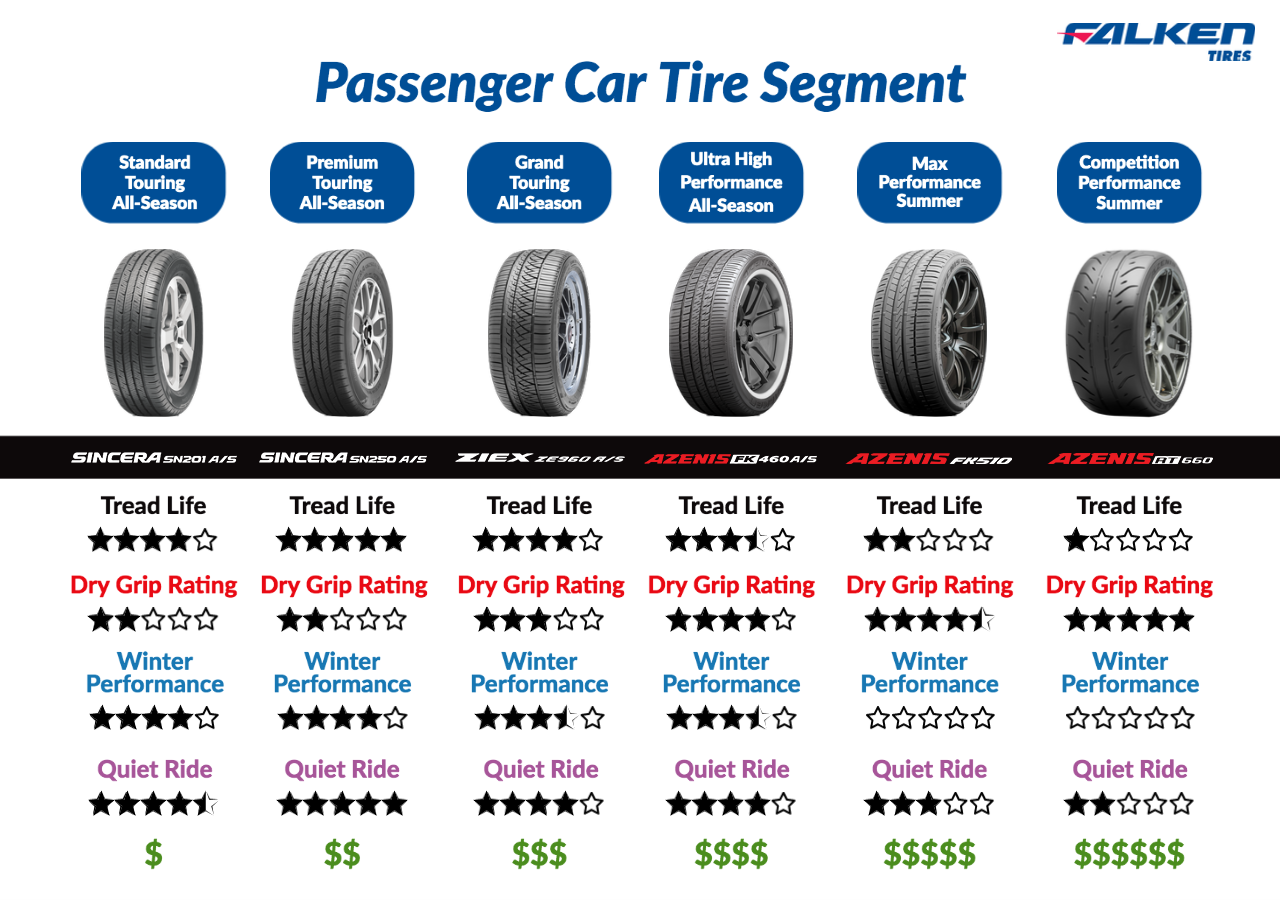
Many people make mistakes when buying tires. Here are the most frequent errors:
- Ignoring climate: Using performance tires in winter or all season tires in extreme summer heat can be risky.
- Choosing based on price alone: Cheap tires may not last or be safe.
- Not checking speed rating: Using low-rated tires on a fast car can be dangerous.
- Skipping maintenance: Not rotating or checking tires reduces their life.
- Assuming all season means all weather: All season tires are not good for heavy snow or ice.
A non-obvious insight: Some drivers forget that tire size and load rating are just as important as type. Always match your tire to your vehicle’s specs.
Credit: www.falkentire.com
How To Choose The Right Tire For Your Needs
Picking the right tire is easier when you ask yourself a few questions:
- What’s my driving style? (fast, careful, mixed)
- What’s my local climate? (hot, cold, rainy, snowy)
- How much am I willing to spend?
- How many kilometers do I drive each year?
- What type of vehicle do I own?
If you drive a sports car in warm weather and love fast driving, go for performance tires. If you drive a family car and face different weather, all season tires are better. For drivers in snowy areas, winter tires are a must.
Steps To Choose The Right Tire
- Check your car’s manual for recommended tire size and type.
- Think about your climate and driving conditions.
- Set your budget and compare costs.
- Read reviews and look for trusted brands.
- Ask a tire expert if you’re unsure.
Environmental Impact
The environmental impact of tires is often overlooked. Performance tires wear out faster, creating more waste. All season tires last longer, reducing landfill waste. Lower rolling resistance tires also help cut fuel use, lowering carbon emissions.
Some tire companies now use eco-friendly materials and designs to reduce environmental harm. If this matters to you, look for tires labeled as “green” or “eco.”
Latest Technology In Tire Design
Tire makers are always improving technology. Performance tires now use advanced silica compounds for better grip in wet conditions. Some all season tires have adaptive tread patterns that change shape with temperature, improving grip and life.
A recent innovation is run-flat tires, which let you keep driving after a puncture. These are available for both performance and all season tires but usually cost more.
The Role Of Tire Ratings
Every tire has ratings for speed, load, and traction. Understanding these ratings helps you make a safer choice.
- Speed rating: Shows the top speed the tire can handle. Performance tires have higher ratings.
- Load rating: Shows how much weight the tire can carry. Always match this to your car’s specs.
- Traction rating: Shows grip on wet roads. Look for “AA” or “A” for best performance.
A non-obvious insight: Tire ratings are often ignored, but they are critical for safety. Never use tires with ratings below your car’s needs.
Should You Mix Tire Types?
Some drivers wonder if they can use performance tires in front and all season tires in back. Experts advise against mixing tire types. Different tires can cause handling problems and increase accident risk. Always use the same type and size on all wheels.
Tire Comparison Table: Quick Reference
Here’s a quick summary to help you decide.
| Criteria | Performance Tires | All Season Tires |
|---|---|---|
| Best For | Sporty driving, dry roads | Daily use, mild climates |
| Lifespan | Shorter | Longer |
| Comfort | Less | More |
| Safety (Wet) | Good | Better |
| Safety (Snow) | Poor | Fair |
| Fuel Efficiency | Lower | Higher |
| Price | Higher | Lower |
Credit: www.youtube.com
Where To Find Reliable Tire Information
If you want detailed info about tire ratings, tests, and reviews, visit trusted sources like Tire Rack. They offer in-depth tests and comparisons that can help you make the best choice.
Final Thoughts: Making The Best Choice
The decision between performance and all season tires comes down to your needs, climate, and budget. Performance tires are perfect for drivers who love speed and handling, but they cost more and wear out faster. All season tires are the best choice for everyday drivers who want safety, comfort, and value.
Remember to check your car’s manual, think about your local weather, and never ignore tire ratings. Maintain your tires well, and you’ll enjoy safe, comfortable driving for years. The right tire not only makes your car perform better—it keeps you safe on the road.
Credit: www.lesschwab.com
Frequently Asked Questions
What Is The Main Difference Between Performance And All Season Tires?
The main difference is that performance tires are designed for high grip and handling in dry conditions, while all season tires balance grip, comfort, and longevity for use in a variety of weather conditions.
Can I Use Performance Tires Year-round?
Performance tires are not recommended for winter or icy conditions. They lose grip in cold weather and can become unsafe. For year-round use in places with winter, choose all season tires or switch to winter tires when needed.
Are All Season Tires Good For Sports Cars?
All season tires work for sports cars used for daily driving and mild weather. If you want maximum handling and grip, performance tires are better. For occasional sporty driving and safety in changing weather, all season tires are acceptable.
How Often Should I Replace My Tires?
Replace performance tires every 30,000–40,000 km and all season tires every 60,000–80,000 km, depending on wear. Always check tread depth and replace tires if it drops below 2 mm.
Do Tires Affect Fuel Efficiency?
Yes, tires with high rolling resistance (like performance tires) can use more fuel. All season tires usually have lower rolling resistance, helping save fuel and money over time.